What Is Keratin Hair Treatment? A Complete Guide with Benefits, Risks & Costs
What is keratin hair treatment? It’s a chemical process that smooths and straightens hair.
The treatment adds keratin, a natural protein, to fill gaps in the hair cuticle. This makes strands look shiny, soft, and less frizzy for several months.
The process usually takes about two hours to complete at a salon. The keratin formula is left on the hair for 20 to 30 minutes before sealing with heat. This heat bonding step locks keratin into your hair, strengthening it and making it easier to manage.
After a keratin treatment, avoid washing your hair for 48 to 72 hours. This waiting period helps the keratin fully set and last longer. Also, steer clear of shampoos containing sulfates, since they can strip the keratin finish and reduce the treatment’s lifespan.
Key Takeaways
- Keratin treatment smooths hair by applying a protein formula that bonds to strands.
- The process takes about two hours, including a 20- to 30-minute application time.
- Heat is used to seal the keratin into your hair for lasting effects.
- Avoid washing your hair for a minimum of 48 hours after treatment so the bond forms properly.
- Using sulfate-free shampoos helps prolong your keratin treatment’s lifespan.
- Expect your hair to look straighter and smoother for up to six months.
What Is Keratin Hair Treatment and How Does It Work?
A keratin hair treatment is a salon procedure that smooths and straightens hair. A special protein-rich formula coats your hair and penetrates the outer layer. This process temporarily reshapes the hair’s keratin protein chains inside the hair fiber.
The keratin formula bonds deeply to the hair’s structure at the Keratin Alpha level. It reorganizes these protein chains to reduce frizz and make hair straighter.
This change lasts about two weeks at the molecular level. It helps your hair look sleek and controlled.
During treatment, the formula is applied and left on for about 20 to 30 minutes. Heat seals the keratin into the hair strands.
A flat iron runs over small sections to do this. This heat step locks in the new smooth shape and adds shine.
The treatment temporarily alters your hair’s texture but generally does not permanently straighten it. Most people see straighter, less puffy hair for up to six months.
This happens if they follow aftercare rules. These rules usually include avoiding washing your hair for 48 hours after treatment.
Keratin treatment can also strengthen hair by reducing breakage and split ends. It smooths the outer layer, helping rough or damaged hair look healthier. However, the effect fades gradually as the hair grows and the keratin wears off.
What Happens During a Professional Keratin Treatment Session?

A professional keratin treatment starts with washing your hair, followed by applying a keratin formula. Then the stylist seals the keratin into your hair with a flat iron. The process typically takes about 90 to 120 minutes in a salon.
Hair Preparation and Washing
The session begins with a thorough shampoo wash to remove dirt and oils from your hair. Using a clarifying shampoo makes sure your hair is clean and ready to absorb keratin. This step helps the treatment last longer and work better.
No conditioner is applied after washing. Your hair needs to stay open.
This helps the keratin formula work better. The stylist may towel-dry your hair slightly to keep it damp but not wet.
Application of Keratin Formula
The stylist applies a keratin-based solution evenly on your damp hair. They use a comb to spread the product. It goes from roots to tips.
They focus on frizzy or damaged areas. Ensuring all strands get coated helps achieve smooth, shiny results.
The product may contain additional ingredients like formaldehyde or formaldehyde-free alternatives, depending on the treatment type. After application, your hair is left damp and ready for heat sealing.
Heat Sealing with Flat Iron
The important step is sealing the keratin with a flat iron set between 350°F and 450°F. The stylist passes the iron on small hair sections. They do this several times.
This locks the keratin in place. This heat closes the cuticle and smooths the hair surface.
This step shapes the hair, reduces frizz, and adds shine. The higher the temperature, the stronger the seal. But excessive heat can cause damage if not done carefully.
Setting Time and Finishing Touches
After flat ironing, keep your hair dry for at least three days. Water can stop the treatment from setting. Avoid moisture to get the best results.
During this time, avoid sweating and humidity as well. This wait helps the keratin bind deeply and last longer.
Your stylist may suggest avoiding certain shampoos and styling products that contain sulfates. Using these can strip the keratin and shorten the treatment’s lifespan. A final blow-dry or light styling finishes the session.
- Wash hair with clarifying shampoo and towel-dry slightly.
- Apply keratin formula evenly using a comb.
- Wait for the hair to absorb the product briefly.
- Use a flat iron at 350°, 450°F to seal keratin into small hair sections.
- Repeat flat ironing to ensure smooth, frizz-free hair.
- Allow hair to set without water or sweat for three days.
- Follow stylist advice on sulfate-free shampoos and gentle care.
Do not wash your hair for three full days. Keep it from getting damp too. This helps the keratin treatment set properly.
How Long Does Keratin Treatment Last and What Affects Its Durability?
Keratin treatment results usually last three to six months. The exact length depends on your hair type and treatment used.
It also depends on how well you care for your hair afterward. Washing your hair less often can help the treatment last longer.
Hair with more porous texture or heavy damage may lose the treatment’s effects sooner. You can extend the lifespan by choosing gentle, sulfate-free shampoos and avoiding excessive heat styling.
Treatments with formaldehyde or similar chemicals may last longer. These come with health concerns you should think about.
How often you repeat the treatment should balance lasting results and hair health. Most stylists recommend waiting at least three months between sessions.
Frequent treatments without breaks may weaken hair over time. So spacing sessions properly is important.
- Use sulfate-free, gentle shampoos to protect the treatment
- Avoid washing hair daily; aim for two to three times a week
- Limit heat styling to reduce cuticle damage
- Wait at least three months before repeating treatments
- Choose formaldehyde-free options if sensitive to chemicals
- Follow your stylist’s aftercare advice closely
- Avoid swimming or salt water soon after treatment
After your keratin treatment, hair needs a rest period of 24 to 48 hours without washing. This allows the treatment to fully set. The smooth, frizz-free look grows more visible over time.
It fades when the protein coating starts to break down. Consistent aftercare helps keep your hair looking its best for months.
What Types of Keratin Treatments Are Available and How Do They Differ?
Keratin treatments come in several types, each with different formulas and results. Some treatments contain formaldehyde or similar chemicals, which help straighten hair more. Others skip these ingredients for a gentler approach that mainly smooths frizz and softens hair texture.
Choosing the right treatment depends on what you want. It also depends on your hair type. Plus, consider how much straightening you need.
Formaldehyde-based treatments often give straighter hair but require more safety care during application. Formaldehyde-free options usually soften and elongate curls without making hair stick-straight.
| Type of Keratin Treatment | Main Ingredients | Expected Effects | Notes |
|---|---|---|---|
| Brazilian Blowout | Formaldehyde or derivatives | Straightens hair, reduces frizz | Requires ventilation; chemical odor |
| Formaldehyde-Free Keratin Treatment | Alpha keratin 60ku protein, baobab seed oil | Softens, elongates hair texture | Less straightening, safer fumes |
| Express Keratin Treatment | Varies; often less or no formaldehyde | Quick smoothing, minimal straightening | Shorter session times |
| Full Straightening Systems | Usually formaldehyde or alternatives | Strong straightening lasting 12+ weeks | Professional application needed |
Most treatments last about 12 weeks but vary based on formula and aftercare. Formaldehyde in some formulas helps bond proteins during heat application. This makes your hair straighter.
It also releases fumes. These fumes can irritate your eyes and throat if not handled well.
Non-formaldehyde treatments focus on adding keratin and oils to smooth hair. They don’t lock hair into a straight form but improve softness and reduce frizz. This suits people wanting better manageability without fully straight hair.
Before choosing, ask your stylist about the ingredients and ventilation. Ensure they have experience with your hair type and can show examples of results. Properly picked treatments give you lasting smoothness and the look you want without surprises.
What Are the Benefits and Risks of Keratin Hair Treatment?
A keratin hair treatment smooths frizz and helps straighten hair while adding shine. It replaces protein lost to heat, styling, and environmental damage, making hair look healthier. You usually see hair that feels softer and looks sleeker right after the session.
These treatments use chemicals like formaldehyde to open hair cuticles. This lets keratin get inside the hair and seal it tight. While this helps the keratin bond, formaldehyde exposure raises health concerns.
Breathing fumes may irritate your eyes, skin, or lungs. This is worse without good ventilation in the salon.
Most people won’t suffer lasting problems if the treatment is done by a skilled professional. Common side effects can be a dry scalp or mild irritation. Overdoing keratin treatments, meaning too many sessions close together, risks harming hair and increasing chemical exposure.
- Smooths and straightens hair for up to three months
- Adds shine by sealing the hair cuticle
- Restores some hair elasticity and strength
- May cause dry scalp or mild irritation
- Formaldehyde exposure can irritate respiratory system
- Not recommended for excessive or very frequent treatments
- Proper salon ventilation reduces health risks
The chemicals involved also create an environmental impact through waste fumes and product residues. Some brands offer formaldehyde-free alternatives.
But they may not last as long or work the same. Checking product ingredients and salon safety practices can help you avoid problems.
Use treatments spaced several months apart. Always ensure your stylist has good ventilation and proper training.
How Should You Prepare and Care for Your Hair Before and After Treatment?
Preparing your hair before a keratin treatment helps the results last longer. Follow strict aftercare routines for the best outcome. Doing both gives you the longest-lasting smooth hair.
Avoid washing, tying, or chemically treating your hair for two to three days after the treatment. Using proper products and gentle styling helps maintain smooth, shiny hair.
Pre-Treatment Hair Preparation Checklist
Wash your hair thoroughly a day before the treatment to remove dirt and oils. Skip conditioners or leave-in products so the keratin can absorb well. Make sure your hair has no heavy styling products on treatment day.
Clean hair lets the keratin work better and last longer. Avoid oils or gels before your appointment.
Get any hair coloring or chemical treatments done at least one week before. This helps avoid interference with the keratin formula. Tell your stylist about any allergies or scalp conditions before the session starts.
- Shampoo hair 24 hours before appointment
- Avoid conditioner or styling products the day of
- Complete hair color or chemical services one week prior
- Inform stylist of scalp sensitivity or allergies
- Use a wide-tooth comb to detangle gently
Aftercare Do’s and Don’ts
Don’t wash or tie your hair for 48 to 72 hours after treatment. This waiting period allows the keratin to fully bond and set in. Avoid any chemical treatments or harsh heat styling in that time.
Use a silk or satin pillowcase to reduce friction and frizz while sleeping. Don’t clip or pin hair tightly, and avoid hats that leave marks. Handling your hair gently helps the keratin stay in place longer.
Recommended Hair Products After Treatment
Choose sulfate-free shampoos and conditioners designed for keratin-treated hair. These products help preserve the keratin coating and moisture levels. Your stylist can recommend brand options suited for your hair type.
Use leave-in conditioners or serums with keratin or hydrating ingredients. This nourishes hair without stripping the treatment. Avoid products with alcohol or harsh chemicals that dry hair out and break down keratin.
How to Handle Washing and Styling
Wait at least two full days before washing your hair after the treatment. Use lukewarm water and shampoo gently to keep keratin intact. Limit washing frequency to 2 or 3 times per week to extend treatment life.
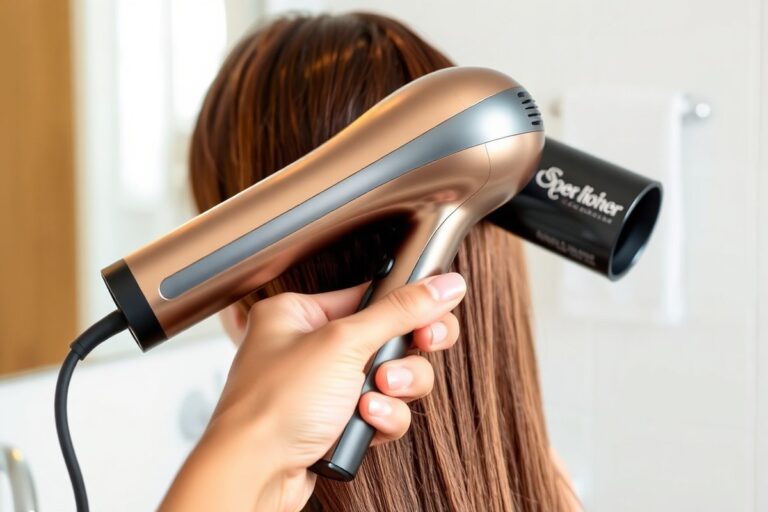
Blow-dry hair using a medium heat setting and a straight brush for smooth results. Avoid tying hair tightly or using heavy hair accessories that cause dents. Use a heat protectant before flat ironing, and keep iron temperature under 450°F.
When to Safely Color or Chemically Treat Hair
It’s best to color your hair before the keratin treatment session. This timing prevents color fading and damage during the keratin process. Wait at least 2 to 3 weeks after your keratin treatment before applying new chemical treatments.
Chemical processes done too soon can weaken the keratin and shorten its effects. Always consult your stylist about scheduling color or perms relative to your keratin appointments. They can suggest the safest timing for your hair health.
How Much Do Keratin Treatments Cost and What Factors Influence Price?
Keratin treatments usually cost between $250 and $500. Several factors can explain why prices differ so much. Location, stylist experience, and the type of treatment all play roles.
Prices tend to be higher in big cities where salons charge more. A stylist trained in keratin treatments usually charges more. They have more skill and know-how to get results.
An inexperienced stylist may offer a lower price. Also, more intensive treatments that give stronger, longer-lasting results usually cost more.
Cheaper treatments may not last as long or deliver the smoothness you want. Sometimes they use lower-quality products or don’t follow the proper process. You might save money upfront but spend more on touch-ups or repairing damage later.
Show your stylist a photo of the hair you want. Talk about how you care for your hair daily.
This helps them choose the right treatment for you. You’ll get better results by matching your lifestyle to the right product and technique.
| Cost Factor | Typical Price Range |
|---|---|
| Basic Keratin Treatment | $250 – $350 |
| Advanced or Specialized Treatment | $350 – $500 |
| Large City Salons | $300 – $500 |
| Less Experienced Stylists | $250 – $300 |
Finding fair pricing means balancing cost with quality. Look for salons with good reviews and transparent pricing. Ask what products they use and if the stylist has keratin treatment training.
Waiting three days without washing or ponytails helps your treatment last longer. This step is just as important as the cost. Cutting corners on aftercare can spoil your smooth, frizz-free hair fast.
Is Keratin Treatment Safe and How to Avoid Health Risks?
Keratin hair treatments can be safe when you know what chemicals are involved and take precautions. Some products contain chemicals like formaldehyde that can cause health problems. Always watch for signs of irritation and choose products carefully to avoid risks.
Formaldehyde and Chemical Safety Facts
Formaldehyde is a common chemical in some keratin treatments to lock in smoothness. It releases fumes that can irritate your eyes, throat, and lungs during the process. One case reported severe kidney injury in a young girl.
The product said it was formaldehyde-free but had the chemical. This shows labels can sometimes be misleading or unsafe.
Exposure limits vary. But the National Institute for Occupational Safety and Health recommends keeping formaldehyde under 0.1 parts per million in air. High heat during treatment can increase chemical release.
So proper ventilation and protective gear matter a lot. Avoid treatments if you have respiratory issues or skin sensitivities.
Choosing Formaldehyde-Free Treatments
Look for products that explicitly state they are formaldehyde-free and have ingredient transparency. Some products use safer alternatives like glyoxylic acid. It has fewer health risks but may still release fumes.
You should be cautious when breathing near these treatments. The labels might say “no added formaldehyde,” but always check the ingredient list yourself.
Price varies widely, with safer or formaldehyde-free options usually costing $150 to $350 at salons. Cheaper treatments may hide harmful chemicals or skimp on ventilation safety. Ask your stylist about the product line and request Safety Data Sheets if unsure.
Recognizing Allergic or Harmful Reactions
Watch for itching, burning sensations, redness, or swelling on your scalp during or after treatment. Eye watering, coughing, or breathing trouble are signs the chemical fumes are too strong. These symptoms usually appear within hours or days after exposure and should never be ignored.
Spot rashes or blisters? Rinse your hair right away. Then get medical advice as soon as possible.
Don’t try to tough it out or cover up symptoms. Several keratin users reported lasting irritation because they didn’t act fast enough.
Stop the treatment and see a doctor if you experience any sudden itching or breathing problems.
Professional vs DIY Safety Considerations
Professional salons often have better ventilation and protective gear than home setups. Licensed stylists follow safety rules and know how to handle chemicals correctly.
Still, some salons might cut corners. So ask about their safety practices and ventilation before booking.
DIY keratin kits cost less but increase health risks. Most homes lack proper ventilation or safety gear. This raises the chance of harmful chemical exposure.
It is harder to control heat and chemical exposure by yourself. Try DIY only in a well-ventilated room.
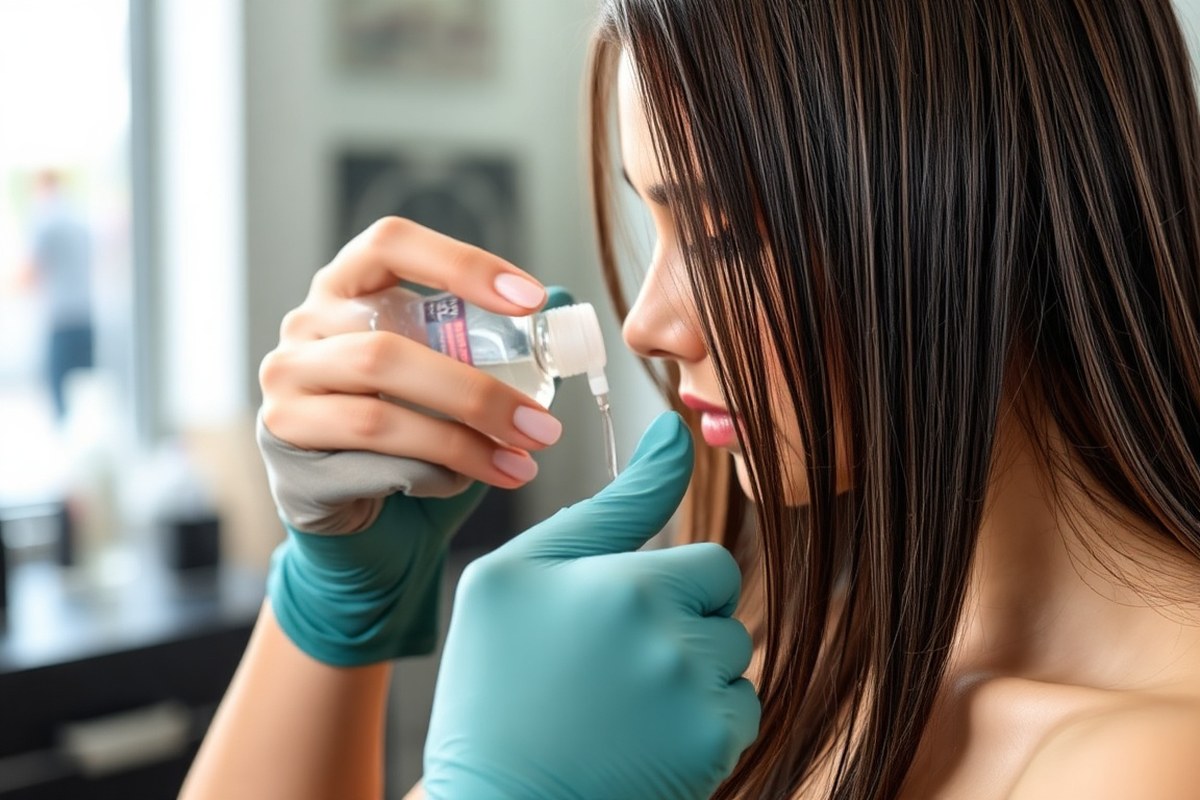
Always wear gloves during the process. Follow all instructions exactly to stay safe.
Your Step-by-Step Plan for Keratin Hair Treatment Success
Follow this simple plan to prepare, get the treatment, and care for your hair afterward. It helps keep your hair smooth and healthy.
- Before your appointment: Wash your hair 1-2 days before the treatment without conditioner. Your hair should be clean but slightly natural for better product absorption.
- Day of treatment: Avoid styling or applying products. Trust the stylist to apply and blow-dry your hair precisely for the best results.
- Immediately after treatment: Do not wash or tie your hair for 3 days. This lets the keratin set properly and last longer.
- First week after treatment: Use only sulfate-free shampoo and conditioner. They preserve the keratin coating and prevent fading.
- Week 2 and on: Limit washing to 2-3 times weekly. Over-washing strips keratin and shortens the treatment’s life.
- After 4-6 weeks: Schedule a refresh appointment if you want to maintain smoothness. Some treatments need touch-ups to stay effective.
- Ongoing care: Minimize heat styling and always use a heat protectant. This prevents damage that can break down the keratin layer.
Frequently Asked Questions
Can Keratin Treatments Be Done on Color-Treated Hair?
Yes, but avoid coloring your hair for at least 2 weeks after the keratin treatment. This helps prevent damage and keeps results looking fresh longer.
Is Keratin Treatment Suitable for All Hair Types?
Keratin treatments work best on frizzy or damaged hair. Fine or very curly hair may not see the same smoothing effect. Ask your stylist if it’s right for your hair type.
Can I Swim or Sweat After a Keratin Treatment?
It’s best to avoid swimming or heavy sweating for 48 hours after treatment. Water and sweat can disrupt the keratin bonding process and reduce treatment life.
Does Keratin Treatment Affect Hair Volume?
Yes, many people notice reduced hair volume since it smooths and straightens strands. If you prefer fuller hair, discuss styling options with your stylist.
How Often Can I Get Keratin Treatments?
Most experts recommend waiting at least 3 to 4 months between treatments to avoid hair damage. Overuse can weaken your hair over time.
Will Keratin Treatment Repair Severely Damaged Hair?
It can improve hair’s smoothness and shine but doesn’t fully repair severe damage. Use nourishing treatments alongside keratin for better results.
Key Points to Remember
Keratin treatment can smooth and strengthen your hair when done right. Careful prep and gentle maintenance extend its benefits. Book a consultation with a trusted stylist to see if it’s right for your hair.