Which Hair Straightening Treatment Is the Best: A Complete Guide with Proven Tips
Which hair straightening treatment is the best depends on your hair type and goals. Permanent straightening lasts the longest, making hair smooth for up to six months. Temporary treatments like keratin give shine and slight straightening but need frequent touch-ups.
Many prefer salon treatments because they use higher heat and professional products. For example, keratin treatments include a 450-degree flat iron to seal the hair. Always wait two days after treatment before washing to protect your new style.
Start by identifying your hair texture and how much straightening you want. Your hair’s thickness, length, and natural curl affect the type and duration of treatment. Choosing the wrong method can cause damage or leave your hair less straight than expected.
Key Takeaways
- Permanent straightening lasts 4 to 6 months but takes about 3 to 4 hours.
- Keratin treatments add shine and smoothness but are temporary, lasting 3 to 4 months.
- Don’t wash your hair for 2 days post-treatment to keep results longer.
- Higher flat iron temperatures improve straightening; salons use up to 450 degrees.
- Home straightening kits usually last less than 6 weeks and need frequent reapplication.
- Choose your treatment based on your hair’s thickness, texture, and curl pattern.
Which Hair Straightening Treatment Works Best for Your Hair?
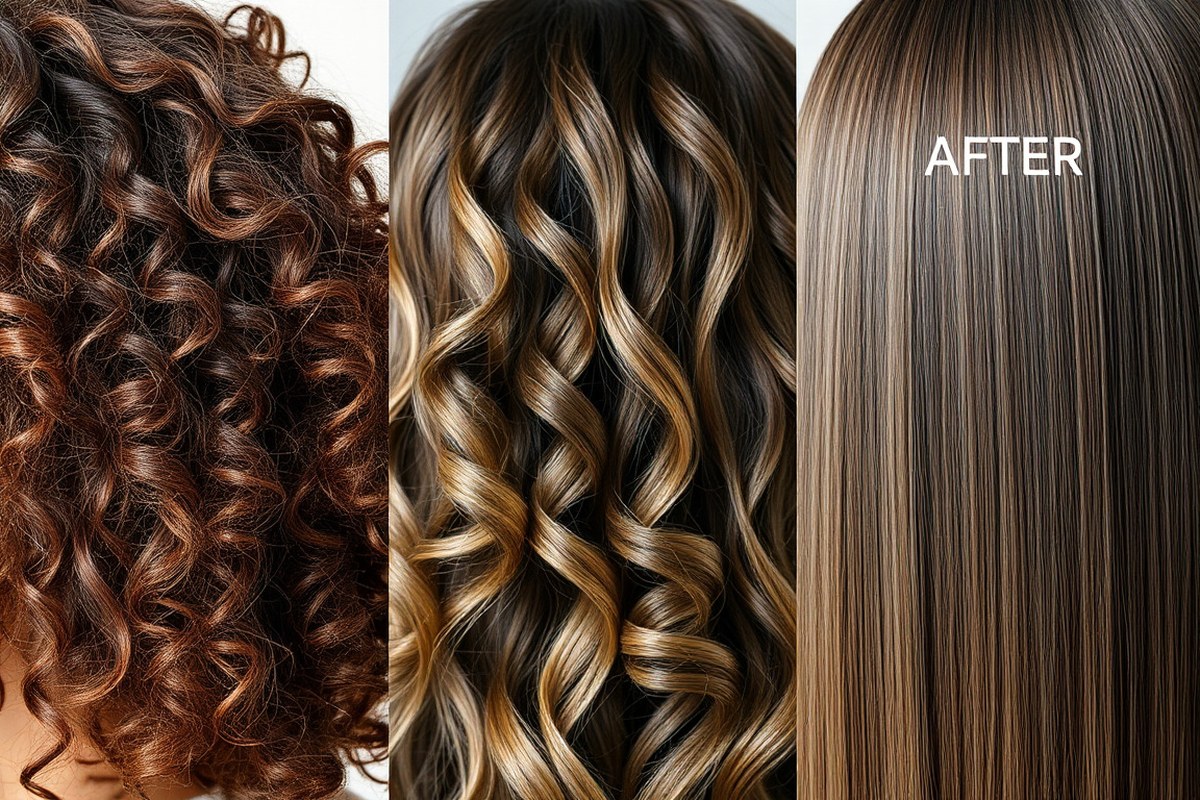
Keratin treatments, Japanese straightening, Brazilian blowouts, and chemical relaxers differ. Each suits certain hair types and result durations. Choose based on your needs and hair health.
Keratin treatments coat the hair with protein and require a flat iron at around 450 degrees. This method smooths hair and lasts 3 to 5 months.
It suits most hair types, including thick and curly like 4C. It offers long-lasting smoothness without heavy chemicals.
Japanese straightening works by permanently changing your hair’s internal structure. It uses a chemical and heat process, similar to a perm but for straightening.
This lasts longer than keratin and is best for very curly or coarse hair. But it requires a skilled professional and more upkeep to avoid damage.
| Treatment Type | Effectiveness | Longevity | Safety Notes | Best Hair Types |
|---|---|---|---|---|
| Keratin Treatment (Brazilian Blowout) | Smooths and adds shine | 3-5 months | Contains formaldehyde; avoid frequent use | Curly, frizzy, thick hair, including 4C |
| Japanese Thermal Straightening | Permanently straightens hair | 6 months to permanent | Requires professional skill; potential damage if done wrong | Very curly, coarse hair |
| Chemical Relaxers | Permanently straightens | 3-6 months | May weaken hair; requires careful maintenance | Coarse, tightly curled hair |
| Thermal Reconditioning | Permanent straightening | 6 months to permanent | Heat damage risk; professional application needed | Thick, wavy to curly hair |
Choosing the right treatment depends on your hair’s texture and what you want in results. You want gentler, semi-permanent straightening with shine and softness. Keratin treatment is the most popular choice.
It works well for frizz or curly hair. It tends to be safer with proper care, but don’t overdo it.
Permanent options like Japanese straightening or chemical relaxers provide strong, long-lasting straight hair. They suit coarse or very curly textures best.
These methods change the hair structure deeply. So the risk of dryness or breakage increases without expert application and follow-up care.
Match your choice to your hair’s strength and your lifestyle. You want a treatment lasting many months with thick, curly hair. Japanese straightening might be your best option.
It gives very straight, long-lasting results. For softer results and easier maintenance, a keratin treatment fits well. Always check ingredients and ask your stylist about health concerns like formaldehyde exposure.
How Do Popular Hair Straightening Treatments Work?

Hair straightening treatments change your hair’s shape through chemistry, heat, or protein smoothing. Chemical relaxers break hair bonds for permanent change. Keratin and thermal methods use heat to seal and reshape hair temporarily or permanently.
Chemical Relaxers and Their Effects
Chemical relaxers break disulfide bonds inside the hair shaft. This changes curly or wavy hair into a straighter shape permanently. The process uses strong alkaline chemicals like sodium hydroxide or ammonium thioglycolate.
Applying relaxers involves carefully timing to avoid damage. You rinse the product out after 10 to 20 minutes depending on hair type and strength. Afterward, neutralizers stop the chemical reaction and lock in the new shape.
- Section the hair to work in manageable parts.
- Apply the relaxer evenly from roots to ends.
- Wait 10 to 20 minutes based on instructions.
- Rinse thoroughly with warm water.
- Apply a neutralizing shampoo to halt chemical action.
- Condition hair to restore moisture.
- Dry and style as desired.
Warning: Avoid applying relaxers on bleached or damaged hair to prevent severe breakage.
Keratin Treatments and Heat Sealing
Keratin treatments coat hair with a protein formula to smooth and reduce frizz. Heat is essential to seal keratin into the cuticle. A flat iron heats hair at 430°F to 450°F, locking in the treatment.
This method doesn’t permanently alter bonds but improves shine and straightness for 2 to 4 months. The treatment usually takes 90 minutes to 2 hours and costs $150 to $300 at salons. It’s safer for color-treated hair but still requires care post-treatment.
- Wash hair with sulfate-free shampoo to remove buildup.
- Towel-dry hair and section it.
- Apply keratin formula evenly along hair strands.
- Comb through to distribute product.
- Blow-dry hair completely.
- Use a flat iron at 430°F to seal keratin, section by section.
- Avoid washing hair for 72 hours after treatment.
Tip: Use flat irons with adjustable heat to avoid burning hair during keratin treatments.
Japanese Thermal Reconditioning Process
Japanese thermal reconditioning combines chemicals and heat to permanently straighten hair. First, a chemical solution breaks down hair’s protein bonds. Then a flat iron heated to about 410°F reshapes the hair straight.
After ironing, a neutralizer locks in the new, straight protein structure. This treatment takes 3 to 5 hours and costs $200 to $500.
It works well on very curly or thick hair types. But it can seriously damage bleached or fragile strands.
- Wash hair with clarifying shampoo.
- Apply chemical straightening solution evenly.
- Wait 20 to 30 minutes for the solution to process.
- Rinse without shampoo, then towel-dry hair thoroughly.
- Section hair and straighten with a flat iron heated to 410°F.
- Apply neutralizer to fix the new shape.
- Rinse and condition hair before styling.
Warning: Permanent straightening can cause serious damage if applied on bleached or damaged hair.
How Long Do Hair Straightening Treatments Last and Why?
Hair straightening treatments last different amounts of time depending on the method. Brazilian straightening usually keeps hair smooth for about 3 to 4 months.
Permanent hair straightening keeps treated hair straight for 4 to 6 months. You will need touch-ups for new hair growth every 6 to 8 months.
Keratin treatments, like Japanese straightening or Nanoplastia, often last around 5 to 6 months. They work by altering hair bonds chemically or using heat combined with chemicals.
These treatments require using sulfate-free shampoos to keep keratin levels intact. However, they can cause damage if your hair is already colored or chemically treated.
How fast your natural texture returns depends on several things. These include hair type, the treatment used, hair health, and care routine. Humidity also plays a big role by making hair revert quicker in some treatments.
Chemical treatments that change hair structure usually last longer. But they require more frequent root touch-ups.
| Treatment Type | Duration (Months) | Touch-up Frequency | Notes |
|---|---|---|---|
| Brazilian Straightening | 3, 4 | Every 3, 4 months | Less expensive, semi-permanent |
| Permanent Hair Straightening | 4, 6 | New growth every 6, 8 months | Breaks hair bonds, lasting on treated parts |
| Keratin Treatments (Japanese & Nanoplastia) | 5, 6 | Every 5, 6 months | Use keratin sulfate-free shampoos |
To help your treatment last, avoid shampoos with sulfates. Also, keep humidity low, or your natural curls might bounce back faster. Touch-ups are important for permanent straightening to avoid uneven texture when new hair grows out.
Longer-lasting treatments often use stronger chemicals. These may cause dryness or damage with time.
Timing for straightening ranges from 30 to 60 minutes per session. Longer hair or thicker hair may need more time.
Pick a treatment based on how long you want straight hair. Also, consider how much upkeep fits your schedule.
Which Hair Types Suit Each Straightening Treatment Best?
Choosing the right hair straightening treatment depends on your hair type and condition. Matching the method to your hair texture and health ensures better results and avoids damage. Here’s a detailed look at what suits fine, coarse, curly, afro, or damaged hair best.
Fine or Thin Hair Recommendations
Fine hair needs gentler treatments to avoid breakage and dryness. Treatments with keratin and collagen blends, sulfate-free formulas, and lower heat settings work best. Keep heat tools between 240°F and 330°F to protect strands.
Natural or heatless methods can also help smooth slight waves without chemicals. Avoid permanent straightening if your hair is damaged or chemically treated. A safer option is protein-rich smoothing treatments that strengthen thin hair.
- Use sulfate-free keratin products on damp hair.
- Apply at-home treatments with blow drying and low heat flat ironing.
- Keep heat flat iron below 330°F for fine hair.
- Avoid harsh chemicals or high heat if hair is fragile.
- Do not wash hair for 2 days after treatment to maintain effects.
Results for fine hair usually include smooth strands with less frizz. Overprocessing leads to limp or brittle strands, so choose mild treatments. Testing a small section first shows how your hair reacts.
Coarse and Curly Hair Treatments
Thick, coarse, and curly hair often needs stronger treatments to soften and straighten. Chemical relaxers or keratin treatments usually work well. These treatments break protein bonds to remove frizz and reshape hair.
Keratin treatments without sulfates, plus collagen, help dry, rough hair. Applying to damp hair, then blow drying and flat ironing locks in the treatment. Permanent chemical options give the best results but might cause some damage.
- Choose treatments designed for medium to coarse or very curly hair.
- Professional salon applications provide safest, most effective results.
- Commit to good aftercare with heat protection and moisturizing.
- Use flat irons around 380°F to 410°F for thick hair textures.
- Allow 48 hours before washing after treatment.
Good results show a sleek, manageable texture with reduced frizz. Avoid treatments if hair is very damaged already; it could worsen breakage. Thick hair may need repeated treatments for lasting effects.
Tools and Methods for Afro-Textured Hair
Afro or 4C hair benefits from hydrating, protein-based straightening treatments and gentle heat tools. Permanent chemical relaxers work but may cause damage if not done right. Keratin treatments are a safer choice for thick curls or tight coils.
Flat irons with adjustable heat lets you control temperature based on hair strength. Start with 350°F and increase carefully. Use a heat protectant every time you straighten textured hair to avoid split ends.
- Use moisturizing keratin treatment followed by blow drying.
- Flat iron in small sections for even straightening.
- Heat settings between 350°F and 400°F usually work well.
- Choose sulfate-free products that nourish and smooth hair.
- Avoid washing hair for 2 days post-treatment to seal results.
- Consider a professional for chemical relaxers to reduce damage risk.
Properly done, straightened afro hair looks smoother and less tangled. Applying too much heat or chemicals can cause dryness or breakage. Regular conditioning treatments help restore moisture after straightening.
What Are the Application Steps and Timing for Straightening Treatments?
Hair straightening treatments each follow specific steps that include applying formulas, waiting times, and heat sealing. Most treatments need a flat iron to seal the product in. You must time it carefully to avoid hurting the hair.
Use steady, even strokes with the flat iron. Salon professionals usually take between one to three hours depending on the treatment and hair type.
Keratin Treatment Application Timeline
Keratin treatments start by applying a keratin-based formula to clean, damp hair. The formula coats each strand to smooth frizz and add shine. A flat iron heats the treatment at a high temperature.
This step locks in the protein to protect your hair. It helps keep hair smooth and strong.
- Wash hair thoroughly and towel dry to keep dampness.
- Apply keratin solution evenly from roots to ends.
- Allow the product to sit for around 20 minutes for absorption.
- Divide hair into sections for flat ironing.
- Flat iron hair at 450°F, passing the iron 2-3 times per section.
- Do not wash hair for 72 hours to ensure the formula sets.
Protect your ears from flat iron heat to avoid burns during sealing.
Japanese Straightening Procedure Breakdown
This method uses a chemical relaxer to break hair bonds, followed by heat to reshape strands. It takes longer because each step sets the new straight shape. You finish with a neutralizer to lock in the style before rinsing.
- Wash hair with a clarifying shampoo to remove buildup.
- Apply the straightening solution carefully, section by section.
- Wait for 20 to 30 minutes depending on hair texture and thickness.
- Use a flat iron at high heat (up to 450°F) to straighten every section.
- Apply neutralizer to hair and leave for 20 minutes.
- Rinse neutralizer out without shampooing.
- Dry and style hair gently after drying completely.
- Avoid washing hair for 72 hours post-treatment.
Timing changes with hair type: coarse hair needs longer solution time.
Brazilian Blowout Process Steps
The Brazilian Blowout is a keratin treatment that smooths hair and adds shine. It applies a chemical layer that softens curls without fully straightening them. Flat ironing activates the formula to reduce frizz and create a protective barrier.
- Start with shampooed, towel-dried hair.
- Apply the Brazilian Blowout solution evenly throughout hair.
- Let the solution sit for about 20 to 30 minutes.
- Flat iron the hair at 450°F, passing over each strand twice.
- Do not wash hair for 72 hours to maintain the treatment.
- Use heat protectant spray before styling with tools after treatment.
Use a flat iron with wider plates for faster smoothing of longer hair.
How to Maintain and Prolong Your Hair Straightening Results
Hold off washing your hair for two full days after a straightening treatment. This pause helps the treatment set in and last longer. Avoid tying your hair tightly during this time to prevent unwanted creases.
Choose sulfate-free shampoos and conditioners specially made for treated hair. Sulfates strip natural oils and can fade the straightening effect. Products with keratin or amino acids work well to nourish and protect your hair.
Keep styling simple to avoid damage. Limit heat tools like flat irons or curling wands, especially right after treatment.
Use a heat tool that keeps its temperature steady around 365°F. This helps protect your hair from more damage. Controlled heat lowers the chance of burning or drying out strands.
- Don’t wash hair for 48 hours post-treatment
- Use sulfate-free and keratin-enriched shampoos and conditioners
- Avoid tight hairstyles that crease hair
- Limit heat styling and keep tool temperatures under 365°F
- Apply leave-in conditioners to keep hair smooth and hydrated
- Skip chlorine or saltwater which can weaken hair and fade straightening
Leave-in conditioners or light oils help keep hair hydrated and reduce frizz. Avoid swimming in chlorinated pools or saltwater after straightening because they strip essential oils.
Rinse your hair well after using heat styling. Then apply a protective mask to help repair the damage.
Regularly trimming split ends helps your hair look healthy and maintain smoothness. Use gentle brushing with a wide-tooth comb to prevent snagging. These habits protect your hair and keep your straightening results looking fresh for weeks.
What Safety and Health Risks Should You Consider Before Straightening?
Many hair straightening treatments use chemicals like formaldehyde. This ingredient can weaken your hair and cause breakage or hair fall. Avoid products listing formaldehyde or related compounds like methylene glycol on the label.
Excessive heat from irons also damages hair by drying and breaking strands. Keep the flat iron below 450°F and always fully dry your hair before use. Using heat protection sprays cuts down on damage and helps keep your hair strong.
Scalp sensitivity can come from chemical burns or allergies. You might notice redness, itching, or a burning feeling during or after treatment. Stop the process immediately if these signs appear and see a doctor if the scalp worsens.
To spot unsafe products, check for harsh chemicals and read reviews from trusted sources. Cheap kits often last less than six weeks and may use low-quality ingredients. It pays to visit a good salon for hair straightening.
Home kits might save money but offer less safety. A salon gives better results and uses safer methods.
When straightening hair at home, test a small skin patch 48 hours before treatment. This helps identify allergies to the product. Don’t leave chemical solutions on longer than the package instructions say, usually 20 to 30 minutes.
After straightening, limit heat styling tools. Overuse can cause long-term damage, making hair brittle. Follow your stylist’s advice on hair care to keep strands healthy and reduce risk.
Wear gloves when handling chemicals to avoid skin contact. Work in a well-ventilated space to prevent inhaling fumes, especially formaldehyde. Salons should use vents or fans to keep air fresh during treatments.
Watch for warning signs like hair feeling unusually dry or breaking easily days after treatment. A burning scalp or rashes need immediate attention. Quality products and professional help reduce these risks dramatically.
Should You Straighten Hair at Home or Visit a Professional Salon?
Straightening your hair at home usually costs less than going to a salon. You might spend $20 to $50 on a kit. Salon treatments often start around $100 and can reach $400 or more depending on the method.
Home kits offer convenience since you can do them anytime. But results vary widely based on the product and how you apply it.
Professional stylists tailor the treatment to your hair type. They control timings and chemical use carefully. This precision helps reduce damage and improve the look and feel of your hair.
Many salon treatments last longer because of this expert approach. However, visiting a salon takes planning and time for appointments.
- DIY kits cost less and offer flexible scheduling
- Salon treatments provide more consistent, longer-lasting results
- Professionals identify your hair needs and prevent damage
- At-home misuse can lead to uneven straightening or breakage
- Some chemical treatments, like permanent relaxers, need expert care
- Salon products often use higher-grade ingredients for better quality
- Home kits may require buying additional products for maintenance
Picking home treatments works best for mild straightening or touch-ups. Use them when your hair is strong and healthy. This keeps your hair safe.
Simple, temporary straighteners or heat tools suit this use. You must follow instructions exactly, including heat settings near 350°F or below for flat irons. Avoid home chemical relaxers if your hair is fragile or highly textured.
Strong chemical straightening, such as Japanese or Brazilian treatments, should be done by professionals. These involve precise application and timing to avoid hair dryness or breakage. Hair relaxers use chemicals.
These weaken the strands for a short time. Using them wrong can harm your scalp. Going to a salon also means a professional can recommend aftercare products and schedules.
Always do a patch test with straightening products. This checks for allergic reactions and damage. Test it before full use.
Step-by-Step Action Plan for Your Hair Straightening Journey
Follow these simple steps to choose and care for your hair straightening treatment. They help you get great results and keep your hair healthy.
- Before you start: Assess your hair type and damage level. Choose a treatment suited for your hair texture to avoid extra harm.
- Day 1: Visit a licensed professional for the treatment. A skilled stylist ensures even application and reduces risks.
- After treatment day: Avoid washing your hair for 48 to 72 hours. This lets the straightening formula set well and last longer.
- Week 1: Use a sulfate-free shampoo and conditioner. This helps maintain your hair’s moisture and straightness.
- Week 2: Apply a heat protectant before styling tools. It guards your hair from new heat damage after straightening.
- Week 4: Schedule a deep conditioning treatment. It will restore hydration and strength lost during straightening.
- Every 3 to 6 months: Schedule touch-ups or reapplications. Timing depends on your hair growth and treatment type. This keeps your hair smooth and manageable.
- Ongoing: Trim split ends regularly. Healthy ends improve how sleek your hair looks after straightening.
Frequently Asked Questions
What Is the Difference Between Hair Botox and Keratin Treatments?
Hair botox fills damaged hair fibers without using formaldehyde, making it gentler. Keratin treatments use heat to seal and smooth hair. They often have formaldehyde, a chemical that can cause damage.
Using them too much may harm your hair. Botox focuses more on repair while keratin mainly straightens and smooths.
Is GK Keratin Treatment Formaldehyde Free?
GK keratin treatment does not contain formaldehyde. It uses natural ingredients like vitamin E and argan oil to smooth hair safely. This option reduces your risk of hair damage.
It also limits how much chemical contact you have. It works well if you want safer hair straightening.
What Is the Best Brand of Keratin Treatment?
KERAGEN is widely recommended as the best overall keratin treatment brand. It offers effective straightening and shine without harsh side effects. It takes around 3-4 hours to apply and shows strong, lasting results.
How Can I Permanently Straighten My Hair?
Japanese hair straightening or thermal reconditioning offers permanent results. It uses chemicals plus heat to change hair structure permanently. Keep in mind, this process is long and can cause damage if not done professionally.
Which Hair Straightening Treatment Is the Best?
The best hair straightening treatment depends on your hair type and goals. Brazilian blowouts and keratin treatments smooth hair with added shine. For permanent straightening, Japanese thermal straightening works but needs careful aftercare.
How Long Should I Wait to Wash My Hair After Straightening?
Wait at least 2 days before washing your hair post-straightening. This allows the treatment to set fully and last longer. Washing too soon can reduce the effect and make it fade faster.
Final Thoughts
Choosing the right hair straightening method depends on your hair and goals. Trust a professional for treatment and aftercare advice. Start with a hair consultation to find the best option for you.