What Is Clarifying Shampoo Used for? A Complete Guide That Answers Every Question
What is clarifying shampoo used for? It cleans away buildup from hair products, hard water, and pollution.
This helps hair feel lighter, look shinier, and stops dullness or oiliness. It also removes residue from styling gels, hairsprays, and dry shampoo that regular shampoos often miss.
Clarifying shampoo works by using stronger cleansing ingredients than regular shampoo. It breaks down residue that normal washing leaves behind.
That’s why it’s great if your hair feels heavy or greasy despite washing. It can also remove minerals from hard water and environmental dirt that weigh hair down.
Start by using clarifying shampoo only once every 2 to 4 weeks. Overuse can dry out your hair or scalp and strip natural oils. Always follow with a deep conditioner to keep hair healthy and soft, especially if your hair is dry or color-treated.
Key Takeaways
- Use clarifying shampoo to remove residue from styling products and minerals.
- Choose a product with chelating agents like EDTA for hard water buildup.
- Wash hair with clarifying shampoo once every two to four weeks, depending on hair type.
- Follow clarifying shampoo with a 15 to 30-minute deep conditioning treatment.
- Wait at least two weeks after coloring hair before using a clarifying shampoo.
- Avoid clarifying shampoo if your hair is severely damaged without protein treatments first.
What Is Clarifying Shampoo Used For?

Clarifying shampoo is used to remove buildup that regular shampoo can’t fully clean. It targets residues like leftover hair products, excess oils, environmental dirt, and minerals from hard water. This shampoo strips layers of grime from your hair.
It helps bring back your hair’s natural shine. It also restores vitality to your hair.
Unlike regular shampoos, clarifying shampoo contains stronger cleansers called surfactants. These deep-cleaning agents break down heavy buildup and chemical residues like chlorine from swimming pools. Clarifying shampoo is strong and leaves hair feeling clean.
Hair feels squeaky and bare, not soft. It does not condition like regular shampoo.
People often use clarifying shampoo as a reset treatment when hair feels weighed down or dull. This shampoo helps swimmers and those with hard water. It removes minerals and chemicals from hair.
These deposits can make hair stiff or greenish. You don’t use clarifying shampoo every wash.
Use it once or twice a month instead. Frequency depends on your hair’s needs.
How Clarifying Shampoo Works to Remove Build-Up
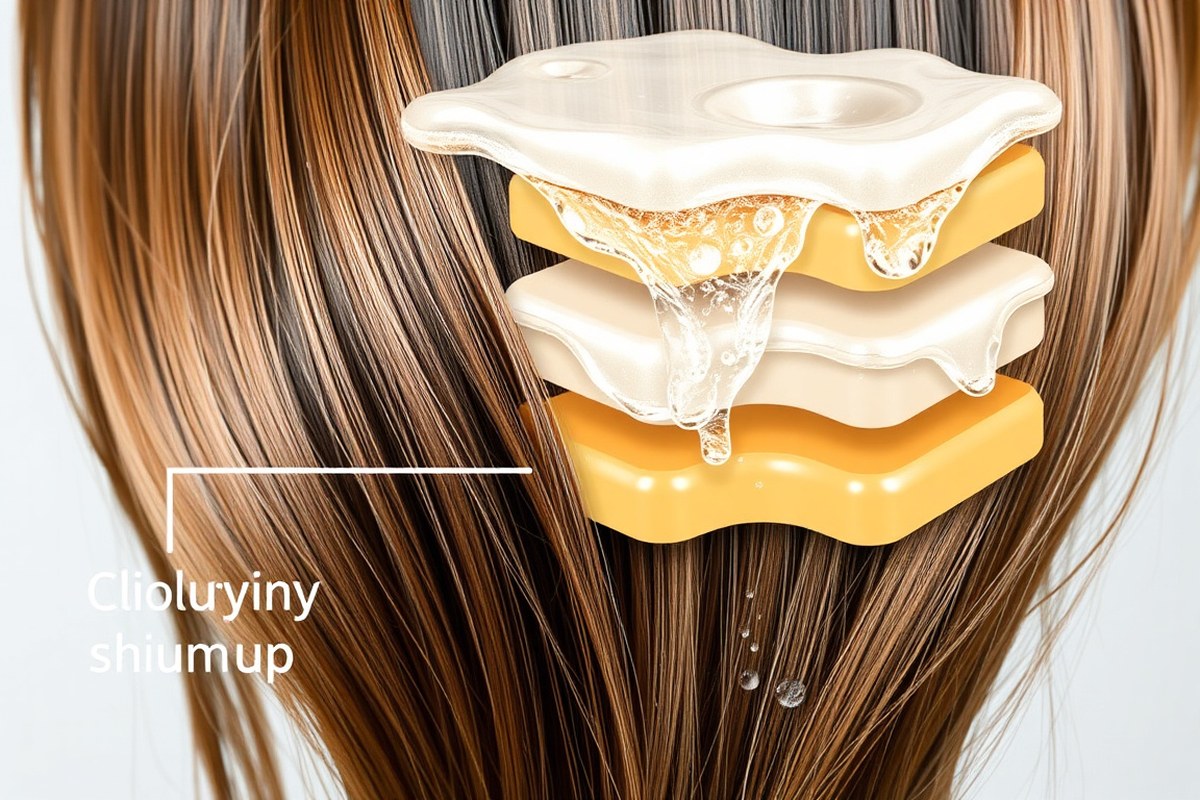
Clarifying shampoo removes oils and minerals by using stronger surfactants than regular shampoos. These surfactants break down tough residues like product buildup, hard water minerals, and chlorine. Regular shampoos clean surface oils.
Clarifying shampoos remove buildup layers. They clean deeper than daily shampoos do.
Active ingredients lift oils, minerals, and dirt. They loosen what’s trapped in your hair and scalp. This helps clean your hair better.
This deep cleansing helps your hair feel lighter and less greasy. Washing usually takes one to two minutes.
Shampoo breaks down buildup during this time. Then rinse your hair thoroughly.
Because clarifying shampoos contain more concentrated cleansing agents, they work more intensely. Use clarifying shampoos only once in a while. Daily use can strip too much natural oil.
That can dry out your hair. After use, your hair might feel drier. So following up with a moisturizing shampoo or conditioner helps restore balance.
Don’t leave clarifying shampoo on your hair for more than two minutes. It can over-dry your scalp and strands.
How Often Should You Use Clarifying Shampoo Based on Hair Type
Use clarifying shampoo based on your hair type and how much product you use. Oily scalps with heavy product use need a deep clean every two weeks to avoid buildup. Dry scalps or hair that sees little product use only need clarifying every six to eight weeks.
This helps prevent dryness. Overdoing it could lead to scalp irritation. Color-treated hair should get a clarifying wash every four to six weeks.
Use a color-safe formula to protect the shade. This keeps your hair looking fresh longer.
Several factors change how often you should use clarifying shampoo. Living where hard water is common means minerals build up faster on your hair. This buildup can make your scalp feel itchy.
Clarifying shampoo can help remove these minerals. So cleansing every two to three weeks works better. Low porosity hair also traps buildup, recommending use every two to three weeks.
Using lots of dry shampoo or styling sprays means you need clarifying more often. This helps your scalp stay clean and healthy. It avoids product buildup that clogs pores.
- Oily scalp with heavy product use: every 2 weeks
- Normal scalp with moderate product use: every 3, 4 weeks
- Dry scalp with little product use: every 6, 8 weeks
- Color-treated hair: every 4, 6 weeks with color-safe shampoo
- Hard water areas: every 2, 3 weeks
- Low porosity hair: every 2, 3 weeks
Using too much clarifying shampoo can strip natural oils, making hair rough and brittle. Using clarifying shampoo too rarely lets buildup weigh your hair down. It may also lead to scalp problems like itching or flaking.
Regular use keeps hair light and your scalp clear. Use clarifying shampoo as a reset, not a daily or weekly treat for most hair. It clears buildup without stripping natural oils.
This keeps your hair healthy and balanced. Start by checking your scalp feel and product use, then adjust your schedule from there.
Proper Steps to Use Clarifying Shampoo Safely and Effectively
Use clarifying shampoo on wet hair with warm water. Massage a small amount onto your scalp and hair. Rinse it out and follow up with a good conditioner or deep treatment to restore moisture.
Step 1: Preparing Hair with Warm Water
Start by rinsing your hair with warm water to open the cuticles. This helps loosen buildup and prepares your hair for deep cleaning. Warm water also ensures the shampoo spreads easily and reaches every strand.
Use water around 90°F (32°C) for best results. Avoid hot water as it can dry out your scalp and hair. A quick 30-second rinse is enough to make your hair ready.
Step 2: Applying and Massaging the Clarifying Shampoo
Use a small amount of clarifying shampoo, about a quarter-sized drop. Apply it evenly from roots to ends, focusing on the scalp where buildup collects most. Avoid piling more product than needed.
Gently massage your scalp for 1 to 2 minutes to break down residue and minerals. Don’t scrub too hard to prevent irritation. Rinse thoroughly with warm water after massaging to remove all product and loosened buildup.
Only apply clarifying shampoo once per wash, unless you have heavy buildup. For swimmers dealing with chlorine, twice per week max is enough. Avoid using it daily or on dry hair to prevent damage.
Step 3: Rinsing and Conditioning for Hydration
Rinse all the shampoo out with warm water until your hair feels clean. Immediately follow with a hydrating conditioner to replace lost moisture. Clarifying shampoo strips oils, so skipping conditioner causes dryness and breakage.
For dry, damaged, or color-treated hair, use a deep conditioning treatment for 15 to 30 minutes. Apply heat with a shower cap or warm towel to boost absorption. This step restores softness and prevents brittleness.
If your scalp feels dry or itchy, add a gentle leave-in conditioner or scalp serum afterward. This helps soothe and balance your scalp after the intensive cleanse.
- Rinse hair thoroughly with warm water to open cuticles.
- Apply a quarter-sized amount of clarifying shampoo to wet hair.
- Massage gently into scalp and along strands for 1-2 minutes.
- Rinse the shampoo completely with warm water.
- Apply a moisturizing conditioner or deep conditioning treatment immediately.
- Leave conditioner on for recommended time, usually 3-5 minutes or 15-30 for deep conditioning.
- Rinse conditioner out thoroughly with cool or warm water.
- Optionally, apply a leave-in conditioner or scalp serum if needed.
Choosing the Right Clarifying Shampoo for Your Hair Needs
Choose a clarifying shampoo based on your hair type and needs. Look for specific ingredients and formulas that suit your scalp and color status. Not all clarifying shampoos work the same, so read the label carefully before buying.
Common Ingredients in Clarifying Shampoos
Clarifying shampoos typically contain powerful surfactants to remove buildup. Chelating agents like Disodium EDTA are added to bind hard water minerals. Many formulas balance cleansing with moisturizing ingredients to prevent excessive dryness.
Here’s a table of common key ingredients and their roles:
| Ingredient | Purpose |
|---|---|
| Surfactants (e.g., Sodium Lauryl Sulfate) | Deeply cleanse oils and product residue |
| Disodium EDTA (chelating agent) | Removes mineral deposits from hard water |
| Moisturizing agents (e.g., glycerin) | Offset dryness caused by cleansing |
| Minimal conditioners | Prevent hair from feeling heavy or coated |
| PH balanced ingredients | Protect hair and scalp health during cleansing |
Look for shampoos that say pH balanced and color-safe. These are gentle on treated or sensitive hair.
They help keep your hair healthy. Avoid harsh shampoos without moisturizing elements on dry scalps.
Differences Between Clarifying and Chelating Shampoos
Clarifying shampoos are strong cleansers targeting product and oil buildup. Chelating shampoos focus on removing mineral deposits from hard water. Both improve scalp health but use different ingredients for specific needs.
Chelating shampoos often contain higher levels of chelating agents like Disodium EDTA. Clarifying shampoos rely more on surfactants to break down oils and styling products.
You struggle with mineral buildup. Choose a chelating shampoo instead.
Don’t use regular clarifying shampoos daily; they can dry out your hair and scalp.
Best Clarifying Shampoos by Hair Type
Curly hair benefits from clarifying formulas designed to reset curls without stripping moisture. For example, Curl Reset Detox Shampoo works well for this hair type. It removes buildup while keeping curls soft and defined.
Color-treated hair needs shampoos labelled as color-safe to avoid fading. Most standard clarifying shampoos are too harsh for dyed hair. Sensitive or dry scalps should look for gentle formulas with added moisturizers and fewer harsh surfactants.
Here is a quick comparison:
| Hair Type | Recommended Clarifying Shampoo | What to Avoid |
|---|---|---|
| Curly | Curl Reset Detox Shampoo (moisturizing, gentle) | Harsh sulfates, heavy conditioners |
| Color-Treated | Color-safe clarifying shampoos | Formulas without color protection, strong surfactants |
| Sensitive/Dry Scalp | Gentle clarifying shampoos with moisturizers | Strong detergents, high surfactant concentrations |
| Oily/Normal Scalp | Standard clarifying shampoos with chelating agents | Excessive conditioning agents |
Choose based on how your scalp feels and your hair’s state. A dermatologist can help with scalp problems.
They can guide your product choices. This advice is useful if you are unsure.
Common Mistakes with Clarifying Shampoo and How to Avoid Them
Using clarifying shampoo too often can dry out your hair and scalp. It strips oils and buildup, which leaves hair feeling rough and brittle. Colored hair risks fading quickly because harsh cleansers remove dye molecules along with dirt.
Applying clarifying shampoo daily or even twice a week often causes breakage. Stick to once a week at most. Always follow with a moisturizing leave-in conditioner or hair mask.
That helps lock in moisture and repair dryness. Your hair might feel like straw or look dull from overuse.
- Do not treat clarifying shampoo like regular shampoo; it’s stronger.
- Use it on wet hair about every 4 to 5 washes, not daily.
- Choose sulfate-free or color-safe clarifying shampoos if your hair is dyed.
- Follow washing with a deep conditioner or hydrator to prevent dryness.
- Skip clarifying washes next week to help dry hair recover.
- Before coloring, use clarifying shampoo once to remove residue for better dye results.
- For oily scalps, a weekly clarifying wash helps but avoid applying too far down the hair.
Dryness and brittleness usually happen because people forget to moisturize after clarifying. You might also leave the shampoo in too long, thinking it cleans better that way. Keep it on your scalp and hair for about two minutes, then rinse thoroughly.
Choose a gentler formula for colored hair to prevent fading. Avoid clarifying shampoos with heavy sulfates if you want to preserve vibrancy.
When color fades, use clarifying shampoo every two weeks with conditioner. That balance keeps your color fresh and your hair healthy.
Special Considerations for Color-Treated, Curly, and Damaged Hair
Clarifying shampoos can clean deeply but may harm sensitive or treated hair. You should take care to protect color and moisture when using them. Using the right shampoo and follow-up care makes a big difference for fragile hair types.
Color-Treated Hair Tips
Don’t use clarifying shampoo if you colored your hair within seven days. Look for shampoos labeled safe for color-treated hair to avoid fading. These formulas are gentler and help keep your dye vibrant longer.
Put the shampoo on your scalp first. Buildup forms mostly there. Let the rinse flow down your hair ends.
This prevents harsh cleansing that can strip color and dry the hair. Limit clarifying use to once or twice a week to avoid damage.
Caring for Dry or Curly Hair
Dry, curly hair reacts more to harsh shampoos and can become brittle with frequent clarifying. Use shampoos with mild surfactants designed for dry or textured hair to help. Apply shampoo mainly to the scalp and be gentle with the lengths and ends.
Don’t overuse clarifying shampoos if your hair already feels damaged or brittle. Stick to using it no more than once a week or less, depending on dryness. Overuse causes extra dryness and frizz in curls.
Needed Deep Conditioning Treatments
After clarifying, apply a leave-in conditioner to restore moisture and protect your hair. These treatments lock in hydration and protect against the dryness caused by clarifying shampoos. Focus on the mid-length to ends, which tend to dry out fastest.
Use deep nourishing masks or treatments weekly if your hair is damaged or color-treated. They help rebuild strength and shine after clarifying. This step reduces the risk of breakage and dullness caused by frequent deep cleansing.
DIY Clarifying Alternatives and When to See a Professional
You can make a simple clarifying shampoo at home using ingredients like baking soda and water. Mix 1 tablespoon of baking soda with 1 cup warm water. Stir well.
Apply it to your scalp. Leave it on for about 5 minutes before rinsing thoroughly to help remove buildup.
Natural rinses work well to clarify hair between washes. They’re handy if you don’t have commercial products. Apple cider vinegar diluted with water is a popular choice.
Use 1 part apple cider vinegar to 3 parts water. Pour the rinse over your hair and wait 3 to 5 minutes. Then rinse with cool water.
- Lemon juice mixed with water for oily scalps
- Bentonite clay mask to pull out buildup and minerals
- A mixture of aloe vera gel and baking soda for gentle cleansing
- Tea tree oil added to shampoo for scalp health
- Regular deep conditioning after any clarifying treatment
These alternatives can balance your scalp’s pH and clear product residue. However, avoid overusing strong homemade mixes as they might irritate sensitive scalps or color-treated hair.
See a dermatologist or hair specialist if your scalp shows persistent redness, itching, or flakes. Unexplained hair thinning or scalp sores also need professional advice. These signs may indicate conditions like psoriasis or dermatitis, which need tailored treatments beyond cleansing.
Always do a patch test with homemade remedies before applying widely to your scalp.
Step-by-Step Action Plan for Using Clarifying Shampoo
Follow this plan to clear buildup without damaging your hair. Track how your hair feels and looks after each step.
- Before you start: Check your hair type and condition. Note if it feels heavy or looks dull.
- Week 1: Use clarifying shampoo once. Rinse thoroughly and check for any scalp irritation.
- Week 2: Use the shampoo again if your hair still feels weighed down. Notice if hair feels lighter.
- After 2 weeks: Space clarifying shampoo use to once every 1-2 weeks. Watch for dryness or frizz.
- Ongoing: Follow with a deep conditioner every time. This keeps hair hydrated and smooth.
- Monthly check: Adjust how often you use clarifying shampoo based on buildup and hair health.
- Special care: For color-treated or damaged hair, reduce use to once per month. Always condition well.
Frequently Asked Questions
What Surprising Ingredient Is Common in Most Clarifying Shampoos?
Clarifying shampoos typically contain 80 to 90 percent water, making them gentle yet effective. The water helps dissolve and wash away buildup on your hair and scalp.
Can Clarifying Shampoo Strip Natural Oils Completely?
No, it removes excess oils and buildup but doesn’t strip all natural oils. Using it too often can dry your hair, so limit use to prevent damage.
Should You Avoid Clarifying Shampoo If Your Scalp Is Sensitive?
You should use caution with sensitive scalps, as the shampoo can be drying. Try patch testing first, and use less frequently to avoid irritation.
How Does Hard Water Affect the Effectiveness of Clarifying Shampoo?
Hard water deposits minerals that can build up on hair, making it dull. Clarifying shampoos with chelating agents like EDTA work best to remove these minerals.
Can You Use Clarifying Shampoo Alongside Other Hair Treatments?
Yes, but apply it before deep conditioning or chemical treatments to avoid interference. It clears buildup so treatments can penetrate better and last longer.
What Happens If You Use Clarifying Shampoo More Than Recommended?
Using it too often removes natural oils, causing dry hair and scalp irritation. Cleanse only every 2 to 4 weeks based on hair type and buildup.
Before You Go
Clarifying shampoo removes buildup and refreshes your hair. Try it carefully to avoid dryness. Your next step is to pick a shampoo for your hair type.
Use it once this week. Start with just one application to see how it works.