How to Use Hair Oil for Healthier Hair: A Complete Guide with Tips
How to use hair oil depends on your hair type and your goals. Start by warming a small amount of oil between your palms. Then gently massage it into your scalp and hair ends to spread the oil evenly.
Apply hair oil to dry or damp hair, but avoid soaking wet strands. Let the oil sit at least five minutes to soak in well.
For deeper conditioning, leave it on for 30 minutes or more before washing out. Using a shower cap can help trap heat and boost absorption.
Oiling your hair can improve shine, softness, and scalp health with regular use. Just avoid using too much, especially if your hair is fine or oily.
Stick with small amounts to prevent buildup and heaviness. Too much oil can weigh hair down and make it look greasy quickly.
Key Takeaways
- Warm the oil between your hands before applying for better absorption.
- Massage gently into scalp and work down to the hair ends.
- Apply oil to damp or dry hair, not dripping wet strands.
- Let the oil sit a minimum of five minutes to start nourishing.
- For best results, leave oil on 30 minutes to two hours.
- Use less oil if your hair is fine or tends to be oily.
How to Use Hair Oil Correctly in Your Routine

Use just a small amount of hair oil each time to avoid greasy buildup. Focus on the mid-lengths and ends of your hair first. Only apply to the scalp if your goal is scalp care or oil treatment.
Step 1: Warm the Oil Between Palms
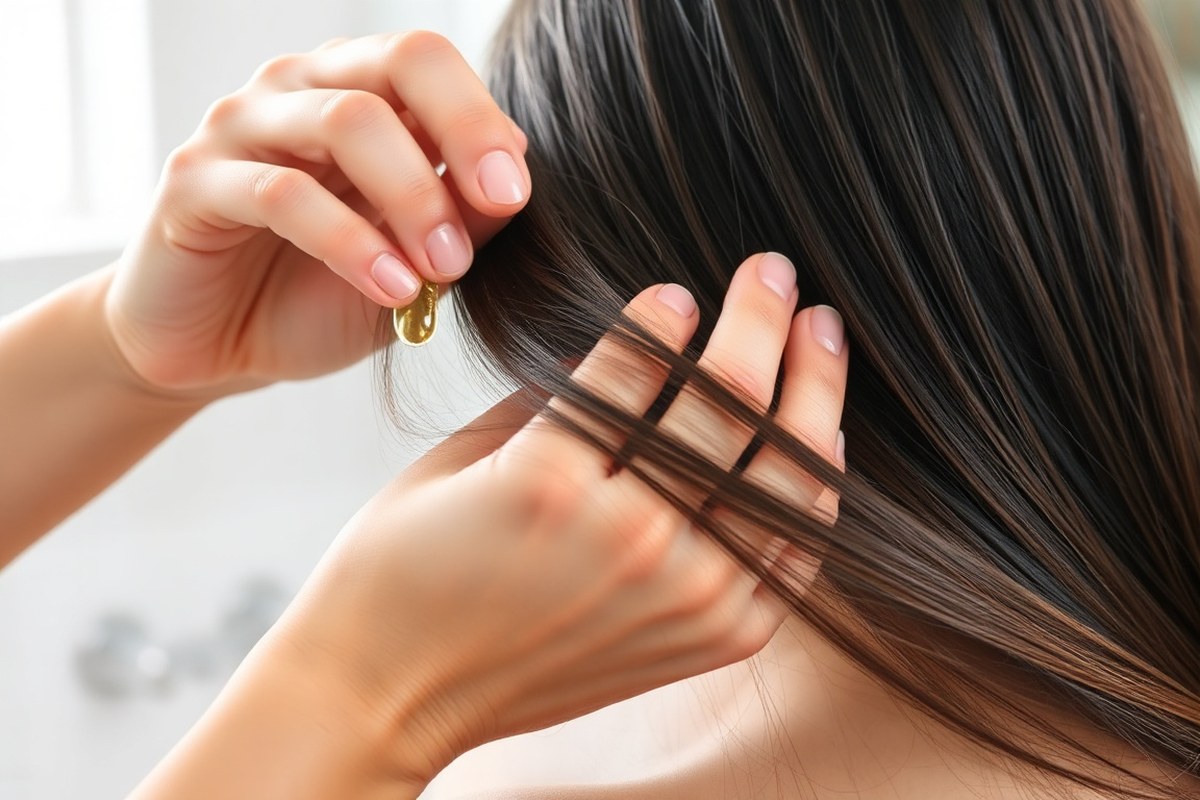
Start with about 1 to 5 drops of oil, depending on your hair length and thickness. Rub your palms together to warm the oil before applying. Warming helps the oil spread evenly and absorb better into hair strands.
Step 2: Section Hair for Even Application
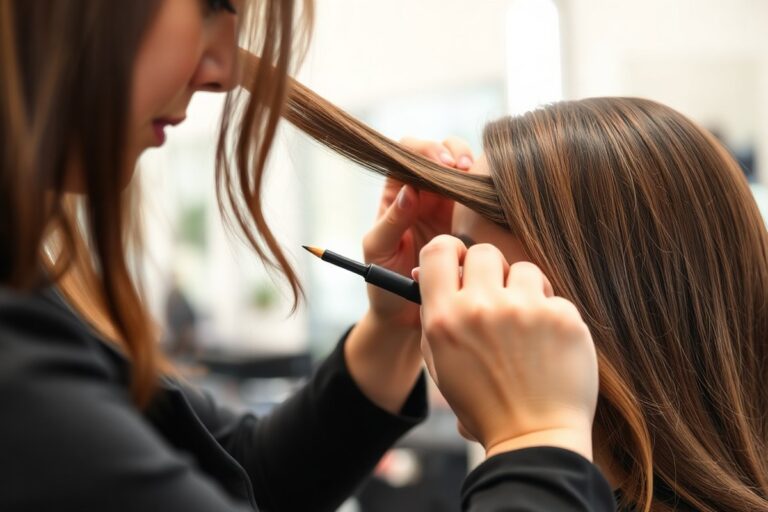
Divide your hair into sections to reach all areas easily. Sectioning prevents missing spots and helps use the right amount of oil. Use clips or your fingers to make 3 to 4 sections for mid-length to long hair.
Step 3: Apply Oil Mid-Shaft to Ends First
Begin applying oil at the halfway point of your hair, moving toward the tips. Skip the roots to keep your scalp from getting greasy. Spread the oil evenly by running your fingers through the strands.
Step 4: Gently Massage Scalp If Needed
To care for your scalp, put 2 to 3 drops of oil on your fingertips. Massage the oil into your scalp gently in small circular motions. This boosts blood circulation and helps the oil nourish the scalp better.
Step 5: Comb Hair to Distribute Oil Evenly
Use a wide-tooth comb or your fingers to spread the oil from scalp to ends. Combing ensures all strands get coated and removes tangles. This step also helps the oil penetrate hair strands more deeply.
Follow these steps for proper hair oil application:
- Warm 1-5 drops of oil between your palms.
- Part your hair into manageable sections.
- Apply oil from hair mid-lengths to the ends.
- Massage scalp oil gently if scalp treatment is desired.
- Comb through your hair to spread the oil evenly.
When and How Often Should You Apply Hair Oil?

Applying hair oil depends on your hair type and what you want to achieve. Dry hair benefits from oiling two to three times a week to restore moisture. Normal or oily hair needs oil less often, like once a week.
Using oil too often can weigh hair down. Stick to a light touch to keep hair fresh.
Apply oil one hour before washing for a deep treatment. This helps the oil sink into hair and scalp.
Use a small amount on damp hair to keep moisture or on dry hair to smooth and shine. Avoid roots unless your scalp feels dry.
Use a few drops of light oil on your ends daily. This keeps hair soft without feeling greasy or heavy. Avoid applying too much to prevent buildup or greasiness.
This works well for most hair types, especially if you fight flyaways or static. Heavy oils or large amounts can cause buildup and make hair look greasy.
Fine or oily hair needs shorter oil treatments, around 20 to 30 minutes, to prevent buildup. Thicker or drier hair can handle oil left on for up to two hours. Leaving oil on overnight works if you wash it out soon after.
Washing next day stops pores from getting clogged. This routine helps prevent scalp problems.
Don’t leave oil on your hair for more than a day. It can cause buildup and scalp problems.
Using the right amount of oil is key. Too much can weigh hair down or make it look greasy.
Start with a small drop and add more only if your hair feels dry or coarse. You’ll see smoother, shinier hair without heaviness when you get it right.
Should Hair Oil Be Applied to Wet or Dry Hair?
You can apply hair oil on both wet and dry hair, but the reason matters. On wet or damp hair, oil helps lock in moisture after washing. On dry hair, it adds shine and controls frizz without weighing hair down.
Applying oil before washing works differently. Use oil as a pre-wash treatment on dry hair to nourish your scalp and protect strands. This method gives your hair a deep boost before shampooing and rinsing.
Most people apply a small amount of oil after showering while hair is still damp. This seals in hydration and softens mid-lengths to ends. You only need a few drops spread evenly to avoid greasiness.
| Application Time | Hair Condition | Purpose | How to Apply |
|---|---|---|---|
| Pre-wash (dry hair) | Dry or damaged scalp | Deep nourishment | Massage into scalp and lengths before shower |
| Post-wash (damp hair) | Damp, freshly washed hair | Seal moisture, soften strands | Apply small amount to mid-lengths and ends |
| Post-wash (dry hair) | Dry hair needing shine | Tame flyaways, boost shine | Use a light touch on ends and frizzy spots |
| Styling finisher | Dry or styled hair | Smooth frizz, add glow | Apply after hair is fully dry, sparingly |
| Overnight treatment | Very dry or damaged hair | Intensive care | Apply generously, leave for several hours or overnight |
Applying oil while hair is wet requires care. Water can repel oil, blocking deep penetration. Use a few drops on damp hair and focus on the ends for moisture sealing.
On dry hair, a small amount of oil brightens dull ends and smooths flyaways. Avoid overdoing it to prevent buildup and heaviness. If your hair is coarse or very dry, oil 2-3 times a week helps maintain softness.
For pre-shampoo care, massage oil on a dry scalp to feed hair follicles. Let it absorb at least 30 minutes before washing. This step can improve hair texture and health over time.
How Long to Leave Hair Oil on for Best Results
Leave hair oil in your hair at least 20 to 30 minutes. This helps your hair soak up moisture and nutrients well. Wrap your hair in a towel or cover it with a shower cap to avoid rubbing the oil off.
For deeper care, try leaving the oil on overnight. Apply a generous amount before bed and cover your hair with a shower cap. Use shampoo and conditioner to wash your hair well the next morning.
This removes extra oil and stops buildup on your scalp. Rinse thoroughly to keep your hair fresh.
It’s safe to leave oil on overnight if you wash it out well afterward. Leaving oil on hair for many days without washing causes greasy scalp. It can also clog your pores, causing discomfort.
Clean your hair regularly to avoid these issues. That can cause irritation and might block your hair follicles.
Choosing the Right Hair Oil for Your Hair Type
Choose hair oil based on your hair type to avoid heaviness or dryness. Lightweight oils suit fine or oily hair best.
Thicker oils help dry or curly hair. Knowing which oil matches your needs keeps your hair soft and healthy without weighing it down.
Oils for Fine and Oily Hair
Fine or oily hair needs something light that won’t clog pores or flatten the style. Argan oil is a top choice here because it nourishes without grease. Grapeseed oil also works well since it feels light and absorbs quickly.
Apply just a drop or two, focusing on the ends to avoid making hair look greasy. Try pre-wash scalp oiling.
Rinse it out well. It won’t leave your hair heavy.
| Hair Type | Recommended Oils | Use Tips |
|---|---|---|
| Fine or Oily Hair | Argan, Grapeseed | Use 1-2 drops on ends; avoid roots |
| Dry or Damaged Hair | Coconut, Castor | Leave oil overnight for deeper nourishment |
| Thick, Curly, or Textured Hair | Coconut, Castor | Heavier oils help lock in moisture and soften |
Too much oil or the wrong one leads to greasy, heavy hair and sometimes scalp irritation. Light oils help you avoid this problem.
Oils for Dry and Damaged Hair
Dry or damaged hair needs richer oils that lock in moisture and smooth the cuticles. Coconut and castor oil are top picks for this because they give deeper conditioning. Leaving the oil on overnight boosts the benefits for very dry strands.
Apply oil mainly to the mid-lengths and ends, where damage tends to show most. Use enough to coat the hair shaft without making it slippery or heavy.
Oils for Thick, Curly, or Textured Hair
Thick or curly hair benefits from heavier oils that provide long-lasting hydration. Castor and coconut oil are effective at softening and defining curls. These oils can help reduce frizz and add a healthy shine.
Apply the oil evenly on your hair. Use it before shampooing or as leave-in.
Both methods work best for results. Avoid overuse to prevent buildup on the scalp.
Safe Essential Oil Additions
Adding essential oils can improve your hair oil benefits. Pick oils that fit your hair type. This makes a big difference.
For example, lavender oil encourages scalp health, and rosemary oil may improve hair strength. Only add a few drops to your base oil to avoid irritation.
Test a small skin patch before regular use. Mixing different oils is safe as long as you don’t overload your scalp or strands. Adjust blends based on how your hair responds.
Use a light hand with oil on dry hair to avoid a greasy finish.
Common Mistakes When Using Hair Oil and How to Fix Them
Using too much hair oil is a common mistake that leaves hair heavy and greasy. Just one or two pumps spread evenly usually work well. Avoid putting oil right on your roots.
Only do this for dry scalp treatment. Too much oil on roots can make them oily and greasy.
Fine hair types should be especially careful to steer clear of the roots. Applying oil to mid-lengths and ends protects damaged areas without weighing strands down. Also, oil buildup happens faster if it sits mostly on the surface instead of absorbing evenly.
- Use a small amount: start with a pea-size or one pump of oil.
- Apply mainly to mid-lengths and ends, not the scalp or roots.
- Distribute oil evenly by using fingers or a wide-tooth comb.
- Avoid applying hair oil on dirty or unwashed hair for best absorption.
- Use hair oil once or twice a week for oily hair, more for dry hair.
- Squeeze out excess water from towel-dried hair before applying oil.
- Choose lighter oils for fine or thin hair to prevent heaviness.
Oil works best on clean, towel-dried hair when moisture is still locked inside strands. Applying too much oil often forces extra shampooing, which can strip hair and dry it out. Instead, let oil soak in by being gentle and precise with your amount and placement.
Incorporating Hair Oil into Styling and Finishing Your Look
You can use hair oil both as a treatment and a styling product. Applying a few drops through damp hair before heat styling helps protect strands and adds shine. This method keeps hair smooth and preps it for your blowout.
After you finish styling, use a light hair finishing oil to tame frizz and boost shine. Take just one or two drops on your palms and gently smooth over your hair’s surface. Avoid using too much oil or your hair might look greasy and heavy.
To balance shine and hold, focus on small amounts and concentrated application. For example, start with half a teaspoon of oil for medium-length hair. Rub the oil between your hands.
Apply it mainly to mid-lengths and ends. These areas show dryness first.
Combine hair oil with a light hairspray for extra hold. The oil adds softness and sheen while hairspray keeps style in place.
Reapply finishing oil sparingly on dry hair during the day. This refreshes shine without making hair heavy.
Use hair oil differently depending on your needs. For daily sleek looks, a single drop works well on dry hair. For thicker, coarser textures, more oil may be needed.
But increase application slowly to prevent buildup. Also, do not apply oil to sweaty or dirty hair, as it can worsen greasiness.
Choose oils with bonding or strengthening ingredients if your hair feels damaged. The Matrix Instacure Build-A-Bond oil has 1 billion bonds per bottle.
It restores damaged strands and adds shine. Such oils improve hair health over time alongside styling benefits.
Hair Oil and Scalp Health: Benefits and Precautions
Hair oil can help your scalp stay healthy and encourage hair growth. It adds nutrients and boosts blood flow right where your hair starts. However, avoid oiling if your scalp is irritated or overly oily to prevent problems.
Benefits for Scalp Nourishment
Oiling your scalp adds vitamins and reduces dryness and buildup. A healthy scalp environment is perfect for hair follicles to grow strong hair. Oils like rosemary and almond can soothe irritation and promote softness.
Massaging oil in also boosts circulation, which supports hair growth. Regular use may help hair look smoother and healthier over time. Remember oil mainly helps the scalp and roots, not changing your natural hair texture.
Tips for Scalp Massage Technique
Use your fingertips, not nails, to gently massage oil into your scalp. This avoids scratching and evenly spreads the oil for better absorption. Keep the pressure light and move in small circles around your head.
Start with a warm oil mix to soothe your scalp and open follicles. You can mix a small amount of conditioner with hot oil for added softness. A good massage only takes a few minutes but doing it nightly helps.
- Warm 1 to 2 tablespoons of your chosen hair oil slightly.
- Section your hair to access the scalp easier.
- Apply oil drop by drop directly onto the scalp.
- Use your fingertips to massage gently in circular motions.
- Work from the front hairline to the back of your head.
- Massage for about 5 minutes, focusing on dry or tight areas.
- Leave the oil on as per your routine or wash it out later.
Never use your nails to massage oil; it can irritate your scalp.
When to Avoid Using Hair Oil on Scalp
Avoid oiling your scalp if it feels greasy or shows signs of irritation. Applying oil on an itchy, flaky scalp can worsen the problem. Skip oil if you have scalp conditions like severe dandruff without dermatologist advice.
Over-oiling can clog pores and cause buildup, reducing scalp health. If your hair gets oily quickly, use oil less often or only on hair shafts and ends. Washing your scalp regularly can help maintain the right balance.
Step-by-Step Action Plan for Using Hair Oil
Start your hair oil routine with clear steps to get healthy, shiny hair. Follow this plan to build it into your daily care.
- Before you start: Pick the right oil for your hair type. Light oils work best for fine hair. Use heavier oils for dry or curly hair. You’ll see better results and less greasiness.
- Day 1 (First application): Apply a small amount of oil to dry hair, focusing on ends. Your hair should feel soft, not oily, after application.
- Day 3 (Check scalp reaction): Gently massage the oil into your scalp. Wait one hour, then wash your hair. No itching or buildup means it’s working well.
- Week 1 (Adjust frequency): Apply oil 2-3 times a week on damp hair before styling. Hair should look smoother and less frizzy.
- After 2 weeks: Try overnight oil treatment once a week. Wrap your hair and wash in the morning. Your hair will feel deeply nourished.
- Week 3 (Incorporate into styling): Add a few drops of oil on dry hair. Use it as the last step in styling. It should add shine without weighing hair down.
- Week 4 (Evaluate and refine): Notice how your hair responds. Adjust how much and when you apply oil based on shine and scalp comfort.
===
Using hair oil right makes your hair softer, shinier, and easier to manage. Start with small amounts and watch your hair change. Try applying oil a few times this week to see your best results.
Frequently Asked Questions
Can Hair Oil Help Reduce Hair Breakage?
Yes, hair oil nourishes and strengthens hair strands to reduce breakage. It helps seal the hair cuticle, which protects hair from damage caused by brushing and styling.
Is It Better to Apply Hair Oil Before or After Shampooing?
Applying hair oil before shampooing gives your scalp and hair deep nourishment. Leaving it on for at least 30 minutes lets the oil penetrate better.
Can Hair Oil Improve Hair Growth?
Hair oil can support a healthy scalp environment, which aids hair growth. Massaging it gently increases blood flow to hair follicles, promoting growth.
Should You Use Hair Oil on Colored or Chemically Treated Hair?
Yes, hair oil helps protect and moisturize treated hair, reducing dryness and breakage. Choose gentle oils made for color-treated hair to avoid buildup.
Can Hair Oil Weigh Hair Down or Cause Greasiness?
Yes, using too much hair oil or the wrong type can weigh hair down. Use just a few drops and select an oil that suits your hair type.
Is It Necessary to Wash Hair After Applying Oil Treatment?
Washing hair after oiling removes excess oil and residue for a clean feel. Shampoo thoroughly to avoid buildup and follow with conditioner if needed.