How to Straighten Hair Safely: 8 Essential Steps for Smooth Results
How to straighten hair without harming it starts with using the right heat. Using a flat iron or blow dryer at the right heat helps. It keeps your hair smooth.
It also makes it shiny. You want to avoid high heat that can burn or dry out your strands.
First, make sure your hair is completely dry before using any heat tool. Wet hair straightening can cause damage and breakage. Also, always spray a heat protectant evenly on dry hair about 6 inches from your head.
Use a brush with natural bristles as you straighten to glide through strands gently. For fine or color-treated hair, keep the flat iron between 280 to 320 degrees Fahrenheit. For thick or coarse hair, set it higher but stay below 450 degrees.
Key Takeaways
- Always dry hair fully before applying heat for straightening.
- Use a heat protectant spray before any heat styling tool.
- Set flat iron heat between 280°F and 320°F for fine hair.
- Adjust heat to 375°F-450°F for thick or coarse hair.
- Brush hair with a natural bristle paddle brush during styling.
- Start drying hair with low heat when it’s 40-50% dry.
1. How to Straighten Hair Step-by-Step with Heat Tools

Straightening your hair at home takes some planning and the right steps. Start by protecting your hair from heat damage with a heat protectant spray. Next, section your hair so you can work through it more easily and evenly.
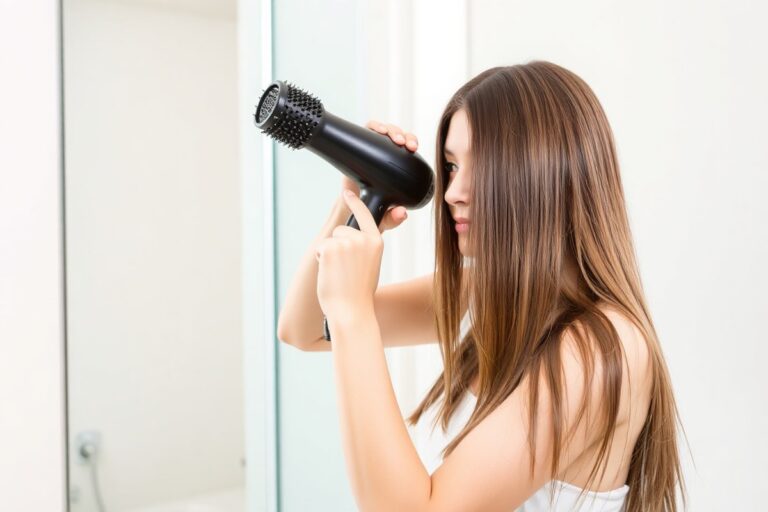
Start drying your hair with a blow dryer on low or medium heat. Stop when hair is halfway dry, about 40-50%.
Use a brush to pull hair tight while drying. Finish each section with a cool air blast to tame frizz and seal cuticles.
- Apply a heat protectant: Spray or comb heat protectant evenly through damp hair. This helps protect your hair from damage during styling.
- Section your hair: Divide your hair into 4 to 6 manageable sections using clips. Smaller sections work best for thick or curly hair.
- Rough dry hair: Blow dry each section using a brush. Stop when hair feels about 40-50% dry. Hold the dryer about 6 inches (15 cm) from hair.
- Finish drying with cool air: Switch to cool air for 10 to 15 seconds after drying a section. This calms cuticles and adds shine to your hair.
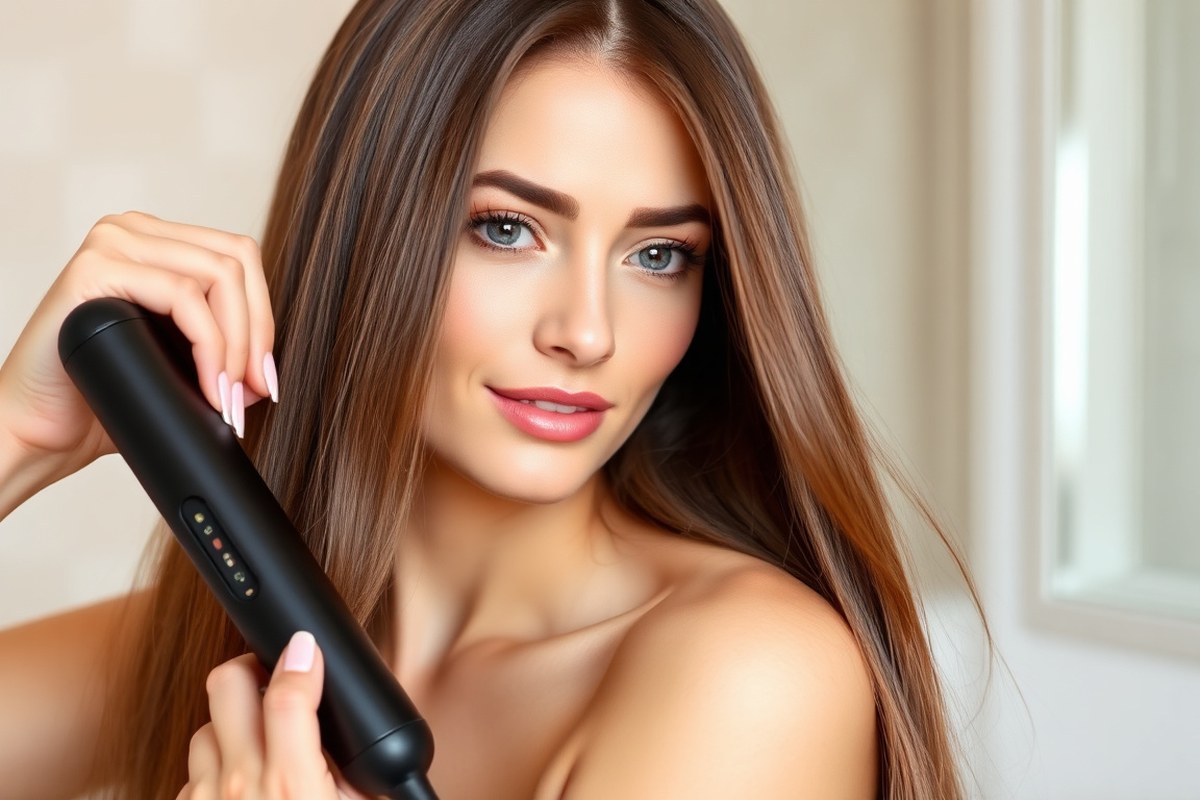
- Straighten with a flat iron: Choose the right temperature for your hair type. Use this setting to straighten your hair safely. Slowly glide it over small sections of hair, about one inch wide.
- Work methodically: Start at the back and move forward. Use smooth, even passes and avoid holding the iron in one spot.
- Apply finishing product: After straightening, use a light serum or shine spray. This reduces frizz and adds smoothness to your hair.
Working in smaller sections helps you straighten hair evenly without going over strands repeatedly. Always keep moving your flat iron to avoid heat damage. Overlapping strokes or using a flat iron that’s too hot can cause dryness or breakage.
Applying the heat protectant before drying and styling forms a barrier on each strand. This step greatly reduces the risk of heat damage from blow dryers or flat irons.
Finishing with cool air seals the hair’s surface for a sleek look and improves shine. You’ll notice your hair feels smoother and looks less frizzy.
2. Choosing the Right Tools and Products for Hair Straightening

Choose a flat iron with adjustable heat settings to match your hair type. Ceramic plates work well for most hair and spread heat evenly. Titanium plates heat faster but suit thick or coarse hair better because they hold high temperatures.
Look for straighteners with added technology like ionic or infrared heat. Ionic straighteners reduce frizz and static by releasing negative ions. Wet-to-dry straighteners let you style damp hair, saving time but require care to avoid damage.
Brushes designed for straightening have heat-resistant bristles and wide, flat surfaces. These help smooth hair without the need for a flat iron. Some straightening brushes also include ionic features to reduce frizz and boost shine.
Heat protectant sprays or serums are essential to shield hair from damage. Pick a heat protectant made for your hair type. Use one for fine hair or curly hair.
Apply it evenly before you start heat styling. Choose a protectant with added ingredients like biotin.
Biotin helps support stronger hair growth. An example is FOXYBAE Cool AF Heat Protectant.
Finishing products like light serums or smoothing creams help maintain your straight style. These products control frizz and lock in moisture for a sleek finish. Avoid heavy oils that can weigh hair down or make it look greasy.
| Tool or Product | Best For | Key Feature | Approximate Price Range |
|---|---|---|---|
| Ceramic Flat Iron | Most hair types | Even heat distribution | $30 – $100 |
| Titanium Flat Iron | Coarse, thick hair | High heat, fast heating | $50 – $150 |
| Ionic Straightener | Frizz-prone hair | Reduces static and smooths | $70 – $130 |
| Heat Protectant Spray (with biotin) | All hair types, growth support | Protects and strengthens hair | $20 – $40 |
| Smoothing Serum or Cream | All straightened hair | Controls frizz, adds shine | $10 – $30 |
Advanced technology tools like ionic or infrared flat irons improve straightening results. They reduce heat damage while keeping hair smooth. These features come at a higher price but can be worth it for frequent styling.
Remember, straightening products and tools only keep hair straight until washing. Use serums and sprays to extend wear and control frizz. Along with the right tools, consistent care helps keep your hair healthy and sleek.
Using a heat protectant spray every time you straighten prevents heat damage over the long run.
3. How to Select and Adjust Heat Based on Hair Type
Choose your flat iron temperature based on your hair type and condition to avoid damage. Fine hair needs the lowest heat, while thick hair can handle higher temperatures. Color-treated or damaged hair requires gentler settings and extra protection products.
Temperature Ranges for Different Hair Types
Fine or thin hair works best with heat set between 200 and 300 °F. Keep the iron temperature in the range of 93 to 149 °C for safety. This temperature is enough to straighten without causing breakage. Medium or normal hair can handle around 300 to 350 °F (149-177 °C) for effective straightening.
For thick, coarse, or curly hair, temperatures between 350 and 400 °F (177-205 °C) work best. These higher temps help smooth stubborn textures faster. Avoid using maximum heat on every day to reduce drying and split ends.
Adjusting Heat for Damaged or Color-Treated Hair
Lower the temperature to between 280 and 320 °F (138-160 °C) for color-treated or damaged strands. These temps limit fading and further damage. Always apply a heat protectant spray or serum before flat ironing for extra defense.
Heat protection is even more important for bleached or chemically treated hair. Apply the product directly before using the flat iron, not just when prepping.
Using too high a temperature can cause breakage and dryness. So choose the lowest setting that still straightens.
Recognizing and Avoiding Heat Damage
Overheating shows up as dry, brittle hair with split ends and frizz that won’t smooth out. You might feel or see increased breakage after straightening.
Your hair might feel rough or look dull sometimes. Lower the iron heat or take breaks from heat styling.
Never use a flat iron on wet or damp hair. The steam inside the strands can cause damage. Always make sure hair is dry before styling.
Dry your hair fully before using your flat iron. Also, keep the iron moving smoothly and don’t clamp too long on one section.
4. Methods to Straighten Hair Without Heat and Their Effectiveness
You can straighten hair without heat using several simple methods. These techniques avoid damage heat can cause and work well for fine to medium hair textures. They usually take longer but keep your strands safer and healthier.
One popular way is using rollers, especially six jumbo plastic ones. Plastic rollers help smooth your hair better than Velcro or foam rollers. After washing, set your damp hair on rollers and leave them in until fully dry.
This may take 3 to 5 hours or overnight. The hair straightening effect lasts 1 to 2 days. It looks natural but softer than heat-straightened hair.
Another method is wrapping your hair around your head. Secure it with bobby pins or clips. This is the “wrap” or “doobie” method.
This works best for straight or slightly wavy hair. Wrap damp hair tightly around your head and cover it with a silk scarf.
Leave it for several hours or overnight. The outcome is flat and smooth hair but may show slight waves on very curly hair.
- Rollers: plastic, jumbo size, sets damp hair, dries for hours
- Hair wrapping: wraps hair flat, needs bobby pins and scarf
- Using straightening serums or creams: apply on damp hair
- Cold air blow drying: blow dry on cool setting with a brush
- Cold wet brushing: brush wet hair downward gently as it dries
- Using wide-tooth comb: slowly comb damp hair to stretch it
Products that support these techniques include straightening serums and creams with smoothing ingredients like silicone. Apply these on towel-dried hair before setting with rollers or wrapping. They help combat frizz and keep strands sleek.
No-heat straightening usually lasts a day or two. It may not fully straighten very curly or coarse hair.
People with fine, wavy, or slightly curly hair see the best results from heatless straightening. Thick or tightly coiled hair often needs heat tools. Professional treatments may be necessary to get fully straight hair.
Heatless methods are gentle but take patience. Use the right products for the best smooth finish.
5. Tips to Avoid Damage and Common Mistakes When Straightening
You should never straighten wet or damp hair. Doing so causes heat to boil the water inside your strands, leading to breakage and frizz. Always wait until your hair is completely dry before styling.
Using heat on wet hair can cause damage. Dry hair protects your strands from burning.
Using too much heat damages the hair cuticle, causing dryness, split ends, and breakage. Limit heat to the lowest temperature that still smooths your hair well.
For fine or damaged hair, 250 to 300°F is usually enough. Thick hair may require up to 400°F. Avoid running the flat iron repeatedly over the same section to prevent extra damage.
Overusing straightening tools is a common mistake. Straightening daily exposes your hair to constant heat stress and stripping of natural oils. Try to straighten your hair two or three times a week.
Always apply a heat protectant spray or serum before styling. This helps prevent heat damage. These products help seal the cuticle and lower frizz.
- Make sure hair is dry before straightening
- Use a heat protectant every time
- Adjust heat based on your hair type
- Straighten small sections to avoid repeated passes
- Limit straightening to a few times weekly
- Avoid using heavy styling products that cause buildup
- Do a quick blow-dry on damp hair before straightening
Uneven straightening or frizz often happens from rushing or using too large sections. Dividing your hair into small, even parts helps iron glide smoothly. Working in sections the size of your finger prevents having to go over hair multiple times.
Frizz can also show if your hair is over-dried. So hydrate it regularly with light conditioning products.
Never straighten hair that feels damp; it’s the fastest way to damage.
Also, avoid using chemical straighteners too often. They weaken hair proteins and cause breakage over time. Notice brittle or uneven hair after straightening?
Take breaks from heat styling. Use deep conditioning treatments to restore moisture and strength.
6. How Long It Takes to Straighten Hair and What Affects Timing
Straightening hair usually takes between 30 minutes and 4 hours. The time depends mostly on your hair’s length, thickness, and type.
Short hair can take around 30 minutes. Thick or long hair may need up to 4 hours to get fully straightened.
Hair type affects timing because curly or kinky hair needs more passes with a straightener. Fine, straight hair takes less time since it requires less heat and fewer sections. Coarser hair types mean you have to work slower to avoid missing spots and prevent damage.
Starting with dry hair speeds up the process. You can air dry. But that might take an hour or more depending on your hair’s density.
Using a blow dryer until your hair is about 80% dry saves time. This method cuts your styling time significantly. It also helps protect your hair from heat damage.
Proper preparation also matters. Applying heat protectant sprays helps you use higher temperatures safely, making straightening more efficient. Break your hair into smaller sections for even straightening.
This method stops you from hitting the same spots repeatedly. It helps every strand get the heat it needs.
You can safely speed up straightening by working in layers and not overloading your flat iron. Avoid rushing or redoing sections immediately.
That causes extra heat damage and frizz later. Taking your time in a structured way keeps hair healthier and stays straighter for longer.
7. Maintaining Straight Hair and Protecting It from Frizz
To keep your hair straight longer, use gentle care every day. Choose products made for your hair type. Good sleep habits also help reduce frizz.
How often you touch up depends on your hair type. Your daily activities also change how often you need touch-ups.
Try to do them every two to three days. Using smoothing products and protecting hair from humidity are key.
Daily Care Routines for Straight Hair
Brushing your hair gently with a wide-tooth comb helps avoid breakage and keeps strands smooth. Avoid harsh brushing, especially when hair is wet, since that causes frizz and damage.
Moisturizing your hair daily with lightweight leave-in conditioners prevents dryness and flyaways. Applying a small amount of anti-frizz serum seals the hair cuticle to maintain a sleek look.
- Use wide-tooth combs or soft-bristle brushes.
- Apply leave-in conditioners on damp hair.
- Use pea-sized droplets of smoothing serum or oil.
- Avoid washing hair too often to retain moisture.
- Pat hair dry with a microfiber towel instead of rubbing.
- Minimize exposure to humidity and sweat.
These habits help hair keep its straight shape and look fresh between washes. Overbrushing or skipping moisturizing can cause frizz or dryness quickly.
Products to Use for Longer-Lasting Straightness
Smoothing serums and spray-on conditioners with keratin are your best friends. They coat each strand, giving weight and protection from moisture, which battles frizz.
Look for products labeled as smoothing or anti-frizz. Many contain ingredients that add moisture and help hair dry straight. For example, AVEDA Smooth Infusion™ is a plant-based style prep.
It can protect your hair even in humid weather. This helps your style last longer.
Try these products to maintain sleek hair without extra heat:
- Leave-in smoothing conditioner
- Keratin-infused hair serum or oil
- Anti-humidity hairspray
- Heat protectant sprays with moisturizing agents
- Straightening balms for thick or curly hair
The right products block humidity from your hair. This keeps your hair straight longer. It can extend your style into the next day or two.
Protecting Hair Overnight
How you sleep matters a lot for keeping straight hair. Use a silk or satin pillowcase to reduce friction that causes frizz and breakage. Cotton pillowcases pull hair and disrupt straight styles.
Tying your hair loosely or wrapping it in a silk scarf also prevents tangles. Avoid tight hair ties that create dents or break strands. Try this simple bedtime routine:
- Switch to a silk or satin pillowcase.
- Wrap hair in a silk scarf or use a loose bun.
- Remove clips carefully before bed and re-secure the scarf.
- Avoid sleeping with wet hair to prevent frizz.
These steps help hair stay smooth and shiny. So you reduce the need for early morning touch-ups.
8. When to Seek Professional Hair Straightening Treatments
Professional hair straightening treatments offer longer-lasting results and smoother hair compared to home methods. They are best for curly, wavy, or coarse hair that needs more than just heat styling. You should consider professional options for a lasting hair change.
Experts provide careful application and safety checks. They help make the process safer and more effective.
Types of Professional Straightening Treatments
Keratin treatments use small amounts of formaldehyde to smooth the hair shaft. These help reduce frizz and make curls looser but don’t fully straighten extremely curly hair. Chemical relaxers break down bonds in your hair.
They permanently straighten tight curls and coils. This method offers a bigger change than keratin treatments.
Thermal straightening applies heat combined with chemicals to lock in straight styles. Each method suits different hair types, keratin is better for wavy or slightly curly hair.
Relaxers work best on very curly or coarse textures. You’ll see results last until your new hair grows out.
Safety and Maintenance for Chemical Straightening
After chemical treatments, keep your hair dry. Avoid washing your hair for at least 72 hours. This protects the new texture from damage.
Wearing a silk or satin scarf at night helps prevent frizz and damage. Touch-ups are needed every 6 to 12 weeks.
Your natural hair growth will show roots with original curl. Regular touch-ups keep your hair looking consistent.
Chemical relaxers and keratin treatments contain harsh ingredients. So a licensed professional reduces risks like scalp burns and damage. Overdoing treatments can weaken your hair.
So you should wait at least two to three months between sessions. Follow all aftercare instructions your stylist gives to maintain healthy hair.
Don’t wash or wet your hair for 72 hours after a chemical straightening treatment. This helps set the new structure and keeps hair smooth.
When to Choose Professional over At-Home Methods
Seek professional treatments if your hair is very curly or coarse. Also consider professionals if your hair resists heat styling. They can handle tough hair textures.
Professionals use safer chemical applications than home kits. They can fix uneven curls or frizz better.
Home tools often can’t handle these problems. Also consider professionals for long-lasting results and if you want to avoid frequent straightening sessions.
At-home heat tools work well for quick styling changes. They provide mild smoothing without the need for chemicals. Perfect for easy and fast results.
Avoid chemicals at home if your scalp is sensitive or hair is damaged. A stylist can check your hair’s health first.
Then they’ll suggest the best straightening method. They also give aftercare tips for your hair type.
Step-by-Step Action Plan to Straighten Hair Safely
Follow this simple plan to straighten your hair without damage. Each step helps you get smooth hair that lasts.
- Before you start: Wash and condition your hair with smoothing products. Your hair should feel soft and ready for styling.
- Right after drying: Apply a heat protectant spray evenly. Check that your hair feels light, not sticky or heavy.
- First straightening pass: Set your tool to the right heat for your hair type. Hair feels straighter and smoother after one section.
- During styling: Straighten hair in small sections slowly. Each section should look sleek and not frizzy when done.
- After straightening: Use a finishing serum or light oil. Your hair should feel soft, shiny, and not greasy.
- Next day: Refresh with a dry shampoo or anti-frizz spray. Hair looks neat without needing full restyling.
- After one week: Deep condition your hair once to repair any damage. Hair feels stronger and easier to manage.
- Weekly check: Avoid heat styling more than twice to protect your hair. Healthier hair holds straight styles better over time.
Frequently Asked Questions
How Do I Prepare My Hair Before Straightening for the Best Results?
Wash and condition your hair first, then towel-dry it until damp. This makes the hair easier to straighten evenly and reduces heat damage risk. Comb through thoroughly to remove tangles and section it for complete coverage.
Can I Use Natural Oils to Protect My Hair During Heat Straightening?
Yes, applying natural oils like argan or coconut oil helps protect and moisturize your hair. Use a small amount on damp hair before heat styling to reduce dryness and prevent breakage. Avoid heavy oils that can weigh hair down.
How Often Should I Wash My Hair After Straightening It?
Wash your hair every 2 to 3 days after straightening. This keeps it clean. It also prevents drying out.
Washing too often strips natural oils from your hair. That can cause frizz or brittleness. Use dry shampoo to space out washes.
What Are Signs That My Hair Is Too Damaged from Straightening?
Signs include excessive split ends, dryness, brittleness, and hair breaking off easily. Notice damage? Cut back on heat styling.
Use deep conditioning treatments. Give your hair breaks from straightening.
Are There Any Specific Combs or Brushes That Work Best for Straightening?
A fine-tooth comb works great on damp hair to detangle and help straighten strands. For dry hair, use a paddle brush with heat-resistant bristles.
It smooths hair during blow-drying. This helps achieve a sleek finish.
Can I Straighten Just a Small Section of Hair Without Doing the Whole Head?
Yes, you can straighten just one portion, especially for touch-ups or framing your face. Section carefully and apply heat evenly to avoid uneven texture or visible damage. Always use heat protectant on targeted areas.
Key Points to Remember
Straightening hair well depends on right tools and good care. Take your time learning what works for your hair type. Start with the protectant spray today to keep your hair safe and smooth.