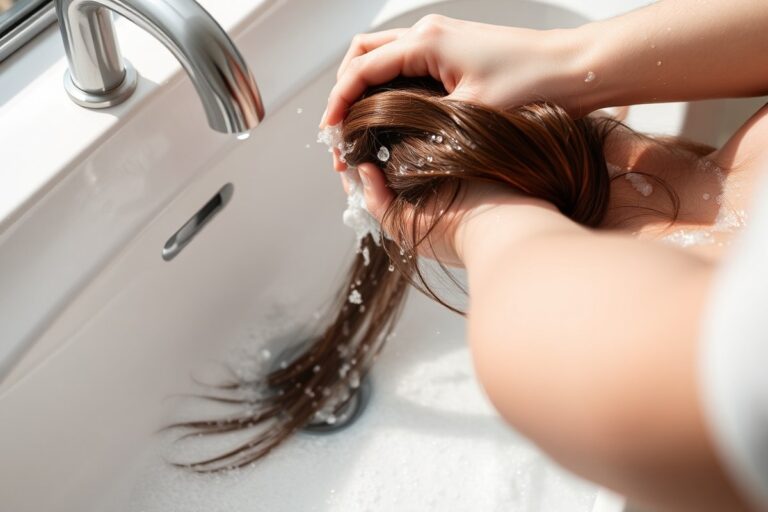
How to Moisturize Hair: 8 Essential Steps for Softer, Healthier Strands
Learning how to moisturize hair helps fix dryness and keeps strands soft. Start by applying a good moisturizer to damp hair after washing. This seals in water and prevents your hair from drying out fast.
Use a conditioner that fits your hair type well. Leave it on for 15 to 20 minutes. Rinse thoroughly after the time is up.
Moisturizing fully means working from roots to ends, focusing on the driest parts. Avoid over-washing since that strips natural oils and leads to more dryness.
Regularly adding deep conditioning treatments can bring back moisture to damaged hair. Rinse these treatments out well within 30 to 40 minutes. Leaving them on longer can cause scalp problems.
Follow the timing to protect your scalp. Consistency matters, so do these steps 2 to 3 times a week for the best results.
Key Takeaways
- Apply moisturizer on damp hair to lock in hydration effectively.
- Leave conditioner on hair for at least 15 minutes for deep moisture.
- Focus moisturizing efforts on the driest ends of your hair.
- Over-washing hair can remove natural oils and cause dryness.
- Use deep conditioning treatments twice or thrice a week for better results.
- Rinse out deep conditioners within 30 to 40 minutes to avoid scalp problems.
1. How to Moisturize Hair Effectively Step-by-Step

Moisturizing your hair works best when done right after washing while strands are still damp. Damp hair helps products spread evenly and soak in better. Start with clean hair using a moisturizing shampoo and conditioner suited to your hair type.
Locking in moisture means layering the right products. You must also give conditioners or masks enough time to work. This helps your hair absorb hydration well.
Leaving deep conditioners on for 30 minutes helps nourish hair. For extra dry or damaged hair, masks should stay on longer.
Leave them for an hour or even overnight. This boosts moisture and softness deeply.
Here’s a simple step-by-step routine to moisturize hair properly and keep it hydrated daily.
- Wash your hair gently. Use a sulfate- and silicone-free moisturizing shampoo. These cleanse without stripping natural oils.
- Apply conditioner. Spread a rich conditioner or hydrating treatment all over damp hair. Leave it on for 3 to 5 minutes then rinse.
- Add a deep conditioner or mask. Use this once or twice a week. Apply on damp hair and leave for at least 30 minutes before rinsing.
- Pat hair dry carefully. Use a microfiber towel or cotton T-shirt to squeeze out excess water. Avoid rubbing, which causes breakage.
- Apply a leave-in moisturizer or hair serum. Focus on mid-lengths and ends to prevent dryness and frizz. Use a small amount to avoid weighing hair down.
- Seal moisture with a light oil or cream. Oils like argan or murumuru butter lock in hydration and add shine. Apply while hair is still damp or dry.
- Limit heat styling. Using tools less often helps maintain moisture levels. When you do use heat, apply a heat protectant first.
- Repeat moisturizing products as needed.For very dry hair, reapply leave-ins or oils daily. You can do this every other day to keep strands soft. This routine helps protect your hair.
This routine takes about 10 to 15 minutes without a deep mask. Using a deep treatment makes it take longer.
Adjust your time based on what your hair needs. Products with nourishing ingredients like collagen, peptides, or niacinamide help strengthen hair while moisturizing.
Pay attention to your hair’s response. Increase how often you use masks or oils if dryness continues. Try this after two weeks of your current routine.
This helps improve your hair’s condition. Avoid overloading with heavy products if your hair is fine or straight. Lighter products prevent limpness while still providing moisture.
2. Common Causes of Dry Hair and Loss of Moisture

Dry hair happens when it loses too much moisture. Some hair types are naturally drier due to genetics. Often, dry hair results from heat styling, chemical treatments, or overwashing that strip moisture away.
Heat tools like flat irons, blow dryers, and curlers remove water from your hair shaft. Using them too often makes hair dry and brittle. Always use a heat protectant spray before styling to reduce moisture loss and damage.
Chemical treatments such as coloring or perms open the hair cuticle. This lets moisture escape and makes hair dry over time. Avoid frequent chemical treatments or space them out to help hair retain moisture longer.
Environmental factors also cause dryness. Sun exposure, wind, pollution, and hard water can weaken the hair cuticle. These conditions let water evaporate quickly, leading to frizz and dryness.
Rinse hair with cool water after washing to help close the cuticle and lock in moisture.
Hard water contains minerals like calcium that build up on hair. This buildup prevents moisture from penetrating strands properly. Installing a water softener or using chelating shampoos can ease mineral buildup and improve hydration.
Overwashing strips natural oils that protect your hair. Washing your hair two to three times a week is ideal. Use a gentle shampoo to avoid stripping natural oils.
This helps keep your hair’s moisture balanced. Use lukewarm or cool water instead of hot water to avoid drying your scalp and strands.
3. How Hair Type Affects Moisturizing Needs and Product Choices
Your hair type changes how you should moisturize and what products to pick. Curly, fine, thick, and straight hair all need different methods and ingredients. Knowing this helps you avoid weighing down your hair or leaving it dry.
Moisturizing Curly and Textured Hair
Curly and coily hair often feels dry since natural oils can’t travel easily down twists. Using hydrating shampoos with natural oils and co-washing with deep conditioners helps add moisture. Apply moisturizing products every 7 to 10 days or more if your hair feels very dry.
Curly hair benefits most when you focus on water, humectants, and sealants together. Use products that combine these to keep curls flexible and soft.
Avoid piling on too many products at once. It won’t improve hydration and may lead to buildup.
Hydrating Fine and Straight Hair
Fine and straight hair gets oily faster because sebum spreads quickly from root to tip. Lightweight, sulfate-free shampoos and conditioners keep your hair clean without weighing it down. These hair types need moisturizing just once or twice weekly.
Too much can cause buildup. It also makes strands limp.
Choose hydrating products with light ingredients designed for fine hair. Avoid thick creams or heavy oils since they can weigh your hair down. Focus on conditioners that add moisture and shine without leaving residue.
Caring for Thick, Coarse, and Mature Hair
Thick or coarse hair usually gets dry and rough when it lacks moisture. Full, rich conditioners and deep moisturizing masks can restore softness and manageability. Very dry or coarse hair may need moisturizing daily.
Sometimes every other day works. Frequent treatments help manage dryness.
Use heavy oils like coconut oil as pre-shampoo treatments to improve moisture absorption. Applying moisturizer from ends upward helps target the driest parts. Thick hair requires more product but also thorough rinsing to avoid buildup.
Use this table to guide your product choices and moisturizing frequency based on your hair type:
| Hair Type | Recommended Products | Frequency |
|---|---|---|
| Straight Hair | Lightweight, sulfate-free shampoos | 2, 3 times per week |
| Curly Hair | Hydrating shampoos with natural oils | Weekly |
| Coily Hair | Co-washing with deep conditioners | Every 7, 10 days |
Adjust how often you moisturize depending on dryness and hair condition. Use heavier products less often if your hair feels greasy. For very dry hair, increase moisture with richer formulas and more frequent use.
4. Deep Conditioning Treatments: How They Restore Moisture
4. Deep Conditioning Treatments: How They Restore Moisture
Deep conditioning adds moisture by soaking your hair with nourishing oils and proteins. It helps restore hydration lost from heat, styling, and environmental factors. Doing a deep treatment once a week keeps your hair soft and healthy.
Selecting a Deep Conditioner or Hair Mask
Choose a product rich in oils and proteins to feed your hair moisture. Look for ingredients like coconut oil, honey, and aloe vera, which are proven hydrating agents. For curly or thick hair, pick heavier masks to deeply penetrate and seal the cuticle.
Some products, like Briogeo’s Rosarco™ Repair Conditioner or Color Wow’s Money Mask, work well. You can also try overnight masks if your hair is very dry or damaged.
Step-by-Step Application and Timing
Apply the mask to clean, damp hair to let moisture soak in fully. Focus on mid-lengths and ends, where dryness shows up most.
Let it sit for at least 30 minutes for best results. This gives the ingredients time to penetrate deeply.
- Start by washing your hair with a mild, moisture-friendly shampoo.
- Towel dry to remove excess water but keep hair damp.
- Scoop out a generous amount of deep conditioner or mask.
- Work the product evenly through your hair, focusing on dry areas.
- Cover your hair with a shower cap to trap heat and boost absorption.
- Leave the mask on for 30 minutes; extend to overnight for extra dry hair.
- Rinse thoroughly with lukewarm water to remove all residue.
Post-Treatment Care for Long-Lasting Hydration
Use light oils or leave-in conditioners to seal moisture after rinsing. This step helps prevent water loss throughout the day, keeping strands soft longer. Avoid heat styling right after; let your hair air dry when possible.
People with curly or thick hair might need weekly deep conditioning for several weeks. Less dry hair can get by with treatments every 10 to 14 days. Watch your hair’s texture and adjust treatment frequency if it feels greasy or weighed down.
5. Natural Oils and DIY Masks That Moisturize Hair Safely
Natural oils like coconut oil, avocado oil, olive oil, and shea butter moisturize hair effectively. These oils help restore the hair’s lipid layer, protecting and sealing in moisture. Honey, glycerin, and aloe vera help hydrate your hair well.
You can add them to homemade masks for extra care. They boost your hair’s conditioning power.
Mix two tablespoons of avocado oil with one tablespoon of honey. Add two tablespoons of aloe vera gel. Stir well for a simple moisturizing mask.
Apply the mix from mid-length to ends gently. Don’t put heavy oils straight on your scalp if it’s oily.
This can clog pores and cause irritation. Be gentle to avoid scalp problems.
When applying homemade masks, do a patch test 24 hours before use. After 20 to 30 minutes, rinse the mask with cool water. Cool water helps avoid heat damage.
It also prevents scalp irritation. Masks with raw egg or dairy should not stay on overnight.
They can lead to bacteria growth. This can cause scalp issues too.
Leaving oils on all night works if your hair is dry. Avoid this if your scalp is oily or damp. It can cause scalp problems.
Oils on dry hair overnight keep moisture locked in. On damp hair, oils can trap sweat. This may lead to dandruff.
Apply oils after washing your hair for a quick boost. Wrap your hair with a silk scarf to keep oil off sheets. This protects both your hair and bedding.
Curly or coily hair makes it harder for natural oils to spread. This can leave hair drier than straight hair. So, adjust your oil use.
Use a bit more oil for curly hair to lock moisture. Mix in glycerin to help your hair absorb moisture better.
These steps keep your hair hydrated. Applying warm oil before washing can also help by softening and penetrating strands better.
Never leave raw food-based masks on your hair overnight to avoid scalp infections or bad smells.
6. How to Maintain Moisture Daily and Protect from Damage
Keeping hair moisturized daily starts with gentle care and the right products. Avoid washing your hair too often, as frequent shampooing strips natural oils. Wash your hair two to three times a week to retain moisture.
Heat styling tools dry out hair by damaging its protein structure. Limit heat use to once or twice a week.
Always spray on a heat protectant before styling. Using heatless styles like braids or rollers helps you avoid dryness and breakage.
Cold water rinses smooth the hair cuticle, which helps lock in moisture. After washing, rinse with cool water for 30 seconds. Using a lightweight serum or leave-in conditioner seals hydration and adds shine without weighing hair down.
- Wash hair 2-3 times weekly with a gentle shampoo
- Use a heat protectant spray before any heat styling
- Try heatless styling methods such as braids and rollers
- Rinse hair with cold water for 30 seconds after washing
- Apply a lightweight serum or leave-in conditioner daily
- Comb wet hair with a wide-tooth comb to prevent breakage
- Use UV protectant sprays in the sun to prevent moisture loss
Comb your hair when wet using a wide-tooth comb. This lowers the risk of breakage and helps keep moisture in.
UV protectant sprays shield hair from sun damage that causes dryness. So apply them on sunny days.
Adjusting these daily habits takes little time but improves your hair’s moisture level noticeably. You’ll get less breakage and fewer flyaways with daily care.
7. How to Moisturize Protective Styles and Special Conditions
Moisturizing hair under braids, wigs, or other protective styles needs extra care. You want to keep your scalp healthy and avoid dryness or breakage. Special hair types or scalp conditions call for targeted products and routines.
Moisturizing Braids, Twists, and Protective Styles
Protective styles like braids and twists make washing less frequent. This can lead to scalp dryness. You need to check your scalp more often.
Spray your scalp and hair lightly with a water-based leave-in conditioner every 2 to 3 days. This keeps moisture in without soaking the style or risking mildew.
Add natural oils like jojoba or argan oil sparingly to your scalp for extra hydration. Use a small amount of product about the size of a dime. This helps avoid buildup.
Buildup can clog pores and cause irritation. Cover your hair with a satin scarf at night to lock in moisture.
Care for Color-Treated and Mature Hair
Color-treated hair often feels drier because bleach and dye strip natural oils. Pick shampoos and conditioners for color-treated hair. Look for moisturizing ingredients like shea butter or coconut oil.
These help keep your hair hydrated. These help restore moisture and prevent the hair shaft from breaking.
Mature hair tends to lose moisture and become fragile with age. Look for products that include squalane or moringa oil for deep hydration. Apply a light leave-in moisturizer daily and avoid heavy creams that weigh hair down.
Addressing Scalp and Breakage Issues
A dry scalp can cause flakes, itching, and hair breakage. Use gentle cleansers free from harsh sulfates to avoid stripping your scalp’s natural oils. Use scalp treatments with tea tree or salicylic acid.
These work well for seborrheic dermatitis and psoriasis. Apply as directed to soothe your scalp.
For hair prone to breakage, focus on moisturizing the ends where damage starts. Use a lightweight oil or cream after washing and gently detangle to reduce snapping. Avoid heavy gels or heat styling products that dry and weaken the hair over time.
8. Common Moisturizing Mistakes and How to Fix Them
Using too much product can weigh hair down and make it look greasy, not moisturized. A good rule is to use a dime-sized amount of moisturizer.
Use that for short hair and more for longer hair. Apply it evenly, focusing on dry ends, not the scalp.
Choosing the wrong product also causes dry hair. Many skin moisturizers contain ingredients that can build up or irritate your scalp. Use hair products made for your hair type instead.
Run out of hair moisturizer? A tiny bit of skin moisturizer on your ends can help for now. But don’t make it a habit.
Poor technique often means hair feels dry despite regular moisturizing. Hair likes to be damp when you apply moisturizers, so spritz with water first. Then seal in moisture with a light oil.
Your hair feels greasy but dry. You likely need to clarify gently and change your routine.
Hair stays dry or brittle no matter what? Time to see a professional for advice. A stylist can suggest products suited to your hair’s specific needs.
Sudden major changes in your hair’s texture may signal a health issue. So a check-up with a healthcare provider is a good idea.
Start with a small amount of hair moisturizer. Add more only if you really need it to avoid build-up and grease.
Step-by-Step Action Plan to Moisturize Your Hair Starting Now
Follow these clear steps to bring moisture back to your hair quickly. Check your hair’s softness and shine to track your progress.
- Day 1: Wash your hair with a gentle, sulfate-free shampoo. Notice if your scalp feels clean but not dry.
- Day 1 (after washing): Apply a deep conditioning treatment. Leave it on for 20 to 30 minutes as the product directs.
- Day 2: Use a leave-in conditioner right after towel-drying your hair to lock in moisture.
- Days 3 to 5: Moisturize every day using a water-based spray. Next, seal moisture with a natural oil like jojoba or coconut.
- Week 1: Avoid heat styling tools and limit washing to retain natural oils. Look for less frizz and more softness.
- Week 2: Use a DIY hair mask with honey once this week. Or try avocado for a hydration boost.
- Week 3: Reassess your products based on how your hair feels. Switch if your hair feels heavy or still dry.
- After 4 weeks: Maintain this routine or adjust based on results. Softer, shinier hair means you are on the right track.
Frequently Asked Questions
What’s the Best Way to Moisturize Hair Without Washing It?
Use a leave-in conditioner or a lightweight oil on damp hair. It adds moisture and protects hair between washes.
Can Diet Affect How Well My Hair Stays Moisturized?
Yes, eating foods rich in fats and proteins helps keep hair hydrated. Eggs and nuts are good examples that nourish hair from inside.
Are Leave-In Conditioners Better Than Regular Conditioners for Moisture?
Leave-in conditioners provide ongoing moisture throughout the day. Regular conditioners rinse out quickly and only hydrate temporarily.
How Often Should I Moisturize My Hair to Prevent Dryness?
Moisturize your hair every time it feels dry or before styling. Daily light moisturizing works well for many hair types.
Can Hair Sprays or Styling Gels Contribute to Hair Dryness?
Some styling products contain alcohol, which dries hair out. Look for hydrating formulas to avoid stripping moisture.
Does Water Temperature During Washing Affect Hair Moisture?
Yes, hot water can strip natural oils, making hair dry. Use lukewarm water to help retain moisture in your hair.
Key Points to Remember
Moisturizing hair the right way brings back softness and shine. Start with simple steps, like deep conditioning and daily hydration.
Keep a close eye on your hair’s feel. Don’t hesitate to adjust your routine as needed.