How to Help Dry Scalp: 8 Proven Ways for Fast Relief and Prevention
Figuring out how to help dry scalp means acting fast but gently. Use soothing oils and mild shampoos to ease dryness and irritation. Massaging oils like coconut or aloe vera into your scalp can calm itchiness and add moisture.
Omega-3 fatty acids from foods or supplements also support scalp health from the inside out. Avoid harsh chemicals and over-washing since they can make dryness worse. Stick to gentle care and hydrate to see quick relief.
Start by washing your hair 2 to 3 times a week with a nourishing, chemical-free shampoo. Cold weather lowers your skin’s moisture by up to 25%.
This is why seasonal changes matter. You should adjust your skincare routine accordingly.
Key Takeaways
- Massage coconut or aloe vera oil into your scalp for 10 to 20 minutes before washing.
- Eat omega-3 rich foods like salmon, chia seeds, or walnuts for internal scalp support.
- Choose dye- and chemical-free shampoos to reduce scalp irritation and dryness.
- Limit hair washing to 2 or 3 times per week to avoid stripping natural oils.
- Be extra gentle in colder months because your skin can lose up to 25% more moisture.
- Stop using harsh styling products that can worsen dryness and irritation.
1. How to Help Dry Scalp Quickly and Safely

To relieve dry scalp fast, start by hydrating your skin. Use gentle products that soothe. Avoid harsh chemicals that can make it worse.
Using a gentle, moisturizing shampoo and topical oils can help balance moisture and reduce itchiness. Applying treatments overnight lets your scalp soak in the benefits without interruption.
Dandruff shampoos can be used if you also have flaky scalp. But avoid strong formulas if your scalp is only dry. Harsh shampoos strip natural oils, making dryness worse.
Oils like coconut, tea tree, or olive help your scalp. Use just a small amount for best results. These oils soothe and add moisture.
Here’s a simple routine to soothe your dry scalp fast:
- Choose a gentle, moisturizing shampoo. Avoid dandruff shampoos unless you have flakes. Use lukewarm water to rinse.
- Apply a few drops of coconut or olive oil. Part your hair in sections and massage gently onto your scalp. Leave it on for 20 to 30 minutes.
- Rinse with lukewarm water. Use a soft shampoo rinse if you applied oil. Avoid hot water to prevent further dryness.
- Use a hydrating scalp mask overnight once or twice a week. Warm a small amount of oil and apply it evenly to your scalp before bed. Cover your hair with a shower cap to protect pillows.
- Wear breathable fabrics while sleeping. Cotton pillowcases help prevent irritation that worsens dryness.
- Include foods rich in Omega-3. Fish like salmon or supplements support scalp health from inside.
- Limit hair washing to 2-3 times a week. Too much washing strips away natural oils and dries your scalp faster.
Following this process should ease itching and tightness within a few days. Your scalp may stay flaky and irritated. Stop using dandruff shampoos.
Talk to a professional for better treatment. Use oils properly by not putting on too much.
Too much oil can cause buildup on your scalp. Buildup may block your pores and cause problems.
2. What Causes Dry Scalp and How to Identify It

Dry scalp happens when your scalp loses moisture. This can happen from weather changes or washing with hot water. Hair products with harsh chemicals also cause it.
These are all common reasons for scalp dryness. Internal causes include dehydration or certain health conditions like eczema or psoriasis. These internal and external factors can dry out your scalp and cause itching or flaking.
It’s important to tell dry scalp apart from dandruff. Dry scalp flakes look small and powdery. Dandruff flakes tend to be larger and oily.
Dandruff is often due to a yeast-like germ that grows on oily scalp areas. Dry scalp means your skin loses oil and water.
The skin feels tight and looks flaky. This differs from other scalp issues.
Some health problems can also cause dry scalp. Issues like atopic eczema or seborrheic dermatitis bring inflammation that makes flaking worse. Fungal infections such as tinea capitis might also cause scalp dryness.
Actinic keratosis is a rough, scaly patch on the scalp. It happens from sun damage and feels dry. It needs medical care to avoid skin cancer.
To decide what you’re dealing with, check the flakes closely. Dry, tiny flakes usually mean you have dry scalp. Oily or large flakes might mean dandruff or another scalp condition.
Know your scalp issue to choose the right treatment. Dandruff shampoos can dry out some scalps more. Pick what suits your condition best.
Use a gentle shampoo and avoid hot water to protect your scalp’s natural moisture.
3. Choosing the Right Products for Dry Scalp Care
Choose shampoos and conditioners with moisturizing ingredients. Avoid harsh sulfates, drying alcohols, and strong fragrances. Oils and natural remedies can soothe and add moisture.
Best Shampoo Ingredients for Dry Scalp
Look for shampoos containing glycerin, ceramides, and oat kernel extract. These ingredients help lock in moisture and calm your scalp. Hydrating formulas prevent irritation and flaking better than regular shampoos.
Shampoos made without sulfates avoid stripping scalp oils. For example, Dove Scalp + Hair Therapy Hydrating Shampoo cleanses gently without drying out your skin. These products often cost between $8 and $15 and work well for everyday use.
Effective Oils and Natural Scalp Remedies
Natural oils like coconut or olive oil add moisture when massaged into your scalp. Use about a teaspoon on clean, dry skin and leave it for 20 minutes before washing. Tea tree oil soothes irritation.
It helps unclog hair follicles. Always dilute it to avoid irritation.
Aloe vera gel can calm itchiness and reduce dryness. Apply a small amount to your scalp, wait 15 minutes, then rinse. Apple cider vinegar works as a rinse when diluted with water.
It restores scalp pH. It also reduces flakes.
Ingredients to Avoid When Treating Dry Scalp
Stay away from shampoos with sulfates like sodium lauryl sulfate. These strip natural oils and worsen dryness. Also avoid drying alcohols, such as isopropyl alcohol and denatured alcohol, found in some styling products.
Harsh fragrances and chemical dyes may irritate sensitive scalps. Skip products labeled for oily hair during winter or dry scalp flare-ups. Using these can leave your scalp tight and flaky instead of hydrated.
- Sulfates (e.g., sodium lauryl sulfate)
- Drying alcohols (e.g., isopropyl alcohol)
- Strong fragrances and dyes
- Hair products for oily scalps if you have dry scalp
- Harsh chemical treatments
Recommended Product Types for Sensitive Scalps
Choose gentle, fragrance-free shampoos or formulas made for sensitive skin. Products like INVIGO Scalp Balance Sensitive Shampoo gently clean without irritating your scalp. They often include calming ingredients like allantoin and hyaluronic acid.
Using conditioners with humectants helps your scalp hold moisture better. Avoid heavy oils that might disrupt your scalp’s balance. Scalp brushes can help spread natural oils but use softly to avoid damage.
4. How Often and How to Wash Hair with Dry Scalp
Washing your hair 2 to 3 times a week helps keep a dry scalp balanced. Washing less often prevents stripping natural oils that keep your scalp moist. Use lukewarm water when you shower.
Water that’s too hot dries your scalp. It also causes irritation.
Overwashing, especially with harsh shampoos, can worsen dryness. Adjust how often you wash based on the season.
Dry, cold winters call for fewer washes. Humid summers may allow you to wash more often without drying out your scalp.
Heat styling and sun exposure further dry your scalp and hair. Blow dryers, straighteners, and curling irons pull moisture from your scalp. Always limit heat styling and apply products with ceramides or UV protection to shield your scalp.
- Wash hair 2 to 3 times weekly using mild, moisturizing shampoo.
- Rinse with lukewarm water, not hot, to avoid irritation.
- In winter, reduce washing frequency to preserve moisture.
- Limit heat styling tools to prevent scalp dryness and damage.
- Use hair products with ceramides to help restore moisture barrier.
- Protect scalp from sun with hats or UV-protective sprays.
- Adjust routine seasonally based on humidity and temperature changes.
Applying these steps helps keep your scalp hydrated and can reduce itchiness. Frequent hot water and heat styling can dry your scalp. They may cause flakes and irritation.
Use less heat to help your scalp. Seasonal changes also affect how much moisture your scalp loses.
5. Diet and Lifestyle Changes to Support Scalp Health
Eating foods rich in omega-3 fatty acids can improve your scalp health. Omega-3s help reduce inflammation and keep your scalp hydrated.
Include fatty fish like salmon in your meals three to four times weekly. Add walnuts and flaxseeds too for best effect.
Vitamins also play a key role in maintaining scalp moisture. Vitamin B12 supports healthy skin cells, while vitamin E protects the scalp from damage.
Add foods like eggs and nuts to your daily diet. Include leafy greens and citrus fruits as well.
Drinking enough water is important for scalp hydration. Drink about 64 ounces of water every day.
Drink more if you exercise or live in dry places. Hydration helps your scalp retain moisture and prevents that dry, flaky feeling.
Use a humidifier at home during cold months. It helps stop the air from drying skin and scalp.
It adds moisture to the room, which reduces scalp dryness and irritation. Running a humidifier for a few hours every day, especially in winter, works well.
Apply argan oil regularly to your scalp to lock in moisture and reduce dryness.
Living with dry scalp means avoiding habits that strip natural oils. Hot showers or washing your hair too often can worsen dryness.
Wash hair two to three times a week using lukewarm water. Use gentle shampoos to keep your scalp moist.
Stress and lack of sleep can throw off your skin’s balance and cause dryness. Get seven to eight hours of sleep regularly at night.
Manage stress with relaxation or light exercise to help scalp health. These changes help your body repair itself while you rest.
6. At-Home Treatments and Natural Remedies for Dry Scalp
You can soothe a dry scalp at home using simple oils, masks, and massages. These treatments add moisture and reduce flaking when done correctly. Follow step-by-step routines to get the best results without irritation.
Oil Treatments and How to Apply Them
Oils like avocado, jojoba, and sweet almond gently restore the scalp’s natural moisture. Mixing essential oils like tea tree or peppermint soothes itchy scalp. You can mix them with carrier oils.
This helps improve blood flow. Applying these oils before shampooing helps lock in moisture.
Here’s a clear step-by-step way to make and use an oil treatment:
- Mix 2 tablespoons of jojoba or sweet almond oil with 3 drops of tea tree oil.
- Part your hair and apply the blend directly onto your scalp using your fingertips.
- Massage the oil gently into the scalp for 5 minutes to stimulate circulation.
- Wrap your head in a warm towel for 20 minutes to help absorption.
- Wash your hair with a mild shampoo to remove excess oil.
- Repeat this treatment once or twice a week for best results.
This routine usually costs under $10 if you buy small bottles of carrier and essential oils. Avoid overusing oil to prevent greasy buildup or clogged pores.
DIY Scalp Masks Using Common Kitchen Ingredients
Natural ingredients like avocado and coconut oil nourish the scalp and soothe dryness. You can create masks with what you already have at home. Mixing sugar and coconut oil also helps gently exfoliate dead skin without harsh scrubbing.
Try this easy DIY mask for dry scalp care:
- Mash half an avocado and mix it with 1 tablespoon of coconut oil.
- Apply the mixture evenly onto your scalp and hair roots.
- Leave it on for 30 minutes to allow deep moisturizing.
- Rinse thoroughly with lukewarm water and shampoo as usual.
- Use this mask once a week to reduce dryness and flakiness.
Be gentle when applying to prevent irritation. Masks should feel cool or neutral, never hot. Store leftover avocado mix for no more than a day in the fridge.
Scalp Massage Techniques for Moisture Boost
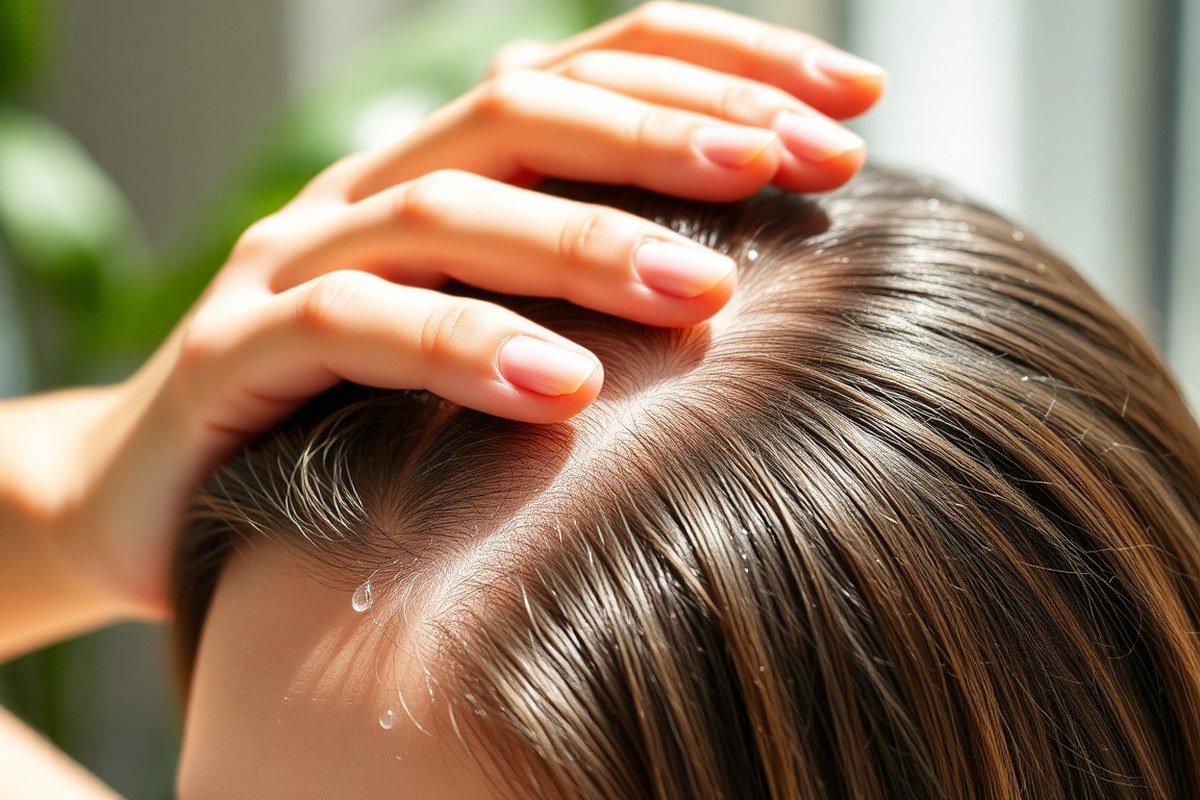
Massaging your scalp improves oil production and blood flow. Use soft, circular motions and gentle pressure to avoid harming skin. Doing this daily can help keep the scalp naturally hydrated.
Follow these steps for an effective scalp massage that supports dryness relief:
- Sit comfortably and tilt your head slightly forward.
- Use your fingertips to press and move in small circles all over your scalp.
- Massage for 5 to 7 minutes, focusing on dry or itchy areas.
- Optionally, add a few drops of a carrier oil to your fingertips before massaging.
- Finish by rinsing your hair if oil was applied or leave dry.
Massages feel relaxing and slightly warm. Avoid scratching or using nails, which damage skin. Regular practice can reduce dryness over a few weeks.
7. Common Mistakes That Worsen Dry Scalp and How to Fix Them
Washing your hair too often can make dry scalp worse. It strips natural oils that keep your scalp healthy. Try shampooing only two to three times a week to let these oils protect your skin.
Using harsh shampoos or styling products can irritate your scalp. Look for products without sulfates, alcohol, or strong fragrances. These ingredients dry out your skin and cause itching or redness.
Tight hairstyles like ponytails or braids pull your scalp. This constant tension may increase dryness and discomfort. Wear loose hairstyles or change styles often to avoid stress on your scalp.
- Wash hair with lukewarm water, not hot, to keep moisture in.
- Stop treatments that cause burning or excessive itchiness immediately.
- Apply gentle scalp treatments designed for sensitive skin.
- Drink plenty of water daily to hydrate your skin from inside.
- Avoid overusing hair dryers or heat styling tools.
- Check product labels carefully for irritants before buying.
- Give your scalp time to heal by reducing styling frequency.
Some scalp treatments might cause irritation if not used properly. If you feel burning or see redness, stop using the product. Switching to mild, fragrance-free treatments helps many people avoid flare-ups.
Pay attention to how your scalp reacts after washing or using products. Itching that lasts more than a day or flaky patches getting worse can signal problems. Adjust your care routine quickly to protect your scalp from damage.
8. When to See a Doctor for Persistent Dry Scalp Issues
Seek medical advice if your dry scalp lasts more than two weeks despite home care. Persistent symptoms like severe irritation, bleeding, or thick scaling may signal conditions needing professional treatment. Early diagnosis helps avoid complications from issues like psoriasis or infections.
Warning Signs and Symptoms to Watch For
Look for intense itching that doesn’t improve or gets worse with home remedies. Notice if your scalp shows red patches, thick scales, or bleeding spots. These signs might mean psoriasis, seborrheic dermatitis, or a fungal infection rather than simple dryness.
Crusting, hair loss in patches, or swollen areas also warrant a doctor’s visit. Your scalp feels inflamed, sensitive, or painful.
Get checked soon. These symptoms can indicate underlying problems requiring specific medications or treatment plans.
Medical Treatments Available for Chronic Dry Scalp
A dermatologist can prescribe medicated shampoos with ingredients like coal tar, salicylic acid, or ketoconazole. These help control scaliness and inflammation better than over-the-counter products. Prescription topical steroids or immunomodulators may be needed for severe cases of psoriasis or eczema.
Doctor visits often include scalp examination and sometimes a skin biopsy to confirm diagnosis. Treatments can also involve UV light therapy or oral medications if topical products aren’t enough. Expect treatment appointments to range from $100 to several hundred dollars without insurance.
Special Considerations for Children and Sensitive Scalps
Children and babies need gentle, fragrance-free treatments to avoid irritation. Consult a pediatrician or dermatologist if dryness persists or spreads, especially with scratching or bleeding. Avoid strong medicated shampoos unless directly recommended by a doctor.
For sensitive scalps, mild shampoos and careful testing of new products can prevent flare-ups. A healthcare provider will tailor treatments considering age, scalp condition, and overall health. Early professional advice can prevent discomfort and promote healthier skin in children.
See a doctor if your scalp irritation worsens or bleeds. Don’t wait more than two weeks.
Step-by-Step Action Plan for Soothing Dry Scalp
Use this simple plan to calm your dry scalp fast and keep it healthy. Track your progress by how your scalp feels and looks.
- Day 1: Switch to a gentle, hydrating shampoo formulated for dry scalp. Look for less itching and less flaking after washing.
- Day 2: Apply a natural oil treatment like coconut or jojoba oil. Leave it on for 20 minutes, then rinse. Your scalp should feel less tight.
- Week 1: Cut back hair washing to every other day to avoid drying out your scalp. Notice less redness and irritation.
- Week 2: Add foods rich in omega-3s, like salmon or walnuts, to your meals. Watch for improved scalp moisture and fewer flakes.
- Week 3: Use a humidifier in your bedroom if air feels dry. Check if your scalp feels more comfortable, especially in colder months.
- Week 4: Try a weekly scalp scrub with gentle exfoliation to remove dead skin safely. Your scalp should look clearer and less itchy.
Frequently Asked Questions
How Do I Moisturize My Dry Scalp?
Use gentle oils like coconut or aloe vera gel to moisturize your dry scalp. These ingredients soothe irritation and add hydration without clogging pores. Apply a small amount, massage gently, then rinse after 20 minutes for best results.
What Triggers Dry Scalp?
Dry scalp can be triggered by frequent washing, harsh shampoos, cold weather, or stress. These factors strip away natural oils and cause flakes. Avoiding hot air drying and reducing shampoo frequency helps preserve scalp moisture and health.
How Can I Rehydrate My Dry Scalp?
To rehydrate, switch to shampoos that nourish your scalp. Use natural remedies such as aloe vera. Tea tree oil can also help.
Adding Omega-3 rich foods supports scalp hydration from inside. These steps reduce dryness and calm itching effectively.
What Am I Lacking If I Have a Dry Scalp?
A dry scalp may point to a lack of essential fatty acids like Omega-3. These fats help the skin stay moist and healthy. Incorporating Omega-3 supplements or fatty fish into your diet can improve scalp condition.
Can I Use Kitchen Items to Treat Dry Scalp?
Yes, common kitchen items like olive oil and honey can help soothe a dry scalp. They moisturize and reduce flakes naturally when applied carefully. Always do a small skin test before trying a new remedy.
Does Drinking Green Tea Help with Dry Scalp?
Green tea contains antioxidants that can reduce inflammation linked to dry scalp. Drinking it regularly may support overall scalp health. Using cooled green tea as a rinse can also soothe irritations on the scalp.
Final Thoughts
Dealing with dry scalp takes time and care. Start with simple changes and watch how your scalp improves. Pick one step today and begin easing your dry scalp now.