

How to Clean a Hairbrush: Effective Steps, Timelines, and Best Tools
Cleaning a hairbrush is simple but important for healthy hair. Start by removing hair stuck in the bristles with your fingers or a comb. Soak the brush in warm, soapy water for 10 to 15 minutes to break down oils and dirt.
After soaking, scrub leftover residue gently with an old toothbrush. Focus on the base and between bristles. Rinse thoroughly under running water to remove all soap and prevent scalp irritation.
Check your brush’s material before cleaning. Plastic or metal brushes soak fine.
But wooden handles or natural bristles need gentler care. Regular cleaning every one to two weeks keeps your hairbrush fresh and prevents buildup and odor.
Key Takeaways
- Remove hair from the brush before soaking for better cleaning.
- Soak plastic brushes 10 to 15 minutes in warm, soapy water.
- Use a toothbrush to clean stuck residue after soaking.
- Rinse brushes thoroughly to remove all soap and debris.
- Wooden brushes shouldn’t soak to avoid swelling or damage.
- Clean your brush every 2 to 3 weeks if you use little product.
How to Clean a Hairbrush Step-by-Step
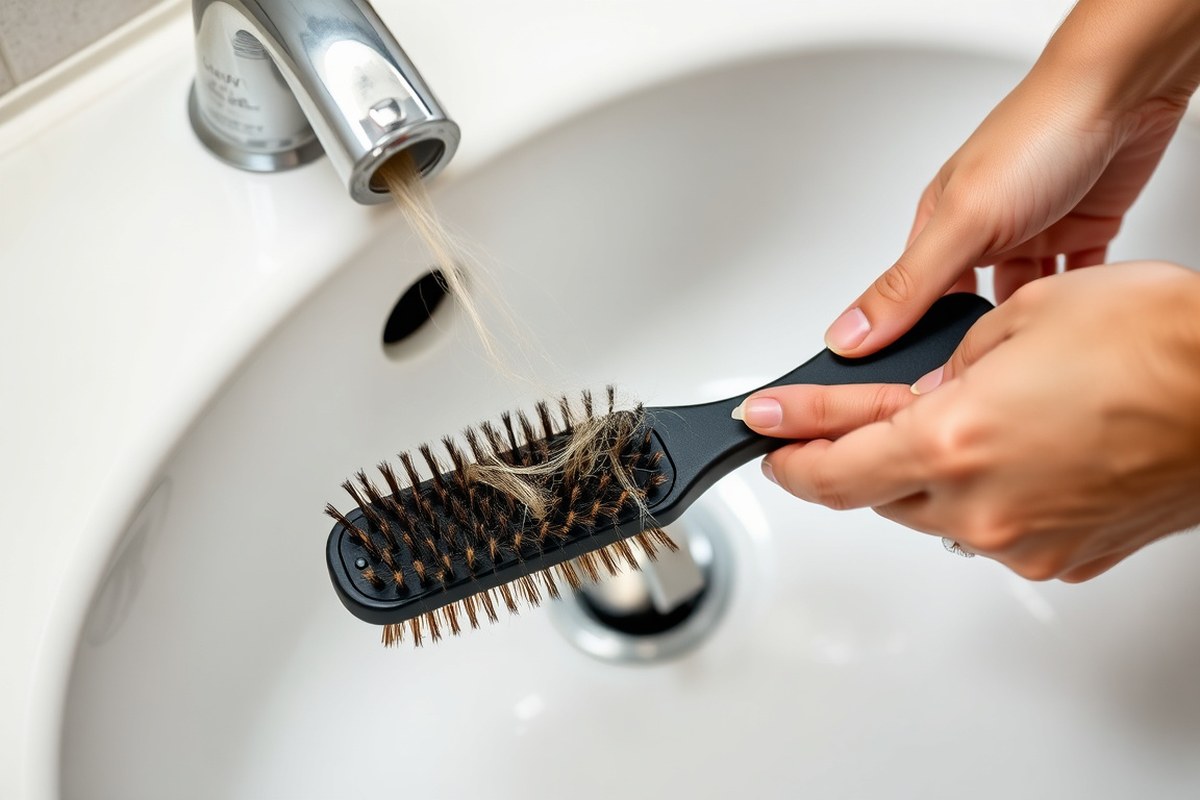
Cleaning your hairbrush involves two jobs. First, remove tangled hair. Then, wash off dirt and product residue.
Both steps help your brush stay in good shape. They stop buildup. Buildup can make your hair look dull.
You just need warm water, shampoo, scissors, and a toothbrush. These tools are easy to find and use.
Take your time when removing hair without hurting the brush. When hair wraps tightly around bristles, scissors are helpful.
Using shampoo during washing softens residue, helping the brush get really clean. Follow these steps in order for the best results:
- Cut through hair wrapped around the bristles using scissors. This lets you pull hair out gently by hand. It protects the brush from bending or breaking.
- Clear remaining hair: Use your fingers or a comb to pick out any leftover strands. Aim to remove as much hair as possible before washing. This keeps the brush from clogging during the next steps.
- Fill a basin with warm water. Add a small drop of shampoo. This mix cleans your brush gently. Warm water loosens product buildup. Shampoo breaks down oils and dirt for a quick clean.
- Soak the brush gently: Dip the brush in the soapy water for 5 to 10 minutes. Avoid soaking wooden brushes for too long to prevent damage. Round or plastic brushes can soak fully.
- Use a soft toothbrush to scrub the base and between bristles. This removes dirt and leftover products. This removes trapped buildup and residue that soaking missed.
- Rinse thoroughly: Rinse the brush under warm running water to wash away shampoo and loosened dirt. Ensure all cleaning solution is removed.
- Wipe the brush handle with a towel. This cleans off sticky sprays and styling products. This also prevents residue from transferring back to hair.
Let the brush dry fully before you use it again. Don’t deep clean your brush every day. Cleaning every 2 or 3 weeks is enough.
This is unless you use many hair products. Keeping hairbrushes clean protects your hair and scalp from oil, dirt, and bacteria carried by buildup.
Best Tools and Products to Clean Hairbrushes

Cleaning your hairbrush needs a few basic supplies plus some choices based on your brush’s condition. Use household ingredients for regular cleaning and shampoos or specialty cleansers for deeper buildup. The right tools and products help your brush last longer and keep your hair healthy.
Common Household Cleaning Ingredients
Warm water is the base for loosening dirt and hair product residue from your brush. White vinegar and baking soda are strong natural cleaners that break down oils and buildup.
Mix half warm water and half white vinegar to soak your brush. Add 1 to 2 teaspoons of baking soda for extra scrubbing power. This combo cleans and disinfects without harsh chemicals.
- Warm water for soaking and rinsing
- White vinegar (breaks down oils, deodorizes)
- Baking soda (increases cleaning power)
- Soft toothbrush or old brush to scrub
- Comb or toothpick to remove trapped hairs
- Clean towel for drying
Use vinegar and baking soda when your brush has visible buildup or smells musty. For routine freshening, warm water and mild soap often work well alone.
Recommended Shampoos and Soaps
Mild shampoos remove hair product residue and oil without damaging your brush. Look for gentle or clarifying shampoos for best results. Avoid harsh detergents that can dry out bristles or loosen glue.
Mix two tablespoons of shampoo per cup of warm water. Soak your brush for 10 to 15 minutes, then scrub and rinse. This removes oils and dead skin cells safely and thoroughly.
If you use styling sprays or gels frequently, clean your brush weekly using shampoo and water. For infrequent users, once every two to three weeks works fine.
Specialized Tools for Deep Cleaning
Sometimes regular ingredients aren’t enough for heavy buildup or hard-to-reach spots. Small, stiff brushes designed for hairbrush cleaning work better than regular toothbrushes. Look for silicone or nylon bristle cleaners.
Other tools include metal picks or combs with fine teeth. These help lift hair strands and lint from dense brush bristles. Using these tools before soaking makes the washing process easier and more effective.
Be careful not to damage the base or bristles when picking debris. Avoid metal tools with delicate brushes.
Deep cleaning tools usually cost under $10 and last a long time. They improve your cleaning without harsh chemicals or extra effort.
How Often to Clean Your Hairbrush for Optimal Hair Health
You should clean your hairbrush every 2 to 4 weeks for best results. Your hair type changes how often you clean. For oily hair or if you use many styling products, clean often.
About every two weeks is best. This keeps your brush fresh and useful.
People with dry or low-product-use hair can stretch that out to every 3 or 4 weeks. Thick or curly hair tends to shed more.
So pulling out loose hair from the brush after every use helps. This prevents buildup that can clog your brush and harm your scalp.
The brush material also matters. Plastic and synthetic brushes can be washed more thoroughly and weekly if needed. Clean wooden or natural bristle brushes gently every 3 to 4 weeks.
This helps prevent damage. Avoid soaking them too long. Using water sparingly keeps wood from warping or cracking.
Daily brushing collects dead skin cells, oils, sweat, and product residue on the brush. Letting buildup pile up means your brush puts it back on your hair. This can make clean hair dirty again.
That makes hair look dull and scalp itchy. Regular cleaning prevents this unwanted recycling of dirt and oil.
Use hair gel, mousse, or heavy conditioners daily? Clean your brush at least every two weeks. This stops product buildup.
Otherwise, about once a month works well. Tighten your schedule if you notice your hair feels greasy or your scalp itchy.
Routine daily maintenance also helps. Run a wide-tooth comb through the brush daily to remove loose hair and product.
This reduces cleaning time and keeps your brush working well longer. Ignoring this can lead to clogged bristles and a less effective brush.
Cleaning takes about 10 to 15 minutes once every few weeks. Cleaning your brush costs only time and a mild shampoo. You probably already have shampoo at home.
This is a simple, cheap task. Keeping a clean brush makes styling easier and keeps hair healthier by supporting good scalp hygiene.
Choosing the Right Cleaning Method by Hairbrush Type
Each hairbrush type needs a cleaning method that fits its shape and material. Round, paddle, and vented brushes use similar techniques but differ in water exposure and tool use. Wooden brushes need gentle care and should not be soaked.
Soaking can cause warping. They require more care than plastic or metal brushes.
Cleaning Round Brushes
Use a rat-tail comb or scissors to remove hair trapped in the bristles. Soak the brush in warm, soapy water for 3 minutes to loosen buildup. Gently massage shampoo into the bristles, then rinse thoroughly under running water.
Let your brush air dry face down on a towel. This stops water from pooling in the handle. Leave it overnight for best results.
Consistent monthly cleaning helps prevent oil and dirt buildup on round brushes. Avoid soaking wooden-handled round brushes to protect the handle’s integrity.
Cleaning Paddle and Flat Brushes
Remove hair with a comb or your fingers before cleaning. Fill a bowl with warm water and mild shampoo. Soak a plastic brush up to 15 minutes.
This helps clean it effectively. Use a clean toothbrush to scrub the bristles and the base gently.
Wooden paddle or flat brushes should not soak. Apply shampoo to the bristles with a damp toothbrush. Wipe the handle down using a damp cloth.
Avoid soaking the whole brush. Dry on a towel for 12 to 24 hours, ensuring complete drying to prevent mold.
After shampooing, soak plastic or metal paddle brushes in vinegar water. This deep clean removes odors. It works better than just shampoo.
Care for Wooden and Mixed Material Brushes
Wooden brushes need a careful approach since water can warp or crack their handles. Avoid soaking them completely. Use a small brush to apply shampoo to bristles.
Dip the bristles lightly in warm water when needed. Avoid soaking the entire brush.
Wiping the handle with a damp cloth keeps it clean without damage. After cleaning, let these brushes dry flat on a towel for 12 to 24 hours. Do not use vinegar soaks on wood, since it can damage the finish.
Mixed-material brushes require checking the sturdiness before soaking. Follow plastic brush cleaning rules for the bristles but handle wooden parts like described above. Here’s a clear comparison of cleaning methods based on brush type and material:
| Brush Type | Material | Soaking Allowed? | Cleaning Tools | Drying Method | Extra Care Tips |
|---|---|---|---|---|---|
| Round | Plastic/Metal | Yes, 3 minutes | Rat-tail comb, shampoo | Air dry face down overnight | Remove hair first |
| Round | Wood | No soaking | Toothbrush, damp cloth | Dry flat 12-24 hours | Dip bristles lightly only |
| Paddle/Flat | Plastic | Yes, 10, 15 min vinegar soak | Toothbrush, shampoo | Dry flat, keep bristles up | Avoid soaking handles |
| Paddle/Flat | Wood | No soaking | Shampoo on bristles, damp cloth | Dry flat 12-24 hours | Avoid water on handle |
| Mixed Materials | Wood & Plastic/Metal | Partial soaking (bristles only) | Shampoo, soft brush | Dry flat, keep handles dry | Check stability before soaking |
Following these methods helps you keep the brushes clean without damage. Too much soaking or scrubbing can harm bristles or warp wooden parts. Using mild shampoo and careful drying keeps brushes safe and clean longer.
Deep-Cleaning a Hairbrush to Remove Oil, Buildup, and Odor
To deep clean a hairbrush, soak it in hot, soapy water. Leave it there for 15 to 30 minutes. This loosens dirt and oil effectively.
This breaks down oil, styling product buildup, and odor. After soaking, scrub away leftover debris, then rinse and air dry completely before using again.
Preparing a Deep-Clean Solution
Use a tub or large bowl that fits your hairbrush head comfortably. Fill it with hot water, hot but not boiling, around 120°F. Add a few drops of gentle shampoo or liquid dish soap.
Stir the water to create suds and mix the soap evenly. The soap loosens oils and product buildup stuck to bristles and the pad.
Soaking Duration and Process
Submerge the hairbrush in the warm soapy water for 15 to 30 minutes. This timing allows the solution to break down the oily residue and dead skin cells.
Your brush may have removable parts like a bristle pad. Take these out to soak separately.
This helps clean better. Avoid soaking brushes with wooden handles too long because water can warp the wood.
Scrubbing and Final Rinse
After soaking, use a clean comb or old toothbrush to scrub between the bristles. Scrape off any remaining lint, hair, or sticky buildup carefully. Repeat if needed.
Fill the tub with clean, warm water again. Swirl the brush head gently. This rinses away all soap and dirt.
Pat the brush dry with a towel. Let it air dry completely. Place it bristle side down for best results.
- Fill a tub or bowl with hot water and add soap.
- Place your hairbrush (and removable parts) in the water.
- Let it soak for 15 to 30 minutes.
- Use a comb or toothbrush to scrub dirt and buildup.
- Rinse your brush in clean warm water.
- Pat dry and air dry fully before reuse.
Don’t soak brushes with wooden handles too long or they’ll warp and crack.
How to Properly Dry Hairbrushes Without Damage
After washing your hairbrush, it needs to dry completely to avoid damage. Place it with the bristles facing down on a clean, dry towel. This position lets water drain away and stops moisture from pooling near the base.
Drying times depend on your brush’s material. Plastic or nylon bristles typically dry faster, often within 4 to 6 hours. Brushes with soft padding or natural bristles soak up more water.
They take longer to dry. It can be over 12 hours sometimes.
Wiping the brush gently with a dry cloth and shaking off excess water helps speed drying. Avoid using heat sources like hair dryers or direct sunlight. Heat can warp plastic or cause wooden handles to crack and dry padding to break down.
- Lay the brush bristles down on a clean towel immediately after rinsing.
- Shake the brush lightly to remove extra water before drying.
- Skip heat sources; air dry only for the best results.
- Allow at least 6 hours for synthetic brushes, 12 or more for natural ones.
- For brushes with padded bases, keep the padding out of water when washing.
- Dry brushes in a well-ventilated spot to prevent mold growth.
Not drying your brush properly can cause mold or mildew, especially with padding that traps moisture. This leads to unpleasant smells and possible skin irritation. Water left in the brush can also weaken glue or soften wood, cutting its life short.
Drying a brush well takes patience but keeps your tools healthy. The time and care preserve the bristles’ shape and support your scalp’s cleanliness. Your hairbrush stays effective and lasts longer when you dry it right.
Sanitizing Hairbrushes to Remove Lice, Germs, and Allergens
Sanitizing your hairbrush kills lice, germs, and allergens effectively. Start by removing all hair while the brush is dry. This step makes cleaning faster and more effective.
Pour warm water into a bowl and add a bit of shampoo or liquid soap. Let your brush sit in the soapy water between 10 and 15 minutes. Do not leave it soaking too long to keep the brush safe.
Use a toothbrush to scrub the bristles and handle gently. Dip the brush head into the water regularly to help loosen dirt. Rinse the brush under warm running water to remove soap and grime.
To remove lice, use hot water heated to at least 130°F (54°C). Soak your brush or comb in this water. This helps kill the lice effectively.4°C).
Use a pot to hold the hot water and submerge the brush for a few minutes. Do not leave it in too long to avoid damage.
See if your brush handle is made from plastic, silicone, or synthetic material. These types can be rinsed directly under running water. It is safe to do so with these materials.
Do not use hot water on wooden or delicate brushes. Heat and moisture can make them warp or crack. Handle these brushes gently to keep them intact.
This whole process usually takes about 20 minutes and costs very little, just water and soap. Clean, sanitized brushes look free of hair, dirt, and buildup, and feel comfortable on your scalp. Brushes that smell bad or have sticky residue likely need deeper cleaning or replacement.
When to Replace Your Hairbrush for Best Results
Look for bent, broken, or missing bristles as key signs to replace your hairbrush. Cracks on the brush head can also cause snagging and pull your hair. Using a damaged brush risks frizz and hair breakage.
Hairbrushes differ by materials and use frequency, so replacement can vary. Brushes used daily with lots of styling product often wear faster than occasional-use ones. Pay close attention to how your brush feels on your scalp and hair during combing.
Clean your brush thoroughly first to remove hair and buildup before judging wear. Use a rat tail comb to pull hair from the base and clean the brush bed. If after cleaning you still see lots of damage or the brush feels rough, it’s time to get a new one.
Replace your brush every 6 to 12 months on average, depending on wear and use. Higher-quality brushes may last longer if treated well. Budget $10 to $30 for a decent replacement brush that suits your hair type.
Keep your brush in good shape by removing hair and buildup regularly. Doing this helps you spot damage early and protects your hair health.
Step-by-Step Action Plan to Keep Your Hairbrush Clean
Keep your hairbrush clean for healthy hair each time. Follow these easy steps to keep it fresh. A clean brush helps your hair stay healthy.
- Clean your new brush before you use it. Use warm soapy water and a soft brush. This removes dust from the factory. It should feel residue-free and smell neutral.
- Every week, take out loose hair from your brush. Do this after each use by hand or with a comb. This keeps your brush clean and ready. You’ll see clear bristles and no hair clumps.
- Biweekly: Soak the hairbrush in warm water mixed with mild shampoo for 10 minutes. Wipe off buildup with an old toothbrush until bristles look clean and smooth.
- Monthly: Deep-clean using a mixture of baking soda and water to scrub away oils and odors. It will smell fresh, and the brush will feel lighter when dry.
- After cleaning: Dry your brush by laying it flat on a towel with bristles facing down. The brush should be fully dry before next use to avoid mildew.
- Every few months, sanitize your brush with an alcohol spray or wipe. Do this if you have been sick or had lice. It helps stop germs from spreading. This will kill germs and reduce allergens.
- Look over your hairbrush every 6 to 12 months. Check for bent bristles or a loose base. Replace the brush if it shows signs of wear. Your hair will feel smoother with a fresh brush.
Frequently Asked Questions
Can I Use Vinegar to Clean My Hairbrush?
Yes, vinegar works well to remove buildup and oils. Mix it with water, soak briefly, then rinse and dry your brush completely.
What’s the Best Way to Remove Tangled Hair from a Round Brush?
Use clean scissors to cut through clumps for easier removal. This helps prevent damage to the bristles and saves time.
Can I Clean My Hairbrush with a Dishwasher?
It’s not recommended because heat and water pressure can damage the brush. Hand washing keeps it intact and clean.
Will Cleaning My Hairbrush Help Prevent Dandruff?
Yes, a clean hairbrush reduces scalp buildup that can worsen dandruff. Regular cleaning supports scalp health and comfort.
Does Hairbrush Material Affect Cleaning Method?
Yes, wood and natural bristles need gentle cleaning to avoid warping. Plastic brushes tolerate water better but still dry thoroughly.
Can I Use Rubbing Alcohol to Sanitize My Hairbrush?
Rubbing alcohol can sanitize, but use it sparingly and rinse after. It kills germs but may dry out some brush materials.
Before You Go
Cleaning your hairbrush keeps your hair healthy and your scalp happy. Start by removing hair after every use, then deep-clean as needed. Your next step is to pick a cleaning method that suits your brush type today.


