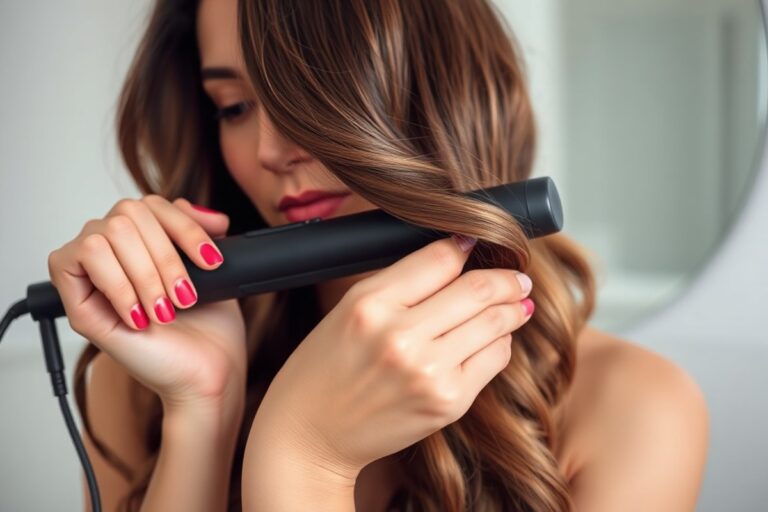
Does Color Remover Damage Hair? What Actually Works to Protect It
Does color remover damage hair? Yes, it can cause some damage but usually less than bleach. The risk depends on your hair’s condition and how carefully you apply the remover.
Using color remover on fine hair can cause dryness and frizz. It can also lead to hair breakage. This risk is higher if your hair is porous or lightened before.
You should start with a strand test to check how your hair reacts. Rinse the remover for at least 15 to 20 minutes to clear out all the product. Avoid using it more than three times in a row to reduce damage.
Let your hair rest two days before any new color to help it recover. The main question is balancing how much damage you accept against the results you want. With the right steps, color removers can be safe tools, not hair wreckers.
Key Takeaways
- Always do a patch test to prevent allergic reactions before applying color remover.
- Limit color remover use to a maximum of three consecutive applications.
- Rinse your hair for at least 15 to 20 minutes to remove all chemical residues.
- Let your hair rest 48 hours after removal before applying new color treatments.
- Avoid color remover on hair that is fine, porous, or already damaged.
- Watch for signs of hair stress like excessive dryness or breakage during treatment.
Does Color Remover Damage Hair? The Real Truth

Hair color removers generally cause less damage than bleach. They break down artificial dye molecules in your hair. These products don’t change your natural hair color.
They also don’t harm your hair’s structure. This means your hair won’t lighten or weaken like it does with bleaching.
Still, color removers are not completely harmless. These products can strip your hair’s natural oils. They lift the hair cuticles too.
This can cause dryness, frizz, or breakage if overused. People with fine, porous, or previously lightened hair face higher risks of damage. This happens because their hair is already fragile and loses moisture more easily.
The damage from color removers is usually temporary if you follow instructions carefully. Use them only as directed and rinse thoroughly to avoid residue that causes further weakening. In contrast, bleach removes natural pigment and alters hair’s protein, causing more long-lasting harm.
Choosing a sulfur-based color remover over bleach-based options can reduce the risk. Sulfur-based removers usually cause low to medium damage. Bleach-based ones cause more damage and a stronger chemical smell.
You might notice the bleach smell more. Always check the label for your hair type before applying.
Choose color remover to avoid lightening your hair. It also causes less damage than bleach. This option is safer for removing dye.
Products like Color Oops are designed for this purpose and tend to be gentler. For more stubborn dye, bleach-based removers exist but carry higher damage chances and require professional care.
Follow all package directions to protect your hair. Avoid leaving the product on longer than recommended and condition your hair after use. Proper aftercare can restore moisture and strength, preventing breakage or dryness from the process.
How Hair Color Removers Work Chemically

Hair color removers work by breaking down the artificial dye molecules inside your hair. They usually contain sulfur-based compounds, which chemically dissolve the long-lasting dye pigments. This action targets only the artificial color, so your natural hair pigment stays untouched.
The remover opens up the hair cuticle so it can reach the dye molecules. This lifting makes the hair feel porous and rough after treatment. Unlike bleach, color removers don’t strip your natural hair color.
They only remove artificial pigments. This means they don’t lighten your natural shade.
Sometimes, removers can lift the hair cuticle permanently. This makes hair more porous. Porous hair is more likely to get damaged.
This happens because the chemical process forces the cuticle to stay open more than normal. Although removers avoid altering your natural pigment, they can still make hair feel dry and fragile.
Do not leave color remover on for too long. Too much time can damage your hair’s cuticle. It also causes dryness.
Strong chemical smells often come from the sulfur compounds in removers. Some removers remove heavy-duty permanent color, but mild, semi-permanent dyes might stay. The goal with these products is to break down artificial color.
Then you rinse it out. This should not harm your natural hair color.
If bleach was used before, your hair might have little pigment left. This means less natural color remains under the dye. Sometimes that happens after bleaching.
In this case, the remover removes mostly artificial color. But your hair might look lighter because it starts with a bleached base.
This explains why color removers don’t actually “bleach” hair like peroxide does. But can still cause dryness or breakage if misused.
Types of Hair Color Removers and How They Differ
There are two main types of hair color removers: sulfur-based and bleach-based. Sulfur-based removers shrink artificial color molecules, letting you wash them out gently. Bleach-based removers strip both the artificial dye and natural hair pigments, causing more dryness and damage.
Sulfur-based formulas are usually gentler and better for preserving your hair’s moisture. Bleach-based removers can give stronger results fast but dry out your hair and scalp. They also have a strong chemical smell, unlike sulfur-based ones, which tend to be less harsh-smelling.
Choosing the right type depends on your hair condition and how much damage you can handle. Sulfur-based removers take longer and may need repeated applications. Bleach-based types work quicker but need extra care after use to avoid dry, brittle hair.
| Feature | Sulfur-Based Removers | Bleach-Based Removers |
|---|---|---|
| How They Work | Shrink artificial color molecules for easy washing | Strip artificial and natural pigments from hair |
| Typical Damage | Gentle on hair, mild dryness | Causes dryness and possible hair brittleness |
| Smell | Mild chemical scent | Strong chemical, bleach-like odor |
| Application Needs | May require repeated applications | Usually effective in one or two applications |
| Hair Types | Safe for most hair types, including color-treated | Best for healthy, heavier dyed hair |
Most color removers come with everything needed for application, like a regular dye kit. Use plenty of remover and give enough time between treatments to avoid hair stress. Patience matters because rushing leads to damage, especially with bleach-based removers.
One application of sulfur-based remover works well if your color is about a month old. Dark hair treated with bleach-based remover can sometimes turn orange. This happens because it removes natural oils along with color, leaving hair dry and vulnerable.
How to Prepare Your Hair Before Using Color Remover
Preparing your hair before using color remover helps prevent damage. It also lowers the chance of allergic reactions. Taking this step is important for your hair’s health.
Check your hair’s current health before starting. Test the product first on a small skin spot.
Avoid washing your hair right before applying the remover. These steps help you use color remover more safely and get better results.
Assess Your Hair Condition
Look closely at your hair and feel it to judge its strength and damage level. Hair that feels dry, brittle, or breaks easily may not handle another chemical treatment well.
Color remover can stress fragile hair more. So you might want to wait or seek professional advice.
Think about how many treatments your hair had recently. Your hair may be more at risk after many bleaching or dyeing sessions.
Take extra care when removing color from treated hair. Healthier, less processed hair usually handles color removers better.
Perform a Patch Test
Doing a patch test is important to avoid allergic reactions when using color remover. This test lets you see how your skin reacts. It helps avoid bad reactions over your whole head.
Testing first is a simple safety step. Avoid rashes, itching, or swelling by doing the test correctly.
Here’s how to do a patch test safely:
- Take a small amount of the color remover from the box.
- Apply it on a small skin area, like behind your ear or on your forearm.
- Leave it on for the recommended contact time, usually 24 to 48 hours.
- Watch the area for any redness, itching, swelling, or irritation.
- No reaction on your skin usually means the product is safe for hair. You can proceed carefully after a smooth test.
- Stop use immediately if you notice any signs of allergy.
Avoid Washing Right Before Application
Do not wash your hair immediately before applying a color remover. Natural oils on your scalp and hair offer some protection against damage and irritation. Washing right before can strip those oils and make your hair more vulnerable.
It’s best to wash your hair at least 24 hours before using the remover. Leaving some oils on your scalp helps protect it during the process. Avoid washing too close to applying the remover.
This keeps your hair healthier while treating. Skip heavy conditioners or treatments on the day of removal, as they may create a barrier.
Gather All Needed Materials
Prepare everything before you start the color removal. Having supplies handy means you can work quickly and keep the process smooth. This also helps prevent mistakes, like leaving the product on too long.
You’ll typically need color remover, gloves, an old towel, a wide-tooth comb, and a timer. Use gloves during application to protect your hands from chemicals. A timer ensures you don’t exceed the recommended contact time, which reduces damage risk.
Correct Application and Timing to Minimize Hair Damage
Apply the color remover evenly on dry hair to get consistent results. Avoid leaving patches uncovered, or the color may fade unevenly.
Follow the instructions and timing carefully to prevent hair damage. Rinse thoroughly to remove all remnants, preventing unwanted color changes later.
Apply Evenly to Dry Hair
You should apply color remover to dry hair for better penetration. Dampen or wet hair can dilute the remover, weakening its effect and causing uneven removal. Use a comb or your fingers to spread the product slowly and carefully through your hair.
Ask for help if you can’t reach all areas easily. Uneven application causes some hair to keep the old dye color.
Other parts will lighten. This makes the results look patchy.
Cover Hair to Maintain Heat
After applying the remover, cover your hair with a plastic cap. This keeps your scalp warm and maintains heat to help the remover work efficiently. Heat speeds up the chemical process and produces a more uniform result.
Keep your hair covered during the entire processing time. Don’t use hot water or heat unless the directions say so.
Heat can cause more damage. Avoid it to protect your hair.
Stick to Manufacturer Timing
Follow the product’s timing strictly, usually between 15 to 40 minutes. Leaving the remover on longer will not improve results but may damage hair. Over-processing can dry hair out or make it porous, causing breakage.
Check your hair every 5 to 10 minutes during the process. Stop using the product if you notice strong smells or bad scalp itching.
These signs mean irritation or damage. Protect your scalp by stopping right away.
- Read the instructions carefully before starting.
- Set a timer according to the recommended duration.
- Apply the product evenly to dry hair.
- Cover hair with a plastic cap to keep heat in.
- Check your hair periodically for any signs of damage.
- Rinse thoroughly as soon as the time is up.
Never leave color remover on longer than the instructions say to avoid hair damage.
Rinse Thoroughly and Continuously
Rinse your hair with lukewarm water until the water runs clear and no residue remains. Residue left on hair causes color molecules to swell. Then, they can redeposit color unevenly.
This affects your hair color result. This creates unwanted patches or dull spots.
Use a gentle, sulfate-free shampoo to help remove leftover product. Avoid hot water, which can irritate your scalp further and weaken hair strands.
Take your time rinsing, 2 to 5 minutes is typical. Ask someone to help rinse the back of your head for better coverage.
Aftercare Routine to Restore Hair Strength and Moisture
Deep conditioning is key after using color remover. It helps restore moisture lost during the process. Use a mask rich in jojoba oil to add softness.
Vitamin E and rosemary oil also bring back shine. These oils help restore your hair’s natural glow.
Protein treatments rebuild the hair’s internal strength. These treatments repair cuticle damage caused by dye stripping. Apply a protein mask once or twice a week.
Keep doing this until your hair feels stronger. It helps reduce brittleness effectively.
Avoid re-dyeing too soon. Color removers leave hair very porous and absorbent. Wait at least one to two weeks before new dye.
This avoids uneven color on your hair. It also prevents extra damage from happening.
- Use a deep conditioning mask for 20 to 30 minutes after each wash.
- Apply a protein treatment once every 7 to 10 days for better strength.
- Choose leave-in conditioners with hydrating oils to reduce frizz.
- Avoid heat styling tools or use a heat protectant on low settings.
- Use gentle, sulfate-free shampoos to maintain moisture balance.
- Limit washing hair to 2 to 3 times per week to prevent dryness.
- Trim split or damaged ends regularly to stop breakage from spreading.
Keeping hair hydrated and repaired reduces frizz and breakage. Hydrating masks and leave-in conditioners create a protective barrier. This makes hair easier to manage and healthier looking after treatment.
Be gentle while brushing and avoid tight hairstyles that pull on weakened hair. Follow these steps to stop more damage.
They help keep your hair healthy. Your next color job will turn out better.
Common Mistakes That Cause Damage and How to Fix Them
One common mistake is leaving color remover on too long. This over-processing strips too much pigment and can weaken hair strands. Stick to the timing instructions.
Usually, this means 20 to 40 minutes. Check your hair often to avoid overdoing it.
Your hair may feel brittle afterward. Give it a deep conditioning treatment to restore moisture.
Another issue is not rinsing the remover thoroughly. Leftover product can cause hair to darken or look patchy soon after treatment. Use warm water to rinse your hair.
Rinse for 3 to 5 minutes. This helps wash out all chemicals. This step reduces the chance for uneven color or damage.
Skipping conditioner is a big reason hair turns dry and porous after color removal. Hair needs moisturizer to rebuild its protective layer once pigment is stripped.
Use a rich conditioner or a protein treatment right after rinsing. This keeps hair strong and improves its bounce and shine.
Orange or dark patches after color removal happen because some pigments are harder to lift. You can deal with these by applying a toner or color-correcting shampoo.
Choose a purple or blue toner to cancel out orange tones. Leave toner on for about 5 to 15 minutes, then rinse well.
- Follow color remover timing exactly, no longer than suggested
- Rinse hair thoroughly with warm water for 3 to 5 minutes
- Use moisturizing conditioner or protein treatment immediately after
- Apply color-correcting toner for orange or dark patches
- Avoid repeating remover too soon to limit breakage
- Use gentle shampoos formulated for damaged hair
Dealing with brittle, overly porous hair means you need gentle care for a while. Avoid heat styling and harsh chemicals until hair feels stronger.
Use hydrating masks once or twice a week for about 20 minutes. This routine helps seal split ends and rebuild the hair’s outer layer, improving texture and manageability.
When to Use Color Remover Yourself vs. Professional Help
When to Use Color Remover Yourself vs. Professional Help
You can safely remove hair color at home when your hair is healthy. Avoid home removal if the dye is very deep. Light or fresh dye is safer to treat yourself.
Your hair feels weak, overly dry, or has many dye layers. It’s safer to get help from a professional.
They avoid more damage than home attempts. Professionals use the right products and know how to protect your hair’s health.
Signs You Should Go to a Professional
Your hair has been colored frequently or shows signs of damage like breakage or extreme dryness. Professionals spot issues like chemical inconsistencies or underlying hair conditions that could worsen with at-home treatments. You want a big hair color change or must remove dark stubborn dyes.
Visiting a salon helps prevent errors and hair damage. Professionals handle tough dye removal better.
Thick pigment build-up from many dyes may need several sessions. Only a salon can handle these safely. Multiple treatments reduce hair damage risks.
Professionals also have tools to patch test and tailor treatments for fragile hair. When you aren’t sure about product use or timing, opt for expert advice.
DIY Remover Suitability Checklist
Check that your hair feels strong with no major split ends or thinning. Choose a color remover made to be gentle on hair.
Read the instructions carefully. Avoid using removers on bleached or heavily processed hair unless your stylist approves.
Use hair color remover only if your hair isn’t too dark. Avoid it with multiple dye layers mixed together. Light or uniform dye colors respond better to remover.
Test a small strand first and time the application strictly as recommended. Don’t keep trying if you see no results after one attempt.
Pause and get professional help if your hair feels dry. Professionals avoid causing more hair damage.
Tips for Selecting a Trusted Hair Colorist
Look for colorists with positive reviews who specialize in correction and removal services. Ask about their experience with your hair type and dye brand. A clear explanation of the process and protective steps shows professionalism.
Choose salons that prioritize hair health with moisturizing treatments paired with color removal. Confirm pricing upfront, since removal can take multiple rounds and cost more than standard coloring. Good colorists monitor hair throughout the process and adjust plans as needed.
Don’t skip a patch test or timing instructions, it protects hair and scalp from damage.
Step-by-Step Action Plan for Safe Hair Color Removal
Follow this plan to lower hair damage from color remover use. It helps keep your hair healthy and strong. Use these steps each time you remove hair dye.
- Before you start: Do a strand test to check your hair’s reaction and timing. This helps avoid overprocessing.
- Day of application: Apply the color remover evenly on dry hair. Avoid the scalp and roots for less irritation.
- During processing: Check your hair every 5 minutes to see color lifting. Stop as soon as you reach the target shade.
- Immediately after: Rinse hair thoroughly with lukewarm water until water runs clear. This removes leftover chemicals.
- Right after rinsing: Use a deep conditioning treatment to restore moisture and strength. Leave it on at least 10 minutes.
- Days 1-3 after: Avoid heat styling and harsh shampoos. Stick to gentle, sulfate-free products to protect your hair.
- Week 1: Apply a protein treatment once if your hair feels weak or brittle. This helps rebuild structure.
- Ongoing: Maintain weekly moisturizing masks and minimize chemical treatments for at least a month after removal.
Frequently Asked Questions
Can Using Color Remover Dry Out Hair Completely?
Color remover can strip natural oils, making hair dry and brittle. Use deep conditioners afterward to restore moisture and keep hair soft.
Does Color Remover Weaken Hair Strands Permanently?
It can weaken hair strands if used too often or on damaged hair. Limit use to avoid long-term breakage and keep hair healthier.
Can Color Remover Cause Hair to Become Frizzy?
Yes, color remover can cause frizz by roughening the hair cuticle. Proper aftercare helps smooth hair and reduces frizz.
Is There a Safe Way to Use Color Remover to Minimize Damage?
Yes, follow instructions carefully and do a strand test first. Also, treat hair with nourishing products afterwards to reduce harm.
Does Color Remover Remove All Types of Hair Dye Equally?
No, it mainly removes darker dyes that sit on hair surface. Semi-permanent or natural dyes may not be removed fully.
How Long Should You Wait Between Color Remover Treatments?
Wait at least two weeks between treatments to avoid severe damage. Hair needs time to recover before any further chemical use.
Final Thoughts
Color removers can weaken hair, but careful use keeps damage low. Always watch timing and treat hair gently afterward. Start with a test and plan your aftercare to protect your hair’s health.