What Is a Good Hair Shampoo and Conditioner: A Complete Guide for Perfect Hair
What is a good hair shampoo and conditioner? A good shampoo and conditioner clean your hair without stripping moisture.
They also improve hair health by repairing damage and locking in hydration. Choose products that match your hair type and concerns for the best results.
Look for shampoos with gentle cleansing agents and conditioners rich in nourishing ingredients. Avoid harsh sulfates if you have dry or color-treated hair. Focus shampoo on your scalp for the best clean.
Avoid 2-in-1 shampoo and conditioner blends if you want truly clean, non-greasy hair. Usually, buying them separately gives you better control over each product’s effect. Focus on ingredients that help with your hair goals, like moisture, repair, or volume.
Key Takeaways
- Choose shampoo and conditioner based on your specific hair type and needs.
- Avoid shampoos with harsh sulfates if your hair is dry or damaged.
- Condition mostly the hair ends to prevent greasy roots and dryness.
- Separate shampoo and conditioner usually work better than 2-in-1 products.
- Look for nourishing ingredients like natural oils and proteins for repair.
- Gentle cleansing shampoos keep your scalp healthy and hair hydrated.
What Makes a Good Hair Shampoo and Conditioner?

Good shampoo cleans your hair and scalp without stripping natural oils. Conditioner adds moisture and smooths hair cuticles to reduce frizz and breakage.
Shampoo usually foams to wash away dirt and excess oil. Conditioner seals moisture in for softness and shine.
You want shampoo and conditioner that suit your hair’s needs, such as hydration or repair. Gentle cleansing agents and moisture-locking ingredients are key qualities. Avoid harsh chemicals like sulfates and parabens in formulas.
These keep hair healthy and soft. Look for products that balance cleaning and conditioning to avoid dryness or buildup.
Buying shampoo and conditioner as a matched set helps ensure both products work well together. These sets are formulated to target similar issues and deliver optimal care. The Pantene Pro-V Daily Moisture Renewal Shampoo and Conditioner boosts moisture.
It gives twice the moisture without sulfates or parabens. This makes hair stronger and shinier.
Choosing separate shampoo and conditioner gives you more control. It’s helpful if your scalp and hair need different care. You can target each issue better this way.
Using shampoo for oily scalp and conditioner for dry ends works best. This combo beats one-size-fits-all products by addressing specific hair needs.
It balances moisture properly. Two-in-one combos usually don’t provide enough conditioning or cleansing, often leaving hair greasy or dry.
The best products blend effective cleansing with nourishing care. They won’t weigh hair down or leave residue. They support your hair type and concerns.
For color-treated hair, using gentle, paraben-free formulas protects your color longer. Matching shampoo and conditioner helps. But don’t hesitate to mix if it suits your hair better.
Which Ingredients to Look for and Avoid in Shampoos and Conditioners?

Key Ingredients That Strengthen and Nourish Hair
You want shampoos and conditioners with ingredients that feed your hair and scalp. Look for biotin and keratin because they boost strength and reduce breakage. Castor oil and plant-based stem cells help to keep your hair thick and healthy.
For dry or curly hair, use moisturizing agents like amino acids. Natural oils help soften and define your curls. Together, they keep your hair healthy and shaped.
Caffeine and copper peptides target hair shedding and promote growth at the root level. These ingredients usually need regular use over two to three months for results to show.
What to Avoid for Healthier Hair and Scalp
Harsh sulfates should be avoided because they strip natural oils and can dry out your scalp. Parabens and synthetic fragrances may cause irritation and damage over time. These chemicals can make hair feel lifeless and brittle, especially if used every day.
Many cheap shampoos use these ingredients to create suds or scent. But they often do more harm than good. Skipping them helps keep your natural oils balanced and maintains your hair’s softness and shine.
Benefits of Natural and Vegan Hair Formulas
Natural shampoos avoid artificial ingredients that can harm your hair or scalp. They often use plant extracts and oils that clean gently while restoring balance. Vegan products exclude animal-derived ingredients, making them a good choice if you want cruelty-free options.
Keep in mind natural does not always mean 100% plant-based. Check the label for ingredients and certifications, like EWG-verified products, which meet strict safety standards. Natural formulas usually feel softer and less harsh on sensitive scalps.
How to Choose the Right Shampoo and Conditioner Combo
Pick products designed for your hair’s needs. For example, damaged or color-treated hair benefits from proteins like keratin. Those needing volume should look for lightweight, strengthening ingredients to add bounce without weighing hair down.
Use your shampoo and conditioner two to three times a week for the best effect. Let them sit on your hair for a few minutes before rinsing well. This allows nourishing ingredients to work and improves softness and shine.
Ingredients to Watch for in Your Hair Products
Some common beneficial ingredients include:
- Biotin and keratin for strength and repair
- Castor oil and plant stem cells for thickness
- Amino acids and natural oils for moisture
- Caffeine to reduce hair shedding
- Copper peptides to support scalp health
- Sulfate-free formulas for gentle cleansing
- Natural fragrances instead of synthetic ones
These ingredients help keep your hair strong, shiny, and manageable without stripping away essential oils. Avoid products rich in sulfates, parabens, and artificial fragrances to reduce scalp irritation and dryness.
Always patch test new shampoos and conditioners to avoid allergic reactions. Follow product labels for safe use and consult a professional for scalp issues.
How to Choose Shampoo and Conditioner for Your Hair Type and Concerns
Choose shampoo and conditioner based on your hair’s natural feel and scalp condition. Dry hair needs moisture, oily hair requires gentle cleansing, and normal hair benefits from balanced care. Matching products help your hair look and feel healthier.
Matching Products to Dry, Oily, and Normal Hair
Dry hair needs rich, hydrating formulas that restore moisture without weighing it down. Look for shampoos with ingredients like hyaluronic acid or natural oils to help soften and hydrate. Conditioners should be creamy and nourishing to detangle and protect your strands.
Oily hair needs lightweight shampoos that clear buildup. They balance oil without stripping too much moisture. Choose shampoos designed to clean thoroughly but gently.
Use light conditioners for oily hair. Apply them mainly to the ends. This avoids extra greasiness near the scalp.
Normal hair usually needs neither heavy hydration nor oil control. Choose shampoo and conditioner sets that balance moisture and shine.
They keep hair clean and easy to manage. Avoid overly rich or harsh products to prevent greasiness or dryness.
| Hair Type | Shampoo Type | Conditioner Type | Example Ingredient or Feature |
|---|---|---|---|
| Dry | Hydrating, moisturizing | Rich, creamy | Hyaluronic acid, natural oils |
| Oily | Lightweight, gentle cleansing | Light, applied to ends | Balancing agents, clarifying elements |
| Normal | Balanced cleansing | Light to medium moisture | Gentle surfactants, neutral pH |
Using the proper formula stops scalp issues and hair damage. Hydrating shampoo and conditioner sets from Central and South America use natural ingredients. These ingredients soothe dry, thick hair.
Choosing for Curly, Fine, and Thick Hair
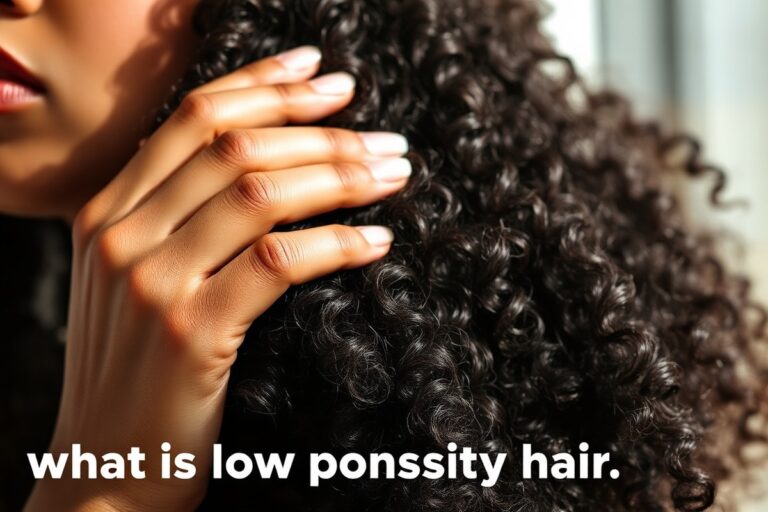
Curly hair needs hydrating shampoos and conditioners to combat dryness and frizz. These formulas help define curls and add softness. Shampooing every few days with moisturizing products prevents curls from drying out.
Fine hair requires lightweight shampoos that clean without flattening your strands. Conditioners should be light and avoid heavy oils or butters to keep volume. Sets crafted for fine hair often include botanical ingredients that strengthen without weigh-down.
Thick hair benefits from richer, deeply nourishing products that tame bulk and protect from dryness. Sets for thick hair focus on moisture and smoothness.
They use honey or restorative botanicals for care. These keep your hair manageable and healthy.
Products for Scalp Issues and Thinning Hair
Dandruff and itchy scalp call for shampoos with antifungal actives like ketoconazole. These ingredients target fungal scalp infections and reduce flaking. Look for clinical shampoos recommended by dermatologists to ensure effectiveness.
For thinning or damaged hair, choose strengthening shampoos that clean gently and nourish roots. Some sets include hair thickening systems and restorative proteins to improve strength and volume. These products should work without irritating sensitive scalps.
Scalp-soothing shampoos often include neem or rosemary. They calm sensitivity and support a healthy scalp. Combining these with conditioners that hydrate but don’t weigh hair down keeps your scalp in balance.
Are 2-in-1 Shampoo and Conditioner Products Effective?
Two-in-one shampoo and conditioner products combine cleaning and conditioning in one step. They’re convenient and save time, especially when you’re in a rush. However, they often can’t deliver the same deep cleanse and targeted conditioning as using separate products.
Using shampoo and conditioner separately lets you pick formulas tailored for your hair type. For example, a moisturizing shampoo combined with a strengthening conditioner helps dry, brittle hair better. Two-in-ones usually have to balance their ingredients, which can reduce how well they clean or hydrate.
Here are some pros and cons of 2-in-1 products compared to separate shampoo and conditioner:
- Save time with just one step in your shower routine.
- Travel-friendly and reduce bathroom clutter.
- Less effective for hair that needs special care like curly, oily, or damaged hair.
- May leave buildup if not rinsed properly.
- Harder to find one that perfectly fits your hair’s unique needs.
- Often more affordable than buying two separate products.
Your hair is normal and you want a quick wash, 2-in-1 can work fine. They usually cost less than buying shampoo and conditioner separately, saving you money. But for thick, curly, or damaged hair, separate products give better results.
Dry or curly hair needs a richer conditioner. A 2-in-1 usually won’t give enough moisture. These hair types benefit from a product that focuses on hydration.
Separate products let you spend more time on your hair ends. You can use treatments that focus on frizz.
They also help with hydration more carefully. For oily hair, separate shampoo allows a stronger cleanse without over-conditioning the scalp.
To get the most from two-in-ones, apply generously and rinse well to avoid buildup. Notice dryness or tangles?
Switch to separate shampoo and conditioner products. Brands that focus on active ingredients in each formula usually perform better for specific hair issues.
How Often Should You Wash and Condition Your Hair?
How often you wash and condition your hair depends on your hair type and lifestyle. Most people do well shampooing 2 to 3 times a week. Washing this often keeps hair clean without stripping natural oils.
Oily scalp types may need to wash more frequently, even daily, to control grease. Dry or brittle hair benefits from less frequent washing, about 1 to 2 times weekly. Over-washing dry hair risks damage and increased breakage.
Conditioning should happen with every wash, but the amount and method vary. For fine or oily hair, use conditioner mainly on hair ends to avoid weighing hair down. Thick, curly, or coarse hair usually needs more conditioning, focusing from mid-length to ends.
- Fine hair: Shampoo 2-3 times a week, condition on ends only
- Oily scalp: Shampoo up to daily, light conditioner on ends
- Normal hair: Shampoo 2-3 times a week, conditioner mid-length to ends
- Dry or brittle hair: Shampoo 1-2 times a week, rich conditioner all over
- Curly or coarse hair: Shampoo 1-2 times a week, hydrating conditioner generously applied
- Active lifestyle/sweat: May need more frequent washing, use gentle products
Not all shampoos and conditioners cause hair loss or damage when used properly. Using gentle, hydrating products helps protect hair health.
Switching to new products may cause an adjustment period up to four weeks. During this time, hair might feel different as oils balance out.
Lather shampoo gently without harsh scrubbing to avoid scalp irritation and hair stress.
Choosing shampoo that fits your hair type helps protect it well. For curls, pick a moisturizing shampoo. Use a repair shampoo if your hair is damaged.
Conditioners with ingredients like shea butter and glycerin help lock in moisture. Give new products at least a month to show improvement before switching again.
How to Apply Shampoo and Conditioner Correctly for Best Results
Start by wetting your hair fully with warm water, then apply shampoo to the scalp. Massage the shampoo gently for a few minutes before rinsing. Follow with conditioner focused on mid-lengths to ends, avoiding heavy roots.
Proper Shampoo Application
Wet your hair with warm water until it feels soaked. Warm water opens hair cuticles to help remove buildup more easily. Use about a quarter-sized amount of shampoo to cover the scalp.
Massage the shampoo gently into your scalp with your fingertips for 2 to 3 minutes. This increases circulation and helps break down dirt and oils without tangling your hair. Rinse thoroughly with warm water to remove all shampoo residue.
Conditioner Application Tips
Apply conditioner mostly to the mid-lengths and ends of your hair. These areas tend to be drier and get damaged easily. Avoid putting conditioner on your scalp or roots.
Avoid the scalp as conditioner can weigh hair down or cause buildup there. Use a dime-sized amount for short hair, or more for longer hair.
Distribute conditioner evenly through your hair by combing it with your fingers or a wide-tooth comb. Leave it on for 2 to 5 minutes before rinsing out with cool water. Cool water helps seal cuticles, locking in moisture and shine.
Mistakes to Avoid When Washing Hair
Rushing shampoo massage or skipping it reduces scalp cleansing and circulation. Avoid using hot water, which can dry out hair and scalp. Overapplying conditioner near roots leads to grease and limp hair.
Do not apply shampoo or conditioner directly to dry hair. This can cause uneven cleaning and product buildup. Skipping conditioner after shampoo can make hair dry and brittle.
This is worse if your hair is colored or treated. Conditioner helps keep your strands soft and healthy.
- Thoroughly wet hair with warm water until fully soaked.
- Squeeze a quarter-size shampoo onto your palm.
- Massage shampoo into your scalp for 2 to 3 minutes using fingertips.
- Rinse out shampoo completely with warm water.
- Apply conditioner to mid-lengths and ends only.
- Comb conditioner through your hair gently for even coverage.
- Leave conditioner on for 2 to 5 minutes to hydrate hair.
- Rinse out conditioner with cool water to seal hair cuticles.
How to Identify and Solve Common Shampoo and Conditioner Mistakes
Using shampoo or conditioner incorrectly can cause dryness, buildup, or hair damage. Common mistakes include using too much product or not rinsing thoroughly. These errors block the hair’s natural moisture and can slow down scalp health.
Switching to a new shampoo and conditioner may lead to an adjustment period. Your scalp might feel dry or oily for about one to two weeks.
This happens while your hair adjusts to new ingredients. So stick with the new products during this time.
- Applying shampoo daily can strip oils; try every other day if hair feels dry.
- Using conditioner on the scalp can cause buildup. Apply it only from mid-lengths to ends.
- Rinsing too quickly leaves residue. Rinse for at least 30 seconds to remove all product.
- Washing hair with hot water can dry out scalp; use lukewarm water instead.
- Not massaging shampoo into the scalp reduces cleansing; massage for two minutes.
- Overloading conditioner makes hair heavy; use a quarter-sized amount or less.
- Switching shampoos abruptly without transition can cause scalp irritation. Mix old and new products gradually.
Rinsing well after shampooing helps remove product buildup without stripping moisture. A gentle massage of two minutes on wet hair stimulates scalp health and cleans deeply.
Conditioner strengthens and detangles hair. So apply it mainly on the ends where hair tends to dry out most.
Dryness and scalp irritation often stem from using harsh cleansers or skipping conditioner. Adjust to a more moisturizing formula or reduce wash frequency to prevent these issues. When trying a new product, start slowly.
Use it less at first, then add more over 7 to 10 days. This helps avoid shocking your scalp and hair.
How Do Clarifying Shampoos Differ and When Should You Use Them?
Clarifying shampoos clean out oil, dirt, and product buildup that regular shampoos miss. They remove up to 95 percent of sebum and pollution in just one wash. These shampoos usually lather well and leave your scalp feeling super fresh without drying your hair.
You should use clarifying shampoo if your hair feels heavy, greasy, or dull despite washing. It also helps after using many styling products. Pools with chlorine can leave residue too.
Clarifying shampoo removes buildup and refreshes your hair. Your scalp may feel itchy or clogged sometimes.
Clarifying shampoo clears away buildup on your skin. It refreshes your scalp for comfort.
Use clarifying shampoos no more than once a week or every two weeks. Overusing can strip natural oils and make hair dry or brittle. Choose a gentle clarifying shampoo for color-treated hair.
Look for soothing ingredients to avoid drying out your hair. This helps keep your hair healthy.
Wet your hair completely before applying shampoo. Massage the clarifying shampoo gently into your scalp. This helps remove buildup and refresh your hair.
Leave it on for 2 to 3 minutes before rinsing well. Follow with a moisturizing conditioner to restore softness.
Don’t skip conditioner after clarifying shampoo; it prevents dryness and keeps hair smooth.
Regular shampoos are fine for most wash days. But clarifying shampoo acts like a reset button.
It helps maintain clean, healthy hair in between your regular washes. A deep clean once a week can make your hair feel lighter and shinier.
Dry shampoo can also help extend time between washes. Experts say dry shampoo is safe up to three times a week. It absorbs oil and adds volume to your hair.
Don’t use it more to avoid buildup. Still, a clarifying shampoo wash is important to fully remove buildup trapped by dry shampoo.
Benefits of Specialized Shampoos and Conditioners for Hair Goals
Specialized shampoos and conditioners target specific hair goals like volume, shine, moisture, or repair. For shine enhancement, products often contain light-reflecting ingredients and smoothing agents. Volumizing shampoos add body by lifting roots and avoiding heavy oils that weigh hair down.
Moisturizing conditioners focus on adding hydration to dry strands. They usually have emollients and humectants that seal in moisture, which helps reduce frizz.
Protein conditioners, on the other hand, repair damage by filling in gaps in the hair shaft. Using both types carefully helps keep hair strong and soft.
For color-treated or chemically treated hair, choose sulfate-free shampoos. They clean without stripping color or moisture.
Color-depositing shampoos like purple formulas help maintain blond or gray tones by neutralizing brassy hues. These usually cost between $10 and $30 per bottle.
- Volumizing shampoos and conditioners add lift without extra weight.
- Shine-improving products smooth hair cuticles for glossy strands.
- Moisturizing conditioners lock in hydration to prevent dryness.
- Protein-rich conditioners rebuild and strengthen damaged hair.
- Sulfate-free shampoos preserve color in treated hair.
- Color-depositing shampoos maintain specific shades like blonde or gray.
Applying the right specialized products depends on your hair needs. Use volumizing formulas at the roots for limp hair. Moisturizing conditioners work best on mid-lengths to ends to avoid residue buildup.
Protein conditioners should be used sparingly. Too much can cause stiffness and breakage instead of repair.
Good results show after a few weeks. Hair looks fuller and feels soft. It also shines naturally and seems healthier.
Avoid heavy formulas if your hair is fine or oily. They can make hair look flat.
Heavy products may also make hair greasy. Experiment with product types and frequency to find the right balance without overloading your hair.
How Long Does It Take to See Results from Shampoo and Conditioner?
You usually see real hair improvement in four to six weeks. This is the time it takes for products to work. It depends on your hair and scalp condition.
Hair growth cycles affect when you see results. Product buildup clearing also changes this timeline. Both take several weeks to complete.
You might notice softer texture or less frizz within two weeks. But stronger, shinier hair often needs more time.
At first, hair can react oddly when you switch products. It might feel dry or oily as your scalp adjusts to new ingredients.
This phase can last one to two weeks. Problems lasting longer than three weeks suggest your products might not suit you.
Look for these signs during your trial period: less scalp itchiness, easier detangling, and reduced breakage. Hair should feel cleaner without stripping natural oils. Shine and volume improvements come later, as moisture balance and scalp health improve.
To speed things up, wash your hair regularly but not daily. Two to three washes weekly often work best.
Use lukewarm water to avoid drying out your scalp or hair cuticles. Rinse thoroughly to remove product residue that could weigh hair down.
Certain hair types, like curly or coarse hair, may take longer to adjust. You might want to try co-washes that clean with oils instead of detergents. These products keep your scalp moist and hair soft.
Dry or curly hair may notice faster results with them. Both benefits usually show sooner than normal.
Patience and consistent use are key. Expect subtle changes at first, then more visible results after a month. No change or worse hair means you should reconsider your products.
Talk to a hair expert to find better options. Switching shampoos and conditioners is a process, not an instant fix.
Budget-Friendly Versus Splurge Shampoo and Conditioner Options
Budget-friendly shampoos and conditioners can work well if they have the right ingredients. They often focus on cleaning and basic conditioning without fancy extras. Premium products usually contain more targeted ingredients for specific hair needs like color care or volume.
Choosing between a set or separate shampoo and conditioner depends on your hair type and goals. Sets often ensure complementary formulas for balanced care. However, mixing a shampoo for volume with conditioner can help.
It might suit your hair better than one product alone. This mix balances lift and moisture well.
| Feature | Budget-Friendly | Premium |
|---|---|---|
| Price per oz | $0.50 – $1.00 | $2.00 – $5.00 |
| Key ingredients | Basic cleansers, simple moisturizers | Specialized actives for color, volume, damage |
| Hair type fit | General use, works for many hair | Often tailored for fine, dry, or treated hair |
| Performance | Good everyday cleaning, light conditioning | Improves texture, color protection, thickness |
| Packaging | Simple, less durable | Usually higher quality, sometimes eco-friendly |
For color-treated hair, premium purple shampoos balance brassiness well. A shampoo for fine hair adds volume without weighing hair down. These are usually priced higher than normal shampoos.
They’re considered premium products for fine hair. Budget options often lack these specific benefits but can cleanse and condition basic needs.
Look at the ingredients list to find functional equivalents across price points. For example, a budget-friendly conditioner with ceramides can hydrate like a premium product. Your hair’s response guides whether spending more improves results significantly.
Buy shampoo and conditioner separately if your hair has different needs for cleansing and moisturizing.
Spend more if your hair is damaged, color-treated, or very fine and you want visible changes. Try budget sets for normal hair or if you just need routine washing. Switching between options every few months can also keep hair healthy without overspending.
When to Consult a Professional for Scalp or Hair Concerns
Hair loss or damage can happen if your shampoo or conditioner irritates your scalp. Products with harsh detergents, like sodium lauryl sulfate, may dry your scalp and hair. Using gentle, fragrance-free shampoos often helps reduce itching, flakes, and irritation.
Some signs mean you should see a professional about your hair or scalp health. Rapid shedding, bald patches, or lasting thinning are red flags. A dermatologist or trichologist can check your hair health.
They find out if problems come from hormones or inflammation. Other medical causes can also be detected by them.
Watch for these warning signs. Get help if they last weeks. Don’t ignore ongoing hair loss or scalp issues.
- Sudden or patchy hair loss
- Persistent itching, burning, or pain on the scalp
- Visible redness, scaling, or sores on the scalp
- Flaking that doesn’t improve with scalp treatments
- Hair that breaks easily or feels brittle
- Excessive oiliness or dryness despite changing products
- Changes in hair texture or color without explanation
When you visit a dermatologist or trichologist, expect a detailed exam. They might ask about your health, family history, diet, and hair care routine. They often use tools to look at your scalp closely or take samples if needed.
Treatments depend on the cause. Hormone changes causing hair loss can sometimes be treated with medication. Medications may help when hormones are the cause.
Talk to your doctor about your medication options. For scalp inflammation, special shampoos and topical treatments may be prescribed.
Some checks and treatments cost around $100 to $300, depending on tests and visits. Insurance may cover part of it if it’s medically necessary.
Seeing the right professional early can stop damage and help your hair grow better. Don’t wait if your scalp or hair problems worsen or don’t improve with usual care. Gentle shampoos keep your scalp healthy, but persistent issues always call for expert advice.
Step-by-Step Action Plan to Choose and Use Shampoo and Conditioner
Follow these steps to find and use shampoo and conditioner that suit your hair. Notice changes to confirm your hair feels healthier and cleaner.
- Day 1: Check your hair type using simple tests, like how oily or dry it feels. It helps pick the right products.
- Day 2: Choose shampoo and conditioner with key ingredients for your needs. Avoid those with harsh sulfates or silicones if you want softer hair.
- Week 1: Try your chosen shampoo and conditioner twice. Apply shampoo at the scalp, conditioner on hair ends. See if hair rinses clean and feels smooth.
- Week 2: Add a clarifying shampoo once if your hair feels heavy or dull. Don’t use it more than weekly to avoid dryness.
- Week 3: Adjust washing frequency based on your scalp oiliness. For dry hair, shampoo less often and condition more.
- Week 4: Watch for signs your hair improves, less tangling, more shine, soft feel. Try a different formula if that one doesn’t work for you.
- Month 2: Consider specialized shampoos for goals like color care or volume if needed. Track your hair’s response over weeks.
- Ongoing: See a hair specialist if you get scalp pain. It’s also important if you see severe dryness or hair loss. Change products first, then get help if it continues.
Frequently Asked Questions
What Is the Best Shampoo and Conditioner Combo for Dry, Damaged Hair?
Wella Professionals Ultimate Repair Shampoo and Conditioner is great for dry, damaged hair. It locks in moisture for 24 hours. It helps repair strands.
Your hair feels softer and stronger. Use it regularly for best results.
Can Shampoo and Conditioner Alone Improve Curly Hair Health?
Yes, the right shampoo and conditioner can improve curly hair health. For example, Redken All Soft Mega Curls adds moisture and defines curls without weighing hair down. Consistent use helps maintain bounce and shine.
Are Sulfate-Free Shampoos Effective for Everyday Hair Care?
Sulfate-free shampoos are gentle and suit most hair types daily. They clean hair without stripping natural oils, reducing dryness and irritation. Use them if your scalp feels dry or sensitive.
Can Regular Conditioners Reduce Hair Frizz Effectively?
Regular conditioners can reduce frizz by smoothing hair cuticles and adding moisture. Choose formulas with hydrating ingredients like hyaluronic acid. Applying conditioner evenly and rinsing well keeps frizz in check.
Is It Better to Buy Shampoo and Conditioner Separately or as a Set?
It’s usually better to buy shampoo and conditioner separately to meet specific hair needs. Two-in-one products might cause greasy hair and miss targeted care. Combining products lets you customize your routine.
How Can I Tell If a Shampoo or Conditioner Is Causing Irritation?
Signs of irritation include redness, itching, or a burning scalp. Stop use immediately if you notice these symptoms. Switching to milder, fragrance-free formulas can help soothe sensitive skin.
Wrapping Up
Good shampoo and conditioner match your hair and needs closely. Using them properly changes your hair’s health and look. Pick one shampoo or conditioner for your hair type.
Use it for a few washes. Notice how your hair feels afterward.