Does Dry Shampoo Cause Dandruff? What Actually Works for Scalp Health
Does dry shampoo cause dandruff? The short answer is no.
Dry shampoo doesn’t directly cause flakes or the scalp condition called dandruff. However, using it too often can create scalp problems that make dandruff more likely.
Dry shampoo soaks up oil and sweat without water. But if you skip washing hair too long, oils and dead skin can build up. That buildup creates a better home for the fungus that causes dandruff.
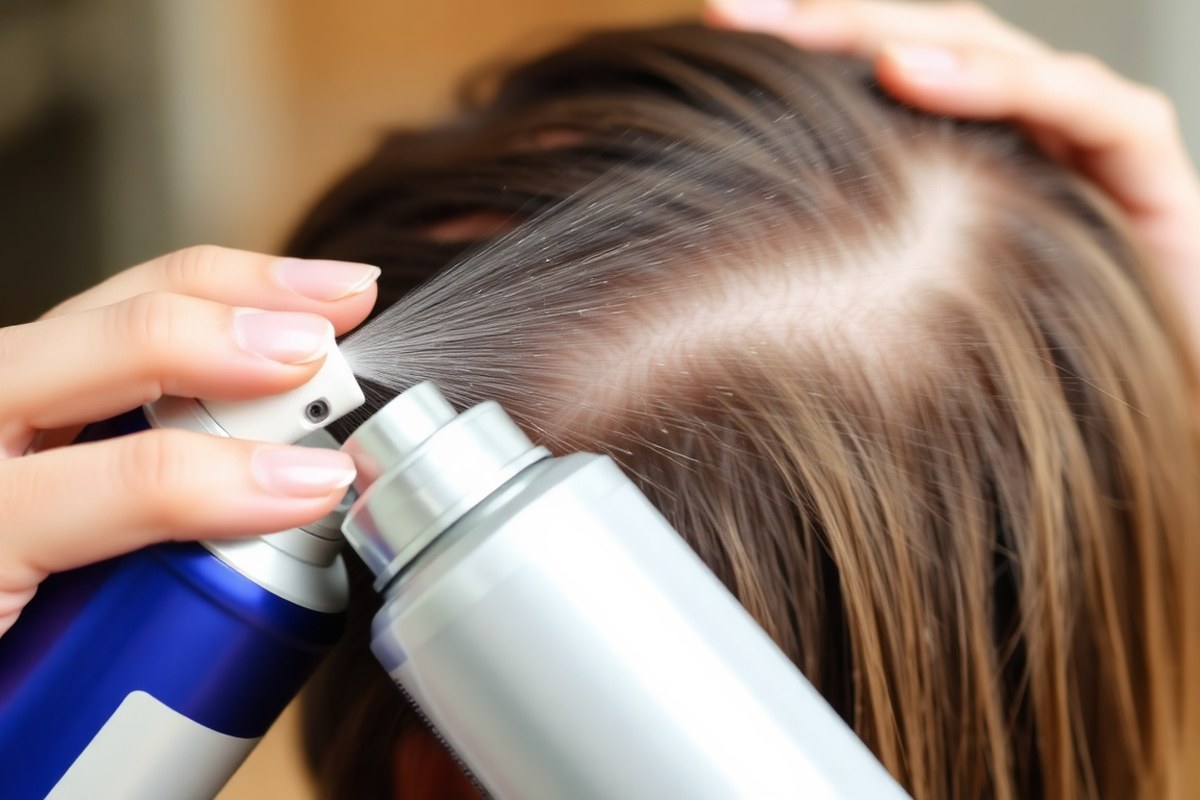
To avoid this, use dry shampoo only one or two times a week. Spray it from 6 to 10 inches away from your scalp. Wait two minutes before brushing the dry shampoo in.
This helps it absorb oils better. These steps help keep your scalp clean and prevent flakes.
Key Takeaways
- Dry shampoo does not directly cause dandruff but can worsen scalp buildup.
- Use dry shampoo no more than two days in a row for healthy scalp.
- Spray dry shampoo 6 to 10 inches away for even coverage without irritation.
- Let dry shampoo sit for two or more minutes to absorb oil well.
- Frequent use without washing allows oil and flakes to accumulate, inviting fungus.
- Switch to gentle, sulfate-free shampoos to help if flakes feel like dry scalp.
Does Dry Shampoo Directly Cause Dandruff?

Dry shampoo does not directly cause dandruff. Dandruff comes from too much oil and yeast on your scalp.
Dry shampoo does not cause dandruff itself. The product’s job is to absorb oil, but that doesn’t treat dandruff’s root cause.
Sometimes, dry shampoo powder can look like dandruff flakes. Using too much or not blending dry shampoo well causes white residue.
People often mistake this residue for flakes. This false alarm can make you think dandruff is there when it’s really leftover product.
Using dry shampoo too often without washing your scalp can lead to buildup. This buildup can clog pores and irritate the scalp, conditions that might encourage dandruff to form. So, it’s not the dry shampoo alone but how you use it that matters.
Avoid dry shampoo when dealing with scalp problems like seborrheic dermatitis or dry skin. It can make these conditions worse. Proper washing and sometimes medication are needed to manage true dandruff.
What Is Dandruff and How Is It Different from Dry Scalp?
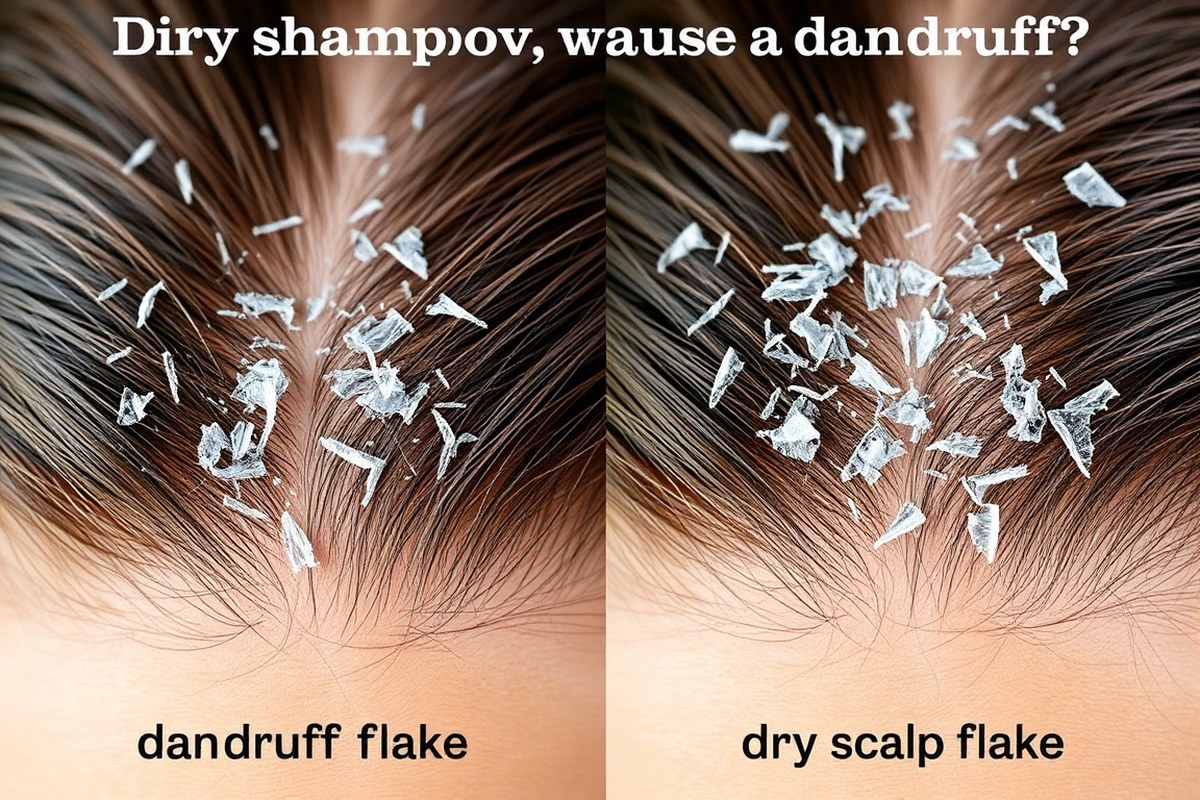
Dandruff and dry scalp both cause flakes, but they feel and look different. Dandruff involves a fungal issue and often makes your scalp red and oily. Dry scalp usually feels tight, itchy, and flakes are smaller and less oily.
Symptoms of Dandruff
Dandruff comes from seborrheic dermatitis, a condition that makes your scalp oily and red. You’ll notice white or yellow flakes that stick to your hair and shoulders. The scalp can feel itchy or irritated due to the fungus overgrowth.
Other symptoms of dandruff include scalp redness and scales that shed more than usual. People with seborrheic dermatitis might also see greasy patches on the scalp. Flaking can happen frequently and worsen without treatment.
Signs of Dry Scalp
Dry scalp happens when your scalp loses moisture, making skin tight and flaky. The flakes are usually smaller, dry, and fall off easily with no oiliness. It often causes itchiness and a feeling of tightness.
Unlike dandruff, dry scalp doesn’t cause redness or greasy patches. The cause is usually environmental factors or harsh hair care products.
Dry shampoo overuse may dry out your scalp. But that alone usually doesn’t cause dandruff.
How to Differentiate Flakes
Look at the flakes closely: dandruff flakes are larger, oily, and yellowish-white. Dry scalp flakes are tiny, dry, and white. Also, dandruff often comes with redness or irritation; dry scalp usually does not.
Here’s a checklist to help tell them apart:
- Flake size: dandruff flakes are bigger and clumpier.
- Scalp appearance: dandruff causes red or oily areas.
- Flake texture: dry scalp flakes are fine and powdery.
- Itchiness: common in both, but dandruff often feels more intense.
- Scalp condition: oily with dandruff, tight and dry with dry scalp.
- Flake location: dandruff flakes stick to hair and shoulders.
- Reaction to washing: dandruff may flare when washing less.
Persistent or worsening flakes that don’t improve with moisturizing might be dandruff. If your scalp is red or oily with flakes, check with a dermatologist. They can confirm if seborrheic dermatitis is present and suggest treatment.
Use a magnifying mirror and good light to check flakes and scalp condition closely.
How Dry Shampoo Works and Its Impact on the Scalp
Dry shampoo freshens hair by absorbing oils without water. It usually contains powders or alcohols to soak up sebum and reduce grease. This helps hair look cleaner faster but does not cleanse away dirt or dead skin cells.
Common dry shampoo ingredients include natural absorbents, fragrances, and propellants. Some products use powders like rice starch or clays that gently soak oil and odors. Some dry shampoos use alcohol or chemical preservatives.
These can dry out your scalp over time. They may also cause irritation if used too often.
When dry shampoo is used too often, residue builds up on the scalp and hair strands. This buildup traps oils and dead skin, creating a layer where dandruff-causing yeast might thrive. Using dry shampoo too much can block your pores.
This disrupts your scalp’s natural balance. It may cause more flakes or irritation.
| Factor | Description | Impact on Dandruff |
|---|---|---|
| Skin Type | Oily or dry scalp differences | Oily scalp may increase yeast; dry skin can worsen flakes |
| Usage Frequency | How often dry shampoo is applied | Frequent use raises buildup and irritation risk |
| Ingredient Sensitivity | Allergic reactions to product components | Can worsen scalp conditions and trigger dandruff |
Using dry shampoo less often helps prevent buildup. Scalp tonics with witch hazel or tea tree offer oil control without residue. Weekly scalp scrubs and clarifying shampoos remove excess oils naturally.
Dry shampoo sprays often have butane or propane, which might irritate sensitive scalps. Cream versions use mineral ash to exfoliate but can disrupt balance if overused. Choosing products with gentle, natural ingredients lowers the chance of flakes or irritation.
How Often Should You Use Dry Shampoo to Protect Scalp Health?
Using dry shampoo no more than two days in a row helps protect your scalp. Dermatologists recommend this to avoid irritation, dryness, and buildup that can trigger dandruff. Using it every day or leaving it on long can clog follicles.
This causes flakes to appear. Avoid overusing to keep your scalp healthy.
Use dry shampoo only when needed, like after workouts. Try not to apply it every day. This helps prevent buildup and irritation.
Avoid spraying it before bed since leaving product on overnight may cause dryness. Plan to wash your hair with water and shampoo within 48 hours to clear any residue.
Keep dry shampoo use under three continuous months. This helps prevent long-term scalp damage, which might worsen dandruff or scalp sensitivity. Notice itching or flakes?
Cut back on dry shampoo use. Watch how your scalp reacts after reducing application.
Use dry shampoo for up to two days in a row. Then wash your hair with shampoo and water. This keeps your scalp clean and balanced.
This prevents buildup and lets your scalp breathe. Fresh hair and a clean scalp reduce dryness and irritation that make flakes worse.
People with already dry or sensitive scalps should cut down even more. Using dry shampoo once or twice a week may work better for them. Extra moisture from conditioners or scalp treatments can also help balance dryness from dry shampoo use.
How to Apply Dry Shampoo Correctly to Avoid Flakes and Irritation
To avoid flakes and scalp irritation, spray dry shampoo from 6 to 10 inches away. Then, gently massage it into your roots and run your fingers through your hair. This spreads the product evenly and keeps it invisible.
Prepare Hair Before Application
Make sure your hair is dry before applying dry shampoo. Damp hair makes the product clump and cause flakes. If you sweat after a workout, towel-dry your hair first.
Section your hair to reach the roots easily. Focus on oily spots like your crown and hairline. This helps the dry shampoo work where you need it most.
Spraying at Correct Distance
Hold the dry shampoo can 6 to 10 inches away from your scalp. This distance lets the spray disperse evenly without leaving white patches. A closer spray dumps too much powder on one spot.
Use short bursts instead of continuous spraying. Aim for light coverage first, then add more if needed. This prevents buildup and visible residue.
Massage and Wait Before Brushing
Gently massage your scalp with your fingertips after spraying. This spreads the powder into your roots and breaks it up. Avoid scratching; use soft circular motions.
Wait 1 to 2 minutes before brushing or styling. Letting dry shampoo absorb oil before brushing reduces flakes and irritation. This pause also freshens your scalp better.
Brush Out Residue Gently
Use a boar bristle brush or a clean wide-tooth comb. Brush slowly through your roots to remove excess powder. Fast brushing can stir up flakes or irritate the scalp.
Don’t over-brush. Stop brushing once the dry shampoo looks invisible. Check your hair in natural light to spot any leftover residue.
Frequency and Timing Tips
Use dry shampoo only between regular washes. Avoid applying it every day, as buildup can cause irritation and flakes. Three uses per week or less is best for scalp health.
Apply dry shampoo midday or morning when oil buildup shows. Don’t rely on it as a full replacement for shampooing. Proper washing keeps your scalp balanced and clean.
- Make sure hair is completely dry before application.
- Section hair to access oily roots easily.
- Hold the spray 6 to 10 inches from your scalp.
- Apply short bursts, focusing on oily areas.
- Gently massage the scalp with fingertips for 30 seconds.
- Wait 1 to 2 minutes before brushing hair.
- Brush out residue slowly with a soft brush or comb.
- Limit use to a few days per week, not daily.
Don’t spray dry shampoo too close to your scalp to avoid white flakes.
Which Dry Shampoo Ingredients Can Worsen Dandruff or Cause Irritation?
Some dry shampoo ingredients can irritate your scalp or make dandruff worse. Talc, alcohol, and artificial fragrances often cause these problems. People with sensitive or already irritated scalps should avoid these to prevent more itching or flaking.
Choosing dry shampoos with simpler, natural ingredients reduces the risk of flare-ups. Look for products labeled “minimal ingredients” or “fragrance-free.” These options are gentler and less likely to trigger fungal scalp issues, which worsen dandruff.
Here’s a quick comparison table. It shows what to avoid. It also shows safer choices in dry shampoos.
| Ingredient | Why to Avoid | Gentler Alternatives |
|---|---|---|
| Talc | Can clog pores and irritate scalp | Rice starch, oat starch |
| Alcohol | Dries scalp, harms natural oils | Aloe vera, glycerin |
| Artificial Fragrances | May cause allergic reactions or irritation | Unscented, naturally scented with essential oils |
Look for dry shampoos with plant-based starches for oil absorption. These keep your scalp comfortable without added dryness. Aloe vera or glycerin help keep your scalp hydrated, balancing natural oils.
Watch out for added fragrances, especially if you notice itching. Unscented products lower the chance of allergic scalp reactions.
Spot sudden irritation or more flaking? Switch to a gentler formula or stop using dry shampoo.
Natural ingredients usually cost a bit more but protect your scalp better. Gentle dry shampoos often run around $10 to $20 per bottle. Keep in mind that avoiding irritation saves time and money on treatments later.
How to Manage Dandruff If Dry Shampoo Is Partly to Blame
You can use dry shampoo with dandruff treatments, but do it carefully. Medicated shampoos help reduce flakes, while dry shampoo controls oil between washes. Balancing both keeps your scalp cleaner and less irritated.
Using Medicated Shampoos Correctly
Apply dandruff shampoos according to the instructions on the bottle. Most recommend using the shampoo 2 to 3 times a week. Leave the shampoo on your scalp for 5 minutes to let it work before rinsing.
Dry shampoo should be used on days you don’t wash with medicated shampoo. Avoid applying dry shampoo right after using dandruff shampoo, as residue could build up. This helps prevent extra flakes caused by product layering.
Adjusting Washing and Dry Shampoo Schedule
Wash your hair regularly with water and shampoo to keep your scalp healthy. Try washing every other day or as your scalp needs to avoid too much buildup. Use dry shampoo only on non-wash days to avoid overloading your scalp.
Overusing dry shampoo can cause buildup, worsening flakes. Keep dry shampoo use to no more than 2 to 3 times a week. Rinse your hair thoroughly on wash days to remove leftover dry shampoo particles.
- Use medicated shampoo 2 to 3 times a week
- Wash hair with regular shampoo on other days
- Use dry shampoo only on non-wash days
- Limit dry shampoo use to 2 to 3 times a week
- Rinse hair well on wash days
Adjust these steps depending on how oily or flaky your scalp feels. More flakes might mean you need extra medicated shampoo or fewer dry shampoo applications.
Natural Remedies to Soothe Scalp
Some home remedies can help ease scalp irritation from dry shampoo buildup. Coconut oil massages can hydrate dry patches and reduce itchiness. Apply a small amount once or twice a week, letting it sit 20 minutes before washing.
Apple cider vinegar rinses help remove leftover product and restore scalp balance. Mix 1 part vinegar with 3 parts water. Apply after shampoo.
Rinse after 5 minutes. Limit this to once a week, as too much acidity can dry your scalp.
When to Seek Medical Advice
Flakes and irritation might need a dermatologist’s checkup. Consider seeing one.
Persistent flaking might be a sign of seborrheic dermatitis or another scalp condition. A doctor can prescribe stronger treatments or identify other causes.
Stop using all hair products if you notice severe redness or itching. Medical advice is important before resuming dry shampoo or dandruff shampoo. Early care helps prevent worsening scalp health.
When to Stop Using Dry Shampoo and See a Dermatologist
Stop using dry shampoo if your scalp shows constant redness, pain, or swelling. These signs may mean irritation has become serious. Persistent itching or flaking despite your best efforts also calls for a dermatologist.
A dermatologist can provide treatments beyond over-the-counter remedies. They might prescribe medicated shampoos or topical creams that reduce inflammation and control dandruff. A fungal infection may require stronger antifungal treatments to heal.
Watch for symptoms like:
- Severe, persistent itchiness that does not improve
- Scalp redness, swelling, or tenderness
- Flakes that are thick, yellow, or greasy
- Hair loss or unusual bald patches
- Cracks or sores on the scalp
- Burning sensation or pain when touching your scalp
When dry shampoo worsens these, stop using it immediately. Let the scalp breathe and keep it clean with gentle washing. Waiting longer risks worsening infection or damage.
Do not ignore scalp symptoms lasting more than two weeks. Visit a doctor if issues persist after you stop dry shampoo.
Seeing a dermatologist usually involves a visit costing around $100 to $300 without insurance. They will examine your scalp and may do tests to find the exact cause. Some treatments improve symptoms within weeks, but persistent cases might take a few months.
Early treatment can prevent scarring or chronic scalp disorders. Your scalp might heal with gentle care and stopping dry shampoo. This can help you avoid using medication entirely.
A professional diagnosis can give you the right treatment. This helps stop dandruff or irritation from getting worse.
Step-by-Step Action Plan for Healthier Scalp with Dry Shampoo
Follow these steps to use dry shampoo without worsening dandruff. Track your scalp’s response to keep it healthy.
- Before you start: Choose a dry shampoo with gentle ingredients like rice starch or oat extract. Avoid heavy alcohol or fragrance to reduce irritation.
- Day 1: Apply dry shampoo on dry hair, spraying 6-8 inches away from your scalp. Let it sit 5 minutes, then brush thoroughly to stop flakes.
- Week 1: Use dry shampoo no more than twice a week. Notice if itching or flaking increases; if yes, reduce use.
- Week 2: Introduce a mild, anti-dandruff shampoo in your regular wash routine. Watch if dandruff improves with proper washing.
- After 2 weeks: Give your scalp a rest day with only water and gentle massage. Check if scalp feels less dry or irritated.
- Week 3: Adjust dry shampoo frequency based on scalp health. Stick to the level that avoids buildup and itching.
- Ongoing: Keep scalp clean by washing at least 2 times a week. Use a dermatologist-recommended shampoo if dandruff persists.
Frequently Asked Questions
Can Dry Shampoo Cause Dandruff by Itself?
No, dry shampoo does not cause dandruff by itself. It absorbs oil but does not treat or cause the fungus that usually leads to dandruff.
Does Using Dry Shampoo Too Often Increase Dandruff?
Yes, using dry shampoo too often can cause buildup. This buildup may irritate your scalp and make dandruff worse over time.
Can Dry Shampoo Dry Out My Scalp and Mimic Dandruff?
Dry shampoo can dry out your scalp if overused. This dryness might look like dandruff, but it’s actually scalp irritation.
Are There Dry Shampoos Made Specifically to Fight Dandruff?
No, dry shampoos don’t usually contain ingredients to fight dandruff. They only remove oil and do not treat scalp conditions.
Can Dry Shampoo Clog Hair Follicles and Cause Hair Loss?
Overusing dry shampoo without washing can clog follicles. Clogged follicles may lead to hair loss if left untreated.
When Should I Stop Using Dry Shampoo Because of Scalp Issues?
Stop if you notice itching, flaking, or irritation after using dry shampoo. Seeing a dermatologist is a smart next step.
Before You Go
Dry shampoo itself doesn’t cause dandruff. But using it too much can worsen your scalp condition.
Paying attention to ingredients and method helps keep flakes away. Try adjusting your routine to see clearer, healthier skin on your scalp.