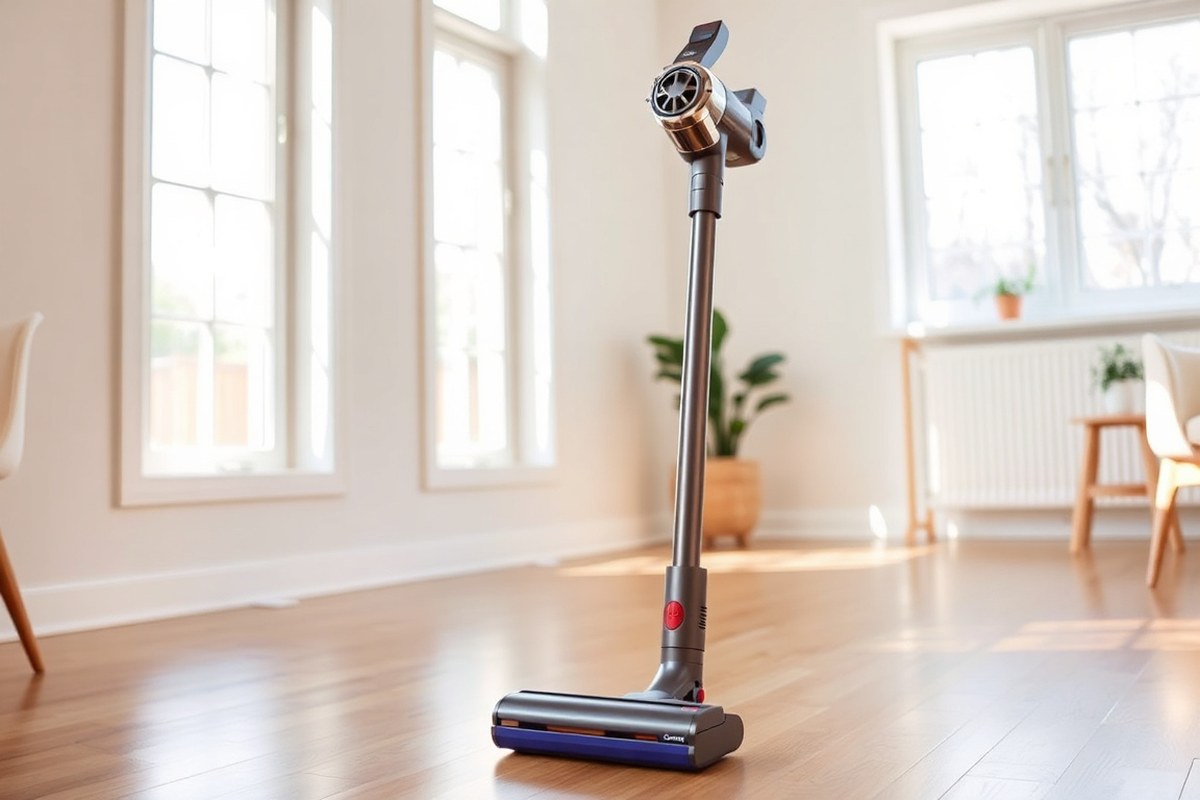
Is the Dyson Worth It? A Complete Guide to Features, Costs & Performance
Is the Dyson worth it? You get strong cleaning and useful features with some Dyson models. Dyson vacuums offer solid suction, smart tech, and a light design that makes handling easier.
Check your budget. Some models cost more but include bonuses. For example, longer battery life or wet cleaning.
Dyson’s battery life varies by model, so pick one that matches how you clean. The Cyclone V10 Origin runs up to 60 minutes.
It works better for big jobs than the V8’s 50 minutes. Remember, heavier models might feel tougher to carry, so try holding one before buying.
The cleaning power usually beats many competitors, especially on carpets and pet hair. Dyson’s unique filters and cyclone technology keep dust locked away, which helps with allergies.
Dyson’s cordless vacuum helps you clean many rooms fast. It works well on mixed floor types.
Key Takeaways
- Choose a Dyson model with enough battery life for your usual cleaning tasks.
- Higher price often means longer runtime and extra features like UV cleaning.
- Lightweight designs ease carrying but check the weight before buying.
- Dyson’s suction performs well on carpets and pet hair compared to others.
- The vacuum’s sealed filtration helps reduce allergy-triggering dust in your home.
- Consider whether you want dry vacuuming only or wet cleaning options too.
Is a Dyson Vacuum Worth the Price?
Dyson vacuums often come with a higher price tag than many other brands. You pay more upfront.
Prices range from $350 for a V8 Absolute to $750 for premium models like the Fluffy Optic. This cost reflects their strong cleaning power, innovative features, and generally better durability.
The value you get depends on your cleaning needs and budget. Dyson machines weigh between 6 and 7 pounds, making them lighter than many competitors.
These vacuums are easier to move around your home. They save your arms from extra strain.
Dyson vacuums tend to require less maintenance over time. Their advanced cyclone technology traps more dust, reducing filter clogs and improving suction consistency. This means fewer replacements and service calls, which can save you money in the long run.
Compared to brands like Shark or Bissell, Dyson shows better overall cleaning efficiency on various surfaces. You may pay more initially.
But their machines hold up longer and maintain performance better. This often makes the investment worthwhile for people who clean frequently or have multiple floor types.
You need a vacuum with strong allergen control or cordless convenience. Dyson’s innovations often make the price worth it.
For example, their extensive sealing and HEPA filtration reduce dust escape, which benefits allergy sufferers. That adds extra value you may not get from cheaper models.
If your cleaning needs are simple or budget is tight, consider cheaper options. They offer similar performance at lower cost. Newer Dyson models are more affordable.
The V8 Absolute costs about $350 and works reliably. Still, spending less often means sacrificing some advanced features or longevity.
Dyson vacuums are worth the higher price due to long-term use and strong cleaning power. You clean often, have different floor types, or care about easy use and upkeep.
Then, a Dyson vacuum can be worth it. For more occasional or simple cleaning, cheaper brands might meet your needs without all the extras.
How Dyson Vacuums Compare Across Models and Features

Dyson offers several vacuum models, each built for different cleaning needs. Cordless stick vacuums are lightweight, ranging from 5 to 10 pounds.
They provide 20 to 60 minutes of runtime. These are good for quick cleans or smaller homes.
The V8 Animal is popular with pet owners. It has two power modes. The vacuum uses whole-machine filtration for better cleaning.
It delivers solid deep-cleaning on carpets. The V9 Motorbar offers about 40 minutes of fade-free power and stays lightweight for easy handling.
For longer cleaning sessions, look at the V15 Detect™ Pro. It boosts runtime up to 120 minutes with twice the power of earlier models. This suits large homes or thorough whole-house cleaning.
Dyson designs their newer models with the motor, wand, and dust cup in a straight line. That improves suction efficiency across surfaces.
| Model | Weight (lbs) | Runtime (minutes) | Key Features | Price Range ($) |
|---|---|---|---|---|
| V8 Animal Cordless Stick | 5-6 | 40 | Two power modes, whole machine filtration | ~$300-$400 |
| V9 Motorbar | 6-7 | 40 | Lightweight design, fade-free power | $400-$500 |
| V15 Detect™ Pro | 8-10 | 120 | 100% more power, dust detection tech | $700-$800 |
| Gen5Detect | 8-10 | , | Advanced sensor tech for deep cleaning | ~$1,050 |
| R2 Nurovi Wash+Dry (Robot) | , | , | Uses Reuleaux pads for corner cleaning | $699 |
Dyson’s robotic vacuum, the R2 Nurovi Wash+Dry, focuses mainly on floor mopping. It uses triangular cleaning pads to reach corners better than many other robot vacs.
It is a different kind of tool, meant for hands-off floor cleaning. Cordless sticks need manual operation and offer more versatile cleaning, including carpets and upholstery.
The cordless sticks offer quick tool swaps and cleaning modes for different surfaces. Robot vacuums like the R2 handle consistent floor cleaning independently but lack cordless versatility. Choosing between them depends on your cleaning style and home needs.
Keep vacuum brushes free from hair to maintain suction and extend motor life.
What Affects Dyson Vacuum Battery Life and Maintenance Costs?
Dyson vacuum batteries generally run between 40 to 60 minutes per charge. You can keep them healthy by avoiding extreme temperatures and following proper charging habits.
Filters need replacement every 6 to 12 months. Maintenance costs stay relatively low due to durable parts and reasonable replacement prices.
Battery Care Tips
Dyson batteries usually last about four to five years, depending on use and care. Running your vacuum in high-power mode constantly can shorten battery lifespan. Charging the vacuum immediately after use and storing it at room temperature helps extend battery life.
Keep batteries away from freezing cold or hot environments, which can cause damage. Never leave your Dyson plugged in forever; unplug once fully charged. Check your vacuum’s run time often.
If it gets shorter, the battery might be bad. Slow charging also means it may need a replacement.
- Charge right after vacuuming, then unplug
- Store vacuum at 68°F (20°C) room temperature
- Avoid running on boost mode all the time
- Replace battery after 4 to 5 years or if runtime shrinks
Following these steps helps your battery last longer and maintain good power. Dyson battery replacements cost $100 to $150.
This price beats buying a new vacuum. It’s a cost-effective way to keep your vacuum working.
Filter Replacement Guidelines
Dyson HEPA filters capture 99.99% of bacteria and dust, keeping air cleaner. The brand recommends replacing filters every 6 to 12 months depending on usage frequency.
Some models let you wash filters to extend their life. But replacement is still necessary eventually.
Ignoring filter changes can clog your vacuum and reduce suction power. Watch for signs like weaker suction or dusty air coming out.
Replacing filters typically costs $20 to $30 and is a simple DIY task. So it won’t add much to your maintenance costs.
- Replace HEPA filters every 6 to 12 months
- Wash filters monthly to keep them fresh
- Look for suction loss or dust clouds as warning signs
- Purchase official filters from Dyson or authorized retailers
Keeping filters fresh helps maintain suction and protects your vacuum’s motor. Clean filters also mean the air around you stays cleaner while you vacuum.
Other Maintenance Costs
Most Dyson vacuums require straightforward upkeep like cleaning brush bars and compartments. Brush bars can get tangled with hair or debris, which weakens cleaning performance. Regularly removing hair and debris from brushes can save costly repairs.
Dyson sells official replacement parts, including brush bars, batteries, and filters. Prices vary, but parts are generally affordable compared to buying a new vacuum. The warranty covers repairs and replacements, giving added peace of mind for your investment.
- Clean brush bars monthly to prevent jams
- Replace brushes every 1 to 3 years if worn
- Expect battery replacement costs around $100 to $150
- Filters cost about $20 to $30 each
- Use Dyson’s warranty and service centers if needed
You’ll likely spend less on maintenance compared to cheaper models that need full replacements more often. Staying on top of care ensures your Dyson vacuum works well for many years without surprises.
How Does Dyson’s Cleaning Performance Compare to Competitors?
Dyson vacuums offer strong suction that works well on both carpets and hardwood floors. Their high-speed digital motors generate consistent power, lifting dirt and ground-in pet hair effectively. This suction strength removes allergens other vacuums might leave behind.
Dyson makes a solid choice if you have pets. It helps keep your home cleaner and fresher.
Compared to brands like Shark and Bissell, Dyson typically outperforms in cleaning efficiency on mixed flooring. The Dyson V11 and V15 models catch around 95% of sand and debris. They work well on both carpets and hard floors.
This cleaning power is impressive for home use. Shark models often feel better built but don’t clean carpets as deeply. Bissell vacuums have varied suction strength.
They usually cost less than Dyson. But they don’t clean pet hair as well.
Dyson handles pet hair very well. It uses cyclone suction and HEPA filters. This design removes hair and allergens effectively.
The Dyson Ball Animal 2 and Ball Animal 3 Extra stand out. They pick up stubborn pet hair easily.
These models work well on floors and carpets. Their HEPA filters trap 99.99% of allergens down to 0.1 microns, preventing dander from recirculating in your home.
Dyson vacuums also offer multiple cleaning modes to adjust suction power. This flexibility lets you protect hardwood floors while still getting a deep clean on carpets.
On hardwood, you’ll notice dirt and pet hair removed without damage. Carpets get a thorough lift of embedded debris.
Despite being expensive, Dyson vacuums deliver reliable suction across different surfaces and pets. Regular maintenance like cleaning filters and brush bars helps maintain that suction. Skipping upkeep lowers vacuum power over time.
Cleaning suffers, especially on thick carpets. Homes with pets need regular maintenance for best results.
How Long Do Dyson Vacuums Typically Last and Retain Value?
Dyson vacuums typically last between five and seven years with proper care. The exact length depends on how often you use the vacuum and on regular maintenance. You can expect more wear using it on rough surfaces daily.
Thick carpets also cause the vacuum to wear out faster. This heavy use shortens its lifespan significantly.
To extend your Dyson’s lifespan, clean or replace filters every couple of months. Empty the bin regularly to avoid blockages.
Check the brush bar for tangled hair or debris. Leaving these parts dirty often leads to motor strain and reduced suction power over time.
Dyson vacuums maintain resale value better than many other brands. Models with a full warranty usually sell for 50% to 70% less. Recent purchases often keep this price range.
It depends on model condition and seller. Condition and included tools significantly affect the resale price. So keeping everything clean and intact matters.
Battery life depends on the model and how you use it. Most last between 2 and 4 years before replacement. Heavy use can shorten these times.
The battery can cost around $100 to $150 for newer Dyson cordless vacuums. You’ll notice reduced runtime and weaker suction when the battery ages and weakens.
Always follow Dyson’s care instructions. Skipping filter cleaning or bin emptying shortens vacuum life and weakens suction.
What Unique Features Make Dyson Vacuums Stand Out?
Dyson vacuums use whole-machine HEPA filters to catch 99.97% of tiny particles. They trap pollen, dust mites, pet dander, and mold spores that cause allergies. These filters stop particles from escaping back into your home air.
The Dyson V15 Detect model adds laser dust detection to spot invisible dust on hard floors. A tiny green laser glows across the floor, showing microscopic dust you might miss. The vacuum’s light helps you spot hidden dust on floors.
It makes cleaning easier and more effective. This also lowers allergens in your home.
Dyson designs its vacuums for easy use and comfort. Most models weigh under 7 pounds. The PencilVac is especially light at less than 4 pounds.
Their slim, sleek shapes make it easy to reach under furniture and around tight corners. The ergonomic handles also reduce hand strain during longer cleaning sessions.
Advanced HEPA filters clean the air while you vacuum your floors. They help remove particles that can cause allergy problems. Breathing feels easier for people sensitive to dust.
The laser dust detection shines light on hidden dust so you don’t leave grime behind. The ergonomic design means you can vacuum longer without fatigue and tackle tricky spots quickly.
These features come at a higher upfront price. But the better filtration and sensing tech improve cleaning quality significantly. The V15 Detect uses a laser to show dust on your floor.
An LCD screen gives real-time info on dust and suction power. This helps you clean smarter and get better results. You’ll see less dust floating in the air after vacuuming.
The air also feels fresher in rooms with pets or allergy sufferers. This makes your home cleaner and healthier.
How to Choose the Right Dyson Model for Your Home and Budget
Choosing the right Dyson vacuum depends on your home’s size. You also need to consider your floor types. Pets and budget matter too.
Smaller apartments usually do well with simpler models. Larger homes benefit from more powerful, feature-rich versions. Balancing your budget means picking features you really need and skipping extras you won’t use.
Consider Home Size and Floor Types
For small apartments, the Dyson V8 or V9 models work well. They are lightweight, easy to store, and have enough power for hard floors and some carpet. Larger homes benefit from the V11 or Dyson V15 Detect.
These models offer stronger suction and longer battery life. This helps clean bigger spaces without stopping.
Floor type matters because some vacuums adjust suction automatically. The Dyson V11 and V15 models have sensors that change power for carpets or hard floors. This makes cleaning more efficient and protects your floors from damage.
Factor in Pets and Allergies
Dyson vacuums with special tools and strong suction work best for pets. The V15 Detect Total Clean Extra removes pet hair well. It also handles allergens on many floor types.
This makes it great for homes with pets. It has a high-efficiency filter that traps tiny particles, which helps allergy sufferers breathe easier.
Basic models like the V8 pick up pet hair okay. They might struggle with deep carpet cleaning. Heavy shedding can be a problem too.
Advanced models use laser dust detection to find hidden debris pets leave behind. They also come with motorized heads that grab stubborn hair effectively.
Set Realistic Budget Priorities
Dyson vacuums range from about $300 to over $700. The V8 is a smart choice under $400. It offers cordless convenience without too many extras.
Spending $600 to $700 gets you the V11 or V15. These have longer battery life and tech that improves cleaning.
Saving money by choosing cheaper models might mean less power or fewer attachments. Spending more gives features like automatic suction adjustment, LCD screens, and better filters.
Match your budget to your needs for the best value. Focus on features that matter for your home and lifestyle.
Common Dyson Vacuum Issues and How to Fix Them
Dyson vacuums are strong but can have problems sometimes. They might lose suction or get brush jams. The battery can also wear out over time.
Many of these problems are easy to fix yourself with some basic steps. Knowing what to check can save time and money before you call for professional help.
Troubleshooting Loss of Suction
Loss of suction often happens because the filters or dust bin are clogged. Dyson vacuums have a HEPA filter that needs regular cleaning to keep airflow strong.
Look at the dust bin and empty it when full. Try to empty it outside to avoid dust inside.
Cleaning the filters is simple. Remove them, tap off dust, and rinse under cold water without soap.
Let filters dry completely for 24 hours before putting them back. Dirty or wet filters restrict airflow and reduce suction.
- Empty the dust bin after each use or when visibly full
- Remove and clean HEPA filters every 1 to 3 months
- Check air pathways for blockages or trapped debris
- Inspect seals and gaskets for gaps that reduce suction
- Use the appropriate suction power mode for your floor type
Do not run the vacuum without filters in place; it can damage the motor.
Following these steps usually restores strong suction quickly. Check for blockages in the hose or wand if suction stays low.
Clearing Brush Bar and Hose Blockages
The brush bar commonly jams because hair and threads wrap around it. This reduces cleaning power and can strain the motor. Turn off the vacuum and unplug it before handling the brush bar.
Remove the brush bar by unlocking the base plate, then cut away hair carefully with scissors. Clean the bristles and check for debris stuck inside the wand or hose. Blockages here cause the vacuum to lose suction or stop running.
- Unlock and remove brush bar cover
- Cut and remove hair or string wrapped around brush bar
- Examine hose and wand for clogs; remove any blockages
- Reinstall brush bar securely before using the vacuum
- Regularly clean attachments made for tight spots
Never use sharp objects inside the hose to avoid damage or punctures.
Check the brush bar often if you have pets or long hair in your home. Blockages usually cause visible signs like reduced rolling or odd sounds.
Battery Performance Issues and Replacement
Dyson cordless vacuums use lithium-ion batteries that lose capacity over time. The battery probably needs changing if the vacuum does not run or stops fast. Dyson makes these user-replaceable, so you don’t have to buy a new vacuum.
Unplug the vacuum first. Take off screws or clips that hold the battery.
Then put in a new official Dyson battery. Costs for replacement batteries vary but often range from $70 to $150 depending on the model.
- Charge battery fully before first use and after each cleaning
- Avoid storing vacuum in very hot or cold places to preserve battery life
- Replace batteries after about 2 to 3 years or if runtime drops significantly
- Use only Dyson-approved batteries for safety and performance
- Dispose of old batteries following local hazardous waste rules
Attempt professional repair if you notice unusual heat, smoke, or swelling in the battery pack.
Contact Dyson support or a licensed repair shop if problems continue after battery change or there are motor issues. They can help diagnose deeper issues that DIY fixes won’t solve.
Your First Steps After Buying a Dyson Vacuum
Follow this simple plan to get the best use from your Dyson right away. Each step helps you see if the vacuum fits your needs.
- Day 1: Read the manual fully to understand all features. Check the vacuum runs smoothly and charges properly.
- Day 2: Test the vacuum on different floor types at home. Notice if suction and cleaning meet your expectations.
- Week 1: Use the right attachments for specific cleaning. Confirm they make cleaning faster or easier.
- Week 2: Empty the dustbin after every use. See if the process is easy and dust stays contained.
- Month 1: Monitor battery life on full charges. If battery drains quickly, consider adjusting settings or usage time.
- Every 3 months: Clean or replace filters according to instructions. Check if cleaning performance stays strong.
- After 6 months: Review wear on brush rolls and wheels. Replace parts as needed to maintain good pickup and movement.
Frequently Asked Questions
Is a Dyson Vacuum Worth It for Pet Owners?
Yes, Dyson vacuums handle pet hair and allergens well. Their advanced filtration and suction power make cleaning easier.
Does Dyson Offer Good Customer Support and Warranty Coverage?
Dyson provides up to 5 years warranty on some models. Their customer service is responsive for repairs and questions.
Can Dyson Vacuums Clean Multiple Floor Types Effectively?
Yes, Dyson models adapt well to carpets, hardwood, and tile. They maintain strong suction across different surfaces.
Is the Dyson V8 Animal Model a Good Value Purchase?
The V8 Animal is worth it if you need strong suction and solid filtration. It suits homes with pets and various floor types.
How Does Battery Life Affect the Usability of Cordless Dyson Vacuums?
Shorter battery life limits cleaning time per charge. Some models last about 40 minutes, enough for most rooms.
Are Dyson Vacuums Noisy Compared to Other Brands?
Dyson vacuums tend to be quieter than many brands. Their motors are designed to reduce noise without losing power.
Final Thoughts
Dyson vacuums provide solid cleaning and lasting value if you use and maintain them well. A well-chosen model and timely upkeep ensure you get the most for your money. Start by picking the right model that fits your floors and budget best.