How to Cover Gray Hair: 8 Proven Methods for Perfect Coverage
How to cover gray hair depends on choosing the right method for your needs. Temporary sprays or powders work well for quick fixes. Permanent dyes offer full coverage.
Decide how long you want your hair color to last. Think about how much time you have to spend on coloring. This helps pick the best dye type for you.
Using permanent dye usually gives the most complete gray coverage. Apply dye to your roots first. Leave it there for about 20 minutes.
Then cover the rest of your hair and wait 10 more minutes. Wrapping your hair in a warm towel during processing helps the dye penetrate better.
Make sure your hair is clean and dry before applying color. Also, always do a patch test 48 hours ahead to avoid allergic reactions. Proper preparation avoids common mistakes and protects your scalp.
Key Takeaways
- Apply permanent dye first to roots for 20 minutes to target gray hairs.
- After roots, apply dye to hair length for 10 more minutes for even coverage.
- Wrap hair in a warm towel while dye sets to help color absorb better.
- Use temporary sprays to hide gray hair quickly and easily for special events.
- Always do a patch test 48 hours before coloring to prevent allergic reactions.
- Choose permanent dye for long-lasting coverage, semi-permanent for gentle color refresh.
1. Best Ways to Cover Gray Hair Completely

Permanent hair color provides the best way to cover gray hair completely. It penetrates the hair shaft and replaces natural pigment with color molecules. This process results in 100% gray coverage that lasts until new hair grows in.
Demi-permanent color also covers gray hair, but not as fully as permanent dye. It sits closer to the hair surface and fades after 20 to 28 washes.
Demi-permanent dye is gentler and less damaging. But it may not fully hide very stubborn or white gray strands.
A root touch-up product uses permanent color just on gray regrowth. This targets the problem areas without coloring all your hair.
You apply it every 4 to 6 weeks to cover new gray hair. This keeps grays hidden without doing a full dye each time.
Comparison of Gray Coverage Types
| Type | Gray Coverage | Duration | Damage Level | Typical Cost |
|---|---|---|---|---|
| Permanent Color | 100% | Lasts until hair grows out (4-6 weeks) | Moderate to high | $20-$60 (home kits) |
| Demi-Permanent Color | 70-90% | Fades in 20-28 washes | Low to moderate | $15-$40 (home kits) |
| Root Touch-Up | 100% on new growth | 4-6 weeks per application | Moderate | $10-$25 |
Goldwell Topchic is one permanent dye often recommended for full gray coverage. It gives a glossy finish and predictable results. You mix the dye with developer first.
Then apply it evenly to your hair. Leave it on for 30 to 45 minutes before rinsing.
Choosing a darker shade helps gray coverage since it fully hides silver strands. Lighter shades can sometimes leave grays visible or have a patchy look. Consistent root touch-ups ensure no new gray areas peek through.
Good results show even color with no exposed gray. Patchy color happens if the dye didn’t process long enough.
It can also occur if not all gray strands got covered. Overlapping new dye on previous color keeps results fresh and smooth.
2. How to Safely Color Gray Hair at Home
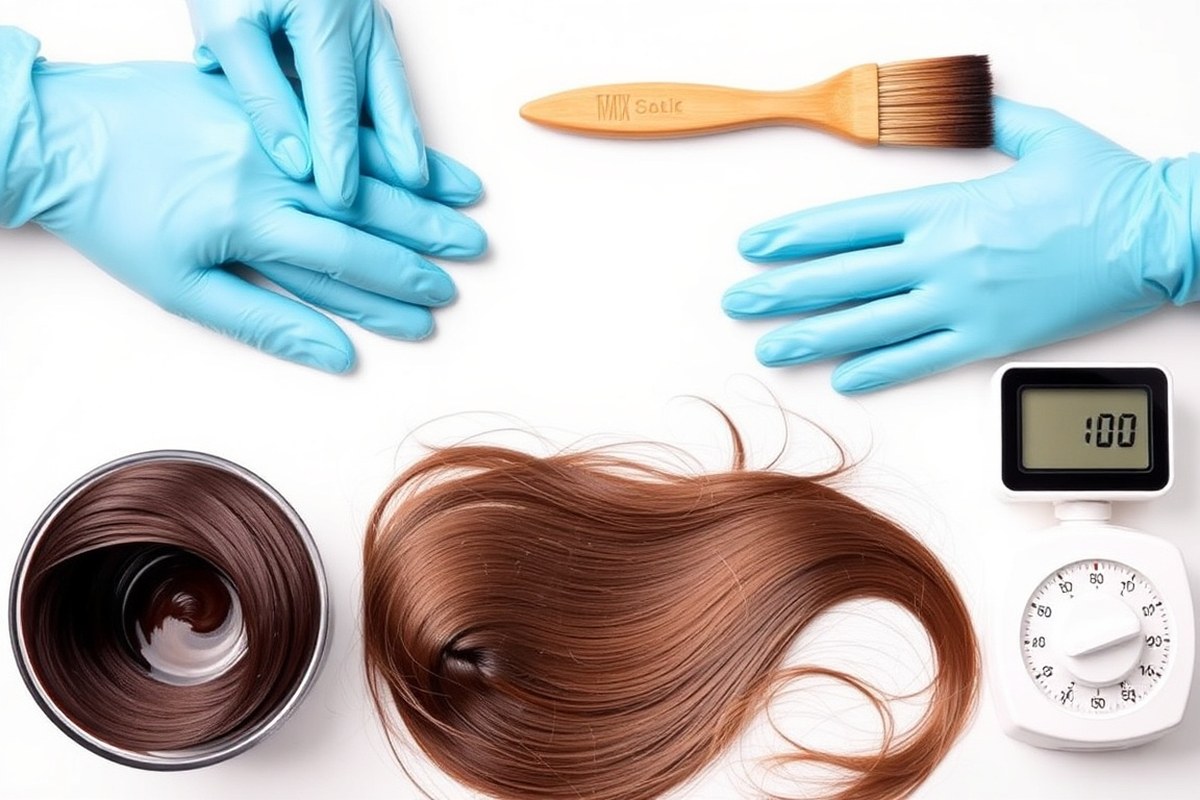
Coloring gray hair at home needs careful preparation to avoid damage. You want even coverage, no scalp irritation, and the color to last. Planning the steps helps you get a smooth, natural result every time.
Follow this step-by-step safety checklist to dye your gray hair at home. Each step helps protect your hair and skin while giving your color a fresh, even look.
- Choose the right dye. Pick a formula designed to cover gray hair well. Permanent dyes usually cover gray hair well. Check the ingredients carefully. Avoid harsh chemicals if your scalp feels sensitive.
- Do a patch test 48 hours before coloring. Apply a small amount of dye to a spot behind your ear or inside your elbow. Wait two days to see if redness, itching, or swelling appears. Stop using that dye when you notice any reaction.
- Cleanse your scalp and hair. Wash hair with a gentle shampoo before coloring, but skip conditioner. Clean hair lets the dye stick better and reduces buildup that can block color.
- Protect your skin and clothes. Apply a thin layer of petroleum jelly along your hairline and ears. Wear an old shirt and gloves to avoid stains and skin irritation.
- Mix and apply dye quickly but carefully. Follow the instructions exactly for the right color mix. Apply color starting at the roots where gray shows most, then spread to tips evenly. Use a tint brush for precision.
- Time your color. Leave dye on for 30 to 45 minutes, depending on the product. Check packaging for specific timing. Leaving it too long can irritate your scalp; too short won’t fully cover grays.
- Rinse thoroughly with lukewarm water. Rinse dye out gently until water runs clear. Avoid hot water as it can open hair cuticles and cause color to fade faster.
- Use color-safe conditioner. After rinsing, apply a conditioner made for colored hair to close cuticles and lock in moisture. This helps your hair feel smooth and keeps color vibrant.
Always perform a patch test 48 hours before dyeing to prevent allergic reactions and scalp irritation.
3. Permanent vs. Demi- and Semi-Permanent Color Explained
Permanents dyes fully penetrate the hair shaft by opening the cuticle. This makes them best for stubborn gray hair because they deposit pigment inside the strand. They usually last 4 to 6 weeks before fading and need root touch-ups.
Demi-permanent dyes use a smaller developer to slightly open the hair cuticle. They last longer than semi-permanent, about 24 to 28 washes, which can be around 4 weeks. Demi works well for blending grays but doesn’t fully cover thick, stubborn gray hairs.
Semi-permanent dyes only coat the surface of the hair and don’t open the cuticle. They last 4 to 6 weeks or 4 to 12 washes, fading gradually.
This type gives a tinted look, not full gray coverage. It works well for softening grays or refreshing color.
Permanent dyes cost more and require more care because they change your hair structure. You leave permanent dye on for 30 to 45 minutes.
Then rinse with cool water to lock in the color. It’s important to follow instructions carefully to avoid over-processing or damage.
Demi-permanent formulas take less time, about 20 to 30 minutes. They avoid harsh chemicals like ammonia, which can help keep hair healthier.
These dyes last longer and cause less damage. They cover most grays well.
Semi-permanent dyes cost less and are simple to apply at home. They don’t involve developers or harsh chemicals, so they’re gentler. Expect them to fade faster, especially if you wash often or use heat styling tools.
| Type | Gray Coverage | Longevity | Hair Effect |
|---|---|---|---|
| Permanent | Full coverage including stubborn gray | 4 to 6 weeks | Changes hair structure, requires care |
| Demi-permanent | Good coverage, blends some gray | About 4 weeks (24-28 washes) | Mild cuticle opening, less damage |
| Semi-permanent | Light tint, no full coverage | 4 to 6 weeks (4-12 washes) | No cuticle opening, gentle |
Choose permanent dyes for thick or hard-to-cover gray hair. They give the best results.
For softer coverage or less commitment, demi-permanent dyes work well, especially on younger grays. Semi-permanent is best if you want to add shine and soften grays without permanent commitment.
4. Temporary Gray Coverage Options and How to Use Them
Temporary products like root sprays, powders, and hair mascaras cover gray hairs instantly. These options work well when you need quick fixes without spending hours coloring. They last until your next shampoo and are easy to remove with regular washing.
Root Sprays and Their Usage Tips
Root sprays are colored mist formulas you spray directly on gray roots. Pick a shade close to your natural hair color for the best match.
Make sure your hair is dry and clean before spraying to ensure good coverage. Spray from 6 to 8 inches away.
Aim only at the gray roots. This gives a natural look.
- L’Oreal Paris Magic Root Cover Up
- Clairol Root Touch-Up Spray
- TouchBack Root Concealer Spray
- Color Wow Root Cover Up
- Kaypro Root Touch-Up Spray
Hold hair away from your face and spray evenly. Let the spray dry completely, which takes a few minutes. Avoid touching your hair until it’s dry to prevent smudging.
Root Powders and Application Guide
Root powders come in small containers with an applicator brush or sponge. You dab or brush the powder onto gray hairs for quick coverage.
This method is great for precise application, especially around hairlines or part areas. Apply the powder on dry hair and blend gently with your fingers or comb.
- Madison Reed Root Touch-Up Powder
- Color Wow Root Cover Up Powder
- Rita Hazan Root Concealer Powder
Use a light hand to avoid a patchy look. The powder typically lasts until your next shampoo and can be washed out easily.
Hair Mascaras and Brush-In Colors
Hair mascaras look like thick mascara tubes but hold colored cream instead. You brush over gray strands for instant color.
They’re ideal for covering smaller areas or a few grays quickly. Use the brush to apply color in small strokes along gray hairs.
- L’Oreal Paris Colorista Hair Makeup
- Clairol Root Touch-Up Brush-In Color
- Color Wow Root Cover Up Brush
Apply on dry hair and let it dry before touching or styling. Hair mascaras usually stay put through the day and wash out with shampoo.
5. Natural and DIY Remedies for Gray Hair Blending
Natural remedies like henna, black tea, and herbal rinses can help. They gently blend or darken gray hair for a subtle look. Try these if you prefer a natural option.
These options don’t deliver full coverage but soften the look of grays and add shine. They strengthen hair and provide subtle color changes with regular use.
Henna for Long-Lasting Color
Henna is a plant-based dye that stains hair in rich reds, browns, and auburns. Mix 100 grams of henna powder with lemon juice to make a smooth paste.
Let the paste sit for 6 to 8 hours at room temperature before applying. Section your hair and apply henna evenly from roots to ends.
Wrap your hair in plastic after applying henna. Leave it on for 2 to 4 hours.
The exact time depends on how dark you want your hair. Rinse with water, avoiding shampoo for 24 hours.
Black Tea and Herb Rinses
Strong black tea is a popular rinse to darken grays subtly, especially for brunette shades. Brew 4 to 5 tea bags in 2 cups of boiling water.
Steep the tea for 15 minutes. Then let it cool completely before using.
Pour the cooled tea over clean, damp hair. Let it sit for 30 to 60 minutes.
After that, rinse your hair well. Repeat several times weekly for best results.
Herbal rinses with sage, rosemary, or coffee work well too. They add shine and darken gray hair gently. These rinses use no harsh chemicals.
Other Popular Natural Masks and Oils
Mix powdered amla and fenugreek seeds into a smooth paste. Apply it as a conditioning mask on your hair.
It also helps darken your hair naturally. Apply to hair and scalp, leave for 1 hour, then rinse well.
Coconut oil boosts moisture and prevents dryness common in gray strands. Massage the oil into your scalp and hair at least twice a week.
Natural remedies work gradually and require consistent use. They won’t cover grays like commercial dyes but blend them softly over time.
Use plastic wrap when applying henna to keep it moist and improve color absorption.
6. Choosing the Right Shade and Technique for Natural Look
Pick a shade one or two tones lighter than your natural hair color. Lighter shades soften the contrast between your grays and natural hair. This approach blends gray strands easily.
It helps your hair look natural. It avoids harsh lines.
Balayage is a great technique for blending grays without drastic color changes. It adds subtle highlights that gradually lighten hair strands and frame the face. This method works well with more gray areas.
It avoids a full dye job. It stops harsh regrowth lines.
Lowlights add depth by coloring some strands a shade darker than your base hair color. These darker strands create dimension and break up the gray. Dark chocolate lowlights especially suit darker hair, adding richness while smoothing the gray’s appearance.
For light hair, shadow roots work well. They mix with highlights. They soften gray roots for a natural look.
This technique keeps the base darker near your scalp. Lighter strands brighten the rest of your hair. It helps avoid a stark line between gray and colored areas.
Touch-up sprays and color-depositing shampoos can refresh your shade between salon visits. Choose colors slightly lighter than your natural tone here.
So the gray blends better and looks like natural highlights. Expect these products to fade after 7 to 10 washes.
Professional-grade options like Redken Shades EQ deposit just a hint of pigment. This gentle tinting blends gray strands smoothly. It looks like soft highlights.
It avoids strong color changes. It suits those who want subtle gray blending without full dye coverage.
Choosing the right shade depends on your hair color. It also depends on your gray amount. Style goals matter too.
Balayage is flexible for partial gray coverage and offers natural streaks. Lowlights work better if you want to add warmth and depth, especially on darker hair.
7. Common Gray Hair Coloring Mistakes and How to Fix Them
Poor gray coverage often happens because gray hair is coarser and harder to dye. This tougher texture can cause the color to soak in unevenly, leaving patches behind. Over-processing with strong chemicals also weakens your hair, making it prone to breakage and dull color.
Faded or brassy gray hair happens when color fades unevenly. It can also occur when warm tones show beneath. This creates a dull or yellowish look.
Using a color-depositing shampoo or toner can restore the desired shade. Always rinse with cool water; hot water opens the cuticle and speeds fading.
Preventing damage starts with using a gentle, ammonia-free formula designed for gray hair. Avoid leaving dye on longer than the package suggests because gray hair can get brittle fast. Deep conditioning before and after coloring protects and strengthens your strands.
- Apply color in sections, starting from roots to tips for even coverage
- Use a plastic bowl and brush for thorough dye mixing and application
- Don’t overlap dye onto previously colored hair to avoid damage
- Check color development after 20 minutes, add time if grays aren’t covered
- Rinse with cool water and follow with a conditioner made for color-treated hair
- Schedule touch-ups every 4 to 6 weeks to cover new grays and maintain color
For patches, retouch those spots right after rinsing before the hair dries. Using a precision brush or even a cotton swab helps target missed areas.
Gray hair needs more care. So go easy on heat styling tools for several days after coloring.
Keeping hair healthy means regular trims to remove damaged ends and using leave-in conditioners. Avoid washing your hair daily.
This strips natural oils that protect your scalp and strands. With some practice, your color job will look smooth and natural, avoiding common mistakes.
8. Maintaining and Touching Up Gray Hair Color
Touch up gray roots every 4 to 6 weeks to keep coverage even. Use color-depositing shampoos and gloss treatments to keep color fresh and shiny. These simple steps prevent dullness and maintain a natural look between dyeing sessions.
Root Touch-Up Frequency and Methods
Gray roots typically show clearly about a month after coloring. So plan touch-ups every 4 to 6 weeks.
At-home root sprays and powders can provide quick fixes in between color sessions. For longer-lasting results, use semi-permanent dyes targeted at the root area without touching the lengths.
Touching up roots regularly avoids stark contrasts with gray hairs. Over-tightening your schedule to less than 4 weeks may increase hair dryness and damage. Watch how your hair feels after dyeing.
Adjust touch-ups if color fades. Check for new gray growth showing earlier.
Using Color-Depositing Shampoos and Conditioners
These shampoos add a little color each wash. They help keep your gray coverage fresh. Use them to boost fading color.
Use them 2 to 3 times a week instead of regular shampoo. They gently refresh faded colors and keep hair from looking washed out.
Some formulas include conditioners that smooth the hair surface, making color look more reflective. Stick to products designed for your specific hair color or shade to avoid unintended tones. Note that these shampoos won’t replace a full dye but extend the time between touch-ups.
Gloss Treatments to Improve Gray Coverage
Gloss treatments seal in color and add a shiny, smooth finish to dull gray hair. Apply a semi-permanent gloss on the lengths after coloring roots, just like salons do. This technique refreshes color vibrancy without harsh chemicals.
Glosses work by smoothing the hair’s surface, so strands look healthier and more reflective. Use gloss treatments every 2 to 4 weeks to boost shine and nourish dry hair. Look for glosses made for gray or silver tones to neutralize brassiness and brighten your shade.
Don’t skip conditioning treatments with color glosses; they protect hair and improve shine.
Step-by-Step Action Plan for Covering Gray Hair
Follow this plan to cover your gray hair safely and effectively. You’ll see clear results and keep your color looking fresh.
- Before you start: Choose your hair color type and shade based on your natural tone. Pick permanent dye for full coverage or demi-permanent for softer results.
- Day 1: Do a patch test 48 hours before coloring. No itch or redness means it’s safe to use the dye.
- Day 3: Apply hair color following package instructions. Check that the gray strands are fully covered once rinsed.
- Week 1: Use a color-safe shampoo and conditioner. Your hair will stay vibrant and less dry.
- Every 4 to 6 weeks: Touch up new gray roots with the same dye type. This keeps your color consistent and natural-looking.
- Weekly: Use a deep-conditioning treatment. This helps prevent color damage and keeps hair soft.
- Between applications: Use temporary color sprays or powders on visible roots. It hides gray hair on busy days.
- After 2 months: Assess if you want a color refresh or a new shade. Adjust based on your hair’s condition and your style preference.
Frequently Asked Questions
What Is the Easiest Way to Cover Gray Hair at Home?
Using a semi-permanent color is one of the easiest ways to cover gray hair at home. It needs less commitment.
The color fades slowly. It’s good if you want a natural look or are trying it for the first time.
Can I Cover Gray Hair Without Using Traditional Dye?
You can use hair mascara or brush-in color to cover small gray spots without dye. This option is great for quick touch-ups and doesn’t require mixing or waiting like permanent colors.
How Often Should I Touch Up My Roots to Cover Gray Hair?
Touch-ups usually happen every 4 to 6 weeks. This timing helps keep the gray covered while avoiding damage from frequent coloring.
Is It Possible to Blend Gray Hairs Naturally Without Dye?
Yes, natural options like henna or herbal rinses can blend gray hairs subtly. These methods might not fully cover gray but give a softer, natural look over time.
Does Ash Blonde Color Work Well for Gray Coverage?
Ash blonde is a low-maintenance color that works well to cover gray hair. Its cool tones help mask gray strands without looking too harsh or unnatural.
Can Accessories Substitute for Gray Hair Coverage?
Accessories like scarves and headbands can hide gray roots effectively. They offer a non-chemical way to cover gray hair for special occasions or quick fixes.
Wrapping Up
Covering gray hair well takes the right color and care routines. Start with a good shade match and stay consistent with touch-ups. Try your chosen method soon to see how it fits your style and schedule.