What Is Texturizing Spray? A Complete Guide to Boost Volume and Style
What is texturizing spray? It’s a lightweight hair product that adds grip and volume. It works by coating strands to create a tousled, thicker look without heaviness.
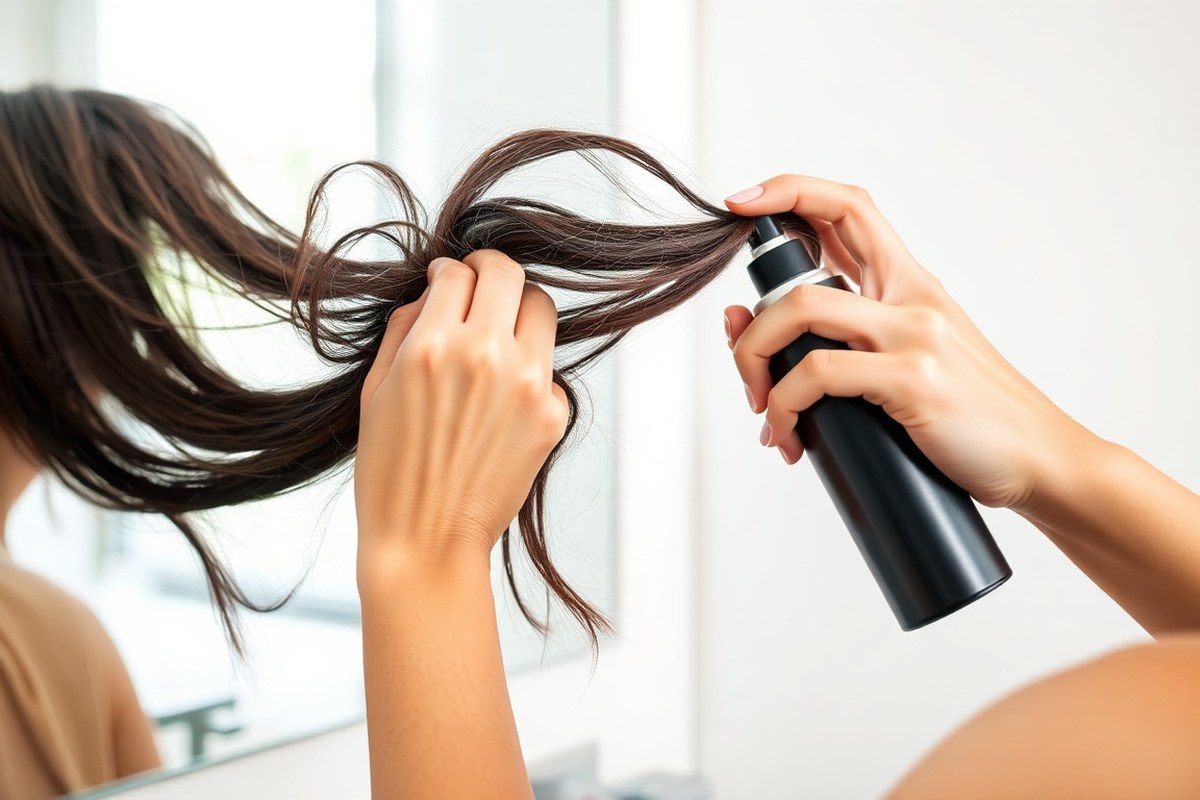
You spray it from a distance for an even spread, then tousle your hair with fingers. Texturizing sprays help boost body and hold, making styles last longer. They’re great for fine or limp hair that needs a bit of extra life.
This spray doesn’t weigh hair down or make it greasy like some other products. Just make sure not to overapply or your hair might get sticky or stiff. Starting with clean or slightly damp hair usually gives the best results.
Key Takeaways
- Hold the spray can 6 to 8 inches from your hair for even coverage.
- Lift hair sections and spray from root to tip to boost volume effectively.
- Texturizing spray works best on clean or slightly damp hair.
- Avoid spraying too much to prevent your hair from feeling sticky or heavy.
- Use texturizing spray to refresh flat hair and add grip for styling.
- It’s a good alternative to heavier styling products that can weigh hair down.
What Is Texturizing Spray and How Does It Work?

Texturizing spray adds grip, volume, and a bit of texture to your hair. It creates a lived-in, natural look without the stiffness of hairspray. This product makes your hair feel fuller and easier to style.
It works great for fine or lifeless hair. You’ll notice more volume and body.
The spray works by coating your hair with tiny particles that add separation and texture. Ingredients like polymers and lightweight powders create the gripping effect. These ingredients give your hair a rough, matte finish.
That look adds volume and hold without heaviness. Your hair stays light but shaped.
Hairspray mainly locks your style in place all day. Texturizing spray adds body and natural movement instead. It helps hair look fuller, not stiff.
Dry shampoo soaks up oil from your scalp and hair. Texturizing spray does not absorb oil at all.
It improves how your hair feels. Texturizing spray offers flexible hold, making it ideal for styles that need grip without stiffness.
You usually spray it on dry or almost dry hair. Aim at your roots for volume and spray through the lengths for added texture. This spray makes hair feel soft but also a bit grippy.
That grip helps you create waves, layers, or braids. Styles keep their shape longer.
You can buy texturizing sprays for about $15 at drugstores. High-end brands charge $50 or more for the same kind of spray. Price depends on brand and size.
Using a light to medium hold formula works best for everyday styles. Firmer sprays help with structured updos. Try out a few sprays to find what works best for you.
Look for the right mix of texture and control. Your hair type and style goals matter.
Common Types and Formulas of Texturizing Spray
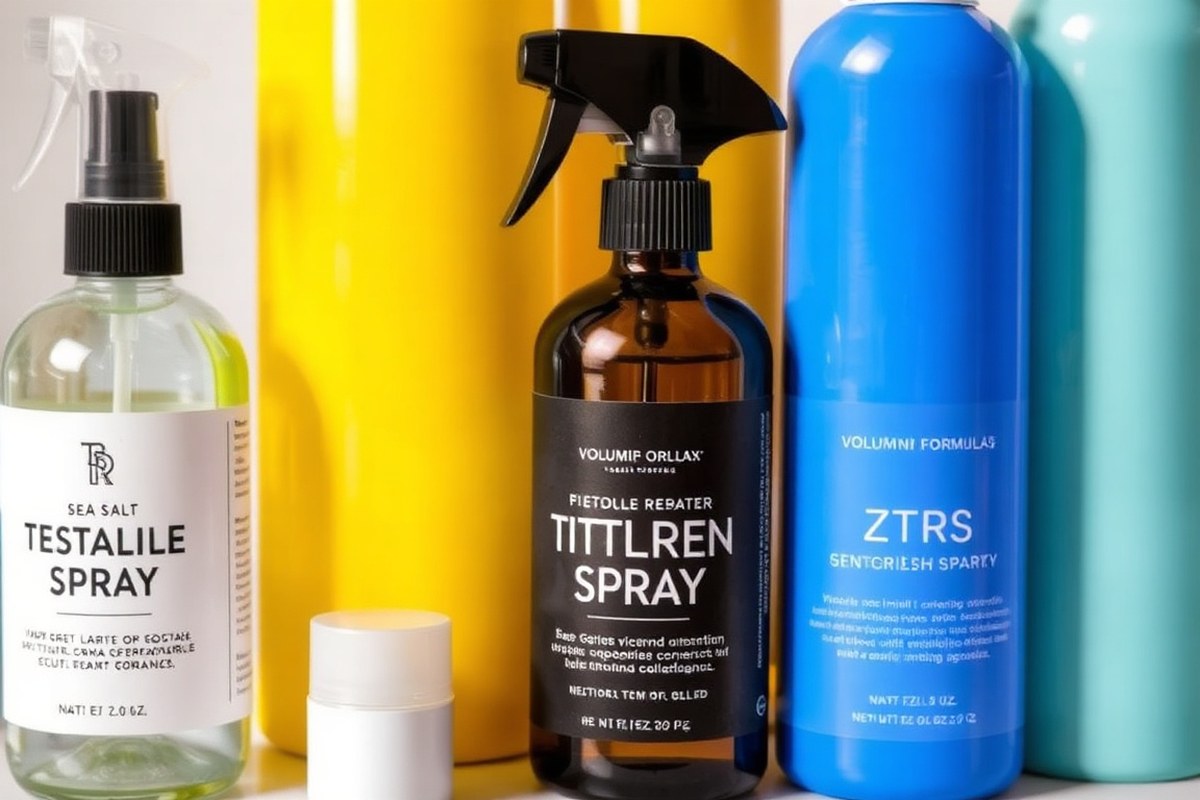
Texturizing sprays come in several formula types, each with different ingredients and benefits. You’ll find salt-based sprays, starch and powder blends, and formulas that add heat protection. Choosing the right one depends on your hair type and styling needs.
Salt-Based Formulas and Their Effects
Salt-based sprays use sea salt or similar ingredients to create a beachy, gritty texture. They add volume and roughness by lightly drying out hair strands. This works great for fine or limp hair, making it look fuller.
Sea salt sprays usually cost between $10 and $25. They can sometimes make your hair feel dry.
They’re best for casual, undone styles but may cause breakage if used daily without conditioning. The grainy feel is perfect for tousled waves and rough volume.
- Uses sea salt to add texture and volume
- Gives a beachy, matte finish
- Can dry out hair, requiring moisture balance
- Good for fine or straight hair
- Less hold, more natural look
Starch and Powder Formulas Explained
Starch-based sprays use ingredients like rice or corn starch to add grip and body. These sprays soak up oil and add a dry, powdery feel.
This helps hair stay in place without stiffness. They’re often used in dry texturizing sprays, which feel lighter and less drying than salt ones.
Dry sprays often include natural extracts like panthenol and aloe vera to keep hair hydrated. Polymers shape each strand gently, adding hold without crunchiness.
These sprays often cost from $20 to $40. They work well for curly, wavy, and all hair types.
Specialty Sprays with Added Benefits
Some texturizing sprays come with extra features like heat protection or oil absorption. For example, Living Proof’s Full Dry Volume &. Texture Spray offers heat protection up to about 450°F. This helps prevent damage when you use hot tools after spraying.
Others combine styling with conditioning, packing ingredients like oils, panthenol, or aloe vera. These keep your hair hydrated while adding texture, avoiding the dryness sea salt sprays cause. Prices for these can be higher but they offer multi-purpose use.
- Heat-protecting sprays guard hair up to 450°F
- Added oils and moisturizers prevent dryness
- Oil-absorbing powders like zeolite keep roots fresh
- Lightweight formulas that avoid stiffness
- Popular brands range from $25 to $40
Hold the can 6 to 8 inches away and spray evenly for best texture.
| Ingredient | Effect | Best For | Trade-off |
|---|---|---|---|
| Sea Salt | Adds grit, matte texture, volume | Fine, straight hair | Can dry and damage hair |
| Rice or Corn Starch | Absorbs oil, adds light hold | All hair types | Powdery feel if overapplied |
| Polymers + Panthenol + Aloe Vera | Shapes strands, moisturizes, soft hold | Curly, wavy, dry hair | Usually pricier |
| Heat Protectants (e.g., silicone blends) | Protects hair from hot tools | Anyone using heat styling | Slightly heavier texture |
Differences Between Texturizing Spray, Sea Salt Spray, and Dry Shampoo
Texturizing spray, sea salt spray, and dry shampoo all add something different to your hair. Texturizing spray creates volume and texture with a soft, touchable feel. Sea salt spray gives a gritty, beachy texture and a matte finish.
Dry shampoo soaks up oil at your roots. It freshens hair without adding texture. Sprays give that texture instead.
You can use texturizing spray on dry hair to lift roots and add body. It usually leaves hair feeling soft and full rather than sticky.
Sea salt spray works best on damp hair, adding roughness and volume for that tousled look. Dry shampoo targets oily roots but doesn’t build volume or texture independently.
| Feature | Texturizing Spray | Sea Salt Spray | Dry Shampoo |
|---|---|---|---|
| Purpose | Adds volume and texture | Creates gritty, beachy texture | Absorbs oil and refreshes hair |
| Best Hair Condition | Dry hair | Damp or dry hair | Oily roots |
| Texture | Soft, natural feel | Rough, matte finish | No added texture |
| Volume | High volume, root lift | Moderate volume | No volume added |
| Hair Feel | Lightweight, slightly gritty | Gritty, dry | Cleansed, powdery |
| Ideal Hair Type | Fine to medium hair | Wavy or straight hair | All hair types with oiliness |
Substituting one product for another can cause frustration. Trying dry shampoo instead of texturizing spray won’t add body or shape. Sea salt spray adds texture but can dry your hair out.
It might leave hair rough where you apply it. Pick texturizing spray for natural volume and sea salt spray for beachy waves.
For volume that lasts all day, spray texturizing spray 6 to 10 inches from roots. Lift sections of dry hair while spraying for even coverage.
Sea salt spray is better sprayed on damp hair and scrunched in to roughen strands. Use dry shampoo mainly at the roots to soak up grease without weighing down strands.
How to Choose the Best Texturizing Spray for Your Hair
Start by knowing your hair type and damage level. Fine hair gets a boost from lightweight texturizing sprays that add volume without weighing hair down. Thick or curly hair needs formulas with extra hold that tame frizz without drying out strands.
When your hair is oily, choose sprays that avoid greasiness or buildup. For dry, damaged hair, choose hydrating sprays with ingredients like keratin or oils. These will help protect hair and add texture without causing brittleness.
Think about your style goals. Do you want a natural, tousled look or something with stronger hold?
Lighter sprays work well for soft waves or loose styles. Stronger holds suit updos or styles that must last all day.
- Fine hair: lightweight, volume-boosting, moisturizing formulas
- Coarse or curly hair: richer sprays with frizz control and hold
- Oily hair: oil-free, non-sticky sprays
- Dry or damaged hair: moisturizing sprays with keratin or oils
- Soft finish: sprays labeled “natural” or “matte” finish
- Stronger hold: sprays with added grip or apply hairspray on top
- Sensitive scalp: fragrance-free and gentle formulas
To pick the right spray, test small amounts first. Adjust how much and where you spray based on how your hair responds.
For example, spray too much on fine hair, and it gets weighed down quickly. On thick hair, layering spray on damp hair boosts hold.
When your scalp itches or is dry, try gentle formulas with fewer chemicals. Avoid sprays with heavy salt or starch, especially for curly hair, to prevent brittleness. Products like Fable and Mane Moisturizing Volume Spray add texture while helping keep your hair healthy.
Step-By-Step Guide to Using Texturizing Spray Effectively
To use texturizing spray right, start with slightly damp or dry hair. Spray evenly about 8 to 12 inches away. Then work it through for natural volume and texture without stiffness.
Prepping Hair Before Spraying
Your hair shouldn’t be soaking wet, but slightly damp is okay. This helps the spray absorb and hold texture better.
For fine hair, make sure it’s clean and dry or towel-dried. This prevents weighing hair down or clumping.
Correct Spraying Technique
Hold the spray 8 to 12 inches away from your head. Aim for all-around coverage, focusing on roots for volume.
Spray in short bursts instead of a long stream. It gives you more control and avoids saturation.
Spraying too close can make hair stiff or sticky, ruining natural movement.
Styling Tips After Application
After spraying, use your fingers to scrunch or tousle your hair gently. This boosts waves and curls.
If you curled your hair, spray all over for beachy, long-lasting texture. For straight styles, lift sections at roots while spraying.
Maintaining Texture Throughout the Day
On day two, add more texture spray to refresh volume and bounce quickly. Avoid heavy layering to keep hair from feeling dry.
Carry a small travel-size spray to touch up midday. Lightly mist and reshape with fingers for fresh texture.
- Start with towel-dried or dry hair for easy spray absorption.
- Hold the spray about 10 inches from hair, targeting roots first.
- Use short bursts to avoid weighing hair down or clumping.
- Scrunch hair with your fingers to create waves or curls.
- Spray evenly through mid-lengths to ends for natural texture.
- Let hair air dry or use a diffuser on low heat.
- For extra hold, apply a light mist once hair is dry.
- Touch up on day two with a light spray to refresh volume.
Tips by hair type:
- Fine hair: Use light sprays to avoid heaviness. Focus on roots for lift.
- Thick hair: Spray mid-lengths and ends more to soften bulk and improve waves.
- Curly hair: Apply spray after styling curls. Scrunch gently for separation.
- Straight hair: Spray at roots, then tousle for volume and grip.
Using Texturizing Spray for Different Hair Types and Styles
Texturizing spray adds volume and grit to all hair types. But the way you use it changes.
It lifts fine hair and defines curls, while taming thick strands for better shape. Adjusting the method lets you get the most from your spray without weighing your hair down.
Fine and Straight Hair Techniques
Fine hair can feel limp and flat without some help. Texturizing spray adds grip and body, making styles last longer and look fuller.
Try spraying the roots and mid-lengths from about 8 inches away. Then tousle your hair with fingers or a blow dryer for lift. Avoid heavy layers of spray; a thin mist is enough.
- Use texturizing spray on dry hair for best volume
- Spray lightly and focus on roots and crown area
- Blow dry with head upside down for extra body
- Tousle hair with fingers to spread volume evenly
- Refresh your style by spraying again on day two
Spray mid-lengths for a common look. Curl the ends with a wand.
Then rough up hair using the spray. It gives soft waves more texture and fullness.
Wavy and Textured Hair Tips
Wavy hair benefits from texturizing spray by improving natural waves without stiffness. Spray helps control frizz and improve definition for a laid-back style.
Spray roots lightly and work down to mid-lengths. Scrunch your hair with your hands.
This helps boost the wave shape. You can reapply through the day to keep waves lively.
- Apply on dry hair for best wave boost
- Use spray sparingly to avoid crunchy texture
- Scrunch hair upward to improve natural waves
- Combine with a light leave-in conditioner if hair dries out
- Spray again on day two to revive flattening waves
Try a shoulder-length bob with tousled waves by spraying after styling. This adds definition and holds without sticky residue.
Curly and Coily Hair Considerations
Curly hair needs moisture and definition, so pick a texturizing spray with hydrating ingredients. Sprays add separation and reduce frizz while keeping curls soft.
Use spray mostly on dry hair, focusing between curls rather than saturating each strand. Gently shake or scrunch curls with fingers to improve shape without disrupting curl clumps.
- Choose sprays designed for dry or curly hair
- Avoid over-spraying; too much causes stiffness
- Apply between curls, not directly on ends
- Scrunch lightly to encourage curl definition
- Use as a refresher on non-wash days for bounce
For a curly updo, apply spray mostly to mid-lengths, then twist and pin curls. This adds grip and makes styling easier without crunchiness.
Common Mistakes to Avoid with Texturizing Spray
Using too much texturizing spray can weigh down hair and cause buildup. Spray lightly, wait a few seconds, then add more only if needed. Overloading hair with spray causes stiffness and dullness, hurting your style.
Applying texturizing spray on wet or damp hair reduces its grip and texture. Spray on dry hair only.
Wait until your hair air-dries or blow-dries after towel-drying, then spray. This helps the product work better and last longer.
Choosing the wrong product formula for your hair type can lead to poor results or damage. Fine hair benefits from lighter sprays, while thick hair might need a stronger hold. Read labels and pick a spray that suits your specific hair texture.
- Overusing spray: start with 2, 3 spritzes to avoid buildup.
- Spraying wet hair: apply only on dry hair after drying.
- Wrong product formula: select sprays made for your hair type.
- Layering too many heavy products: use texturizing spray with lightweight styling creams, avoid strong gels.
- Skipping hair wash: wash hair frequently to remove residue.
- Applying unevenly: spray mostly at the roots and mid-lengths for volume.
Layering texturizing spray with other products requires balance. Use it over light creams or oils but avoid mixing it with thick gels or waxes. Heavy products can cancel the spray’s effects or make hair greasy.
Try brushing your hair gently after spray to even out the texture. For buildup, wash hair sooner and reduce spray frequency. Adjusting these habits keeps hair lively and boosts the spray’s natural finish.
How to Layer Texturizing Spray with Other Hair Products
Use your heat protectant first if heat styling is planned. Apply it evenly to dry hair before any other product. This shields your strands from damage caused by heat tools.
Next, lightly spray texturizing spray on dry hair for volume and grip. This helps your hair hold shape without feeling heavy or stiff. Focus on the roots and mid-lengths to maintain natural movement.
After styling and shaping your hair with heat tools, finish with a light hairspray. It locks in your style while keeping a soft, flexible feel. Avoid heavy or overly sticky sprays to prevent weighing hair down.
Apply serums and oils sparingly after texturizing spray for shine or frizz control. Use a small amount only on ends to avoid reducing texture and volume. More is not better here; too much can flatten your style.
Applying too much product can make your hair look greasy. Use light layers to avoid weighing it down.
Texturizing spray works well with heat protectants because it adds grip without stiffness. Using texturizing spray before styling makes your hair easier to handle and shapes better. Avoid spraying it on wet hair or before heat protectant to keep your hair light.
Have fine hair? Use one or two light sprays of texturizing spray only. Excess product can quickly make fine strands limp.
For thicker hair, you might need a bit more. But build slowly to keep natural texture.
When to See a Professional About Hair Texture and Product Use
Some hair texture issues need a stylist’s check for the best fix. Severe dryness, breakage, or uneven texture are signs you should stop guessing. A stylist can assess damage and suggest products that fit your hair type.
Not every style goal can be met with texturizing spray alone. Avoid using it if your hair feels brittle or shows split ends. In some cases, strong treatments or trims work better than styling products for healthy-looking texture.
- Your hair breaks easily or feels rough to touch
- Styling doesn’t hold despite product use
- Scalp feels itchy or overly dry
- You want a dramatic style challenge beyond texturizing spray
- You find it hard to pick the right products
Professionals offer hands-on help with product choices and styling tricks. For example, they can recommend salt-free sprays if your hair is already dry. They also show you how to layer products safely, protecting hair from damage while getting texture.
You can try texturizing spray for simple volume boosts or beachy looks. But stop if hair worsens.
When using sprays at home, watch for buildup or dullness after a few days. Regular deep conditioning or a salon visit every 6 to 8 weeks keeps hair healthy.
Step-by-Step Action Plan to Start Using Texturizing Spray
Follow these simple steps to get the best texture and hold from your spray. You’ll see your hair look fuller and hold styles longer.
- Before you start: Choose a texturizing spray that suits your hair type. Check if it’s for fine, curly, or thick hair to avoid weighing your strands down.
- Day 1: Spray lightly 6 to 8 inches away from dry hair. You’ll know it worked if your hair feels slightly rough but not sticky or crunchy.
- Day 2: Add a little more spray at the roots to boost volume. Your hair should feel fuller and look more lifted.
- Week 1: Experiment with layering the spray under a light hairspray for extra hold. Your style should last longer without stiffness.
- Week 2: Try using texturizing spray before blow-drying on damp hair for wave and grip. Check if your hair holds shape better without looking oily.
- After 2 weeks: Adjust how much spray you use based on your hair’s response. When hair looks weighed down, use less or try a lighter formula.
- Any time: Avoid spraying too close or overusing product. Your hair feels dry or crunchy? Rinse it out and use less next time.
Frequently Asked Questions
Can Texturizing Spray Replace Hairspray?
Texturizing spray adds texture but doesn’t hold hair like hairspray. Use it for lift and grip, not strong hold.
Does Texturizing Spray Work on Curly Hair?
Yes, it defines curls and reduces frizz but won’t add volume to tight curls. Apply lightly for best results.
Can You Use Texturizing Spray Every Day?
It’s fine if you wash hair regularly to avoid buildup. Overuse may make hair feel dry.
Is Texturizing Spray Good for Color-Treated Hair?
Some formulas are safe, but check for gentle ingredients. Using the Virtue Texturizing Spray helps damaged or colored hair.
Will Texturizing Spray Make Hair Greasy?
No, most sprays are dry formulas that reduce greasiness and add volume. Spray 6-8 inches away for best spread.
Should You Spray Texturizing Spray Before or After Styling?
After styling is best to add texture and hold. Spray on dry hair for next-level volume.
Before You Go
Texturizing spray can add volume and grip to almost any hairstyle. Try it out with the steps above to see how it changes your hair. Start small and adjust based on how your hair feels and looks.