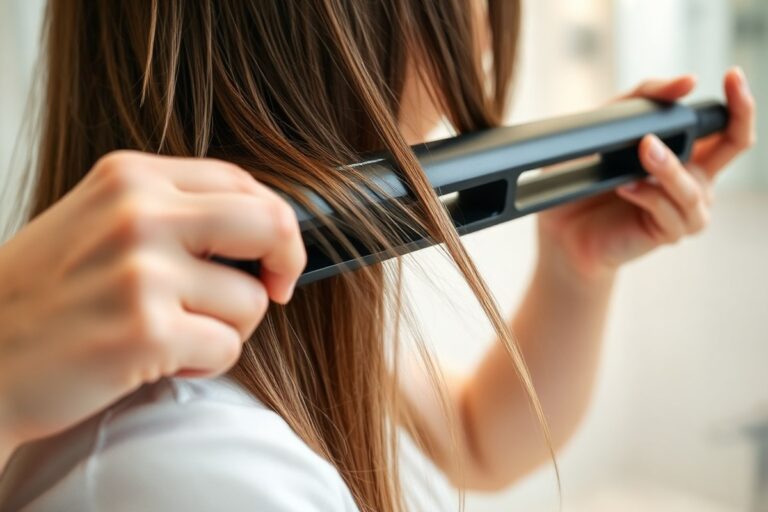
What Does a Hair Mask Do? A Complete Guide to Benefits and Usage
What does a hair mask do? It deeply nourishes and repairs your hair.
Unlike regular conditioners, hair masks soak in longer and fix damage from inside the strands. They also lock in moisture and make hair softer and less frizzy.
Hair masks usually work best when applied after shampooing on damp hair. You leave them on longer than conditioners, typically from 5 to 30 minutes. This lets the concentrated ingredients really sink into your hair.
Using the right mask improves your hair’s strength and shine. It can also reduce breakage or help with dryness, depending on the formula. Start with a mask suited to your hair type and watch the difference it makes.
Key Takeaways
- Apply hair masks after shampooing on damp hair for best absorption.
- Leave the mask on 5 to 30 minutes, depending on product instructions.
- Choose a mask with concentrated ingredients for deep nourishment and repair.
- Look for specific formulas for issues like dryness, frizz, or breakage.
- Use a hair mask once or twice a week to maintain healthy hair.
- Rinse hair thoroughly after use to avoid product buildup and dullness.
What a Hair Mask Does to Your Hair

A hair mask deeply nourishes your hair by delivering concentrated moisture and nutrients. It works by penetrating the hair shaft, unlike conditioners that mostly coat the surface. This deeper action helps repair damage and restore strength to dry, brittle, or porous hair.
Hair masks contain 5, 15% active ingredients, much higher than the 1, 3% in conditioners. Because of this concentration, a mask smooths and fills in cracks in the hair cuticle. As a result, your hair’s texture looks healthier, shinier, and feels softer after treatment.
Using a hair mask regularly hydrates strands and calms frizz, making hair easier to manage. It also replenishes essential oils and proteins lost through heat styling or color treatments. For example, color-treated hair benefits from the added nourishment to maintain vibrancy and prevent breakage.
Most applications take 5 to 15 minutes to work. Some formulas let you leave them on overnight. Leaving masks longer can give extra hydration for your hair.
Masks are best applied once or twice a week depending on your hair’s condition. Applying to damp, towel-dried hair helps the ingredients absorb better and work their magic.
When used correctly, a hair mask makes your hair stronger and more resilient to daily wear. You’ll notice improved shine, bounce, and reduced frizz after a few treatments. However, using a mask too often or skipping rinsing can leave hair greasy or weighed down.
For very damaged hair, a top-tier mask is a good choice. The K18 Leave-In Molecular Repair Hair Mask costs about $75. This premium option might be worth the price for serious damage.
These high-quality products target deep repair and help rebuild hair bonds better than basic masks. Masks boost hydration and help repair your hair’s structure.
They do more than regular conditioners can. Adding a mask can improve hair health significantly.
How Hair Masks Differ from Conditioners and Other Products
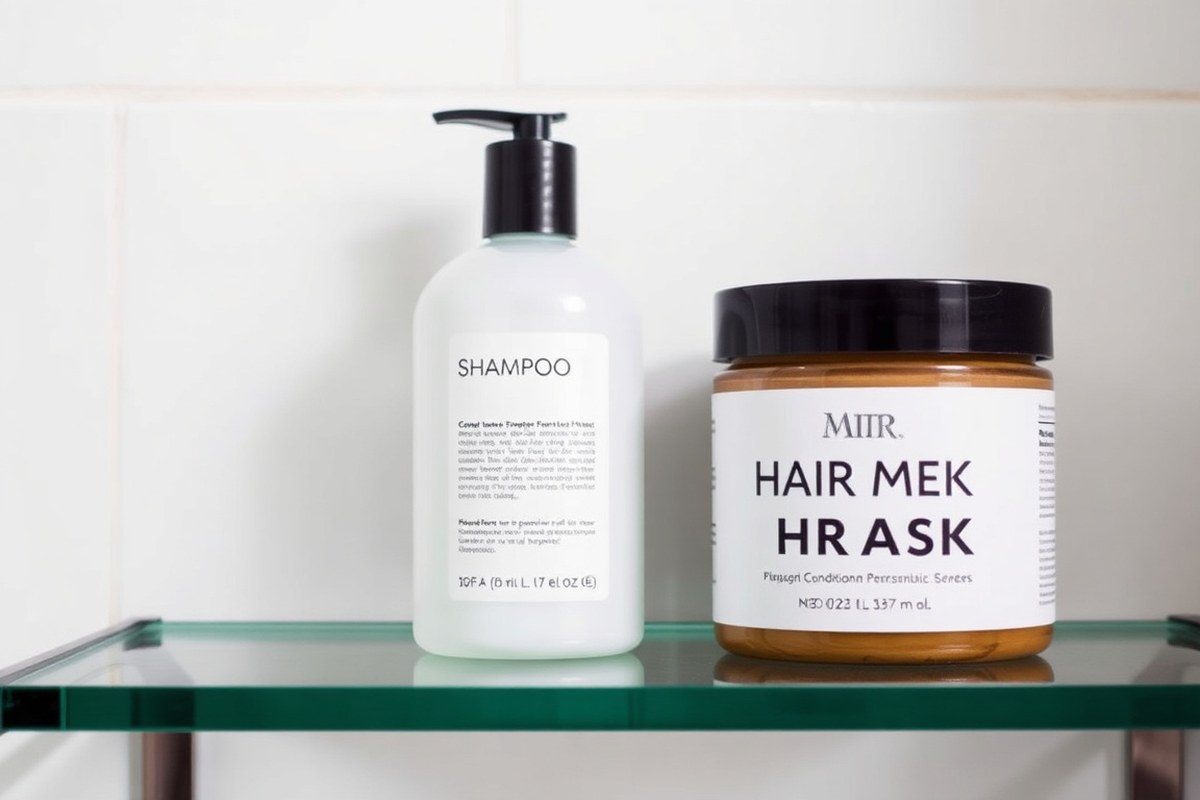
A hair mask is thicker and more concentrated than conditioner. It usually stays on your hair for 5 to 15 minutes after shampooing. This helps active ingredients soak in deeply.
Regular conditioners wash out fast. They usually rinse off in one or two minutes.
Both products hydrate and nourish, but hair masks deliver a stronger treatment. You shouldn’t use a mask every day.
They are best once or twice a week, while conditioners suit daily use. Masks can clog follicles if overused because of their thick formulas.
Hair oils and serums serve different purposes. Oils add shine and smoothness by coating the hair surface.
Serums often protect hair from heat and frizz with lightweight films. Neither penetrates as deeply as a mask or provides intense hydration.
Here’s a table comparing key factors between conditioners and hair masks:
| Factor | Conditioner | Hair Mask |
|---|---|---|
| Active Ingredient Ratio | 1, 3% | 5, 15% |
| Protein Content (e.g., Hydrolyzed Keratin) | Trace amounts | 1, 4% |
| Botanical Oil Concentration | Minimal | 3, 12% |
| PH Level | 4.5, 6.0 | 3.5, 5.5 (targeted) |
| Silicone Content | Light, surface-only | 0.5, 3% film-forming blend |
A mask’s lower pH helps it close the hair cuticle better than many conditioners. Higher protein and oil levels in masks restore strength and moisture at deeper layers. Conditioners mainly smooth the hair surface for quick detangling.
Use a hair mask only after shampooing. Apply it on damp hair, focusing on mid-lengths and ends. Rinse it well after the recommended time.
How to Choose the Right Hair Mask for Your Hair Type
Choosing the right hair mask depends on knowing your hair type and what it needs most. You can pick a mask based on your hair needs. Consider moisture, protein, or gentle care.
Also think about color-treated or fine strands. Matching ingredients and mask types to your hair’s condition makes a big difference.
Identifying Your Hair Needs: Moisture or Protein?
Hair usually needs extra moisture or protein to stay strong and shiny. Dry hair lacks water, so it craves hydration to feel softer and look healthier. Damaged hair needs protein to repair breakage and strengthen strands.
To decide, look at how your hair feels. Your hair likely needs moisture if it’s dry or frizzy.
Protein helps if your hair breaks easily or feels mushy. Many masks combine both, but if your hair leans one way, focus there first.
Key Ingredients for Different Hair Concerns
Each hair issue calls for specific ingredients. For dry hair, pick masks with aloe vera or glycerin.
Natural oils like argan, avocado, or coconut also help. These seal in moisture and calm frizz.
Protein-rich masks often include keratin, silk amino acids, or hydrolyzed wheat protein. These help fill in gaps in damaged hair and rebuild strength. For color-treated hair, gentle ingredients protect without stripping color.
- Dry hair: shea butter, aloe vera, glycerin, argan oil
- Damaged hair: keratin, hydrolyzed silk protein, collagen
- Color-treated: mild oils, antioxidants, mild humectants
- Fine or thinning hair: lightweight hydrators, amino acids
- Frizzy hair: smoothing oils, silicone-free formulas
Choosing based on your hair’s main concern will help the mask work better.
Matching Masks to Hair Texture and Conditions
Hair texture plays a role in how heavy or light your mask should be. Thick or curly hair often needs richer, heavier masks to soften strands and lock moisture. Fine hair does better with lightweight masks that won’t weigh it down or leave buildup.
Also, apply masks based on your hair’s condition. Dry or damaged hair needs 10 to 20 minutes of treatment.
Applying warmth helps the mask soak in better. Fine hair only needs 3 to 5 minutes and no heat to avoid extra weight.
Special Considerations for Color-Treated and Fine Hair
Color-treated hair requires gentle care to keep color bright and prevent fading. Use masks meant for color protection with mild warmth for 10 to 15 minutes. Avoid high heat as it can strip dye.
Fine or thinning hair should get masks with light ingredients like amino acids and lighter oils. Keep mask time short, around 3 to 5 minutes, and skip heat. Oils like argan or jojoba in low amounts keep hair soft without heaviness.
Best Practices for Applying a Hair Mask
Put a hair mask on damp, clean hair from the middle to the ends. Keep it on for five to twenty minutes based on your hair type. Rinse with cool water to close the cuticle and keep moisture inside.
Preparing Hair and Scalp Before Application
Start with freshly washed hair to remove oil and buildup. Use warm water to open the hair cuticle, which helps the mask absorb better. Dry your hair gently with a towel so it’s damp but not soaking wet.
Your roots can be oily while your ends feel dry. Shampoo mainly your scalp to clean only that part well.
Avoid applying the mask directly to an oily scalp to prevent weighing hair down. Instead, concentrate on mid-lengths and ends where the damage usually shows.
Correct Application Technique and Coverage
Apply the mask from the middle of your hair down to the ends for normal hair. For dry hair, start near the scalp and work toward the tips to target dryness. Use your fingers or a wide-tooth comb to spread the product evenly.
Apply enough product so you see a thin, even layer on each section. Avoid excess product, which can feel heavy or greasy.
Cover the ends with the mask first. Next, softly apply it to your scalp if you need more care there.
Ideal Timing Based on Hair Condition
Leave the mask on for 5 to 10 minutes for regular hair. Damaged, dry, or color-treated hair should stay masked for 15 to 20 minutes. You can leave it a bit longer if you want, but don’t skip rinsing.
Some hair masks only take 1 to 3 minutes to work well. They often include Pro-Vitamin B5 or tea tree oil. Always follow the instructions on your specific mask to avoid over-treating your hair.
Rinsing Tips to Seal and Lock Benefits
Rinse your hair with cool water to close the cuticle and lock in the moisture. Warm water can open the cuticle too much, causing the benefits to wash away. Use your fingers to gently remove all product without tangling your hair.
Finish your routine with a conditioner if your mask doesn’t include one. Conditioner after rinsing helps seal the cuticle and makes hair shinier. Avoid rinsing too harshly to keep the effects of the mask lasting longer.
Use these steps for smooth, nourished hair every time you use a mask:
- Shampoo your hair thoroughly to remove oils and dirt.
- Towel-dry hair until it is damp but not dripping wet.
- Apply the mask from mid-lengths to ends; include scalp if dry.
- Comb through to distribute the product evenly.
- Leave the mask on for the recommended time (5 to 20 minutes).
- Rinse thoroughly with cool water to seal the hair cuticle.
- Follow with conditioner if your mask’s instructions recommend it.
How Often Should You Use a Hair Mask for Best Results
Most hair types do well with a hair mask once or twice a week. That frequency helps restore moisture and repair damage without causing buildup. Using a mask daily can weigh your hair down and leave it looking greasy.
Dry, color-treated, or heat-damaged hair benefits from masks twice weekly. This helps improve hair texture and adds strength.
Curly or coarse hair often benefits from this extra care because it’s prone to dryness. For normal or fine hair, once a week or every two weeks is usually enough.
A hair mask provides deep conditioning, so it’s stronger than your regular conditioner. You only need it when your hair feels rough, snaps easily, or shows split ends. Daily use isn’t necessary since conditioners help maintain hair softness on wash days.
Follow the instructions on the hair mask packaging for the best timing and amount. Some masks ask for 5 to 10 minutes of treatment.
Others can stay longer for more intense hydration. Rinsing well after the recommended time avoids product buildup.
Avoid using a hair mask every day to prevent greasy buildup and weighed-down hair.
When adding a mask to your routine, adjust based on how your hair reacts. Oily scalp or flat hair means you should apply masks less often. On the other hand, dry ends or dullness may mean you need more frequent treatments.
Choosing a mask designed for your hair type matters. For example, fine hair needs lightweight formulas. Thick or curly hair requires richer ingredients.
Choose a mask that fits your hair’s condition. This gives the right moisture level. Some masks focus on repair, others on softness.
Hair Masks and Hair Growth: What Science Says
Hair masks don’t speed up hair growth directly because growth happens in the scalp follicles. They work by strengthening your hair strands and reducing breakage. This means your hair holds onto length better and looks healthier over time.
Using a hair mask regularly helps cut down on hair fall caused by dryness or damage. These masks add moisture and repair weak spots that break off easily.
When you stop breakage, your hair looks fuller. It keeps its length longer without growing faster.
Look for masks with protein-rich ingredients like biotin or keratin. Hair oils such as argan oil also help fortify strands and reduce snapping. These ingredients improve hair strength, softness, and shine by nourishing damaged areas and sealing split ends.
Applying a mask to clean, damp hair lets your strands soak in the nutrients. Shampoo first to remove buildup so the mask can work better.
Leave the mask on for 10 to 20 minutes. This lets the ingredients soak into your hair and scalp.
Some masks contain scalp-stimulating ingredients that boost circulation. This helps provide roots with better nourishment, supporting healthier hair growth. However, masks can’t change genetics or stop hair loss caused by medical conditions.
Regular use also helps soothe your scalp and reduce flakes or dryness. A healthy scalp can indirectly support hair growth by creating a good environment for follicles. But avoid expecting masks to create new hair faster or reverse thinning completely.
Hair that is frizzy or breaks easily benefits from masks with bananas and oils. These ingredients help tame flyaways.
This extra hydration makes hair easier to manage and prevents snapping. Over time, your hair feels softer, shinier, and more resilient against damage.
Common Mistakes and How to Fix Them When Using Hair Masks
Using a hair mask wrong can cause issues like weighed-down hair or product buildup. Applying it to oily roots or not rinsing well leaves hair greasy or sticky. Timing matters.
Apply a mask right after shampooing. Your hair should be clean and damp for best results.
Too much product can feel heavy and cause buildup on your scalp or strands. Fine or thin hair needs less mask, about a quarter-sized amount. Thicker hair might require more, about a tablespoon.
Start spreading the mask from mid-shaft to the ends. Avoid the scalp if your hair gets oily there.
- Apply mask immediately after shampoo on damp hair
- Use less product for fine or thin hair; more for thick hair
- Focus mask from mid-shaft toward ends for oily hair
- Wrap hair in a towel or t-shirt to boost absorption
- Limit use to once or twice a week to avoid buildup
- Avoid applying mask directly on scalp to prevent heaviness
- Rinse thoroughly after recommended time, usually 5, 15 minutes
Curly hair, which isn’t washed as often, should use masks carefully to avoid clogging follicles. Overnight masks work well for thick hair but may weigh thin strands down.
Avoid overusing masks to keep hair balanced and healthy. Always check the mask’s instructions for the right timing and frequency.
Types of Hair Masks: Rinse-Off, Leave-In, and Overnight Options
Hair masks come mainly in rinse-off, leave-in, and overnight forms. Each type suits different hair concerns and routines. Knowing their pros and cons helps you pick the right mask for your needs.
Rinse-Off Masks: When and Why to Use
Rinse-off masks provide a concentrated deep treatment for 5 to 20 minutes. They work well for damaged hair from heat or chemicals. These masks soak into mids and ends, giving intense hydration and repair.
Because you rinse them out, they won’t weigh hair down. Use these masks once or twice a week for best results. They generally cost $10 to $30 per jar and fit most hair types and needs.
Overusing rinse-off masks may cause buildup or greasy roots. Follow the recommended time on the package to avoid this.
Leave-In Masks: Benefits and How to Apply
Leave-in masks stay in your hair without rinsing. They offer lightweight moisture and protection all day long. These masks are good for dry or frizzy hair that needs ongoing softness.
Apply a small amount to damp hair, focusing on mids and ends. Using too much can make hair look oily or stiff. They cost about $15 to $40 and save time on styling days.
Leave-in masks normally don’t replace rinse-off versions. Use them between deep treatments to maintain softness.
Overnight Masks: Intensive Treatment Tips
Overnight masks are designed for hours of deep repair while you sleep. They usually have rich, concentrated formulas to restore very dry or damaged hair. Use them once every one to two weeks.
Apply the mask before bed. Focus on your hair ends. Cover with a shower cap or wrap.
In the morning, wash out the mask completely. This method lets nutrients sink in longer than quick treatments.
Not all hair types need overnight masks; they can feel heavy on thin hair. Avoid daily use to prevent buildup on the scalp.
| Mask Type | Application Time | Best For | Cost Range | Frequency |
|---|---|---|---|---|
| Rinse-Off Mask | 5 to 20 minutes | Damaged, dry, or chemically treated hair | $10 – $30 | 1-2 times per week |
| Leave-In Mask | Leave in all day | Dry, frizzy, or fine hair needing moisture | $15 – $40 | Every few days or daily |
| Overnight Mask | Several hours (overnight) | Severely dry or very damaged hair | $20 – $50 | Once every 1-2 weeks |
Choosing the right mask depends on your specific hair issue. Dry hair benefits from leave-in masks daily.
Damage needs weekly rinse-off or overnight care. Adjust based on how your hair responds.
Don’t leave rinse-off masks on longer than the instructions say to avoid scalp irritation.
Step-by-Step Action Plan for Using Hair Masks
Follow these steps to get the best results from your hair mask. Watch how your hair feels and looks after each step.
- Before washing: Choose a hair mask that suits your hair type. Look for ingredients that match your needs, like moisture or repair.
- Wash your hair: Use a gentle shampoo to clean your scalp and hair. This helps the mask work better by removing buildup.
- After shampooing: Apply the hair mask evenly from mid-length to tips. Avoid your scalp unless the mask says otherwise.
- During application: Leave the mask on for the time shown on the package. This is usually 5 to 20 minutes. Use a shower cap to trap heat for deeper treatment.
- Rinse well: Use lukewarm water to rinse out the mask completely. Check that hair feels soft but not heavy.
- Dry carefully: Pat your hair dry with a towel, avoid rubbing. Let it air dry or use a cool blow dryer setting.
- Repeat weekly: Do this once or twice a week depending on your hair’s condition. Hair should feel stronger and look shinier.
- Adjust if needed: Reduce use if hair feels oily or weighed down. You can also try a lighter mask. Consider using the mask more often for dry hair. It helps add moisture and softness.
Frequently Asked Questions
What Does a Hair Mask Do for Dry Hair?
It deeply moisturizes and repairs dry hair by restoring forgotten nutrients. This helps reduce brittleness and improve softness and shine after just a few uses.
Can a Hair Mask Help with Split Ends?
Hair masks improve hair strength but won’t fix split ends permanently. You still need to trim split ends to keep hair healthy.
Do Hair Masks Work on Oily Scalp and Hair?
Hair masks mainly target hair strands, not the scalp’s oiliness. Use masks focusing on hair ends and avoid the scalp if oily.
How Long Should a Hair Mask Be Left On?
Most hair masks recommend 5 to 15 minutes on damp hair for best results. Leaving it too long might weigh hair down or cause buildup.
Can Hair Masks Replace Regular Conditioner?
No, hair masks are a weekly deep treatment, while conditioners are daily essentials. Use masks for extra care, not as a conditioner substitute.
Are Hair Masks Safe for Color-Treated Hair?
Yes, many masks hydrate and repair color-treated hair without stripping dye. Look for masks designed for color protection to avoid fading.
Final Thoughts
A hair mask gives your hair a deep, targeted treatment you can’t get with regular conditioner. It improves your hair’s strength, moisture, and shine with the right routine. Start using a mask this week and notice how healthier your hair can look and feel.