How to Treat Dandruff: 8 Effective Ways Backed by Science and Tips
Knowing how to treat dandruff means controlling flakes and itch quickly. You want to use proven shampoos with active ingredients to stop scalp flaking. Choose a medicated shampoo made for your dandruff type.
Use it every time you wash your hair. Keep using it for at least 4 weeks.
Let the shampoo sit on your scalp for 5 to 10 minutes before rinsing. This helps the active ingredients work better on stubborn flakes. Watch for scalp irritation and switch products if your skin gets too dry.
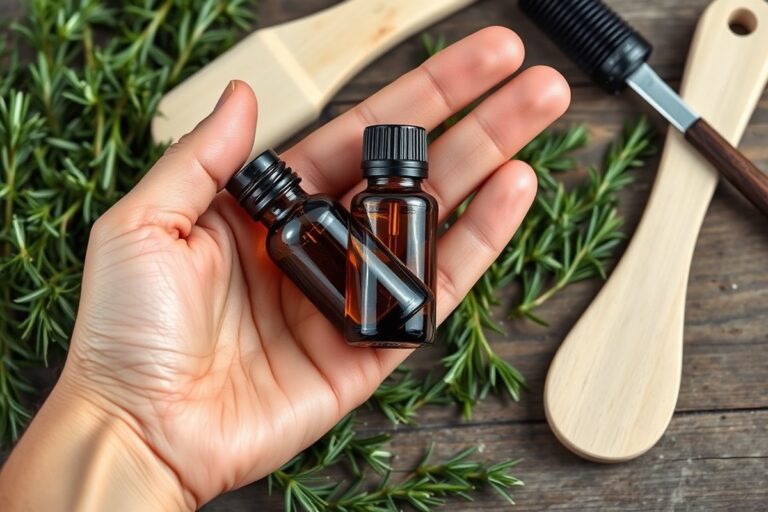
Using natural oils like tea tree or lemongrass in low concentrations can reduce dandruff. They have antifungal properties and can soothe your scalp without harsh chemicals. Avoid overusing products, as that might cause more irritation or dryness.
Key Takeaways
- Use a medicated dandruff shampoo consistently for at least four weeks.
- Allow shampoo to sit on your scalp 5 to 10 minutes before rinsing.
- Choose products with active antifungal ingredients like ketoconazole or zinc pyrithione.
- Try natural oils such as 1% tea tree or lemongrass oil for mild dandruff relief.
- Watch for signs of irritation and switch shampoos if scalp dries or itches more.
- Combine dandruff shampoos with scalp-moisturizing treatments to reduce dryness.
1. Effective Ways to Treat Dandruff at Home

The best way to treat dandruff is washing your hair often. Use medicated shampoo that cuts down scalp fungus and flakes. This helps control dandruff effectively.
You should use the shampoo as directed, adding natural remedies for extra relief if you want. Once your scalp clears, maintain hair washing and scalp care to keep dandruff from coming back.
Use Medicated Shampoos Correctly
Medicated shampoos have antifungal agents to reduce yeast linked to dandruff. Ingredients like tea tree oil, ketoconazole, or zinc pyrithione are common. Apply the shampoo on your scalp, let it sit for 5 to 10 minutes, then rinse thoroughly.
Wash hair daily if it’s oily or fine. Use dandruff shampoo two times a week for best care. This routine keeps flakes under control.
For curly or coily hair, apply shampoo to your scalp only. This prevents hair strands from drying out. It protects your hair while treating dandruff.
Incorporate Natural Remedies Safely
Some natural remedies can help reduce dandruff alongside medicated shampoos. Tea tree oil shampoos with about 5% concentration calm itching and flakes. Coconut oil may improve scalp health and reduce dandruff when massaged gently.
Apply natural remedies sparingly and test for skin sensitivity first. Aloe vera or crushed aspirin can soothe your scalp.
But avoid overuse to prevent irritation. Always follow product instructions or mix natural ingredients with carrier oils.
Establish a Hair Washing Routine
Regular washing helps clear oil and dead skin cells that feed yeast on your scalp. Washing frequency depends on your scalp type, oily scalps may need daily washing.
Dry scalps do better with fewer washes. Using an antifungal shampoo two or three times a week is often enough.
Too much washing can dry your scalp, making dandruff worse, so balance is key. Massage your scalp gently for at least two minutes when washing. This helps break up flakes and boosts shampoo action.
Be gentle to avoid irritation. Rinse with warm water, not hot.
Maintain Scalp Health Long Term
Once your dandruff is under control, keep up a weekly scalp treatment to prevent flare-ups. Continue using a medicated shampoo once a week or add a natural remedy step. Avoid harsh styling products that can irritate your scalp and cause dryness.
Keep your scalp hydrated by choosing gentle, non-medicated shampoos on non-treatment days. Try to lower your stress to help dandruff.
Protect your scalp from cold, dry weather too. These steps help keep flakes from coming back.
Start your dandruff treatment with these steps for best results:
- Choose a medicated shampoo with antifungal ingredients like tea tree oil or ketoconazole.
- Apply shampoo to the scalp and leave it on for 5 to 10 minutes before rinsing.
- Wash oily scalps daily or every other day. Dry scalps only two to three times weekly.
- Massage your scalp gently for 2 minutes each wash to loosen flakes.
- Try adding natural remedies like coconut oil or aloe vera for extra soothing.
- Test any new product on a small skin patch to check for irritation.
- Maintain a once-weekly shampoo or natural treatment routine after scalp clears.
- Avoid harsh hair products that dry or irritate your scalp.
2. Key Ingredients in Dandruff Shampoos and How They Work

Check the ingredients on dandruff shampoos for antifungal and exfoliating agents. These work together to fight the root causes of dandruff. Some ingredients stop fungal growth, while others help shed dead skin cells.
Ketoconazole, zinc pyrithione, and selenium sulfide are antifungals that reduce yeast on the scalp. This yeast, called Malassezia furfur, makes the scalp flake and itch. Salicylic acid breaks down dead skin on the outer layer.
It clears flakes from your scalp. This helps other ingredients reach the scalp better.
The table below compares these shampoo ingredients based on their role and common effects:
| Ingredient | Function | Notes |
|---|---|---|
| Ketoconazole | Antifungal | Effective against yeast; used in medicated shampoos |
| Zinc Pyrithione | Antifungal + Exfoliant | Stops fungal growth and removes excess skin cells |
| Selenium Sulfide | Antifungal | Kills fungus; also reduces scalp oiliness |
| Salicylic Acid | Exfoliating Agent | Softens and removes scales; helps clear flakiness |
Antifungal shampoos typically work faster and more reliably than natural oils against dandruff. Natural oils like tea tree oil can help. But they have less strong evidence backing their effects.
A shampoo with 5% tea tree oil cut dandruff by 41%. This happened in four weeks and it beat the placebo. But it works slower than most medicated shampoos.
Look for shampoos with one of the actives listed above for best results. You can alternate different ingredients if one stops working. Avoid shampoos with harsh sulfates or heavy fragrances, which irritate the scalp and can worsen dandruff.
Don’t keep using the same dandruff shampoo forever. Rotate actives to prevent resistance.
Medicated shampoos usually cost $8 to $15 for 6 to 12 ounces. They begin working after just a few washes.
They reduce flaking and itching quickly if you use them as directed. Home remedies cost less but take longer and might not remove the fungus effectively.
3. Natural Remedies Supported by Research for Dandruff
Natural remedies like tea tree oil, coconut oil, and aloe vera help dandruff. Lemongrass oil also shows promise for treatment. These oils may soothe the scalp and reduce flakes.
These options often reduce itching and flakes due to their anti-inflammatory and antimicrobial effects. You can use them safely by following simple steps to avoid irritation.
Tea Tree Oil Benefits and Usage
Tea tree oil has strong antimicrobial and anti-inflammatory properties. These effects help lower dandruff severity by reducing yeast and calming the scalp. You can start by adding 4 to 5 drops to your regular shampoo.
Applying undiluted tea tree oil directly can cause irritation or rashes. Mix 1% to 3% tea tree oil with a carrier oil. Use coconut or olive oil for scalp massages.
This blend helps prevent skin irritation. Use this blend to gently massage your scalp 2 or 3 times a week before washing.
Add a few drops of tea tree oil to half a cup of green tea. Use it as a rinse after shampooing.
This can calm your scalp and reduce flakes. This rinse can help soothe your scalp and reduce itching over time.
Coconut Oil for Scalp Health
Coconut oil is popular as a carrier oil that boosts other natural treatments. It contains fatty acids that moisturize and protect your scalp from dryness. Using coconut oil can soften flakes, making them easier to remove.
Warm 1 to 2 tablespoons of coconut oil until liquid. Massage it gently onto your scalp. This softens the scalp and eases dryness.
Leave it on for 20 to 30 minutes, or use it overnight for deeper moisture. Wash thoroughly afterward to avoid buildup.
Keep in mind coconut oil helps combat dryness but won’t directly kill the dandruff-causing fungus. It’s best combined with options like tea tree oil for full benefits.
Aloe Vera and Soothing Properties
Aloe vera gel calms itchy and irritated skin with its natural soothing compounds. It may reduce redness and flaking by hydrating the scalp. Apply pure aloe vera gel directly to your scalp.
Leave it on for 30 minutes before rinsing. Aloe soothes irritation and reduces itchiness.
Use aloe vera 2 or 3 times a week as a leave-in treatment or before shampooing. Choose pure aloe gel with no added fragrances or alcohol to avoid extra irritation. Some people find aloe vera helps their dandruff flakes soften and wash away easier.
Lemongrass Oil as an Anti-Inflammatory
Lemongrass oil contains anti-inflammatory and antimicrobial effects that may reduce dandruff symptoms. It is often used as a less irritating alternative to tea tree oil. Mix about 10% lemongrass oil with a carrier oil before applying to your scalp.
Massage the diluted tea tree oil mix into your scalp once or twice a week. Rinse after 20 to 30 minutes.
This routine helps control dandruff build-up. This routine can help calm scalp inflammation and lower flaking over several weeks.
Remember to always dilute lemongrass oil, as direct contact might cause irritation for sensitive skin.
- Add a few drops of essential oil to your regular shampoo as an easy start.
- Mix essential oils with coconut or olive oil for scalp massages.
- Apply natural oils 1 to 3 times per week, not daily.
- Use aloe vera gel directly on itchy spots for 20 to 30 minutes.
- Rinse hair with diluted essential oil in green tea for added relief.
- Test a small skin patch before full application to check for irritation.
- Stop use if redness or rash develops and consult a dermatologist.
4. How Diet and Lifestyle Affect Dandruff Severity
What you eat can affect how your scalp feels and flakes. Foods rich in omega-3 fatty acids, like salmon, walnuts, and chia seeds, help reduce inflammation. The National Institutes of Health suggests adults aim for about 1.1 to 1.6 grams of omega-3s daily.
Adding these foods into your diet can strengthen the membranes around your scalp cells. That helps keep your skin healthy and may slow down dandruff. Avoid eating lots of fat and sugar.
They can make dandruff worse. These foods increase scalp oil and yeast growth.
Probiotics also play a role by supporting your skin’s natural balance. They’re found in yogurt, kefir, and fermented foods like sauerkraut. These boost good bacteria on your scalp.
Good bacteria may control Malassezia yeast. This helps lower flakes and itching.
Stress can trigger dandruff flare-ups by disturbing your immune system. High anxiety levels may worsen scalp conditions like seborrheic dermatitis. Manage stress with exercise, meditation, or breathing exercises.
This can reduce dandruff outbreaks. It also helps your scalp heal.
Hormonal changes also affect your scalp oil, making it more inviting to dandruff-causing yeast. That’s why dandruff sometimes worsens during times of hormonal shifts like pregnancy or puberty. Paying attention to your scalp care during these times is especially helpful.
Making diet and lifestyle changes does not cure dandruff overnight. You usually see improvement in several weeks with consistent effort. Flakes might stay despite good eating and less stress.
A dermatologist can check for other skin problems. They can suggest stronger treatments.
5. Differences Between Dandruff and Similar Scalp Conditions
Dandruff often gets confused with other scalp conditions like seborrheic dermatitis, psoriasis, or eczema. These conditions share some symptoms but need different treatments. So spotting the differences helps you manage them correctly.
For example, dandruff typically causes white flakes without much redness. Seborrheic dermatitis includes redness and oily flakes.
Dry scalp also looks like dandruff but feels and behaves differently. Dry scalp flakes are usually smaller and less oily. The skin feels tight or itchy.
Dandruff flakes tend to be larger and may come with slight scalp inflammation or oiliness. You can test by feeling your scalp. A dry scalp feels dry and tight, whereas dandruff often feels oily or irritated.
Here’s a simple table to help you tell common scalp conditions apart. Knowing your symptoms helps you pick the best shampoo or treatment. It also shows when you should visit a dermatologist for prescriptions.
| Symptoms | Possible Causes |
|---|---|
| Scaly, itchy, red patches on scalp, face, and other areas | Seborrheic dermatitis |
| A red or silver rash might appear on the scalp. You may also notice hair falling in patches. | Psoriasis |
| Dry, red, flaky, and very itchy skin on parts of the body | Eczema |
| Red, irritated skin with blisters and cracked skin | Contact dermatitis |
| Red, flaky, crusty, sore patches of skin covered with silvery scales | Psoriasis |
Seeing a professional matters if your scalp is very red, sore, or losing hair. Dandruff shampoos often clear symptoms.
But severe cases might need prescription antifungal or corticosteroid creams, especially for seborrheic dermatitis and psoriasis. Your doctor can give you a clear diagnosis and the right medicine.
Shampooing more than once a day can dry and irritate your scalp. Stick to a few times per week for better balance.
6. Common Treatment Mistakes and How to Avoid Them
Over-washing hair is a common mistake when treating dandruff. Washing too often can dry out your scalp, making flakes worse.
Try washing your hair two to three times a week with an anti-dandruff shampoo. Let it sit for 3 to 5 minutes before rinsing to let the ingredients work well.
Some people rinse dandruff shampoos out too quickly. This reduces their effectiveness because the antifungal agents don’t have enough time to act. Follow the shampoo instructions carefully.
Set a timer for five minutes when the instructions say to leave it on. Don’t rush to wash it off under the shower immediately.
Applying dandruff treatment only on your scalp helps avoid drying your hair strands. Focus the shampoo where flakes appear most, then use a regular conditioner on the ends. This prevents hair from becoming brittle or greasy.
- Avoid scratching your scalp; it can cause irritation and worsen dandruff.
- Don’t switch products too quickly; give a shampoo 4 weeks to work.
- Use a small amount of shampoo, about a quarter-sized dollop.
- Rinse with lukewarm water, not hot, to avoid scalp dryness.
- Limit styling products that weigh hair down and trap sweat.
- Try a gentle scrub with your fingertips, not nails, to reduce flakes safely.
- Start with a low strength if using natural remedies like tea tree oil. This helps you avoid scalp irritation.
Another common error is overusing home remedies without professional advice. Baking soda can help reduce dandruff. Using it too much may upset your scalp’s pH balance.
Use it once or twice a week, not daily. Neem leaf extracts have antifungal properties. But they need consistent application over weeks for benefits.
Finally, avoid ignoring other scalp symptoms like redness, itching, or swelling. These signs mean you need a doctor’s evaluation before continuing treatments.
Dandruff products can strip oils and irritate sensitive skin. So be cautious and pause use if irritation happens.
7. When and How to Seek Professional Help for Dandruff
Dandruff usually doesn’t need a doctor. But see one if flakes persist over four weeks despite treatment.
Also, seek medical help if your scalp becomes red, painful, or swollen. These signs could mean a different scalp condition or infection needing professional care.
A dermatologist will check your scalp’s condition to rule out other issues like psoriasis or eczema. They might scrape skin samples or look for fungi causing your symptoms. This exam typically takes one visit and helps pinpoint the best treatment for you.
Severe dandruff or cases that don’t improve with OTC shampoos may need prescription medicines. Doctors often prescribe topical corticosteroids, like desonide hydrogel 0.05%, to reduce inflammation and itching. Antifungal creams or shampoos targeting yeast also target dandruff’s root causes.
Prescription treatments usually last a few weeks. Your doctor will tell you how long to use them and when to follow up.
Costs vary widely. But generic topical prescriptions often cost between $20 and $60, depending on your insurance and pharmacy.
Unsure about your scalp problems? Check if symptoms last past four weeks, cause pain, worsen, or include hair loss. Any of these call for a medical evaluation to prevent worsening or wrong treatment.
8. Step-by-Step Routine for Managing Dandruff Effectively
Clearing dandruff takes a steady routine of washing, treating, and caring for your scalp. Most people see noticeable improvement within two to four weeks. Sticking to a clear step-by-step plan helps keep flakes under control and your scalp healthy.
Daily Cleansing and Shampoo Technique
Use a specialized dandruff shampoo every day or every other day, depending on your scalp’s dryness. Focus on gentle washing to remove oil and flakes without irritating your skin. Avoid harsh shampoos or over-scrubbing, which can worsen itching or dryness.
Let the shampoo sit on your scalp for 3 to 5 minutes. This gives the active ingredient time to work.
Then rinse it out. Use lukewarm water to rinse thoroughly, preventing leftover residue that can cause buildup or irritation.
Applying Treatments and Leave-In Remedies
After washing, try leave-in treatments like medicated scalp lotions. You can also use mild natural oils to soothe your scalp. Apply these to dry or slightly damp skin only.
Avoid putting them on dripping wet hair. This helps them absorb better. Avoid home remedies like apple-cider vinegar, as they aren’t very effective and can irritate sensitive skin.
Use treatments as directed, usually once or twice daily. Applying too much or too often can lead to irritation or dryness instead of healing.
Weekly Scalp Care Routine
Once a week, treat your scalp with a gentle scrub or mask. Use one made for dandruff care. It gives extra attention to your scalp.
This helps remove dead skin cells and any product buildup. Follow this with the usual dandruff shampoo session to clean and refresh your scalp deeply.
Maintaining regular washing and treatments each week keeps dandruff from coming back. Overdoing exfoliation can damage your scalp, so be gentle and don’t exceed weekly sessions.
Signs Your Routine Is Working
Your flakes and itching should start to ease between 2 and 4 weeks of consistent care. The scalp will feel less tight and show fewer visible flakes on your hair or clothing.
Symptoms get worse or don’t improve after a month? Change your products or see a healthcare provider.
It’s normal to have some scalp dryness early on. But ongoing irritation means the routine may be too harsh or not right for your skin.
- Choose a gentle dandruff shampoo with active ingredients like 1% pyrithione zinc.
- Wash your hair every 1 to 2 days, letting shampoo sit for 3 to 5 minutes.
- Rinse with lukewarm water to fully remove shampoo residue.
- Apply a leave-in medicated treatment to the scalp once hair is towel-dried.
- Use a weekly scalp scrub or mask to exfoliate dead skin and buildup.
- Continue regular shampooing and treatments after flakes clear to maintain control.
- Monitor your scalp condition and adjust if dryness or irritation develops.
Avoid skipping shampoo days; the yeast that causes dandruff feeds on scalp oils.
Step-by-Step Action Plan to Control Dandruff
Use this plan to start managing your dandruff effectively at home. Follow each step and watch how your scalp improves.
- Day 1: Choose a dandruff shampoo with zinc pyrithione or ketoconazole. Use it as directed to reduce flakes and itching.
- Week 1: Shampoo your hair 2 to 3 times a week. Check if flakes noticeably decrease and scalp feels less itchy.
- Week 2: Add a natural remedy like aloe vera gel after shampooing. Notice if scalp irritation calms down and moisture improves.
- Week 3: Adjust your diet by cutting back on sugar and processed foods. Monitor for any scalp or skin improvements.
- After 4 weeks: Evaluate your scalp condition. Flakes that persist or get worse mean you should see a dermatologist.
- Ongoing: Avoid scratching or over-washing your scalp. Keep your hair routine gentle and consistent for best results.
Frequently Asked Questions
Can Using Hair Conditioners Worsen Dandruff?
Some conditioners can leave residue on your scalp, making dandruff worse. Use a light conditioner and rinse your scalp well to avoid buildup and itching.
Is Dandruff Contagious Between Family Members?
Dandruff is not contagious. It results from scalp oils, fungus, and skin sensitivity. You can’t catch it by touching someone’s hair or sharing brushes.
Can Stress Cause or Worsen Dandruff?
Yes, stress can trigger dandruff flare-ups by affecting your immune system. Managing stress may help reduce severity over time.
Do Hats or Head Coverings Cause Dandruff?
Wearing hats doesn’t cause dandruff. But tight or dirty hats can trap sweat and oils. Keep hats clean and give your scalp fresh air.
Is Dandruff Linked to Hair Loss?
Dandruff itself doesn’t cause hair loss. Excess scratching or inflammation from severe dandruff might damage hair follicles over time.
How Often Should I Wash My Hair If I Have Dandruff?
Washing hair two to three times a week with anti-dandruff shampoo works best. Too little washing can let flakes build; too much can dry the scalp.
Final Thoughts
Controlling dandruff is possible with steady care and right products. Start by picking a suitable shampoo and watch your scalp clear over weeks. When the problem continues, a professional exam helps find the best treatment.