

What Is a Thermal Protectant: How It Works and Choosing the Best One
What is a thermal protectant? It’s a product that shields hair from heat damage caused by styling tools.
It creates a barrier between your hair and high temperatures, reducing breakage and dryness. These products often contain silicones or polymers that smooth the hair cuticle and reduce moisture loss.
Thermal protectants work by coating the hair strands with special ingredients. These ingredients help hair retain moisture and prevent the heat from reaching damaging levels. Using one before blow-drying or flat ironing keeps your hair healthier for longer and minimizes split ends.
To get the best results, apply a thermal protectant evenly on damp or dry hair. Be sure to cover all sections, especially the ends where damage is common.
Avoid skipping this step, especially if your tools heat above 300 degrees. Lower heat and a good protectant are your best bets for protected, shiny hair.
Key Takeaways
- Apply thermal protectant before any heat styling tool use every time.
- Choose a protectant suited for your hair type and styling habits.
- Look for ingredients that lock in moisture and shield hair from heat.
- Keep heat styling tools below 350°F, or lower if you have fine hair.
- Reapply protectant on dry hair before touch-ups with hot tools.
- A good protectant can soften, detangle, and add shine beyond heat defense.
What Is a Thermal Protectant and Why Is It Essential?
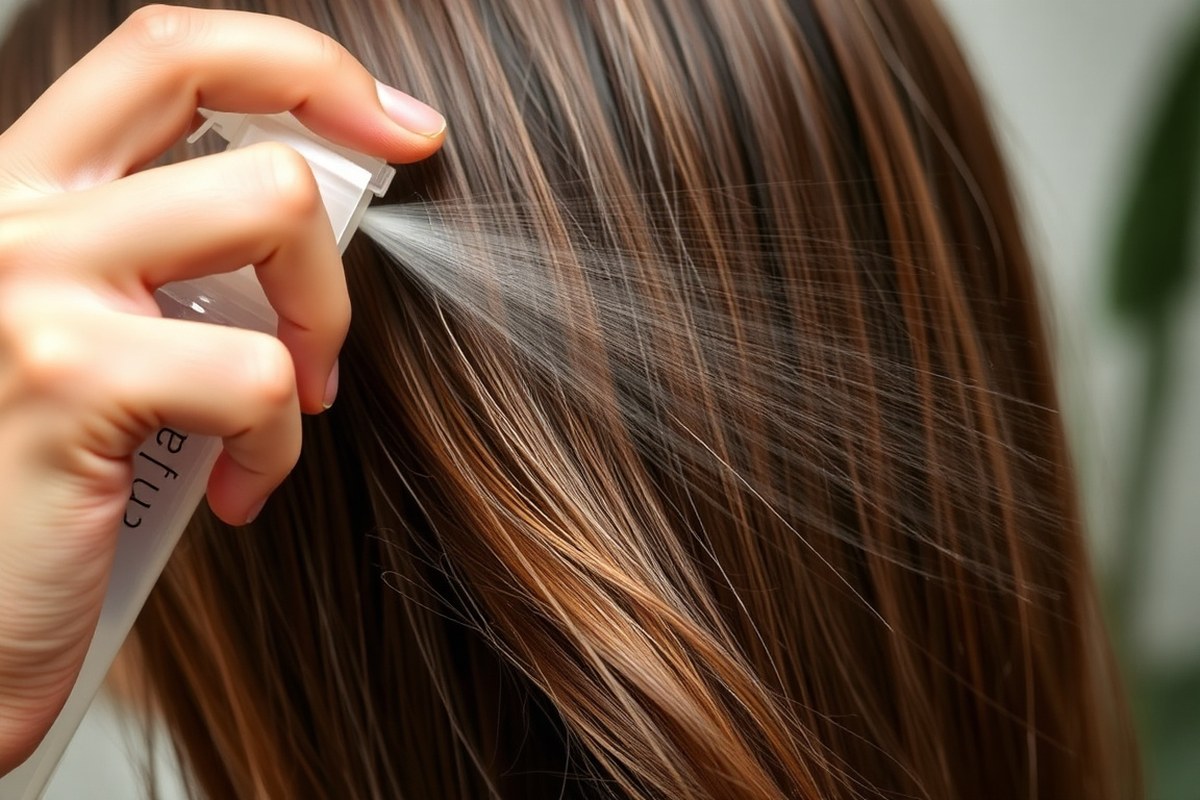
A thermal protectant is a product for your hair. It stops heat damage during styling. It helps keep hair safe from heat.
You apply it before using heat tools like straighteners, curling irons, or blow dryers. This product shields your hair from hot temperatures.
Heat can dry out or weaken hair. The protectant helps reduce this damage.
A thermal protectant makes a barrier on your hair. It lowers how much heat touches your strands. This helps keep hair safe from heat damage.
Heat tools can reach from 266°F to 350°F. This heat turns moisture inside hair into steam. That steam can damage your hair over time. Applying a protectant lowers this risk and keeps your hair stronger and smoother after styling.
This type of product is sometimes called a heat protectant. Both terms mean the same thing. They both work to reduce thermal and friction damage from styling tools.
Spray, cream, or mist thermal protectant on hair. Do this whenever you use heat tools. It helps protect your hair during styling.
Applying thermal protectant only takes a few seconds. It greatly improves your hair’s health over time. Make it part of your routine.
Choosing sprays for dry hair and creams for damp hair is common. For blow drying, use a leave-in cream or liquid. This type keeps your hair moist and safe.
It works well with heat styling. Some sprays, like Redken Thermal Spray 22, also double as setting sprays to hold your style. Prices for good thermal protectants usually range from $20 to $35.
When you skip protectants, hair often turns brittle, dull, or frizzy fast. Use thermal protectants regularly to protect your hair. Combine this with lower heat settings.
Style less often to keep hair healthy and vibrant. It only takes a quick application before styling for these products to reduce heat damage significantly.
How Thermal Protectants Shield Hair from Heat Damage

Heat styling tools like flat irons and curling wands get very hot. They often heat hair above 300°F. This can damage your hair’s structure.
Heat breaks down hair proteins and strips moisture, causing dry, brittle strands and split ends. Over time, this damage weakens hair, making it prone to breakage and dullness.
Thermal protectants work by forming a thin barrier on your hair’s surface. This barrier limits direct heat exposure and helps spread the heat more evenly. When you spray a protectant, it coats each strand, reducing hotspots that cause damage.
Some products also contain ingredients that lock in moisture and condition hair while you style. This keeps your hair softer and less prone to drying out.
For example, sprays that contain amino acids or plant oils help shield hair. They protect hair up to 450°F. This shield is lightweight and effective.
Even with a protectant, you can’t completely avoid heat damage. These products reduce damage but don’t stop it entirely.
Styling often at high temperatures still wears down hair over time. So adjusting heat settings and limiting heat use helps the most.
Spraying protectant on damp, towel-dried hair before blow-drying or straightening gives the best results. Applying it on dry hair can cause uneven coverage and may increase damage. Aim to cover all your hair with a light, even layer.
Too much product feels sticky on your hair. Too little product won’t protect enough.
Spray the protectant evenly on damp hair for the most consistent heat defense. Avoid using it on hair that’s already dry.
Key Ingredients in Thermal Protectants and What They Do
Thermal protectants contain ingredients that protect hair from heat damage and moisture loss. They create a barrier between heat tools and hair, reduce breakage, and keep hair smooth. Key ingredients fall into groups like silicones, humectants, proteins, and natural oils, each serving specific roles.
Silicones and Polymers for Heat Barrier
Silicones form a thin film over hair strands that blocks heat from direct contact. Common silicones include dimethicone and cyclomethicone, which help smooth the cuticle and reduce frizz. Water-based polymers like polyquaternium also build a protective layer that shields hair from high temperatures.
These ingredients prevent moisture from evaporating when heat is applied. That helps reduce dryness and split ends. However, silicones can sometimes leave a heavy or sticky feel, especially on fine or thin hair.
Moisturizing Agents and Proteins
Humectants like panthenol and glycerin attract and hold moisture in hair strands. This keeps hair hydrated before, during, and after heat styling. Panthenol also adds slip that makes styling easier.
Proteins such as keratin and hydrolyzed amino acids strengthen hair by filling in weak spots. They protect hair fibers from breaking under heat stress. Some protectants include antioxidants to fight heat-related damage at the cellular level.
- Panthenol for moisture retention and frizz control
- Glycerin and hyaluronic acid for hydration
- Keratin and amino acids for hair strength
- Antioxidants to block free radical damage
- Water-based polymers to form heat-resistant films
- Silicones that smooth hair and seal moisture
These ingredients improve hair’s feel and reduce damage from heat styling over time. A good protectant balances moisture and protection without weighing hair down.
Natural Botanical Extracts and Oils
Natural oils like argan oil and extracts such as aloe vera help seal the hair cuticle. They provide extra nourishment and shine. Oils create a hydrophobic layer that repels excess water loss during heat application.
Botanical extracts sometimes include antioxidants or vitamins that protect hair cells. These natural ingredients can make hair softer and more manageable after heat styling. Many prefer natural oils because they add care beyond heat protection.
Ingredients to Avoid or Be Cautious With
Some formulas use heavy silicones that may build up on hair, making it dull or lifeless. If your hair is fine or tends to get oily, avoid protectants with too many film-forming polymers or waxy ingredients.
Some synthetic ingredients create a barrier but don’t nourish hair. Overusing these can cause dryness or breakage in the long run. Always check the ingredients and test products to see how your hair reacts.
How to Choose the Best Thermal Protectant for Your Hair Type
Picking a thermal protectant depends on your hair type and how you style it. Fine or thin hair does better with sprays or lightweight mists. These guard strands from heat up to 450 degrees without weighing hair down.
Curly or thick hair needs a richer formula like a cream or serum. These add moisture while protecting and smoothing your curls or thick strands. Bleached or colored hair should have a product that also helps preserve color and reduce fading.
Using a blow dryer on damp hair calls for creams or leave-in liquids. For dry hair, sprays can be easier and faster to apply. Check the product’s instructions since some only work on damp hair and others on dry.
| Hair Type | Recommended Product Type | Application on Damp or Dry Hair | Specific Benefits or Notes |
|---|---|---|---|
| Fine or Thin | Spray or lightweight mist | Apply on damp or dry | Protects up to 450°F, adds volume |
| Curly or Thick | Cream, serum, or leave-in liquid | Best on damp before blow-drying | Moisturizes, smooths, adds protection |
| Bleached or Colored | Spray with color protection | Usually on damp or dry | Combats discoloration and fading |
Start by figuring out your hair type: fine, thick, curly, or color-treated. Next, pick a product matching your styling routine.
If you blow-dry damp hair, use a cream with thermal protection. It will help your style last longer.
Don’t overapply product. Use just enough to coat each strand lightly. Too much can make hair greasy or heavy.
A mist is easy to spread evenly. Creams need to be worked through hair with your hands.
Watch out for water-based sprays that might cause curls to revert after blow-drying. In that case, try a post-dry serum made for curly hair. Some products double as finishing sprays, which can be handy for a quick touch-up.
Step-By-Step Guide to Applying Thermal Protectant Effectively
Apply thermal protectant before any heat styling to keep your hair safe. You need just enough to cover strands evenly without weighing them down. Use it mostly on dry hair unless your product instructions say otherwise.
Applying on Damp vs Dry Hair
Most thermal protectants work best on dry hair. Sprays feel light and spread evenly when applied to dry strands. Some products claim use on damp hair, but that can dilute their effectiveness.
Gently towel dry your hair to remove excess water first. Then spray or distribute a small amount of protectant before blow drying or using straighteners. This way, your hair gets protected without trapping moisture that causes damage.
How to Section Hair for Even Coverage
Section your hair into four or more parts to reach all strands with protectant. Divide into top, bottom, and sides, using clips to hold sections in place. Work one section at a time and spray or comb through to spread the product.
Running fingers or a wide-tooth comb through sections helps avoid clumps and missed spots. Even coverage is key so heat doesn’t focus on one area and cause damage.
Timing Before Heat Styling
Let the protectant dry completely before applying heat. Wait 30 seconds to one minute after spraying or applying product. This lets the formula form a protective barrier that won’t steam or burn your hair.
Don’t rush to style immediately. Dry your hair properly before using heat tools.
This protects your hair better. It also helps get better styling results, especially with irons over 350°F.
Avoiding Product Buildup or Greasiness
Use only a small amount, about a nickel-size for medium-length hair. Overusing protectant can leave hair heavy or greasy-looking. Start with less and add more only if needed.
Skip applying protectant to the roots or scalp. Focus on mid-lengths and ends where heat damage happens most. Wash hair regularly with a gentle shampoo to remove buildup and keep strands fresh.
- Start with clean, dry hair for best results.
- Section hair into manageable parts using clips.
- Hold the spray about 12 inches from each section.
- Spray or apply evenly, focusing on mid-lengths and ends.
- Use fingers or a wide-tooth comb to spread product throughout.
- Wait 30 seconds to one minute for product to dry.
- Style hair using your heat tool as usual.
- Wash hair regularly to remove residual product.
Never apply heat protectant directly to the scalp to avoid greasiness and buildup.
Common Mistakes People Make with Thermal Protectants and How to Fix Them
Dry hair after using a thermal protectant usually means the product is wrong. You might not have applied it correctly. Both cause dryness after heat styling.
Many heat protectants need time to fully absorb into the hair. K18 HeatBounce works best after rough drying your hair first. This helps keep your hair soft and smooth.
Using too much product can make hair feel greasy or sticky. This extra weight blocks airflow around your hair strands. Blocked airflow causes uneven heat while styling.
Some folks rely only on heat protectants, thinking it prevents all damage. The truth is, thermal protectants reduce damage but don’t stop it completely. Temperatures above 150°C can still change your hair’s keratin structure from ⍺ keratin to β keratin.
Constant use of high heat makes hair fragile and less stretchy. Fragile hair breaks more easily, even with protectants. Protectants don’t fully stop damage from very high heat.
Choosing the wrong product can also hurt results. Thick or curly hair might need more than a lightweight spray. Lightweight sprays may not protect these hair types enough.
You may need heavier or richer products. On the other hand, heavy creams can overload fine hair, making it limp. Protectants with UV filters help prevent your hair from drying out in sun.
They are useful if you spend a lot of time outdoors. UV protection keeps hair healthier under sunlight.
- Always apply thermal protectant to damp hair before blow-drying or styling
- Use one to two sprays or a small dollop; avoid layering too much product
- Let the product absorb for 30 seconds before using heat tools
- Lower your heat tools to under 150°C to minimize keratin damage
- Pick a protectant made for your hair type: cream for thick, spray for fine
- Combine thermal protectants with UV protection if you’re often outdoors
- Don’t rely solely on protectants, avoid daily use of very hot tools
Hands-on care makes a difference. Apply the right amount of product evenly. Wait a moment before you heat style to let it settle.
Using your tools on lower heat settings helps keep hair elastic and less breakable. You may still feel dryness even after using protectant sprays.
Try adding masks or leave-in conditioners for extra moisture. Use these along with your heat protectant for best results.
How Heat Protectants Improve Hair Beyond Heat Damage Prevention
Thermal protectants do more than just guard against heat damage. They seal the hair cuticle, which reduces frizz by stopping humidity from messing with your style. This sealing helps keep your hair smooth and manageable throughout the day.
Using a heat protectant regularly also helps your hair maintain its natural shine. Many products work like a serum to give that healthy glow without weighing hair down. Lightweight formulas soften your strands.
They also boost gloss. This keeps hair polished after styling.
Some thermal protectants even help maintain hair color by protecting the hair’s keratin structure. Heat above about 450 degrees Fahrenheit can break hair bonds. This causes color to fade faster.
A good heat protectant blocks up to 450 degrees. It reduces damage to color and texture.
Thermal protectants improve your hair’s texture over time. They keep the cuticle layer strong and intact. Strong cuticles mean less breakage and better elasticity.
Strong cuticles make hair easier to style. Hair holds shape longer without drying or brittleness.
Spray or apply heat protectant evenly before using styling tools. Use it before blow-dryers, curling irons, or straighteners. Cover all your hair with protectant.
Don’t use so much it feels heavy or greasy. One to two sprays per section works well. A nickel-sized amount of cream also works.
Using heat protectants also cuts down styling time. Some sprays speed drying, meaning you spend less time exposing hair to heat. Less heat equals less damage, which helps overall hair health and texture over time.
Keep in mind that not all heat protectants are the same. Lighter formulas suit fine hair better. Richer versions work well for coarser hair types.
Try using less product if hair feels weighed down. Or switch to a lighter option.
When to See a Professional for Heat Damage and Hair Care Advice
Severe heat damage shows through visible changes you can’t fix alone. Thermal protectants reduce damage but cannot reverse it. Visit a professional if your hair feels brittle, breaks easily, or looks worse despite protective care.
Signs of Irreversible Heat Damage
Heat-damaged hair loses its smooth surface and strength. You might notice lots of split ends and frizz that won’t calm down. Hair strands feel rough and dry, even after deep conditioning.
Here’s a quick checklist of serious heat damage signs:
- Brittle strands that break when brushed
- Extreme dryness or a prickly texture
- Persistent split ends and breakage
- Dull, faded color or lifeless hair
- Uneven hair texture with thin patches or break spots
- Hair that shrinks or curls oddly after washing
If you see these signs often, a protectant alone won’t fix your hair.
Haircare Treatments Professionals Offer
Professionals provide treatments to restore and protect damaged hair. They can trim away the worst damage while preserving length. You might also get protein treatments and hydrating masks to strengthen strands.
Some salons offer bond-building treatments costing $50 to $150 per session. These help rebuild hair’s inner structure. Regular treatments every 4 to 6 weeks can reduce breakage and improve smoothness over time.
Technicians can suggest cutting heat styling or recommend gentle tools that cause less stress. They monitor progress and adjust care plans based on how your hair improves.
Preventive Steps Recommended by Experts
Consistent use of thermal protectants before heat styling keeps damage low. Experts say never style hair above 350°F, especially with fragile or chemically treated hair. Lower temperatures for longer times often cause less harm.
Other tips include air drying when possible and using wide-tooth combs to detangle wet hair. Replace old brushes or tools worn down, they tug and break hair more. Avoid daily heat styling to give hair time to recover.
Use a heat protectant spray every time before using a flat iron or curling wand.
Your Step-by-Step Action Plan for Using Thermal Protectants
Follow these steps to protect your hair from heat damage and keep it healthy. Check each result to see that your hair stays smooth and strong.
- Before styling: Spray or apply your thermal protectant evenly on dry or damp hair. You should see a light coating without clumps or stickiness.
- Right before heat: Comb through your hair to spread the protectant evenly. Your hair will feel soft but not weighed down.
- During styling: Use tools at the lowest effective heat setting. Notice less frizz and breakage after styling.
- After styling: Let your hair cool before touching or brushing. It will hold the style longer and look shinier.
- Daily care: Wash hair gently with sulfate-free shampoo to keep your protectant’s benefits going. Hair should feel clean, not dry or tangled.
- Weekly check: Assess your hair’s texture and shine. If dryness or damage appears, switch to a stronger protectant or lower your heat settings.
- Monthly review: Consider your hair’s condition and variety of products used. Adjust your routine if you add new tools or dyes.
Frequently Asked Questions
What’s the Difference Between Heat Protectant and Thermal Protectant?
Heat protectant and thermal protectant usually mean the same thing. Both protect your hair before heat styling.
They shield hair from heat damage. Heat styling tools like flat irons and blow dryers cause this damage.
What Is a Good Thermal Protectant?
A good thermal protectant forms a barrier to reduce heat damage and breakage. Cécred Thermal Heat Protectant Spray is a top choice. It works well with blow dryers up to 140°F. It doesn’t mess with your styling.
Are Heat Protectants Bad for Your Hair?
Heat protectants aren’t bad when used correctly. These sprays help stop damage from hot tools.
They don’t replace using lower heat or breaks. Cutting down heat and breaks still matters.
Do You Really Need a Heat Protectant?
Yes, using a heat protectant lowers the risk of heat damage on your hair. It acts as a shield and helps keep hair smoother and healthier after styling.
Can I Use a Thermal Protectant on Wet Hair?
Some protectants work on damp hair, but check the label to be sure. For example, Kenra Professional Thermal Styling Spray 19 works best on dry hair.
Does Thermal Protectant Also Protect Hair from Sun Damage?
Some protectants block heat and UV rays. Using one that guards hair from both heat and sun helps reduce breakage all day long.
Key Points to Remember
Thermal protectants are your best defense against heat damage every time you style. Start applying it correctly today to see firmer, shinier hair. Keep watching your hair’s health for the best results over time.


