What Are Highlights in Hair: A Complete Guide to Types, Care, and Costs
What are highlights in hair? Highlights are lighter strands of hair designed to add dimension and brightness to your natural color. They create contrast and depth by using carefully placed lighter tones throughout sections of your hair.
These lightened strands can range from very subtle to more vivid. You decide how bold or natural your look is. Pick shades lighter than your base color.
Choose to go just a little or much lighter. Highlights work by lightening the pigment in strands through bleach or color-depositing products.
Since highlights lighten hair, proper timing matters. You should wait at least 48 hours before washing your hair after getting highlights. This wait helps the color set and last longer, giving you a richer, healthier look.
Key Takeaways
- Highlights add depth by lightening selected hair strands slightly or boldly.
- They come in various tones to match natural or dramatic styles.
- Wait 48 hours after highlighting before washing your hair.
- Lightening agents reduce pigment, brightening the highlighted areas.
- Highlight placement affects how much dimension and volume your hair shows.
- Subtle highlights create natural effects; thick strands offer a bold 2000s vibe.
What Are Highlights and How Do They Work?
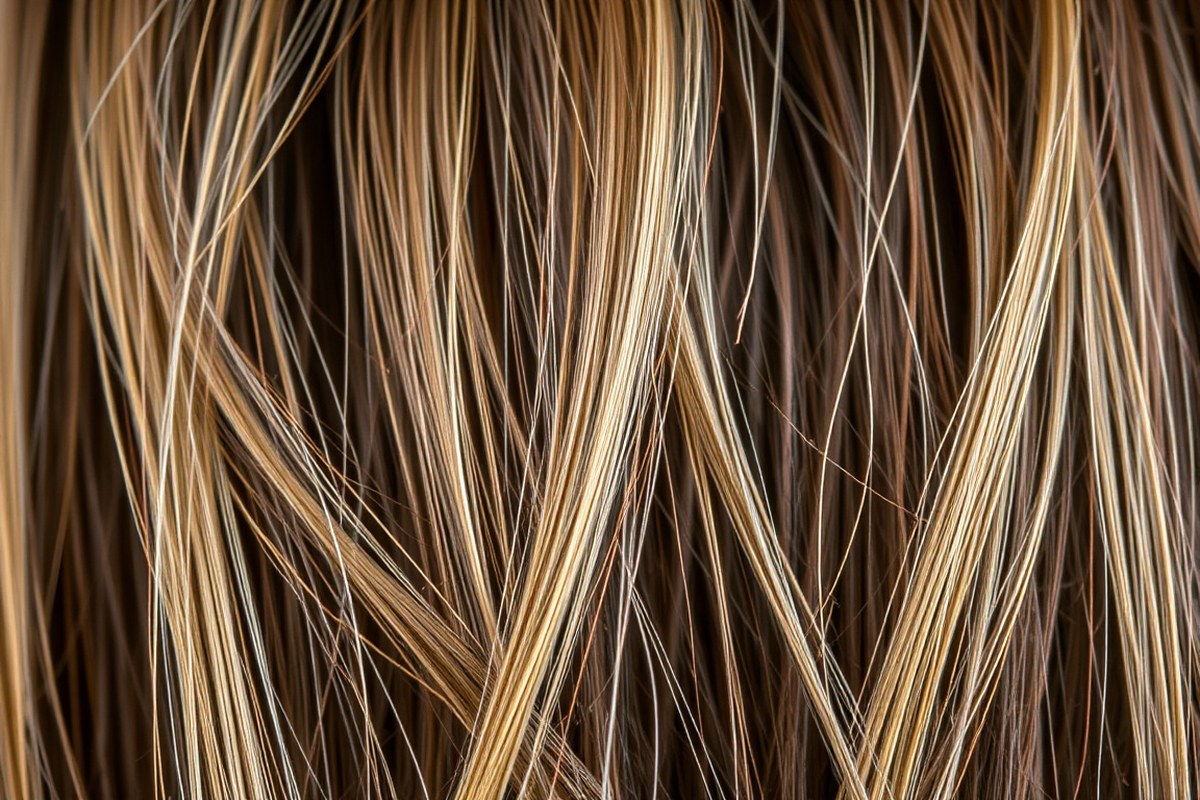
Highlights are lighter strands of hair that add brightness and depth. They create a contrast that makes your hair look fuller and more dimensional. Many people choose highlights to add a sun-kissed look or to bring life to dull hair.
The process involves selecting small to medium sections of hair. A stylist applies a lightening product, like bleach or a high-lift color, to those strands. They often wrap the hair in aluminum foil to trap heat and speed up the lightening.
The foil method helps the color lift more evenly and intensely. The stylist controls the thickness and placement of highlights to suit your style. Thinner sections give a subtle look, while thicker pieces create bold contrast.
Hair needs to be dry when highlights are applied. This lets the stylist see natural hair direction and place color perfectly.
After you apply the lightener, leave it on for 20 to 45 minutes. The time depends on how much lift you want.
Good highlights blend naturally with your base color yet still pop in the light. Sometimes, leaving the color on too long causes brassiness or uneven tones.
Damaged hair can also make the color look uneven. That’s why professional application is best to get smooth results without harming your hair.
Some styles, like peekaboo highlights, apply light color under hair layers. They show only when your hair moves, adding subtle flickers of brightness. Others want all-over foiled highlights for a dramatic change that catches attention.
After getting highlights, avoid washing hair for at least 48 hours to help the color set. This pause improves how well the lightened strands hold onto their new shade. Using quality shampoos and conditioners designed for color-treated hair also keeps highlights looking fresh longer.
Different Types of Hair Highlights Explained

Different highlight techniques offer unique effects on your hair’s color and texture. You can choose from foils, hand-painted balayage, fine babylights, or bold money pieces. Each style has different maintenance needs and suits different hair types and looks.
Foil Highlights
Foil highlights use thin sections of hair wrapped in foil to isolate the color. This technique lifts multiple strands quickly and creates bright, uniform streaks or subtle blends.
Foils work well for precise, even lightening and can be customized from chunky to fine pieces. They usually take 30 to 60 minutes.
Prices range from $75 to $150. Cost depends on hair length and thickness.
Good foil highlights look natural and match your base color smoothly. Poor application can cause harsh lines or uneven patches.
Balayage and Foilyage
Balayage is a freehand painting technique that creates a soft, graduated lightening without foil. It looks more natural with less root contrast and more dimension.
Foilyage combines balayage painting with a foil wrap to boost lift and processing speed. The foils trap heat while the painted sections keep a soft edge.
Balayage and foilyage need less upkeep than foils. The grow-out is slow and less clear.
This makes maintenance easier. Both usually cost $100 to $200 or more, with foilyage on the higher side.
Babylights and Teasylights
Babylights are very fine highlights that mimic natural sun-kissed strands. They typically use foils but with super thin sections for subtle shine and volume.
Teasylights are a softer variation with thicker sections teased before lightening, giving a blended, lived-in look. Both styles grow out gently and work well for fine hair. These techniques usually take longer, around 1.5 to 2 hours, and cost upwards of $150 because of the precision involved.
Money Piece and Face-Framing Highlights
The money piece is a bold highlight by your face. It brightens your look.
It draws attention to your features. It’s often done as a standalone or added to other styles like balayage.
Face-framing highlights are lighter strands placed strategically to highlight cheekbones and jawline contours. Both add dimension and freshen your look without full-head highlights.
These highlights need touch-ups every 6 to 8 weeks. Prices range from $50 to $100. Cost depends on size and technique.
Lowlights and Shadow Roots
Lowlights add darker strands to contrast with highlights, giving hair depth and reducing flatness. They blend especially well with blondes who want softer results.
Shadow roots involve keeping the roots darker while lightening the ends. This technique helps hide regrowth lines and extends the time between appointments.
Lowlights and shadow roots add depth when paired with highlights. They help create natural-looking growth. They add dimension too.
- Foil highlights offer precise, vibrant streaks with quicker processing.
- Balayage creates a natural, sun-kissed look without harsh lines.
- Foilyage speeds balayage with foils while staying soft around edges.
- Babylights are ultra-fine highlights for subtle shine and more volume.
- Money pieces brighten your face and highlight facial features.
- Lowlights darken strands to add depth and reduce harsh contrasts.
- Shadow roots soften grow-out and blend natural hair with color.
Pick your highlight style based on your hair type. Also think about how much upkeep you want. Choose what fits your lifestyle.
How Long Do Hair Highlights Last and What Affects Their Durability?
Hair highlights usually last between 6 and 8 weeks before fading or needing a touch-up. The exact time depends on your natural hair color. Your highlight technique also affects it.
How you care for your hair matters too. For example, balayage highlights often last longer than traditional foils because they grow out more naturally.
Several things speed up highlight fading. Washing your hair too often washes out color faster. Try to wash your hair only 2 to 3 times weekly to keep highlights vibrant longer.
Also, using harsh shampoos or hot water can strip color. So pick gentle, sulfate-free shampoos and wash with lukewarm water.
Swimming in chlorinated or salty water affects highlights by dulling and fading the color. Chlorine can change your hair’s tone. So rinse your hair with fresh water before and after swimming.
Wearing a swim cap helps protect your highlights further. Limiting exposure to sun can also prevent fading since UV rays bleach hair color over time.
Highlights can be changed or removed if you want a new look. A professional colorist can tone down the color. They may add a different shade.
This helps blend with your highlights. You can try hair treatments like glosses or color removers. These treatments may help remove highlights completely.
But these can damage your hair. It’s best to get this done by an expert to avoid uneven or dull results.
Keeping your highlights looking fresh takes some effort. Use deep conditioning treatments regularly to keep hair healthy and shiny. Avoid heat styling tools on high temperatures too often, since heat breaks down color molecules.
Ask your stylist about color-correcting shampoos. Also ask about toners to keep your highlight’s tone. These stop unwanted brassiness.
Costs, Time, and What to Expect in a Highlight Appointment
The cost and time for highlights change based on the type and your hair length. You can expect a session to last anywhere from 2 to 4 hours. Prices usually range between $100 and $450, depending on the method and salon.
Here’s a quick look at popular highlight techniques and their typical cost and time:
| Highlight Technique | Typical Time | Price Range |
|---|---|---|
| Chunky or Thick Highlights | 2, 3 hours | $100, $300 |
| Babylights (Ultra-fine, all over) | 3, 4 hours | $200, $450 |
| Airtouch Highlights | 3, 4 hours | $200, $450 |
| Ombre or Sunkissed Highlights | 2, 4 hours | $150, $400 |
The appointment usually starts with a consultation about your desired look. Your stylist will section your hair to isolate strands to lighten. Then, they apply lightener or dye on those strands using foils or a balayage brush.
Lightener processes for 20 to 45 minutes, depending on hair type and target lift. Then the stylist rinses and may tone your hair to balance the highlights. A final shampoo and style finish the session.
Getting highlights takes patience because the strands must lift evenly. Waiting the correct time before rinsing is key. Too short and highlights look dull; too long risks damage or brassiness.
If you want thicker highlights or a quick fix, chunkier ones cost less and take less time. Lighter, natural babylights or airtouch techniques require more skill and longer sessions.
The price reflects this. Your stylist can help you pick the best option for your budget and hair type.
Choosing the Right Highlights for Your Hair and Lifestyle
Choosing the right highlights depends on your hair color and skin tone. Texture and maintenance also matter. Think about how much upkeep you want.
Knowing these factors helps you pick between chunky, subtle, full, or partial highlights. Sometimes, lowlights or a mix of both fit your style better.
Assessing Your Natural Hair Color and Texture
Your natural hair color sets the base for your highlight choices. Lighter hair can handle more vivid or lighter shades. Dark hair benefits from warm caramel or cinnamon highlights.
Hair texture affects how highlights show. Fine hair shows color more brightly, so delicate babylights or balayage work well. Thick or curly hair suits chunkier highlights that blend with the natural texture.
Considering Your Skin Tone and Facial Features
Warm skin tones pair well with golden, honey, or caramel highlights. Cooler skin tones look best with ash blondes or strawberry blondes that add brightness without clashing.
Face shape and features also guide placement. Highlights near your face can add light and soften features. Ask your stylist where to position them for your best look.
Evaluating Maintenance and Lifestyle Factors
Maintenance depends on how clear you want the difference between your natural color and highlights. Foil highlights offer more contrast but need regular touch-ups every 6 to 8 weeks.
Balayage or hand-painted highlights grow out more naturally, lasting longer with less upkeep. This suits busy lifestyles or those who prefer few salon visits.
- Heat style often? Choose a color a few shades lighter. This helps protect your hair health.
- Darker shades or lowlights require less frequent color correction.
- Partial highlights focus on the top layers, improving brightness with less time and damage.
- Full highlights cover most hair and create an overall lighter effect but cost more.
- Ask your stylist about blending highlight tones for a natural effect.
Remember, your hair’s condition impacts highlight results. So deep condition a week before your appointment.
Partial vs. Full Highlights: Pros and Cons
Partial highlights lighten only the top or front layers. They brighten your face nicely.
The rest stays natural. They cost less and take less time during your appointment.
Full highlights cover the entire head and drastically change your hair’s overall shade. This option suits those wanting a bold change.
It needs more upkeep. Touch-ups come every 4 to 6 weeks.
Lowlights add darker strands instead of lighter ones. They’re good if your hair is very light.
Or if you want to add depth. These highlights avoid high maintenance.
Maintaining and Caring for Highlighted Hair
You should wait 48 hours before washing your hair after getting highlights. This helps the color settle and last longer. Washing too soon can fade the highlights and leave hair dry.
Choose shampoo and conditioner made for color-treated hair. Products like IGK More Life Color Extending Gloss bring hydration back and protect the color. Avoid shampoos with sulfates, which strip oils and lighten your highlights faster.
- Use a gentle, color-safe shampoo and conditioner every 2 to 3 days
- Apply a deep hydration mask like IGK Offline 3-Minute Hydration weekly
- Reduce use of heat styling tools to prevent color fading
- Use lukewarm water for washing, not hot
- Protect hair from sun exposure with hats or UV sprays
- Limit swimming in chlorinated water or rinse hair immediately after
- Schedule touch-ups every 6 to 8 weeks for fresh color
Washing too often strips oils and dries highlighted strands, making them brittle. Using a deep conditioning mask weekly restores moisture and shine.
Heat styling adds more damage. So keep tools on low heat and always use a heat protectant.
Keeping your hair hydrated helps your highlights stay warm and natural. Protect your hair from chemicals and sun damage. These steps keep your highlights looking fresh longer.
For instance, golden and beige tones stay vibrant longer with proper care. A good routine takes some effort but keeps your highlights bright without extra salon visits.
Safety, Risks, and Special Considerations with Highlights
Highlights can cause some hair damage, especially lighter shades like platinum or blonde. These colors often need stronger bleach or lift, which weakens hair strands. Darker or subtle highlights cause less damage.
They use weaker formulas. They also need less processing time. Regular touch-ups, about every 12 weeks, limit damage by avoiding over-processing.
Allergies to hair color ingredients are possible, especially with permanent dye and bleach used in highlights. A patch test 48 hours before application helps catch allergic reactions.
It’s wise to consult a professional if you have sensitive skin or a history of allergies. They can choose safer products or alternatives to reduce risks.
Pregnant people can get highlights, but it’s good to be cautious. Most stylists recommend waiting until after the first trimester. Using well-ventilated spaces minimizes fumes from chemicals.
Some prefer natural or ammonia-free products to limit exposure. Thank goodness highlights only touch strands, not the scalp directly, reducing absorption.
Doing highlights safely at home is possible but tricky. Professionals have training in applying bleach or dye evenly and minimizing damage. At home, uneven application can cause patchy color or burns.
Following the instructions exactly and using quality kits helps. Always do a patch test sooner than recommended. Avoid leaving bleach on longer than advised to protect your hair.
Regular deep conditioning treatments after highlighting keep hair stronger and shinier. Avoid washing hair with hot water immediately after coloring, as it strips moisture. Using color-safe shampoos and conditioners prolongs the look and health of your highlights.
Notice scalp irritation or hair breaking? Seek professional help fast.
Common Highlight Mistakes and How to Fix Them
Common mistakes with highlights include uneven colour, brassy tones, over-processing, and poor contrast. Each problem has clear fixes and ways to prevent it at your next appointment. Knowing these helps you get the look you want without damage or disappointment.
Uneven Color or Patchy Highlights
Uneven highlights happen when the lightener isn’t spread the same everywhere. Some spots get too much time. This causes uneven colour on your hair.
This creates blotchy patches that ruin the smooth contrast you want. To fix uneven colour, ask for a toner from your stylist.
You can also get an all-over gloss treatment. This helps even out the hair colour.
Next time, tell your stylist exactly how much contrast you want. Watch the progress during your appointment. This way you get the look you want.
They can use foils or a balayage technique for better control. Avoid home highlighting kits if you’re unsure, as it’s easy to miss strands or overlap bleach.
Brassy or Unwanted Tones
Warm, brassy tones often appear when blonde highlights oxidize or if the toner was too warm. Violet shampoos help neutralize brassiness when you wash your hair at home.
A quick toner session can fix orange or yellow highlights. It also brightens your hair’s tone.
Lowlights also help reduce brassiness by adding cooler, darker shades among the highlights. This creates depth and balances the overall colour. Schedule a toner touch-up every 4 to 6 weeks.
This depends on how fast your hair loses colour. It keeps your highlights looking fresh.
- Use violet or purple shampoos 2 to 3 times per week to fight brassiness
- Get a toner added right after lightening to lock in the right tone
- Avoid too much sun and chlorine which boost brassiness
- Try a gloss or glaze treatment every 4 to 6 weeks for fresh colour
- Ask for lowlights to balance out overly warm highlights
Always follow the product instructions when using toning shampoos to avoid drying your hair.
Over-Processed or Damaged Hair
Leaving bleach on too long can cause dryness and breakage. Doubling up on highlights makes it worse. It can also lead to split ends.
Over-processing weakens the hair strand and dulls your colour. Regular deep conditioning treatments improve moisture and strength after your appointment.
Your stylist can cut split ends if your hair looks damaged. They can also add protein treatments to help your hair recover.
Avoid heat styling tools on highlighted hair for at least two weeks after bleaching. Use gentle shampoos without sulfates to keep hair healthy and retain colour longer.
Incorrect Contrast with Base Color
Highlights too light or too close to your hair colour look unnatural. They can also make your hair look flat and dull.
Matching the tone and level to your natural shade creates a more blended and natural look. Dark hair works well with warm ginger or caramel highlights for soft contrast.
Ask your stylist to place highlights strategically where the sun would naturally lighten your hair. This avoids harsh lines and makes regrowth less obvious. Low-maintenance options like balayage or teasylights soften root contrast between highlights and base.
Step-by-Step Action Plan for Getting and Caring for Hair Highlights
Follow these steps to get highlights and keep them looking fresh and healthy.
- Before your appointment: Choose the highlight type that fits your lifestyle and hair condition. Ask your stylist for examples to be sure.
- Day of your appointment: Arrive with clean, dry hair unless your stylist says otherwise. This helps the color take evenly.
- Right after highlights: Rinse hair gently with cool water and use a color-safe shampoo. This reduces damage and preserves color.
- Week 1: Use deep-conditioning treatments twice this week to nourish your hair. Healthy hair holds highlights longer.
- After 2 weeks: Check for fading or dryness. Ask your stylist for a toner if needed. This keeps your highlights looking fresh.
- Month 1: Book a touch-up if roots are visible. Do it also if highlights look dull. Regular maintenance boosts your color.
- Ongoing: Protect hair from sun and heat styling to avoid damage and color loss. Wearing a hat or using heat protectant helps a lot.
Frequently Asked Questions
Can Highlights Damage Your Hair Even If Done Right?
Yes, highlights lighten hair and can cause dryness. Use deep conditioning and avoid heat styling to help keep hair healthy.
How Soon After Highlights Should You Avoid Swimming?
Avoid swimming for at least 48 hours post highlights. Chlorine and saltwater can dry out and fade your new color.
Do Highlights Work on All Hair Textures?
Highlights work on straight, wavy, and curly hair. The result depends on hair texture and the highlighting technique used.
Can You Highlight Hair That’s Already Colored?
Yes, but it depends on your existing color and hair health. A stylist can help you choose the best approach.
Are Highlights Noticeable on Very Dark Hair?
Yes, but the contrast is subtler unless lightened a lot. Lighter tones near the face brighten the complexion effectively.
What’s the Difference Between Highlights and Lowlights?
Highlights add lighter strands; lowlights add darker strands. Combining them adds depth and dimension to your hair.
The Bottom Line
Highlights add dimension and brightness to your hair in many ways. Picking the right style and caring for your hair makes them last longer and look better. Start planning your next salon visit today to refresh your look.