Is Tea Tree Shampoo Good for Dandruff? What Actually Works and How to Use It
Is tea tree shampoo good for dandruff? Yes, it can be effective, especially for mild to moderate dandruff. Using shampoo with about 5% tea tree oil helps lower flakes.
It works by controlling the yeast fungus that causes dandruff. This reduces scalp irritation and makes your hair cleaner.
This natural ingredient fights the fungus while soothing your scalp. Many people notice fewer flakes and less itching within a few weeks. Choose shampoos showing tea tree oil at 5% or more on the label.
This amount gives better dandruff control and scalp care. Use as directed for best results.
Start by using the shampoo regularly, about three times a week. Avoid overwashing, which can dry your scalp and make dandruff worse. Stop using the shampoo if your scalp feels irritated.
Talk to a healthcare professional about your symptoms. Doing this helps avoid bigger problems.
Key Takeaways
- Choose tea tree shampoo with at least 5% tea tree oil for effective dandruff control.
- Use the shampoo regularly, about three times a week, for best results.
- Tea tree oil works by reducing the fungus that often causes dandruff.
- Avoid washing hair too often to prevent drying out your scalp.
- Expect to see dandruff improve within four weeks of consistent use.
- Stop using tea tree shampoo if scalp irritation or redness appears.
Is Tea Tree Shampoo Actually Effective for Dandruff?

Using a shampoo containing 5 percent tea tree oil can reduce dandruff effectively. A 2002 study published in the Journal of the American Academy of Dermatology examined this concentration.
After four weeks, dandruff severity dropped by 41 percent. The placebo shampoo only lowered it by 11 percent.
This concentration matters because lower amounts of tea tree oil may not deliver the same results. A shampoo that lists tea tree oil near the end often has too little. Too little tea tree oil may not work well against dandruff.
Look for products with it higher on the list. The 5 percent level used in studies represents a balance between safety and effectiveness.
Tea tree shampoo fights a yeast that causes dandruff. This yeast is called *Malassezia* or *Pityrosporum ovale*. Killing this yeast helps reduce flakes and itch.
Reducing this yeast helps lower flaking and scalp irritation. Use tea tree shampoo two to three times each week for best results.
This frequency helps clear scalp skin. It also lowers the number of flakes.
Results typically show up within four weeks of consistent use. Signs of improvement include less visible dandruff and reduced itchiness. Some people notice scalp oiliness also decreases, which further helps control flakes.
Not everyone will experience the same level of improvement. People with mild to moderate dandruff often see the best benefits. Those with severe dandruff might need additional treatments or medicated options alongside tea tree shampoo.
Tea tree shampoo can work better than skipping treatment or washing hair less often. However, it requires a commitment to regular use. Stop using the shampoo too soon and dandruff may come back.
The yeast behind dandruff can grow again without ongoing treatment. Keep using the shampoo to keep control.
How Tea Tree Shampoo Works to Reduce Dandruff and Soothe Scalp

Tea tree shampoo works by using tea tree oil’s antifungal and antibacterial powers. It helps reduce dandruff flakes and soothe scalp irritation. This oil targets common scalp issues like excess oil, fungal growth, and itchiness.
Antifungal Effects Targeting Dandruff Causes
The main cause of dandruff often involves a fungus called Malassezia. Tea tree oil contains natural antifungal compounds that help stop this fungus from growing. This reduces flaking and scalp irritation linked to mild to moderate dandruff over time.
Using a tea tree shampoo with about 5% oil helps your scalp. It reduces the fungal buildup. This cuts down on dandruff and irritation.
Use it regularly, daily or every other day. This keeps your scalp balanced. It stops flakes and redness from forming.
Antibacterial Properties Calm Scalp Irritation
Besides fungus, bacterial buildup can worsen scalp irritation or cause inflammation. Tea tree oil’s antibacterial traits help clear these bacteria gently. This calms itching and redness, creating a healthier scalp surface.
Keeping your scalp clean with tea tree shampoo removes excess oils and dirt. This prevents clogged pores and infection risks that often lead to discomfort and more flakes.
Soothing Ingredients Reduce Itch and Dryness
Tea tree shampoo often includes soothing agents like aloe vera or chamomile. These ingredients hydrate and calm dry, itchy skin on the scalp. This relief is important for making dandruff symptoms less noticeable and uncomfortable.
Using a shampoo formulated for oily, dandruff-prone scalps helps balance moisture levels. It avoids stripping your scalp’s natural oils, which might otherwise worsen dryness and irritation.
How Tea Tree Oil Combats Excess Oil and Buildup
Oily scalps produce extra sebum that traps skin flakes and causes buildup. Tea tree oil helps regulate oil production while cleaning away residue. This reduces flakiness that comes from clogged follicles and greasy hair.
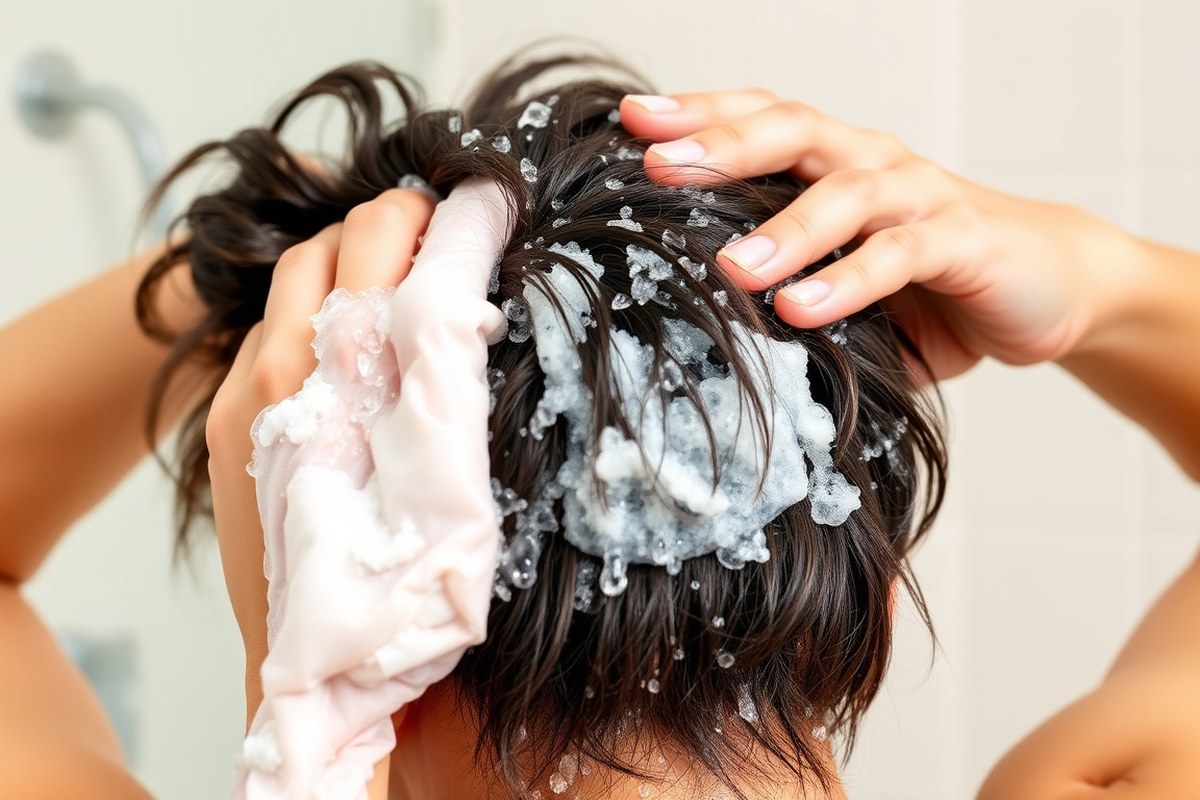
Apply tea tree shampoo to wet hair and massage the scalp for 2 to 3 minutes. Tea tree oil goes deep into your pores.
It clears out excess oil and dead skin. This cleans your scalp well.
Pick a tea tree shampoo with 5% oil or more. Use it often for best results. It soothes your scalp and cuts flakes down.
Choosing the Right Tea Tree Shampoo: Key Ingredients Compared
Choosing the right tea tree shampoo means checking the oil amount. Look for helpful ingredients. Also, check the shampoo base.
Pick formulas made for your scalp type. They should control dandruff well. Avoid ones that dry or irritate your skin.
Knowing these factors helps you choose the right shampoo. It works for your scalp and hair. It meets your specific needs.
Tea Tree Oil Concentration Levels
Tea tree oil needs to be at about 5 percent concentration to fight dandruff well. This level offers antimicrobial effects and soothes itchiness on dry or oily scalps.
Lower concentrations might not be as effective. Higher amounts could cause irritation for sensitive skin.
Look for shampoos that clearly state near five-percent tea tree oil. This matches lab results showing good dandruff relief after three to five minutes of scalp contact. Avoid shampoos with vague or very low tea tree oil percentages.
Beneficial Additional Ingredients
Tea tree oil works better with other natural ingredients that fight flakes and calm irritation. Peppermint and eucalyptus add cooling effects, easing scalp itch and oiliness. Lavender and aloe vera help reduce redness and keep skin moisturized.
Oils like argan, jojoba, almond, and olive nourish and soften dry strands without weighing hair down. Some shampoos include vitamin E or beta-glucan to protect scalp skin and improve hair strength. Choose a shampoo with these to support scalp health alongside dandruff control.
Surfactants and Formulations
The shampoo base matters for scalp comfort and effectiveness. Mild cleansers like sodium C14-16 olefin sulfonate and cocamidopropyl betaine remove oil and flakes gently. Avoid harsh detergents, which can strip natural oils and worsen dryness or irritation.
Formulas blending moisturizing and cleansing agents suit sensitive or dry scalps better. Hydrating shampoos help maintain scalp balance while clearing flakes. For oily scalps, look for shampoos targeting excess sebum without over-drying.
| Shampoo Ingredient | Function | Benefits for Dandruff Prone Scalp |
|---|---|---|
| Tea Tree Oil (~5%) | Antimicrobial, anti-itch | Reduces fungus and soothes scalp irritation |
| Peppermint Oil | Cooling, soothing | Calms itch and controls scalp oiliness |
| Eucalyptus | Antimicrobial, refreshing | Supports scalp hygiene and flake reduction |
| Argan, Jojoba, Olive Oils | Moisturizing, hair nourishment | Softens dry hair and restores scalp softness |
| Sodium C14-16 Olefin Sulfonate | Mild surfactant | Effectively cleans without harsh drying |
| Cocamidopropyl Betaine | Mild foam booster, cleanser | Gentle on sensitive scalp, improves lather |
| Beta-Glucan, Aloe Vera, Vitamin E | Skin protectants, moisturizers | Calm irritation and repair scalp barrier |
The right tea tree shampoo balances the oil amount. It uses mild ingredients. It matches your scalp type.
Hydrating oils and soothing botanicals help dry or irritated scalps stay healthy. Surfactants that clean without harshness prevent scalp irritation and keep flakes under control.
How to Use Tea Tree Shampoo for Different Dandruff Types
Using tea tree shampoo right depends on your dandruff type and scalp sensitivity. Mild dandruff needs a simple rinse, while oily or sensitive scalps require tailored techniques. Follow these easy steps to get the best results and avoid irritation.
Method 1: Standard Rinse for Mild Dandruff
This method suits mild dandruff that appears occasionally without causing too much discomfort. The shampoo controls flakes and soothes the scalp. Use it two to three times weekly.
This helps keep your scalp calm and fresh. Keep the shampoo on your scalp for about three minutes to allow it to work.
Follow these steps for mild dandruff:
- Wet your hair and scalp thoroughly with warm water.
- Apply a dime-sized amount of tea tree shampoo to your scalp.
- Massage gently with your fingertips for 60 seconds to spread the shampoo.
- Leave the shampoo on your scalp for about 3 minutes.
- Rinse your hair thoroughly with warm water.
- Apply conditioner only to the ends of your hair if desired.
- Repeat this routine 2 to 3 times a week.
Method 2: Extended Leave-On for Persistent Flakes
For stubborn dandruff, leave the tea tree shampoo on longer. This helps break down flakes better. Try this if regular washing isn’t enough.
Use shampoo three times a week and leave it on 5 to 10 minutes. This can improve scalp health.
It also helps reduce flakes. This method deepens the treatment but avoid exceeding 10 minutes to prevent irritation.
Here’s how to do it:
- Wet your hair and scalp completely with warm water.
- Dispense enough tea tree shampoo to cover your scalp fully.
- Massage the shampoo into your scalp for 60 seconds.
- Allow the shampoo to stay on your scalp for 5 to 10 minutes.
- Rinse thoroughly with warm water.
- Condition only hair ends if needed.
- Use this routine three times a week for best effect.
Method 3: Oily Scalp Focused Application
An oily scalp often worsens dandruff by triggering excess oil production. Tea tree shampoo cleans deeply and soothes the skin. Use it with a gentle massage.
This helps improve scalp condition. Massage your scalp for at least five minutes during shampooing, three times weekly.
Follow these steps for an oily scalp:
- Rinse your hair with warm water until fully wet.
- Apply a generous amount of tea tree shampoo to your scalp.
- Massage your scalp vigorously with fingertips for 5 minutes to loosen oil and buildup.
- Let the shampoo sit on your scalp briefly as you finish massaging.
- Rinse your hair completely with warm water.
- Condition hair ends only if you want.
- Repeat this process three times per week for clearer scalp balance.
Method 4: Gentle Use for Sensitive Scalps
Sensitive scalps can react to strong oils or fragrances in tea tree shampoo. Diluting the shampoo and limiting contact time can reduce irritation. Use the shampoo twice weekly, leaving it on for no more than two minutes.
Use these steps if your scalp is sensitive:
- Mix half a teaspoon of tea tree shampoo with an equal amount of water.
- Wet your scalp gently with lukewarm water.
- Apply the diluted shampoo carefully to affected scalp areas.
- Massage lightly for 30 to 45 seconds without scrubbing hard.
- Leave it on for up to 2 minutes only.
- Rinse thoroughly with lukewarm water.
- Use gentle, fragrance-free conditioner if needed on hair ends.
- Repeat this gentle method twice a week to protect sensitive skin.
What Results to Expect and Realistic Timeframes for Tea Tree Shampoo
Tea tree shampoo usually takes two to four weeks to work. You might see some improvement in dandruff after this time. Don’t expect quick results overnight.
Your scalp needs time to respond to its antifungal and soothing properties. Daily or every-other-day use is common for best results.
Expect a gradual reduction in flakes rather than an immediate disappearance. A big drop can range from 50% to 80% over weeks. It depends on how bad your dandruff is.
More severe dandruff may take longer to improve. Mild to moderate dandruff tends to improve more noticeably within the first month.
Watch how your scalp feels and looks after a month. Use the shampoo consistently during this time. This helps decide if it’s working for you.
Don’t keep using it if your dandruff gets worse. Change your treatment plan when you see no progress.
Pay attention to how your scalp reacts. Switching to medicated shampoos with ingredients like zinc pyrithione or ketoconazole might be necessary.
Using tea tree shampoo regularly also helps prevent dandruff returning by maintaining a clean scalp environment. Some people need to continue using it long-term to control mild dandruff and scalp oiliness. Try stronger treatments right away with very oily skin or itch.
Don’t wait too long when symptoms persist. This can help prevent worse scalp problems.
Don’t expect instant results. Stick with the shampoo for at least four weeks before deciding if it works for you.
Common Mistakes When Using Tea Tree Shampoo and How to Avoid Them
Using tea tree shampoo too often can dry out your scalp. Overuse leads to irritation and itching instead of relief. Stick to washing your hair two to three times a week to avoid this problem.
Applying tea tree shampoo incorrectly also reduces its impact. Some people rinse it off too quickly. So the oil doesn’t have time to work.
Massage the shampoo gently into your scalp. Let it sit for two to three minutes. Then rinse it out well.
Ignoring the concentration of tea tree oil in the shampoo is another common mistake. High concentrations can cause redness and stinging, especially if your scalp is sensitive. Look for shampoos with around 5% tea tree oil or less for gentle but effective results.
- Use tea tree shampoo 2-3 times per week, not daily
- Massage it into your scalp gently for 2-3 minutes
- Rinse thoroughly with lukewarm water, not hot
- Choose shampoo with 5% tea tree oil or less
- Should irritation happen, cut back on use or pick a milder product.
- Follow up with a gentle conditioner to prevent dryness
- Adjust your routine if dandruff returns after a break
Notice dandruff returning after stopping tea tree shampoo? Don’t overuse it quickly.
Instead, space out your washes and add a moisturizing conditioner. This helps keep your scalp balanced without causing new irritation.
Adjusting your shampoo routine is key. Start slow with once a week, then increase if your scalp tolerates it. Watching your scalp’s response will help you find the right balance for clear, comfortable skin.
Safety, Side Effects, and When to Consult a Healthcare Professional
Tea tree shampoo can cause allergic reactions or irritation, especially if you have sensitive skin. Common side effects include redness, itching, burning, or swelling on the scalp.
These symptoms usually show up soon after using the shampoo. So watch your scalp closely during the first week.
The safe concentration of tea tree oil in shampoos typically ranges from 5% to 10%. Shampoos with more tea tree oil can cause more irritation. Avoid them unless your doctor says it’s okay.
Using too much can hurt your scalp. You can do a patch test before using the shampoo fully.
It helps check if you have a reaction. Apply a small amount behind your ear and wait 24 hours to check for reactions.
You should see a doctor if irritation gets worse or doesn’t improve after a few days. Also, seek medical advice if your scalp develops sores, severe redness, or swelling. These signs might point to an allergic reaction that needs professional treatment.
Sometimes flakes can be an infection or other scalp problem. These issues need more than just tea tree shampoo. See a doctor if it doesn’t get better.
Flaking lasting over four weeks needs a healthcare provider’s look. Don’t wait if treatments aren’t working. A doctor can look for fungal infections or psoriasis that may require stronger medications.
People with very dry or broken skin might find tea tree shampoo too harsh. Use tea tree shampoo less often if your scalp feels dry. Try twice a week, not every day.
Pair it with a gentle, moisturizing conditioner. Don’t use tea tree shampoo right after coloring or chemical treatments.
These treatments make your scalp more sensitive. Wait until your scalp has healed.
Tea Tree Shampoo Versus Medicated Anti-Dandruff Treatments: When to Use Which
Tea tree shampoo offers a gentle, natural way to reduce mild to moderate dandruff. It cleans without stripping your scalp and uses ingredients like tea tree oil and aloe vera. These soothe irritation while exfoliating gently and maintaining scalp health with 92 percent natural components.
Medicated shampoos contain stronger antifungal agents like ketoconazole or zinc pyrithione. They’re best when dandruff is severe, persistent, or linked to conditions like seborrhoeic dermatitis or psoriasis. These products stop scalp flakes and itching faster than tea tree shampoo.
Tea tree shampoos may not control inflammation fully. Use these if you want quicker relief.
You can start with tea tree shampoo if dandruff symptoms are mild or occasional. Use it regularly for 2 to 4 weeks, watching for improvement. Flakes and itching stay or get worse?
Switch to a medicated shampoo. It has stronger ingredients that target the cause.
Some people safely combine both types by alternating washes. For example, use tea tree shampoo three times a week and a medicated shampoo twice.
This helps keep scalp balanced without over-drying. Always rinse thoroughly to avoid buildup and scalp irritation.
Check how your scalp reacts when mixing shampoos. Stop if you notice burning or increased itchiness.
This decision comes down to how your scalp responds and how intense your dandruff is. Tea tree shampoos cost about the same or less than medicated ones. They often cause fewer side effects, too.
Choose these for gentler care. But they need more patience and might not work for everyone, especially with severe scalp issues.
Step-by-Step Action Plan for Using Tea Tree Shampoo on Dandruff
Start reducing dandruff by following this easy plan. Track your scalp’s response as you go along.
- Before you start: Check the shampoo label for tea tree oil concentration and any added ingredients. Choose one with at least 5% tea tree oil for effectiveness.
- Day 1: Apply the shampoo as directed. Massage it into your wet scalp for 3 to 5 minutes. Then rinse thoroughly. Rinse well. You should feel a clean, refreshed scalp afterward.
- Week 1: Wash hair with tea tree shampoo 2-3 times per week. Notice less itching or flaking by the end of this week.
- Week 2: Keep using the shampoo on this schedule. Dandruff may decrease but not clear fully. Add a gentle conditioner for dryness if you need to.
- Week 3: Assess your scalp condition. Flakes may go away or reduce a lot. If irritation gets better, keep this routine. No signs of improvement? Talk to a healthcare provider for advice.
- After 4 weeks: Try reducing shampoo use to once a week for maintenance. Check if your scalp remains comfortable and flake-free.
- Ongoing: Avoid over-washing to prevent dryness. You can combine tea tree shampoo with another mild shampoo if needed.
Frequently Asked Questions
Is Tea Tree Shampoo Safe for Daily Use on Dandruff?
Tea tree shampoo is generally safe for daily use, but some may experience irritation. Start with every other day and see how your scalp reacts before daily use.
Can Tea Tree Shampoo Help Oily Scalp Along with Dandruff?
Yes, tea tree shampoo can reduce oiliness. It controls excess oil that can worsen dandruff and scalp irritation.
Does Tea Tree Shampoo Work for Severe Dandruff Cases?
Tea tree shampoo may help mild to moderate dandruff but not severe cases. Severe dandruff might need stronger medicated treatments.
Can Tea Tree Shampoo Prevent Dandruff from Coming Back?
Regular use can help prevent dandruff relapse by keeping fungus and yeast under control. It also soothes the scalp to reduce flakes.
Is It Normal to Have Scalp Dryness Using Tea Tree Shampoo?
Some people notice scalp dryness at first. Use a gentle conditioner or reduce shampoo frequency to avoid over-drying.
How Long Does It Take to See Dandruff Improvements with Tea Tree Shampoo?
You can expect results in about four weeks with consistent use. Dandruff severity often drops noticeably in that time.
Final Thoughts
Tea tree shampoo can effectively reduce mild to moderate dandruff when used correctly. Start with a good quality product and follow the plan above.
Watch your scalp closely for improvement this month. If there’s no clear change, see a doctor.