How to Take Care of Wavy Hair: Complete Guide for Healthy, Defined Waves
How to take care of wavy hair comes down to moisture, gentle handling, and styling choices. Wavy hair needs hydration but not heaviness.
So choose products that hydrate without weighing waves down. Use a diffuser to dry hair gently and keep waves intact.
First, know your wave type. Loose 2A waves need lighter care.
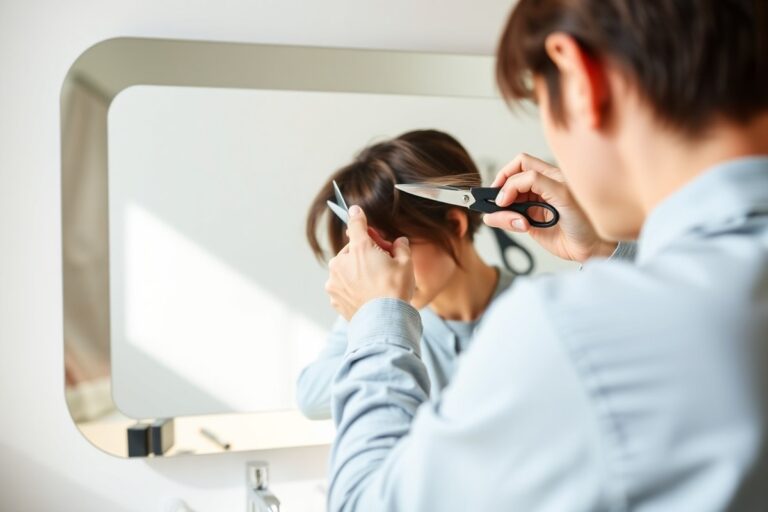
Tighter 2C waves need more moisture to fight frizz. Keep trims every 8 to 10 weeks to avoid split ends and boost healthy hair growth.
Avoid harsh rubbing with towels and instead use microfiber towels. They cut drying time by up to 90%, which reduces damage and frizz. Start diffusing when your hair is half dry to keep waves bouncy and fresh longer.
Key Takeaways
- Identify your wave type to tailor hydration and styling routines.
- Use sulfate-free shampoos to clean without stripping natural oils.
- Trim your hair every 8 to 10 weeks for healthy ends and shape.
- Apply leave-in conditioner to lock moisture and reduce frizz.
- Dry hair with a microfiber towel to minimize frizz and damage.
- Start drying with a diffuser when hair is about 50% damp.
How to Identify Your Wavy Hair Type Accurately

Start by washing your hair. Let it air dry without any products. Avoid styling while drying.
Look at your natural waves. Compare them to 2A, 2B, and 2C patterns. This helps find your wave type.
Knowing your wave type helps you pick the right products. It also guides your care habits. This keeps waves looking good.
Characteristics of Type 2A Waves
Type 2A waves are the loosest of the wavy hair types. Your waves probably have gentle, loose bends that fall softly without much volume at the roots. This hair type usually feels fine.
It is easy to straighten. Waves are soft and less clear.
Your main care needs will focus on lightweight moisture. Too heavy products can weigh your waves down and flatten them. Avoid oily gels or thick creams.
These can weigh hair down. Keep your hair light and bouncy.
How to Recognize Type 2B Waves
Type 2B waves show more defined S-shaped waves than 2A. You get more volume at the roots. Waves are gentle to medium along hair strands.
This adds movement to your hair. The waves often hold their shape better but can be mixed with some straight sections.
Light styling creams or mousses work well. Choose products made for wavy hair. This helps improve your wave pattern.
You want to add definition without adding weight or buildup. Frizz can appear especially if humidity is high. So frizz control products without heaviness usually help.
Defining Type 2C Waves and Their Needs
Type 2C waves are the densest and most textured among wavy hair. The waves are tight, close together, and can border on curly. You may see more frizz and dryness.
Tight waves stop natural oils from spreading. This makes hair feel drier.
This hair type often needs richer moisture, like creamy leave-ins or light oils. Avoid heavy products that cause buildup.
But be ready to use nourishing products that fight dryness. Protecting your waves from friction and harsh weather preserves their shape and reduces frizz.
Establishing a Perfect Wash Routine for Wavy Hair
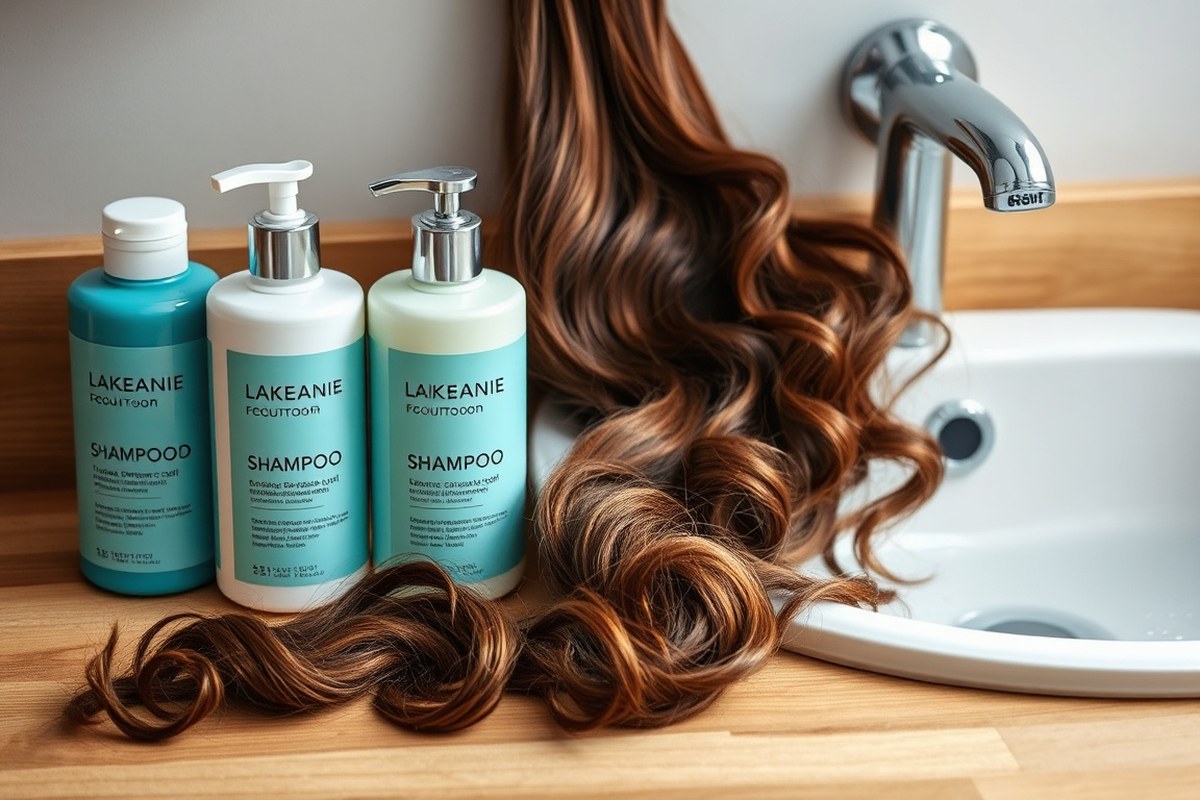
Wavy hair usually needs washing every two to three days. Washing too often removes natural oils, leaving hair dry and frizzy. Waiting longer risks buildup that drags down your waves, making them limp and dull.
Look for shampoos and conditioners that say “sulfate-free.” These are gentle and keep your waves defined.
Ingredients like glycerin, aloe vera, and coconut oil lock in moisture. Avoid heavy silicones or waxes, which cause buildup and weigh waves down.
You can follow a simple, step-by-step routine to wash your waves right. It cleans your scalp and refreshes curls without breaking your wave pattern.
- Wet your hair thoroughly with lukewarm water to open the cuticles gently.
- Apply a small amount of sulfate-free shampoo mostly on your scalp and roots.
- Massage your scalp gently for about 1 minute using fingertips, not nails.
- Rinse shampoo out fully with lukewarm water to avoid leaving residue.
- Apply conditioner from mid-length to ends to nourish the wavy parts, avoiding scalp to prevent greasiness.
- Leave conditioner on for 2 to 3 minutes to hydrate your hair well.
- Rinse with cool water to help seal the cuticles and add shine.
- Gently squeeze out excess water with a microfiber towel or cotton T-shirt, never rub.
Rinsing conditioner with cool water helps your waves stay smooth and shiny longer.
Best Styling Techniques to improve Waves Without Frizz
To improve your natural waves, use gentle styling methods. These shape your waves without damaging the hair cuticle. This also helps reduce frizz.
Scrunching with the right products locks in wave shape. Plopping and diffusing add volume and speed drying while keeping frizz low. Using light mousse, gel, or cream helps define waves without stiffness.
How to Scrunch for Defined Waves
Scrunching lifts and forms your waves while applying styling products. It encourages natural wave patterns without breaking the hair strands.
Use a lightweight mousse or a light gel that won’t leave your hair crunchy. After applying the product evenly, scrunch your hair from the ends upward toward your scalp.
Plopping Your Hair Step-by-Step
Plopping is a drying method that helps improve waves. It stops your hair from getting hit by too much airflow.
This prevents frizz from forming. It uses a soft cotton t-shirt or microfiber towel to hold your waves while they dry.
Follow these steps to plop correctly:
- Apply your styling product such as mousse or cream on wet hair.
- Bend forward and gently place your hair on the center of a t-shirt or microfiber towel.
- Bring the bottom of the shirt up to your neck, wrapping your hair inside.
- Twist the sleeves around your head and secure them at the back.
- Leave the plop on for 15 to 20 minutes to set the waves.
- Gently unwrap your hair after plopping. Let it air dry or use a diffuser to finish drying.
Plopping reduces drying time and maintains wave definition without roughing up the hair.
Using a Diffuser Effectively with Waves
A diffuser spreads your blow dryer’s airflow more gently, preventing frizz and keeping waves intact. Use it on low heat and low speed to avoid disturbing your wave clumps.
After plopping or adding styling products, flip your head upside down. Place hair sections into the diffuser bowl near your scalp. Move the diffuser slowly in circles until hair is almost dry.
Let your hair air dry the rest of the way. Or use the dryer’s cool shot to lock in your style. Avoid over-drying because that causes dryness and frizz.
Why Wavy Hair Becomes Frizzy and How to Prevent It
Frizz in wavy hair happens when the hair cuticle lifts and moisture enters the strand unevenly. Humidity makes this worse. Water in the air swells your hair strands.
This messes up your natural waves. That’s why your hair might feel puffy or look undefined on humid days.
Using heavy or wrong products can also cause frizz. Some oils and creams weigh waves down. Others may not provide enough moisture or sealing power.
Choosing products designed for wavy hair subtype matters. For example, a soft 2A wave needs lighter, hydrating formulas. A 2C wave benefits from richer creams that seal and lock in moisture.
To prevent frizz, start with a hydrating shampoo and conditioner that won’t strip natural oils. Follow with a leave-in conditioner focused on sealing the cuticle and locking in moisture. You can apply a light gel or mousse made for waves to define shapes without crunchiness.
Avoid using heat tools too often. Use a heat protectant. Set the heat to medium or low.
Handle your hair gently when it’s wet. Wet hair swells and breaks more easily. This causes more frizz.
Use a microfiber towel or a soft cotton T-shirt to blot excess water instead of rubbing. Also, limit how often you wash your hair. Washing daily can dry it out and increase frizz by stripping natural oils.
Trims every 8 to 12 weeks help keep ends healthy and reduce frizz caused by breakage. Keeping your hair healthy inside and out means embracing routine moisture and protection. Choosing the right products helps a lot.
Gentle handling matters too. It can turn waves from puffy to smooth, even in humidity.
How to Care for Wavy Hair According to Hair Thickness and Density
Knowing your hair’s thickness and density matters when caring for wavy hair. Fine hair reacts differently to products than thick hair does. Your hair’s needs change based on how dense or thick those waves are.
Identifying Hair Thickness and Density
Hair thickness means how wide a single strand is. Fine hair strands are thin and can get weighed down easily. Thick strands feel coarse and often look fuller.
Hair density means how many strands grow in one square inch of scalp. Low density shows more scalp, and high density feels full. Both thickness and density shape how your waves behave.
Try this test: take a single strand between your fingers to check its thickness. For density, part your hair wide and see how much scalp shows.
Tips for Fine and Thin Wavy Hair
If you have fine waves, aim for light products only. Heavy creams or oils flatten your waves and make hair look greasy. Lightweight gels, mousses, or sprays add definition without weight.
Choose shampoos and conditioners labeled “volumizing” or “lightweight” that avoid thick silicones and oils. Wash every 2 to 3 days to prevent buildup. Overwashing can dry the scalp, but product buildup makes hair limp.
Air drying or using a diffuser on low heat helps keep waves bouncy. Avoid rough towel drying, which can flatten fine hair. A soft microfiber towel is better for gently blotting your hair.
Best Practices for Thick and Coarse Waves
Thick, coarse waves need extra moisture and richer products. Use creams and leave-in conditioners that hydrate but don’t weigh down your hair. Look for ingredients like shea butter or coconut oil, but use sparingly.
Finger combing works well to detangle without breaking your waves’ natural pattern. Thick waves often start right at the roots. So massaging your scalp during shampoo helps circulation and scalp health.
Try washing every 3 to 4 days to retain moisture. Using too much shampoo can dry out coarse hair. A wide-tooth comb or your fingers help keep waves intact while styling.
Here’s a quick comparison of care tips based on thickness and density to guide your routine:
| Feature | Fine/Thin Wavy Hair | Thick/Coarse Wavy Hair |
|---|---|---|
| Strand Thickness | Thin, delicate strands | Thick, coarse strands |
| Common Wave Type | 2A or 2B waves | 2C waves, waves at roots |
| Product Weight | Lightweight, avoid heavy oils | Moderate to rich moisture, but avoid overloading |
| Styling Tools | Diffuser on low heat, soft microfiber towel | Wide-tooth comb, finger combing |
| Washing Frequency | Every 2-3 days to avoid buildup | Every 3-4 days to preserve moisture |
| Scalp Care | Gentle cleansing, avoid harsh scrubbing | Scalp massage during shampoo stimulates roots |
Matching your products and habits to your hair’s texture and density brings out the best waves. Fine hair stays light and bouncy, and thick waves stay defined and healthy.
Use too much heavy product on fine hair and you may lose volume fast.
Nighttime Hair Care to Protect and Preserve Waves
Sleeping on silk or satin pillowcases helps your waves stay smooth. These fabrics cut down friction that causes frizz and breakage. A cotton pillowcase can rough up the hair cuticle, leading to tangles and dry ends.
Before bed, gently style your hair to keep waves intact. Loose braids or a pineapple hairstyle hold the wave shape without pulling too hard. Both styles keep hair from rubbing against your pillow and getting messy overnight.
Wrapping your hair in a silk or satin scarf also protects strands. It keeps moisture locked in and prevents friction damage. This works well if you want extra protection beyond just a pillowcase.
- Use a silk or satin pillowcase to cut down on hair friction while sleeping.
- Put hair in a loose braid or pineapple style before bed.
- Wrap hair with a silk or satin scarf if more protection is needed.
- Use a light leave-in or wave-improving product to keep moisture.
- Avoid heavy products that weigh down your waves overnight.
- Detangle with a wide-tooth comb or wet hairbrush on wet hair.
Using a leave-in or wave-friendly cream at night keeps your hair hydrated. Apply sparingly to avoid weighing hair down. Your waves will look more defined and less frizzy in the morning.
Avoid brushing dry hair at night because it breaks wave clumps. Detangle wet hair gently using a wide-tooth comb for best results. This helps maintain wave shape and reduces breakage.
Refreshing Waves Between Washes: Simple Daily Tricks
Refreshing your waves on day 2 or 3 helps avoid the hassle of full washing. Lightly mist your hair with a water spray mixed with a small amount of leave-in conditioner. This rehydrates strands and revives wave shape without weighing hair down or causing buildup.
Pick styling sprays labeled “lightweight” or “reviving” to keep waves lively and bouncy. Avoid heavy creams or oils, as they can flatten loose waves, especially 2A types. Spritz areas that feel limp or dry, then scrunch gently with your hands to reshape.
Limit product use to a few sprays or a pea-size amount. This helps you restyle without adding buildup. Keep product light to avoid heaviness in your waves.
Overusing products leads to greasy roots and dull waves. A quick scrunching after refreshing helps keep definition and volume throughout the day.
- Spray water-leave-in mix lightly over dry hair
- Scrunch waves gently by cupping hair in your hands
- Use a diffuser on low heat if needed for extra lift
- Apply small doses of lightweight mousse or curl refresher spray
- Comb hair with fingers, not a brush, to prevent frizz
- Target only limp sections to avoid greasiness
- Do a full wash on day 4 or 5 for best wave health
Refreshing this way usually takes five minutes or less. Working quickly avoids disrupting natural wave patterns.
When waves look bunched together or oily, you’ve likely applied too much product. A bit of trial helps find your perfect balance.
Keeping waves lively longer depends on avoiding excess product buildup and heat damage. Touch-ups with your hands preserve natural texture better than brushes or harsh combs. Stick to a steady routine to stretch wash days.
You can keep waves soft and defined this way. They will also hold their shape longer.
Common Wavy Hair Mistakes and How to Fix Them
Washing wavy hair every day often causes dryness and frizz. Your scalp needs time to produce natural oils that protect hair strands. Stick to washing your hair 2-3 times a week to keep waves soft and shiny.
Brushing waves when they are dry can break your hair and ruin the curl pattern. Use a wide-tooth comb or your fingers while your hair is wet or damp. This keeps the waves intact and reduces breakage or frizz.
Product overload is common and makes hair feel heavy or greasy. Choose lightweight, water-soluble styling products.
Avoid applying too much; a dime-sized amount is a good starting point. Clarify your hair monthly to remove any build-up from products.
Regular trims are essential to prevent split ends, which travel up the strand and cause damage. Plan a trim every 8-12 weeks depending on hair health.
If your ends look frayed or your waves lose bounce, it’s time for a cut. Visiting a stylist who understands wavy hair helps retain your natural wave shape.
- Don’t wash more than 3 times a week; it keeps natural oils balanced.
- Comb hair gently when wet, never when dry.
- Use light styling products and avoid layers of heavy creams.
- Trim every 2-3 months to avoid split ends and maintain wave pattern.
- Avoid heat styling above 350°F and always use a heat protectant.
- Clarify monthly using a gentle shampoo to prevent product build-up.
When you notice dry, dull waves or increased tangling, reassess your routine and product use. Persistent damage calls for professional advice. A skilled hairstylist can suggest treatments or cuts that prevent breakage and revive your waves.
Never brush dry wavy hair. It breaks the curl and causes frizz that’s hard to fix.
Step-by-Step Action Plan for Wavy Hair Care
Follow this plan to keep your waves healthy and defined from day one. Each step includes a clear action and a way to check your progress.
- Before you start: Identify your specific wavy hair type using a curl pattern guide. Knowing your wave shape helps choose the right products and styling.
- Day 1: Wash hair with a sulfate-free shampoo and a hydrating conditioner. You’ll see softer, smoother waves without tight dryness.
- Week 1: Try finger scrunching with a lightweight curl-improving cream on damp hair. Waves should look more defined and less frizzy.
- After 2 weeks: Begin using a silk or satin pillowcase for nighttime. Your hair will feel smoother and have fewer tangles in the morning.
- Week 3: Refresh waves on non-wash days by misting with a water and leave-in conditioner mix. Waves will bounce back without needing a full wash.
- After 4 weeks: Adjust your styling routine based on hair thickness. Use more product if hair is thick; less if fine. Check if waves stay balanced, not weighted or dry.
- Monthly: Trim any split ends to keep waves healthy and prevent breakage. Healthy ends support better wave shape.
- Ongoing: Avoid heat styling overuse to prevent frizz and dryness. Notice your waves stay lively and soft without heat damage.
Frequently Asked Questions
How Often Should I Trim My Wavy Hair to Keep It Healthy?
Trim your wavy hair every 8 to 12 weeks to avoid split ends. Regular trims prevent damage and help maintain your hair’s natural wave shape.
Can Using Heat Tools Damage Wavy Hair More Than Other Hair Types?
Heat tools can cause more damage to wavy hair due to its texture. Use heat protectant sprays and keep the temperature moderate to avoid extra breakage.
Is It Better to Air Dry or Blow Dry Wavy Hair?
Air drying is gentler and reduces frizz for wavy hair. When blow drying, use a diffuser on low heat to keep waves soft and intact.
How Does Water Temperature Affect Wavy Hair During Washing?
Lukewarm water is best for washing wavy hair; hot water can dry it out. Cooler water helps seal the cuticle, making waves appear smoother and shinier.
Should I Use Conditioner on the Scalp or Just the Lengths of My Wavy Hair?
Focus conditioner on the mid-lengths and ends, not the scalp. Applying conditioner on the scalp can cause buildup and weigh down your waves.
Can I Use Silicone-Based Products on Wavy Hair?
Silicone products can build up and weigh wavy hair down if used often. Choose lightweight, water-soluble formulas designed for wavy textures to keep waves bouncy.
Key Points to Remember
Caring for wavy hair means working with your wave’s needs and not against them. You can keep your hair looking fresh and natural with small daily habits. Start tonight by switching to a silk pillowcase and feel the difference tomorrow.