

When to Use Clarifying Shampoo: A Complete Guide for Healthy Hair
When to use clarifying shampoo depends on how your hair feels and looks. It works best when your hair feels heavy, greasy, or coated with leftover products. Use it to reset your hair by removing buildup from styling products, oils, and minerals.
Try clarifying shampoo once every few weeks, unless your hair gets oily quickly. Overusing it can dry your hair out.
So follow up with a deep conditioner to restore moisture. Wait two weeks after dyeing before using clarifying shampoo on color-treated hair.
Choose a clarifying shampoo that fits your hair type first. Pick one for oily or color-treated hair. Clarifying shampoo can dry out your hair.
You need extra hydration after using it. Use conditioner or a hair mask to help.
Key Takeaways
- Use clarifying shampoo when your hair feels heavy or greasy due to buildup.
- Limit use to once a month to avoid drying out your hair and scalp.
- After clarifying, apply a deep conditioning treatment for 15 to 30 minutes. Use heat to help the conditioner soak in better.
- Wait two weeks after coloring hair before using a clarifying shampoo.
- Choose a clarifying shampoo formulated for your specific hair type or needs.
- Follow clarifying shampoo with a moisturizing shampoo that contains natural oils.
What Is Clarifying Shampoo and When to Use It

Clarifying shampoo is a special type of shampoo made to remove buildup from hair and scalp. It uses stronger cleansers than regular shampoo to remove buildup. These break down oils, styling products, minerals, and pollutants.
This helps your hair feel clean and fresh. Unlike regular shampoo, it focuses on deep cleaning rather than daily, gentle cleansing.
This shampoo removes layers of grime that regular shampoos leave behind. It clears away excess oils, hard water minerals, chlorine from pools, and leftover styling products. Regular shampoo might not remove swimmer’s green tint.
Clarifying shampoo can clear this up better. It gets rid of minerals and residue that cause green color.
Use clarifying shampoo when hair feels heavy or looks dull. It helps remove buildup that makes hair lack shine. This shampoo can restore your hair’s natural brightness.
It helps reset your hair, making treatments and conditioners work better after use. Use clarifying shampoo once or twice a month for most hair types.
This keeps buildup under control without overcleansing. More frequent use can dry out hair.
Regular shampoo cleans hair lightly and leaves it soft by adding conditioners. Clarifying shampoo, instead, has stronger surfactants and few conditioning agents. So hair feels squeaky clean but not soft.
Clarifying shampoo isn’t meant for daily use or dry hair. It can dry out color-treated hair too. Use it only when you have buildup to avoid damage.
Clarifying shampoo is about 80 to 90 percent water. The rest are strong cleansing ingredients. These powerful cleansers remove oils and residue effectively.
These surfactants remove tough residues. Apply clarifying shampoo on wet hair for best results.
Lather well and rinse after one to three minutes. This depends on how much buildup your hair has.
Signs Your Hair and Scalp Need Clarifying Shampoo
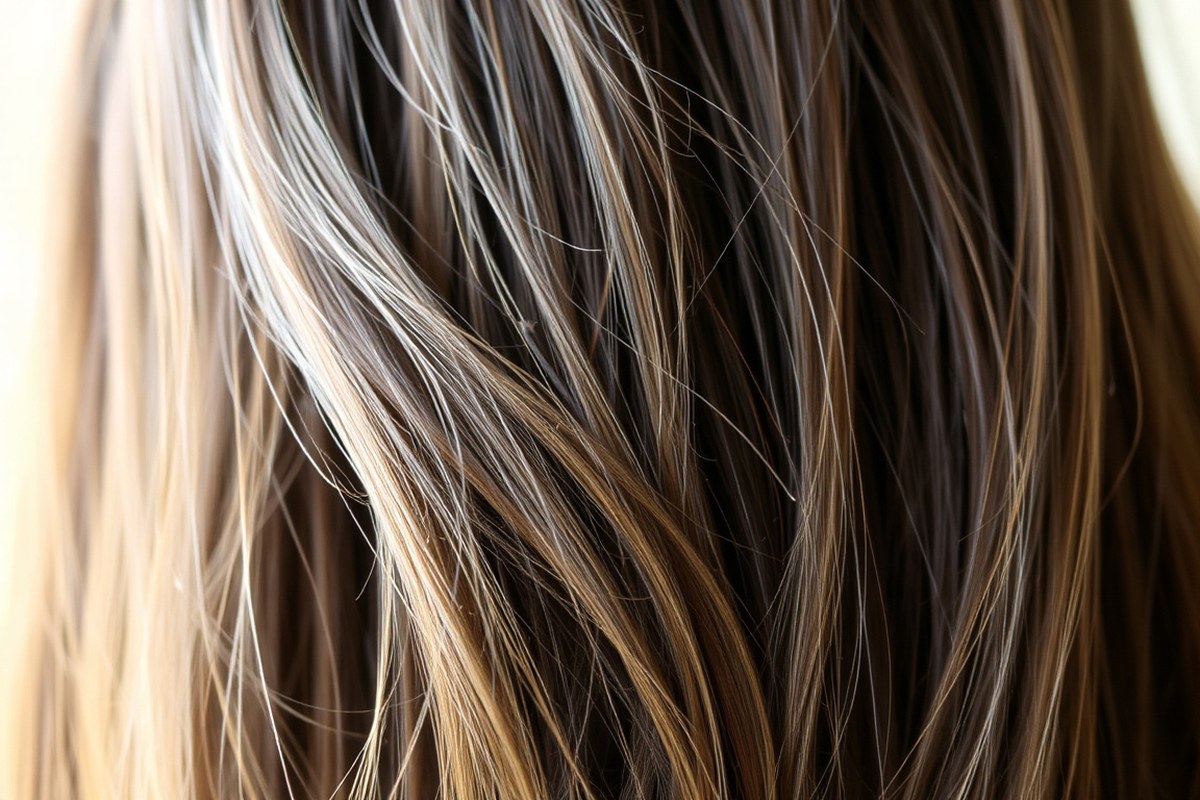
Your hair and scalp can build up oils, minerals, and styling products. This buildup leaves hair looking dull and feeling heavy, greasy, or sticky.
You might feel your scalp is oily right after washing. This means buildup is blocking clean water from reaching it.
Hard water adds minerals that stick to hair over time. These minerals cause rough texture and dullness you can’t fix with regular shampoo. Product residue from hairspray, gel, or mousse builds up at roots and strands.
This buildup makes styling your hair tricky. Heavy hair or a greasy scalp often means you need a deep clean with clarifying shampoo.
- Hair feels weighed down or sticky
- Your scalp looks or feels oily soon after washing
- Dullness or lack of shine despite cleaning
- Build up affects how your hair holds styles
- White or chalky residue is visible on hair
- Swimming often leads to chlorinated hair odor or color change
Clarifying shampoo breaks down buildup from excess oils, styling products, hard water minerals, or chlorine. Its stronger cleansing agents dissolve these layers so water and nutrients can reach your scalp again. This gives hair a fresh start and makes styling easier.
You don’t want to confuse dryness with buildup though. Dry or brittle hair needs gentle care, not frequent clarifying. Using clarifying shampoo too often can strip your natural oils.
This can cause damage, especially for color-treated or curly hair. When your hair feels heavy, greasy, or resists styling, it’s a good time to clarify.
Use clarifying shampoo only as often as your scalp condition suggests to avoid over-drying your hair.
How Often Should You Use Clarifying Shampoo?
You should use clarifying shampoo based on your hair type and lifestyle. Oily or fine hair can handle it once a week. Dry, curly, or color-treated hair needs it less, about every 2 to 4 weeks.
Using clarifying shampoo too often can strip natural oils. That leaves hair dry, brittle, and may cause color to fade. Treat it like a reset button to avoid damage and dryness.
| Hair Type or Condition | Recommended Frequency | Reason |
|---|---|---|
| Oily or Fine Hair | Once weekly | Removes excess oil and buildup without drying |
| Dry or Curly Hair | Every 2 to 4 weeks | Prevents over-drying and preserves natural moisture |
| Color-Treated Hair | Every 2 to 4 weeks | Protects color from fading; use mild formulas |
| Sensitive or Damaged Scalp | Use sparingly, less than monthly | Avoid irritation or further damage |
| Active Lifestyle/Heavy Product Use | Weekly or bi-weekly | Removes buildup from sweat and styling products |
For curly or textured hair, choose sulfate-free formulas. They clarify gently without stripping natural oils. After clarifying, always follow with a conditioner or mask to lock in moisture.
Clarifying shampoo is great for oily scalps but not for regular dry hair care. Using it too often risks rough, dry hair and faded color. Stick to the schedule above based on your hair and scalp needs.
How to Use Clarifying Shampoo Correctly
Use clarifying shampoo on wet hair. Work it into a lather. Let it sit for a few minutes.
Rinse well with lukewarm water and follow up with conditioner to restore moisture. This method cleans buildup effectively while reducing dryness risk.
Preparing Your Hair and Scalp
Start by rinsing your hair thoroughly with lukewarm water to remove loose dirt. Avoid using hot water here because it can dry out your scalp. Make sure your hair is fully wet before applying any shampoo.
Brush your hair gently if it is tangled. This helps spread the shampoo evenly and prevents breakage during washing. Also, remove any hair accessories to allow full access to your scalp.
Applying and Timing the Shampoo
Use a small amount of clarifying shampoo directly on your scalp. Gently massage it in, working up a lather. Focus on areas with visible buildup or oily spots.
Let the shampoo sit for about 3 to 5 minutes to break down buildup. Do not leave it on longer than 15 minutes.
It can dry out your hair and scalp. Rinsing completely is key after this step.
Rinsing Thoroughly and Following Up
Rinse your hair with lukewarm water until the water runs clear. This ensures you wash away all the shampoo and loosened buildup. Leaving residue can cause scalp irritation or dull hair.
After rinsing, apply your usual conditioner focusing on mid-lengths to ends. This step replaces moisture lost during clarifying. Rinse the conditioner out with cool water to help seal the hair cuticle and add shine.
- Wet your hair thoroughly with lukewarm water, avoiding hot temperature.
- Apply a small amount of clarifying shampoo to your scalp.
- Massage shampoo gently into scalp and hair to form lather.
- Let sit for 3 to 5 minutes on scalp areas with buildup.
- Rinse hair completely with lukewarm water until clear.
- Apply conditioner from mid-lengths to ends to restore moisture.
- Rinse conditioner out with cool water to seal hair cuticles.
Avoiding Damage: Common Clarifying Shampoo Mistakes and Fixes
Overusing clarifying shampoo strips your hair of natural oils. This leads to dryness and breakage, especially for curly or chemically treated hair. To prevent damage, limit clarifying shampoo to once every one to two weeks.
Choosing the right clarifying shampoo formula matters. Look for sulfate-free options if your hair feels fragile. Some formulas are designed to remove buildup without harsh stripping, which helps protect hair health.
Always follow clarifying shampoo with a deep conditioner or a leave-in treatment. These products replace lost moisture and lipids, preventing roughness and split ends. Skipping this step often causes your hair to feel brittle and dry.
- Don’t use clarifying shampoo daily, once every 7-14 days is safer.
- Pick gentle, sulfate-free clarifying shampoos for fragile or color-treated hair.
- Apply a protein treatment for 2 to 3 weeks first. This helps repair very damaged hair. Only then use clarifying shampoo.
- Always apply a deep conditioner or hair oil rich in lipids after clarifying.
- Avoid clarifying shampoos right before or after keratin treatments unless labeled safe.
- For dry curly hair, use clarifying shampoo sparingly and prioritize heavy moisturizers.
- Use clarifying shampoo after swimming to remove chlorine or mineral buildup.
Avoid clarifying shampoo when your hair is very damaged. Rebuild moisture and protein first. This prevents further damage.
Clarifying can worsen fragile strands and cause shedding. Restore your hair first with a 2-3 week deep care routine.
Never skip deep conditioning after clarifying shampoo. It keeps your hair soft and prevents breakage.
Clarifying Shampoo and Color-Treated or Chemically Processed Hair
Clarifying shampoo can strip color from treated hair, so timing matters a lot. Wait at least two weeks after coloring before using it. This gives your color time to set and reduces fading risks.
Use a color-safe clarifying shampoo when you do clarify. Brands like Paul Mitchell Shampoo Two or Rinzu® COLOR shampoo cleanse buildup but protect color. Avoid harsh drugstore versions with strong sulfates, they can dry out and break chemically treated hair.
Chemically processed hair, like permed or relaxed locks, needs gentler clarifying too. Such hair is more fragile and can dry faster.
Clarify about once a month. Do it when buildup affects style or scalp health.
Look for clarifying shampoos with added oils or conditioners. Ingredients like argan oil, coconut oil, or shea butter help replace moisture stripped during cleansing. For keratin-treated hair, try GK Hair pH+ Shampoo with Juvexin V2 for extra protection.
Overuse leads to dryness, breakage, or faded color. Your hair might feel brittle or dull after clarifying.
Try gentler daily shampoos that support moisture. Use clarifying shampoo only when you really need it to refresh buildup and keep shine.
Clarifying vs. Chelating Shampoo: What’s the Difference?
Clarifying and chelating shampoos both clean your hair deeply. But they target different types of buildup. Clarifying shampoos remove oils and product residue.
Chelating shampoos are better at tackling minerals from hard water. Choosing the right one depends on your hair type and specific cleansing needs.
Composition and Ingredients
Clarifying shampoos contain a high mix of surfactants with fewer conditioning agents. They use chemicals that bind to minerals, called chelating agents, like Disodium EDTA. These shampoos also balance moisture to offset dryness from stripping oils.
Chelating shampoos use stronger chelating agents such as EDTA or phytic acid. These chemicals are more effective at breaking down mineral deposits caused by hard water. They generally have fewer mild cleaners and focus on removing metals from the hair.
Use Cases and Efficacy
You use clarifying shampoo to clear away excess oils, product buildup, and residue. It also helps maintain a healthy scalp by removing sebum buildup. They are gentle enough for weekly use if formulated without harsh ingredients.
Chelating shampoos are necessary if your water has a lot of minerals. They remove hard water deposits that regular clarifying shampoos can’t fully clean. People with hard water see less buildup and fading if they use chelating shampoo occasionally.
Frequency and Timing Recommendations
Clarifying shampoos can be used weekly or when you notice dullness from product buildup. Avoid using clarifying shampoos right after coloring your hair; wait at least a week. This pause helps keep your color from fading too fast.
Use chelating shampoos about once a month. They help remove heavy mineral buildup. Use them only when you notice buildup on your hair.
You can alternate chelating shampoo with clarifying shampoo to balance deep mineral removal and gentle cleansing. Overuse of chelating shampoo may dry your hair, so follow product guidelines.
Here’s a quick comparison table to help you choose:
| Aspect | Clarifying Shampoo | Chelating Shampoo |
|---|---|---|
| Main Purpose | Removes oils, residue, and product buildup | Removes hard water minerals and metal buildup |
| Key Ingredients | Surfactants, chelating agents like Disodium EDTA | Stronger chelating agents like EDTA or phytic acid |
| Best For | Normal to oily hair with product buildup | Hair affected by hard water or mineral buildup |
| Usage Frequency | Weekly or as needed | Monthly or less, depending on water hardness |
| Effect on Color-Treated Hair | Wait at least a week after coloring before use | Use cautiously, can contribute to dryness and fading |
Use the table to decide based on your hair and water situation. A shampoo with no sulfates and added moisturizing ingredients protects your hair during clarifying. Chelating shampoo works better when you face heavy mineral buildup that clarifying shampoo can’t remove.
Alternatives and Additional Tips for Clarifying Your Hair
You can clarify your hair naturally using gentle DIY methods but must do so carefully. Hard water adds minerals that build up on your hair. So using clarifying shampoo helps remove that.
Use mild products if your scalp is sensitive. Follow up with treatments for moisture and calming irritation.
DIY Clarifying Ingredients with Caution
Baking soda and apple cider vinegar (ACV) are common DIY clarifiers, but use them sparingly. Baking soda can dry hair if used too often or in high amounts. Mix 1 tablespoon of baking soda with 1 cup of water for an occasional rinse.
Rinse your hair with a mix of 1 tablespoon apple cider vinegar and 1 cup water. This helps restore its pH balance.
Using these ingredients helps break down buildup without harsh chemicals. Avoid daily use to prevent scalp irritation or damage. Test on a small patch of scalp before a full wash if you have sensitive skin.
Managing Hard Water Effects
Hard water contains minerals like calcium and magnesium that cling to hair strands. This causes stiffness, dullness, or greasy feeling hair. Clarifying shampoos effectively remove this mineral buildup and reset your hair’s condition.
Clarify your hair after exposure to hard water areas. It helps if your hair feels heavy or weighed down.
You can check if you live in a hard water zone using online water hardness maps. Installing a shower filter reduces mineral buildup and helps maintain soft hair long-term.
Take short showers with warm water to limit hard water exposure and buildup.
Best Post-Care Practices
After clarifying your hair, it’s important to restore moisture and protect your scalp. Use a deep conditioner or hair mask rich in hydrating oils like argan or coconut oil. These ingredients help lock in moisture and reduce dryness.
Apply a soothing treatment if your scalp feels sensitive. Use aloe vera or chamomile extract for relief.
Avoid heavy oils right after clarifying, as your scalp might still be adjusting. Let your hair air dry or use low heat to prevent further damage.
- Rinse hair thoroughly to remove all clarifying product residue
- Use a hydrating conditioner immediately after clarifying shampoo
- Apply a scalp treatment if you notice redness or itchiness
- Limit styling products on clarifying days
- Avoid heat styling 24 hours post-clarification
- Consider leave-in conditioners with UV protection
Step-by-Step Action Plan for Using Clarifying Shampoo
Follow this plan to use clarifying shampoo safely and see clear results in your hair health.
- Before you start: Check if your hair feels heavy or looks dull. This often means buildup that needs clarifying shampoo.
- Day 1: Use clarifying shampoo once. Apply from roots to ends and rinse well. Your hair should feel lighter and cleaner.
- After 3 days: Observe your scalp condition. When your scalp feels itchy or greasy again, use clarifying shampoo once more this week.
- Week 2: Use regular shampoo three to four times. Add clarifying shampoo once if buildup comes back. Check for shine and scalp comfort.
- After 1 month: Adjust use based on hair type. For oily hair, use clarifying shampoo once every 1 to 2 weeks. For dry or color-treated hair, limit use to once a month.
- After 1 to 2 months: If your hair feels dry, use a deep conditioner. Apply it after clarifying shampoo. Your hair should look shiny and feel soft.
- Ongoing: Avoid using clarifying shampoo before or after chemical treatments to prevent damage. Follow your stylist’s advice.
Frequently Asked Questions
Can I Use Clarifying Shampoo Every Day?
No, using clarifying shampoo every day can dry out your hair. Use clarifying shampoo once a month or less.
Too often strips natural oils. This helps keep your hair healthy.
Will Clarifying Shampoo Remove Hair Treatments Like Keratin?
Clarifying shampoo can strip away treatments such as keratin. Use a protective formula like GK Hair pH+ Shampoo to safely clarify without damaging treated hair.
Can I Use Clarifying Shampoo If I Have a Dry Scalp?
You can use it, but sparingly. Clarifying shampoo can dry out a dry scalp more.
Always follow with a moisturizing conditioner or treatment. This soothes and protects your scalp.
Is Clarifying Shampoo Safe for Curly Hair?
Yes, but use it carefully. Curly hair dries easily, so use clarifying shampoo once a month.
Afterward, use a deep conditioner. This stops damage and keeps curls soft.
Does Clarifying Shampoo Help with Dandruff?
Clarifying shampoo can help remove buildup that worsens dandruff. However, it won’t treat dandruff itself; use it alongside dandruff-specific treatments for best results.
Can Clarifying Shampoo Improve Hair Volume?
Yes, clarifying shampoo removes residue that weighs hair down. Cleaner hair can appear fuller and less greasy, boosting your hair’s volume naturally.
Before You Go
Clarifying shampoo is a helpful tool when used right and not too often. It clears buildup and refreshes your hair and scalp. Try it once this week and notice the difference immediately.


