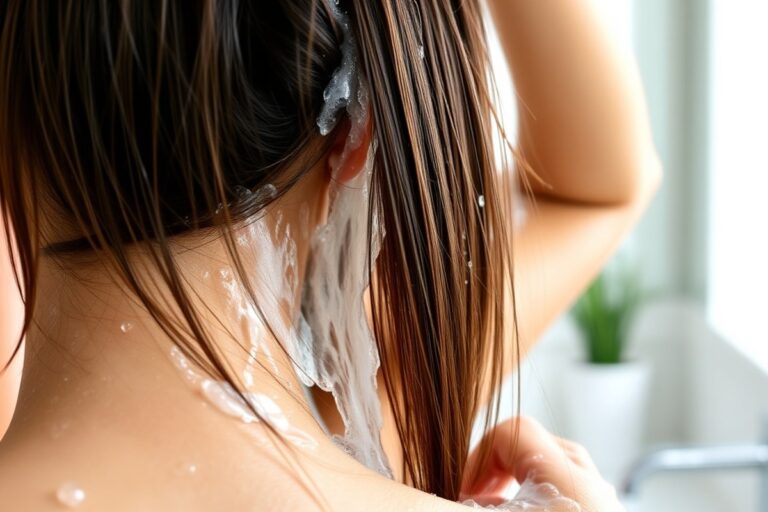
What Does Dry Shampoo Do to Your Hair? A Complete Guide with Safe Use Tips
What does dry shampoo do to your hair? It soaks up extra oil, making your hair look cleaner without water.
Dry shampoo freshens roots and adds volume, helping you skip a wash here and there. This works because the powder or spray grabs grease and sweat, leaving hair feeling less oily.
To get the best results, apply dry shampoo right after your hair is clean and dry. Hold the can about 6 inches from your roots and spray evenly. Using it the right way avoids buildup that can weigh hair down or irritate your scalp.
Dry shampoo extends the life of your hairstyle and reduces how often you wet your hair. Just don’t rely on it every day, or it might cause dryness and scalp problems. Use it smartly to balance freshness with hair health.
Key Takeaways
- Apply dry shampoo about 6 inches away from your scalp for even coverage.
- Use dry shampoo after washing and drying to maintain freshness longer.
- Section your hair to spray dry shampoo evenly on all roots.
- Limit your use to 2-4 times per week to avoid buildup and dryness.
- Choose a dry shampoo that suits your hair type and texture.
- Watch for scalp irritation or flaking as signs of overuse.
What Dry Shampoo Does to Your Hair and Scalp

Dry shampoo works by soaking up the excess oil and grease your scalp produces. It usually uses starch-based powders or sprays that cling to the oily roots. This absorption makes your hair look less greasy and more voluminous without needing water.
When you spray or sprinkle dry shampoo, the particles grab on to oils, dirt, and odors. They add a fresh scent to your hair. This helps it smell clean.
The scent stays even if your hair isn’t washed fully. You get a quick refresh with dry shampoo.
It can make hair look freshly washed. This effect lasts for one or two days.
Dry shampoo removes oils from your hair’s surface. It doesn’t clean your scalp or hair deeply. Traditional shampoo is needed for true cleaning.
It masks greasiness but leaves behind dirt and product buildup. Overusing it without regular shampooing can clog follicles and cause scalp issues. So it works best as a short-term fix, not a deep cleaning method.
How to Use Dry Shampoo Correctly for Best Results

Spray dry shampoo from about 10 centimeters away, focusing on your roots. Section hair into four parts for even coverage. After spraying, wait a few minutes before styling to avoid residue build-up.
Preparing Your Hair Before Application
Make sure your hair is dry before you use dry shampoo. It works best when your hair isn’t fresh out of the shower. Lightly blow dry if your hair still feels damp.
Separate your hair into four sections: left, right, back left, and back right. This helps you reach all the roots evenly. Working on small parts prevents over-applying the product in one spot.
Recommended Spray Distance and Technique
Shake the dry shampoo can well before use. Hold it about 10 centimeters (4 inches) from your scalp for an even mist. Spray directly on roots to absorb oil efficiently.
Spray in short bursts instead of a continuous stream. This controls how much product you apply. Move the can steadily across each section for full coverage without clumps.
For dark hair, be cautious as some powders show as white residue. Consider dry shampoos designed for your hair color to avoid this look. Use just a little, and blend well.
Post-Application Tips to Avoid Residue
Wait about 2 to 5 minutes after spraying before touching your hair. This gives the powder time to absorb oil and settle. Rubbing your scalp gently with fingers helps distribute the powder.
Brush or comb lightly to remove any white residue. Use a clean brush and start at your roots. This spreads the product evenly and removes excess powder for a natural look.
If you notice too much product in one spot, blend it with your fingers or a brush. Avoid piling on more dry shampoo; instead, fix coverage with gentle blending. This prevents a dry, flaky finish.
- Shake the dry shampoo can well.
- Divide hair into four sections.
- Hold the can about 10 cm (4 inches) from the roots.
- Spray short bursts directly onto roots of each section.
- Wait 2 to 5 minutes to let the product absorb oil.
- Massage the scalp gently with your fingertips.
- Brush or comb through to remove excess powder and blend.
- Style your hair as usual for volume and grip.
Keep the spray distance consistent to avoid white patches or oily spots.
Types of Dry Shampoo and Choosing the Best One for Your Hair
Dry shampoo comes in several types, mainly powders, sprays, and foams. Powder formulas absorb oil well and usually suit thicker or curly hair. Aerosol sprays spread evenly across your hair.
They work best on fine or straight hair. These sprays add light volume without heavy residue.
Tinted dry shampoos help cover the white powdery look on darker hair. They match your hair color to avoid visible residue.
Dark hair benefits from tinted dry shampoo options. They help avoid a chalky look.
Choosing the best dry shampoo depends mainly on your hair type, hair color, and scalp needs. Use volumizing formulas for fine or thin hair.
Opt for hydrating or specially textured formulas if your hair is dry or curly. Oily scalps benefit from stronger oil-absorbing powders or sprays.
| Type | Best For | Key Feature | Example |
|---|---|---|---|
| Powder | Thick, curly, oily hair | Strong oil absorption, texture | Untinted, strong oil absorbing |
| Aerosol Spray | Fine, straight hair | Light volume, even spread | Batiste Original Spray |
| Tinted Dry Shampoo | Dark or colored hair | Color matching, hides white residue | Batiste Divine Dark |
| Foam | Dry, textured hair types | Moisturizing, gentle texture | Specialty moisturizing foam |
Fine or oily hair works well with dry shampoo sprays first. These sprays boost volume and freshness.
For curly or dry hair, try a foam-based dry shampoo for added moisture. Powder versions suit oily roots strongly, but dust lightly to avoid a chalky look.
Pick a tinted dry shampoo carefully by matching it closely to your hair color. Using the wrong tint may leave dark or light blotches temporarily.
Use your fingers or a brush to work in dry shampoo. This helps avoid residue showing on your hair.
Here’s a quick rule: choose based on your hair texture and color first. Oily scalps need stronger dry shampoo powders or sprays. They absorb oil better and keep hair fresh longer.
For dry or curly hair, moisturize with foam types or lighter sprays. Tinted formulas help maintain your hair’s natural shade. Testing a small amount can prevent unwanted buildup or color issues.
Benefits of Using Dry Shampoo in Your Haircare Routine
Dry shampoo offers a quick way to refresh oily hair without washing. It soaks up excess oil, sweat, and dirt. This works especially well on hair that tends to get greasy faster.
You can also use dry shampoo to add volume and texture. It lifts your hair to make styling easier. You can do updos or messy looks with it.
It helps give your hair extra volume and hold. Texture improves hold for hairstyles, so your hair looks fuller and stays put longer.
It saves time on busy days when washing, drying, and styling isn’t possible. Just spray or sprinkle it onto your roots and massage it in. This takes a few minutes and leaves your hair looking cleaner and more manageable.
- Absorbs oil and sweat quickly without water
- Boosts volume by adding texture and grip to hair
- Speeds up morning routines and post-workout refresh
- Helps hair hold styles like updos and braids better
- Works on all hair types, especially oily hair
- Can blend with hair color using tinted options
- Ideal for days between regular shampoo washes
Using dry shampoo is very simple. Spray or sprinkle it near your scalp. Then rub or brush the powder through your hair.
Let it sit 2 to 5 minutes to absorb oils before styling. Avoid excess use or it may clog hair follicles or cause dryness. So use it as a supplement, not a daily replacement for washing with water.
Potential Risks and Side Effects of Dry Shampoo Use
Using dry shampoo once or twice a week usually doesn’t harm your scalp or hair. Overuse might block hair follicles and cause scalp irritation. Moderation helps avoid problems with your hair and scalp health.
When dry shampoo builds up, it can clog pores and irritate your scalp. This may cause inflammation that weakens hair roots over time. While it doesn’t directly cause hair loss, frequent buildup might contribute to hair thinning or shedding.
Dry shampoo absorbs oil but can also dry out your scalp when overused. A dry scalp feels tight and flakes off. These flakes look like dandruff but come from product buildup.
Buildup can cause your scalp to feel uncomfortable. You might see small white flakes and feel itching or dryness.
These flakes are powdery, not oily like common dandruff. The sensation can be quite uncomfortable.
Some people experience allergic reactions from dry shampoo ingredients like fragrances or preservatives. These reactions can cause contact dermatitis, showing as an itchy rash or redness on the scalp. Stop using dry shampoo when you see itching or flakes.
Rinse your scalp well with water to soothe it. This helps prevent further irritation.
Buildup from skipping shampoo washes for too long can worsen scalp problems. Dirt, sweat, and dry shampoo mix to form visible residue and increase irritation. To avoid this, cleanse your scalp with water and shampoo regularly, at least every few days.
Too much dry shampoo makes your scalp dry and itchy. It can feel like a tiny desert with no moisture. Clean your scalp regularly to keep it healthy.
Spraying excessive dry shampoo and not brushing it out well also causes scalp roughness and dryness. Spread dry shampoo evenly with a boar bristle brush or fingers. Wash your hair fully within 24 to 48 hours after applying.
This prevents buildup and scalp issues. This routine prevents buildup and keeps follicles clear.
People with sensitive skin should test dry shampoo on a small scalp patch first. Look for redness, itching, or rash within 24 hours. Choose milder dry shampoos if your scalp reacts to strong scents or preservatives.
Look for formulas without harsh chemicals or fragrances. This reduces the chance of irritation.
You can enjoy dry shampoo as long as you wash your hair regularly. Use it to refresh your look but don’t skip shampooing. Balance helps keep your hair and scalp healthy.
Overreliance without pastes and shampooing will harm your scalp health and hair strength. Treat it like an occasional styling aid, not a substitute for cleansing.
How Often Can You Safely Use Dry Shampoo?
You should use dry shampoo only once or twice a week. This keeps your hair and scalp healthy without buildup. Rely on regular washing to cleanse your scalp fully.
Dry shampoo does not substitute for washing hair with water. Going without washing for too many days can cause scalp irritation. Limit dry shampoo use to under two consecutive days to prevent scalp dryness and flakes.
Dry shampoo is great for stretching the time between washes. It can add one or two days without looking greasy or dirty. But don’t go longer than that without shampooing your hair with water.
- Use dry shampoo up to two times a week at most
- Do not apply dry shampoo to your scalp for over two days straight.
- Wash hair regularly to keep scalp clean and balanced
- Space out dry shampoo use by at least one full wash in between
- Use dry shampoo to refresh style, not to replace washing
- Watch out for scalp itchiness or dryness as signs to skip dry shampoo
Following these steps helps you get the benefits of dry shampoo without harm. Keep washing your hair often enough to prevent buildup and scalp problems. Dry shampoo is a helpful tool, but only when you use it with care.
Signs of Dry Shampoo Overuse and How to Fix Them
Using dry shampoo too much can leave your hair looking dull and feeling stiff. White residue appears, especially on darker hair, and buildup can weigh your hair down. Fix these issues by cleaning properly and adjusting how you apply dry shampoo.
Causes of White or Flaky Residue
Dry shampoo has powders that soak up oil. These powders might leave white marks on your hair. It’s a quick way to freshen hair but watch for residue.
This happens mostly if you apply too much or don’t spread it evenly. Darker hair tends to show this residue more clearly because of the contrast.
Some formulas don’t blend well with your natural hair color or oils. This causes flaky patches or a stiff, waxy texture. Buildup happens when dry shampoo layers stack up without washing them out regularly.
Effective Removal and Cleaning Techniques
Removing dry shampoo buildup needs a thorough wash with regular shampoo. A deep cleanse every few washes helps clear away leftover residue and oils. Use warm water between 90°F and 105°F to help dissolve the powders and oils effectively.
Here’s a quick checklist to clear dry shampoo buildup:
- Wet hair thoroughly with warm water before shampooing
- Use a shampoo formulated for oily or buildup-prone hair
- Massage scalp gently while shampooing to lift residue
- Rinse thoroughly to remove all product and powder
- Repeat shampoo once if hair still feels stiff or dull
- Condition the ends without touching the scalp to avoid slowing oil removal
Stick to washing your hair at least every three days to prevent excessive dry shampoo buildup. Use dry shampoo every day?
Try clarifying shampoo once a week. It helps your hair feel clean and normal again.
Avoiding Mistakes: Application and Quantity Tips
Common errors include using too much dry shampoo and spraying it too close to your scalp. Hold the can about 8 to 12 inches from your head to spray lightly and evenly. Using small bursts instead of a continuous spray avoids clumps and white flakes.
Don’t rely on dry shampoo to replace regular washing daily. It’s best to use it as a quick oil absorber before washing. Some folks use dry shampoo too much.
They try to avoid washing hair for too many days. This causes leftover build-up that looks and feels bad.
Avoid these missteps by following this simple routine:
- Shake the bottle well before each use
- Spritz in short bursts around the roots, not all over the scalp
- Use your fingers to massage product gently and spread it evenly
- Limit use to one or two days without washing at most
- Choose a dry shampoo that matches your hair color to reduce residue visibility
Choosing Safe Dry Shampoo Ingredients and When to See a Professional
Choose dry shampoo with gentle ingredients to protect your scalp and hair. Avoid harsh chemicals, especially if your skin is sensitive or you are pregnant. See a dermatologist for ongoing scalp problems that don’t improve with home care.
Ingredients to Avoid for Scalp and Hair Health
Steer clear of dry shampoos with alcohols like SD alcohol or denatured alcohol. They can dry out hair and scalp, causing flaking or irritation. Also avoid products that use talc, which can clog hair follicles and irritate sensitive skin.
Look at the ingredient list carefully to skip these common allergens and irritants:
- Artificial fragrances that cause scalp sensitivity
- Parabens and sulfates that strip natural oils
- Talc and other fine powders that block pores
- Harsh alcohols leading to dryness and breakage
- Propellants that may cause eye and skin irritation
Picking a formula with natural starches, like rice or cornstarch, reduces scalp stress. Some plant-based options include soothing ingredients like aloe or chamomile to calm irritation. These tend to be less drying and safer to use regularly.
Dry Shampoo Safety During Pregnancy and Sensitive Skin
Dry shampoo is usually safe to use during pregnancy if you choose natural ingredients. Avoid synthetic chemicals that could expose you to unnecessary toxins. Look for labels that say “natural,” “organic,” or “free from harmful chemicals.”
For sensitive skin, patch-test a small amount behind the ear before applying more. Stop using it immediately when you see redness or itching. Some people can tolerate dry shampoo well but may react to strong scents or preservatives.
Stick to unscented or lightly scented dry shampoos to minimize irritation risks.
Pregnant women should also limit frequency to avoid buildup, which can worsen scalp conditions. Using it no more than twice a week helps maintain scalp health without chemical overload. Wash your hair regularly with a gentle shampoo to remove residue.
Indicators for Professional Scalp Evaluation
See a dermatologist if your scalp becomes persistently red, itchy, or sore. These symptoms might signal allergic reactions or infections that need treatment. Dry shampoo overuse can cause buildup that worsens such issues.
Seek expert advice quickly when you notice thinning or patchy hair loss. A professional can identify if dry shampoo or another factor is causing damage. They may recommend specific treatments to restore scalp balance and hair growth.
Also consult a doctor if you experience scalp bumps, severe flaking, or pus. Do not try to self-treat these conditions with over-the-counter products. Early professional care prevents damage and speeds healing.
Step-by-Step Action Plan for Using Dry Shampoo Safely
Follow these steps to add dry shampoo into your routine without hurting your hair. Check your hair’s feel and scalp health to see how it’s working.
- Before first use: Choose a dry shampoo with gentle ingredients. Look for powders with no added alcohol or harsh chemicals.
- Day 1: Use dry shampoo on clean, dry hair. Spray a light layer near roots to absorb oil, then brush through.
- Week 1: Track how often you use dry shampoo. Limit use to 2 or 3 times a week to avoid buildup.
- After 2 weeks: Notice how your scalp feels. If it feels itchy or you see flakes, try cutting back usage.
- Week 3: Deep wash your hair once a week with a gentle shampoo. This removes residue and keeps your scalp fresh.
- Ongoing: Observe your hair’s texture and shine. Switch brands if your hair feels dry or brittle.
- Monthly: Consider a scalp treatment or consult a professional if irritation continues.
Frequently Asked Questions
How Does Dry Shampoo Affect Hair Texture over Time?
Dry shampoo can make hair feel dry and coarse if used too often. It soaks up oils but doesn’t add any moisture. Your hair may feel less soft without washing and conditioning.
Regular care helps keep softness intact. Use it sparingly to avoid buildup that changes hair texture.
Can Dry Shampoo Cause Scalp Problems Aside from Oiliness?
Yes, excess dry shampoo can clog hair follicles and cause itchiness. It may also increase dandruff if residue builds up on the scalp. Cleanse your scalp regularly to avoid irritation or inflammation related to dry shampoo use.
Does Dry Shampoo Work on All Hair Colors Equally?
Dry shampoo can leave visible residue, especially on dark or very light hair. Choose a tinted formula that matches your hair color to reduce white or grey powder marks. Test the product in a small area to see how it blends.
Can Dry Shampoo Help Reduce Hair Washing Damage?
Dry shampoo lets you skip washing, which can help prevent dryness or breakage. Over-washing strips hair of natural oils, so using dry shampoo occasionally protects hair health. However, it can’t replace deep cleanses and proper washing completely.
Is Dry Shampoo Safe for Chemically Treated or Colored Hair?
Yes, but some formulas might not suit sensitive or treated hair. Choose gentle dry shampoos that are safe for color-treated hair. They help avoid fading or damage.
Use products made for colored or relaxed hair. Always check product labels for ingredients that could harm treated hair.
Can I Use Dry Shampoo After Exercising to Freshen Hair?
Dry shampoo can help absorb sweat and oil after workouts, making hair look fresher. Spray it on dry hair right after exercise.
But avoid heavy use before intense sweating. Wash hair regularly to remove buildup and sweat residues.
Before You Go
Dry shampoo can help you skip washes while keeping hair fresh. Try it carefully and watch how your hair responds. Start today by picking a gentle formula that fits your needs.