How to Make My Hair Straight: 8 Proven Methods That Actually Work
How to make my hair straight is a question many people ask. The best way is to use a combination of good products and the right tools. Starting with clean, slightly damp hair helps the straightening last longer.
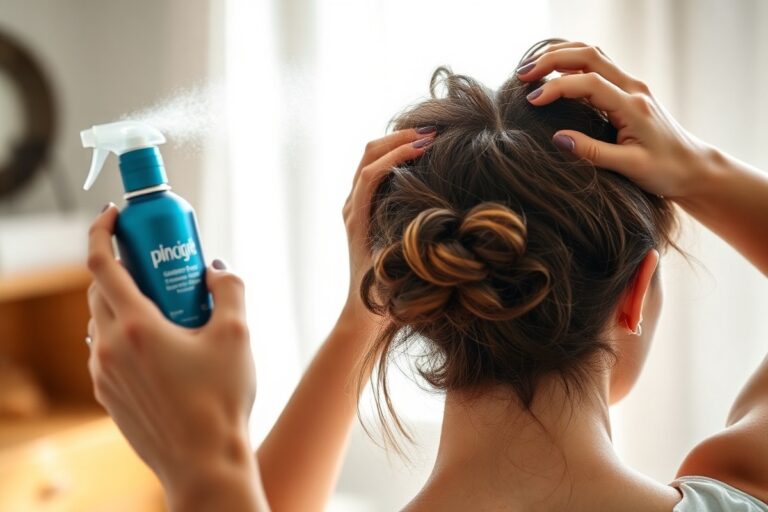
You want to protect your hair from heat damage. So always apply a heat protectant spray.
Use a wide natural bristle brush to smooth your hair gently while drying. This helps keep your hair shiny and less frizzy.
Make sure your hair is nearly dry before you start straightening with heat. This cuts down on damage and gives better results. Let your hair cool completely after straightening to lock in the style.
Key Takeaways
- Begin with clean, damp hair, about 75% dry for best straightening results.
- Use a heat protectant spray evenly on dry hair before applying heat.
- Choose a natural bristle paddle brush to detangle and smooth hair gently.
- Dry hair with a blow dryer on low heat, holding it about 6 inches away.
- Set your straightener temperature based on hair type: lower for fine hair, higher for coarse hair.
- Allow hair to cool fully after straightening before touching or styling.
1. How to Make Hair Straight: Proven Methods That Work

You can make your hair straight with heat or no-heat ways. Pick the method based on your hair type and how much time you have. Both methods can work well for different needs.
Flat irons and blow dryers are quick but can damage hair if used often. They take about 15 to 45 minutes to get sleek, especially for thick or curly hair.
Heatless ways include wrapping your hair around your head. You can also use large rollers or band sections to stretch curls. These methods avoid heat damage.
These take longer, often a few hours or overnight, but cause less damage. For example, using large rollers overnight gently pulls curls into straighter shapes without risking heat burns.
Permanent options exist, like chemical hair straightening, and last for months. They typically take 2 to 4 hours at salons. These treatments are great if you want low daily effort but can weaken hair if overdone.
Choosing the best way depends on your needs. Heat tools get the job done quickly. Use a heat protectant to keep your hair safe.
This helps reduce burning and dryness. For gentle care, try overnight rollers or wrapping your hair.
Damaged hair responds better to these. Expect your hair to be softer, not perfectly straight.
Professional straightening caps use mild heat to relax curls but avoid direct high temperatures. These can be a middle ground when you want straighter hair without some damage.
They usually take about 30 to 60 minutes. Products like setting sprays help keep hair straight longer after any method.
2. Preparing Your Hair for Straightening: Essential Steps

Preparing your hair before straightening helps protect it and gives better results. You need to wash, condition, dry your hair, and apply heat protection properly. Follow a clear routine to avoid damage and frizz.
Washing and Conditioning Correctly
Clean hair starts the straightening process right. Use a shampoo that suits your hair type. Choose a conditioner that adds moisture without weighing hair down.
Conditioning treatments like deep conditioners help when your hair is very dry. They are also good for hair treated with chemicals.
Such masks add moisture and repair damage. They make your hair softer and easier to straighten.
Here’s a simple routine:
- Wash your hair with a hydrating shampoo.
- Apply conditioner from mid-lengths to ends only.
- Leave the conditioner in for 2 to 5 minutes.
- Rinse well with cool water to close the hair cuticles.
- Use a deep conditioning mask once a week for dry or damaged hair.
Skipping conditioner can leave hair dry and prone to heat damage.
Using Heat Protection Sprays and Serums
Heat protectants shield your hair from damage when you use hot tools. Always apply a heat protection spray or serum on dry hair before straightening.
Hold the spray about 6 inches from your head, spray evenly, and comb through your hair. This spreads the product for full coverage.
Use serums on your ends for extra protection and to reduce frizz. Products like heat protectant lotions also help smooth hair before blow drying.
Drying Hair to the Right Dampness
Never straighten wet or damp hair directly. Hair should be 100% dry to avoid heat damage from steam inside the hair strands.
To blow dry your hair, dry it about 80% first. After that, apply heat protectants before using the dryer fully. Finish drying with a brush to pull your hair straight.
Use the cool setting on your dryer to lock in shine. It also helps reduce frizz.
This setting helps set your style better. Let your hair air dry for a few minutes after towel drying to speed the process.
3. Straightening Hair with Heat: Techniques and Tools Explained
Straightening your hair with heat works well with the right tools. Pick tools that heat to a proper temperature. Proper heat protects your hair from damage.
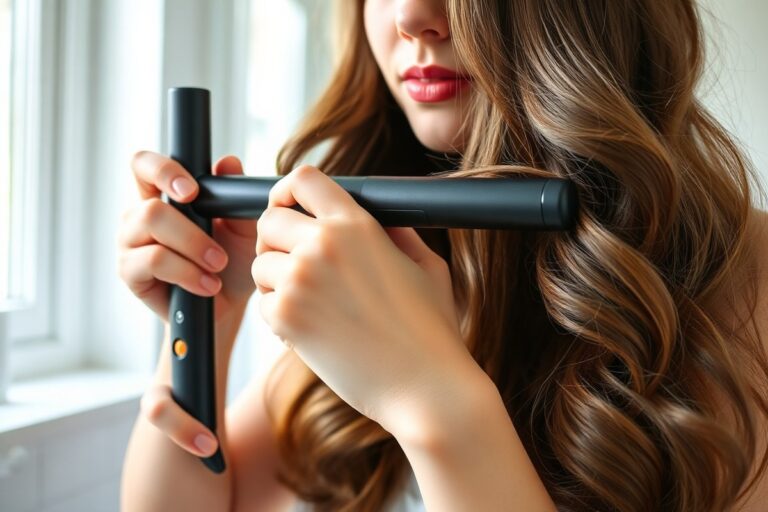
Use a flat iron only after your hair is fully dry. Section your hair into small parts. This helps straighten your hair evenly.
A ceramic flat iron works best to straighten hair. Pair it with a good blow dryer and round brush. These fit well to smooth hair without damage.
Choosing the Right Flat Iron Temperature
Set your flat iron temperature based on your hair type to avoid damage. Fine or damaged hair needs lower heat, around 300°F (150°C). Thick, curly, or coarse hair requires higher settings, up to 400°F (204°C), for effective straightening.
Use a flat iron with accurate temperature controls. Avoid cheap irons that heat unevenly and cause hot spots. Always apply a heat protectant spray before styling to shield your hair from damage.
Sectioning Hair for Even Straightening
Divide your hair into small, manageable sections before using the flat iron. This helps you straighten every strand evenly without missing spots. Smaller sections take more time but give better, long-lasting results.
Use clips to hold the upper layers of hair out of the way. Start straightening from the bottom layers, and work your way up to the top. Pass the flat iron once or twice per section, more passes risk damage.
Using Blow Dryers and Brushes Effectively
Dry your hair first until it’s 40 to 50% dry. Then, use a flat iron for best results. This helps avoid too much heat on wet hair.
This reduces heat exposure and prevents damage. Use a blow dryer with a concentrator nozzle for better control and less frizz.
A round or paddle brush helps smooth hair as you dry it. Hold the brush under a small hair section tightly. Pull the section taut to keep it straight.
Direct heat down the hair shaft as you go. This creates a straight base before the flat iron finishes the job.
Follow these steps for safe and effective heat straightening:
- Spray heat protectant evenly on dry hair.
- Blow dry hair until 40-50% dry using a nozzle and brush.
- Section hair into 1-inch parts, clipping the rest away.
- Set flat iron temperature (300°F for fine, 350-400°F for thick hair).
- Slowly run flat iron down each section once or twice.
- Work from bottom layers to top until whole head is done.
- Avoid going over the same section multiple times to reduce damage.
4. Heatless Hair Straightening: Methods That Actually Work
You can straighten your hair without heat using gentle methods. Try wrapping, rollers, and smoothing products to help. These methods work slowly but protect your hair.
These avoid damage while still giving you sleek-looking hair. Expect results to last a day or two, depending on your hair type and care.
Hair Wrapping and Flat Wrapping Techniques
Hair wrapping, also called flat wrapping, uses your hair’s natural dampness to smooth strands. Start by combing damp hair straight around your head.
Then secure it flat with bobby pins or creaseless clips. This method keeps hair stretched as it air dries, reducing waves and curls gently.
Don’t wrap too tightly; that can cause breakage. Wrap your hair after washing, then let it air dry fully.
You get a sleek style without any heat or chemicals. This process generally takes about 2 to 4 hours depending on hair thickness.
Using Rollers and Clips for Straightening
Large plastic rollers can smooth hair without heat and add shine. Use six jumbo rollers, about 1 3/4 inches in diameter or bigger, on clean, damp hair. Roll sections tightly to stretch hair and hold the shape while drying.
Clips like creaseless flat clips hold strands straight without leaving dents. Secure your rolled hair or flat sections with these clips and let it dry naturally. You can also pin wrapped parts with bobby pins for added hold.
- Use large plastic rollers for smooth, glossy hair
- Roll hair damp to secure straight shape
- Creaseless clips avoid dents or lines
- Bobby pins hold flat wraps firmly in place
- Allow hair to air dry fully for best hold
This method takes several hours but costs little beyond clip and roller purchase. Results last one or two days and fade when hair gets wet.
Smoothing Products and Overnight Treatments
Products like coconut milk or aloe vera masks smooth the hair cuticle and help reduce frizz. Apply these natural masks to damp hair before wrapping or rolling. They nourish your hair so it looks shinier and straighter as it dries.
Use smoothing hair care products labeled for frizz to keep strands sleek. Some sprays or leave-in treatments add slip and shine while helping hair resist humidity. These products make your heatless straightening hold longer.
Overnight treatments give smooth hair more time to work. Apply a smoothing mask before bed for best results. Wrap your hair to keep it in place while you sleep.
Sleeping with wrapped hair helps keep strands stretched and smooth. Just be gentle when securing hair to avoid pressure damage.
5. Choosing the Right Products to Keep Hair Straight Longer
Choosing the right shampoo and conditioner matters to keep your hair straight longer. Avoid volumizing shampoos if you have thick hair. Instead, pick smoothing or anti-frizz shampoos with ingredients to calm and relax hair strands.
After washing, use a conditioner that smooths the cuticle and adds hydration without weighing hair down. This helps your straight style stay sleek and soft.
Styling products should reduce frizz and fight humidity. Look for serums or sprays with agents that neutralize frizz by balancing hair’s charged ions. Plant-based options like AVEDA Smooth Infusion™ Style-Prep Smoother offer humidity protection while keeping hair shiny.
Apply just a small amount mainly to the middle and ends. Avoid roots to prevent greasiness or flatness. Using these products before heat styling and as touch-ups helps your style last through the day.
Special treatments keep your hair straight even in damp or humid conditions. Leave-in conditioners work by hydrating your hair strands well. They also seal the cuticle to block moisture from causing frizz.
This keeps your hair smoother and less frizzy. Wrap your hair in a loose bun when you sleep. You can also wrap it around your head.
This helps keep your hair straight and reduces breakage. Sleeping on silk pillowcases also prevents friction that can cause frizz and disrupt your style overnight.
Avoid putting heavy products on your roots. Doing this can weigh your hair down. It makes your hair look oily and flat much sooner.
| Hair Type | Recommended Shampoo & Conditioner | Styling Products & Techniques |
|---|---|---|
| Thick or Coarse | Smoothing, moisturizing; avoid volumizing | Light anti-frizz serum on ends; silk wrap at night |
| Straight or Slightly Wavy | Frizz control and smoothing formulas | Humidity resistant spray; loose bun to maintain shape |
| Fine or Fragile | Hydrating, strengthening without heaviness | Light leave-in conditioner; gentle patting after drying |
6. How Hair Type and Condition Affect Your Straightening Results
Your hair’s thickness and texture decide how long straightening takes and at what heat. Thick, curly hair may need higher temperatures and more time to turn straight. Thin or fine hair requires lower heat to avoid damage and usually styles faster.
Damaged hair needs the gentlest care when straightening. Use heat between 200 and 300 °F (93-149 °C) to prevent breaking or dryness. Fine hair needs lower heat to keep strands healthy.
This heat still smooths curls or waves nicely. Use gentle heat for fine hair to avoid damage.
Choosing the best straightening method depends on how your hair feels and looks. Heat styling works well for thick, curly hair. It creates a sleek look but can cause damage.
Too much heat or styling often increases risks. Heatless methods work well for wavy or fine hair.
They protect hair health but leave a softer look. These methods don’t create a very flat finish.
Look at this table to match your hair type with temperature and method advice:
| Hair Type | Recommended Flat Iron Temperature (°F) | Best Straightening Method |
|---|---|---|
| Fine or Damaged | 200-300 | Heatless or low heat flat iron |
| Medium Thickness | 300-350 | Medium heat flat iron; keratin treatments |
| Thick, Curly or Coily | 350 and above (use with caution) | High heat flat iron; professional treatments |
For thick or tightly curled hair, raise the iron’s heat but keep sessions short. Pass the iron slowly but gently over small sections to avoid burning your scalp or hair. You might spend 10 to 20 minutes straightening thick hair, longer than thinner types.
Fine or damaged hair needs patience with heatless techniques like wrapping or gentle blow-drying. Skip super hot irons and choose ceramic plates for even heat distribution. These details help keep your hair shiny, smooth, and less prone to breakage after straightening.
7. Avoiding Common Mistakes When Straightening Hair
Straightening your hair can go wrong if you use the wrong temperature. Hot tools too hot will burn or break your hair. Aim between 300°F and 375°F for wavy or curly hair.
Use lower heat if your hair is fine or damaged. Higher heat for thick, coarse hair.
Not protecting your hair before heat styling causes damage fast. Always apply a heat protectant spray or serum.
It forms a barrier on strands, reducing breakage and dryness. Skipping this step explains rough, frizzy hair after straightening.
Skipping sectioning is a big mistake that leads to uneven results. Work with small, thin sections about 1 inch wide.
This way, the heat reaches all your hair evenly. Using large sections causes some parts to stay curly or frizzy.
- Don’t straighten dirty or greasy hair; wash and dry it first.
- Use a shampoo and conditioner that smooth and repair damage.
- Don’t overdo heat styling; limit it to 2, 3 times a week max.
- Allow hair to recover with deep conditioning once a week.
- Comb hair gently to avoid breakage and prevent frizz.
- Avoid heavy products that weigh hair down or cause buildup.
- Let your hair cool naturally after straightening to seal cuticles.
Heat and styling damage usually show up as dry, brittle ends and fuzz. Repair this by trimming split ends and using protein-rich conditioners.
Stay away from chemical straightening treatments unless a pro handles them. Those can make your hair revert quickly or cause serious damage.
Humidity is the enemy of straight hair, especially if it feels rough or dry. Seal in moisture with a lightweight serum or anti-frizz cream after styling.
Wrapping your hair in a silk scarf while you sleep can keep frizz at bay. Fix quick reversion by touching up with a low heat iron on dry hair only.
8. Aftercare and Maintenance for Long-Lasting Straight Hair
Straight hair stays fresh longer when you seal in moisture and protect against humidity. Use a lightweight anti-humidity spray or serum each morning on dry hair. Focus on the mid-lengths and ends to cut frizz and keep strands smooth all day.
At night, wrap your hair in a silk or satin scarf. This reduces breakage. It also keeps your hair straight longer.
You can braid your hair loosely before bed. Or tie it in a low bun.
This helps prevent tangles while you sleep. This takes just a minute and helps hair stay straight through the night.
Protect your hair from heat damage by limiting additional styling tools. When you must use a flat iron or blow dryer, apply a heat protectant spray beforehand. Avoid shampooing daily.
Wash your hair two to three times each week. Use a smoothing shampoo. Follow with a nourishing conditioner to keep hair soft.
Season changes often bring more moisture or dryness to hair. Use more anti-frizz products on humid days. Avoid heavy creams or oils.
They can weigh down your hair and make it flat. In dry winter months, deep condition your hair once a week.
Then use a leave-in treatment. This keeps your hair hydrated and healthy.
Permanent straightening like keratin treatments needs touch-ups every 6 to 12 weeks. This is because new hair grows out. Schedule these with a trusted professional to keep hair uniform and healthy.
Look for more frizz or curls near your scalp. These signs mean you need a touch-up soon.
Give your hair a break if you see damage or excessive dryness. Allergic reactions or scalp irritation from chemical treatments call for a licensed stylist’s help. Some protective hairstyles can also minimize damage from daily wear and tangles.
For longer-lasting straight hair, avoid heavy products that may weigh hair down and cause buildup.
Step-by-Step Action Plan for Straight Hair
Follow these steps to get and keep your hair straight at home. Each step builds on the last for the best results.
- Before you start: Wash hair with a smoothing shampoo and conditioner. Your hair should feel clean and soft, not heavy or oily.
- Day 1: Use a heat protectant spray on damp hair before blow-drying. Your hair will be less frizzy and easier to straighten.
- Day 1, after drying: Use a flat iron on small sections. Set it to a temperature safe for your hair type. Straighten carefully to avoid damage. Check for a smooth finish and no burn marks.
- Day 1, after straightening: Apply a lightweight anti-frizz serum to lock in shine and reduce humidity. Your hair should look sleek, not greasy.
- Day 2 and 3: Sleep on a silk or satin pillowcase to prevent overnight frizz. Hair stays smoother and straighter in the morning.
- Every 3 to 4 days: Use a deep conditioning mask to keep hair healthy and strong. Hair should feel hydrated and less prone to breakage.
- Weekly: Minimize heat styling by trying heatless straightening methods like wrapping or pin-straight styles. Your hair will get a break and stay healthier.
- Daily: Avoid touching your hair too much to keep your straight style intact longer. Notice less flyaway and maintain smoothness.
Frequently Asked Questions
How Often Should I Use a Flat Iron to Avoid Damaging My Hair?
Use a flat iron no more than twice a week to avoid damage. Over-straightening can dry out and break your hair.
Can I Straighten Hair That Has Been Recently Colored or Treated?
Wait at least two weeks after coloring before straightening to avoid damage. Your hair needs time to recover from chemical treatments.
What’s the Best Way to Protect Hair from Heat Damage During Straightening?
Apply a heat protectant spray before using any hot tools. This reduces damage and keeps hair healthier and shinier.
How Can I Make My Straightened Hair Stay Smooth in Humid Weather?
Use anti-frizz products specially designed to lock in moisture and keep hair sleek. Keep a small amount of product for touch-ups during the day.
Is It Safe to Straighten Hair When It’s Wet or Damp?
Avoid straightening wet hair; it causes more damage and breaks your hair. Always dry your hair fully before heat styling for best results.
Can Natural Oils Help Keep Hair Straight Longer After Styling?
Yes, applying a light natural oil can smooth frizz and add shine. Use it sparingly to avoid weighing hair down or making it greasy.
Key Points to Remember
Straightening your hair well takes some practice but works better with the right steps. Start by prepping and protecting your hair before heat styling. Try the first step today for softer, smoother hair you’ll like.