What Is Leave in Conditioner: Benefits, Use & Choosing the Best One
Leave-in conditioner is a hair product you apply and do not rinse out. It adds moisture, smooths strands, and protects hair all day. This helps hair feel softer and easier to manage.
It works by coating hair strands to lock in moisture and reduce frizz. Apply it on damp hair after shampooing for best results. Avoid using too much near roots to prevent buildup and greasiness.
This conditioner helps detangle dry or damaged hair and offers light protection from heat and environmental damage. Unlike rinse-out conditioners, you leave this product in your hair.
Leave-in conditioners are great for extra care between washes or on dry hair. They refresh your style and add shine without weighing hair down. Use a small amount and spread it evenly for the best effect.
Key Takeaways
- Apply leave-in conditioner on towel-dried hair from mid-length to ends.
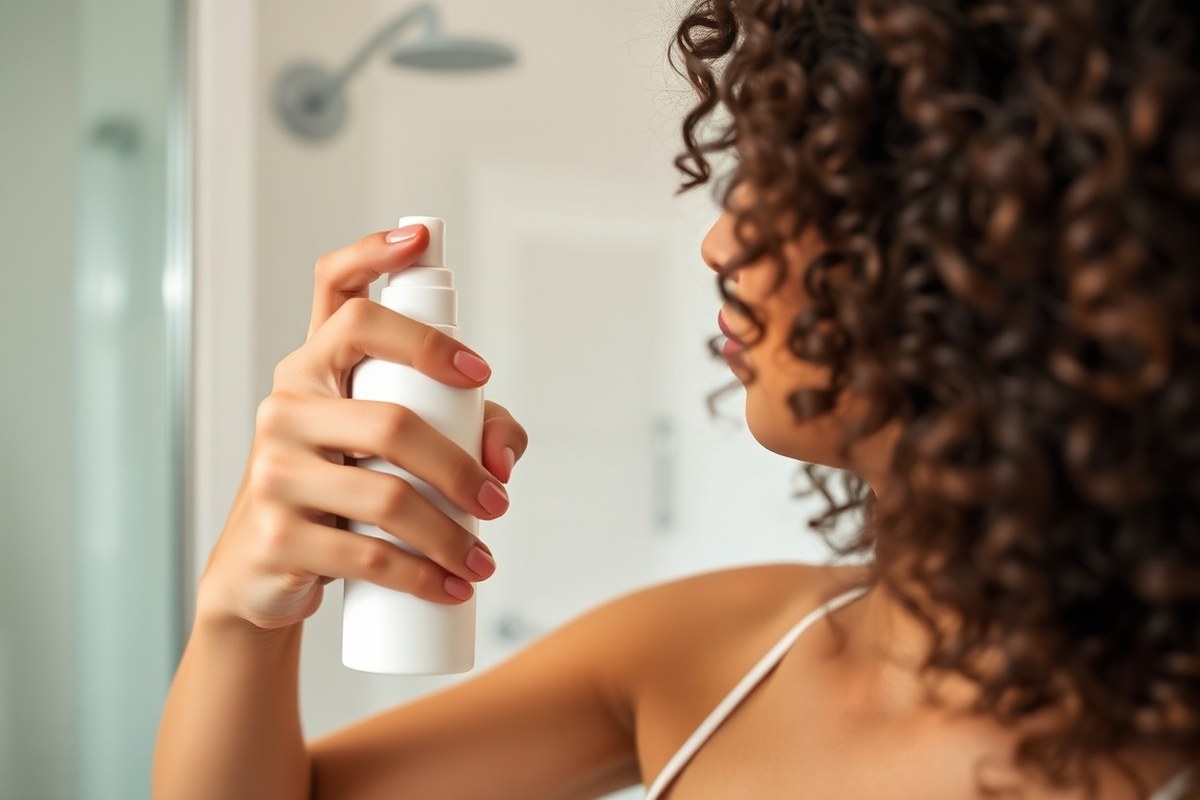
- Keep the spray nozzle 6 to 8 inches from your hair for even coverage.
- Don’t use too much product at the roots to avoid heaviness.
- Leave-in conditioners help protect hair from heat styling damage.
- They work especially well on dry, frizzy, or damaged hair types.
- Choose a lightweight formula for fine hair to prevent weighing down.
What Is Leave-In Conditioner and How Does It Work?

Leave-in conditioner is a lightweight hair product you apply after washing. Unlike regular conditioner, it stays in your hair without rinsing out. This means it continuously adds moisture and protection throughout the day.
It works mainly on the hair shaft, the visible part of your strands. The conditioner coats each strand with hydrating ingredients like oils, proteins, and humectants. These help smooth the cuticle, reduce frizz, and boost softness and shine.
Because you don’t rinse leave-in conditioner off, it offers longer-lasting care than rinse-out versions. Regular conditioner provides quick softness and detangles right after washing. Leave-in products extend hydration and make heat styling or air-drying easier.
If you use spray leave-in conditioner, focus on mid-lengths to ends where hair is driest. Spray evenly and use your hands or a comb to spread it without weighing hair down. This method works well for all hair types.
Some formulas have oils that may feel heavy or greasy. So pick a product made for your hair texture.
Fine or oily hair benefits from lighter, spray formulas. Thick or dry hair can handle richer creams or milks.
Leave-in conditioner also gently protects hair from heat damage and breakage. Unlike wash-out conditioners, it isn’t thick enough to weigh hair down but still adds strength. This balance keeps hair manageable without buildup.
Key Benefits of Using Leave-In Conditioner Regularly

Leave-in conditioner adds extra moisture that lasts throughout the day. This moisture helps keep your hair soft and bouncy while reducing dryness. It also works to tame frizz by smoothing the hair’s surface and locking in hydration.
You’ll notice detangling gets easier because leave-in conditioners often contain ingredients like panthenol and glycerin. These ingredients soften your hair and reduce knots without weighing it down. It’s especially useful before brushing or combing, cutting down breakage and split ends.
Many brands add heat protection up to 450°F to their formulas. Applying leave-in conditioner before heat styling helps protect your hair. It guards your strands from damage caused by high heat.
Use it before blow drying or flat ironing. Some leave-in conditioners have oils like avocado or argan.
These oils shield hair from sun and pollution damage. This helps keep hair healthy and shiny.
This kind of conditioner also helps repair and prevent damage. It strengthens hair with hydrolyzed proteins and other nutrients that fight breakage. Protecting your hair means fewer trips to the salon for trims caused by damaged, brittle strands.
Use only a small amount of leave-in conditioner. About a quarter-sized dollop or spray is enough. Using more can weigh hair down or make it greasy.
Leave-in conditioner adds moisture to thick or curly hair without rinsing. It makes curls softer and helps define them. This helps hair stay hydrated longer.
Choose lightweight leave-in conditioners if you have fine hair. Pick formulas that don’t contain silicone to avoid buildup.
These keep your hair light and clean. Applying leave-in conditioner on damp hair ensures even distribution and better absorption before styling.
Who Should Use Leave-In Conditioner and Who Should Avoid It?
Leave-in conditioner suits almost all hair types, from thick and curly to fine and straight. It’s great for dry, damaged, or color-treated hair. It gives extra moisture throughout the day.
This helps your hair stay soft and healthy. Men can use it just as easily. It works the same on short or long hair.
Pick a spray or lightweight formula for fine or oily hair. These options won’t weigh your hair down.
Apply it only from mid-length to ends and skip the roots. Using too much near the scalp can make your hair look greasy and limp.
Naturally oily scalps and those with product buildup might skip leave-in conditioner. It can add weight and cause greasiness.
It can add to the residue and make their scalp feel heavy. Also, those with certain scalp conditions like dandruff or irritation should consult a dermatologist before use.
Hair porosity affects how well leave-in conditioner absorbs. Highly porous hair soaks it up fast and needs more moisture. Low porosity hair repels product.
So use a smaller amount and focus on the ends. Adjust your leave-in routine based on how your hair responds over a week or two.
For fine hair, start with a pea-sized amount and spread it through the drier parts. Your hair feels sticky or heavy because you used too much leave-in.
Use less next time for better results. The right use leaves your hair soft, manageable, and bouncy without buildup or greasiness.
How to Choose the Right Leave-In Conditioner for Your Hair Type
Choosing the right leave-in conditioner depends on your hair type, condition, and needs. Match formulas and ingredients with your hair’s texture, damage level, and whether it’s color-treated. That way, your hair stays hydrated without feeling greasy or heavy.
Best Leave-In Conditioners for Fine Hair
Fine hair benefits from lightweight, non-greasy leave-in conditioners. Look for formulas labeled “lightweight” or “volumizing” to avoid weighing hair down.
Products with water-based formulas and hydrating ingredients like hyaluronic acid work well. They add moisture without making hair limp or oily.
Top Options for Curly and Coily Hair
Curly and coily hair needs rich, creamy leave-in conditioners that boost moisture and define curls. Creams packed with natural oils like jojoba and avocado are good choices.
These formulas help keep curls bouncy and reduce frizz. Look for products designed specifically for textured or Type 4 hair to get the best results.
Recommended Products for Damaged or Color-Treated Hair
Damaged or color-treated hair calls for leave-in conditioners that focus on repair and protection. Ingredients like keratin and UV filters shield hair from breakage and fading.
Choose products that explicitly state they’re for color-treated or chemically damaged hair. They usually contain extra nourishment to restore softness and shine.
Key Ingredients to Look For
Look for hyaluronic acid for hydration, argan oil for shine, and rosehip oil for softness. These ingredients suit most hair types and leave hair silky.
Creamy formulas with natural oils benefit thicker or curly hair by locking in moisture all day. Ingredients like castor and olive oil nourish deeply.
Ingredients to Avoid in Leave-In Conditioners
Avoid heavy silicones and alcohols that dry hair or build up with regular use. They can weigh down fine hair or cause dryness in curly hair.
Some leave-ins with strong fragrances or sulfates might irritate sensitive scalps and strip color. Choose gentle, fragrance-free options if you have these concerns.
| Hair Type/Need | Recommended Formula | Key Ingredients | Benefits |
|---|---|---|---|
| Fine Hair | Lightweight, water-based | Hyaluronic acid, light oils | Hydrates without weighing down |
| Curly/Coily Hair | Creamy, rich | Jojoba, castor, avocado oils | Defines curls, reduces frizz |
| Thick Hair | Creamy but non-greasy | Argan oil, olive oil | Moisturizes deeply, non-greasy |
| Damaged or Color-Treated | Repairing, protective | Keratin, UV filters | Prevents breakage, protects color |
Products made for your specific hair type and condition will work best. Trying a small amount first helps you avoid weighing hair down or causing buildup.
Step-by-Step Guide to Applying Leave-In Conditioner Correctly
Apply leave-in conditioner right after washing your hair while it’s still damp. Use only a small amount to avoid weighing hair down or causing build-up. Adjust how much you use based on your hair type and length for the best results.
Preparing Hair for Application
Start with clean hair, freshly washed. Towel dry gently to remove excess water but leave hair damp, not dripping. Detangle hair with a wide-tooth comb or fingers to prevent damage and ensure even product distribution.
Wet hair helps leave-in conditioner spread easily and absorb better. Avoid applying on soaking wet hair, or the product might dilute and run off. Prepare a small amount of product in your palm before applying.
Application Technique by Hair Type
Straight hair needs a lighter touch to avoid weighing it down. Focus on mid-lengths to ends, avoiding the scalp area. Start with a dime-sized amount and add more only if needed.
Curly or coarse hair can handle a bit more product for hydration. Apply evenly from roots to ends. Use your fingers or a wide-tooth comb.
Work the product gently through your hair. Use about a nickel-sized amount for medium-length hair.
Fine hair should use water-based leave-in conditioners sparingly. Apply a small amount and spread thoroughly to keep hair soft without heaviness. Thick or textured hair needs more product, but build up gradually to prevent residue.
Post-Application Styling Tips
After applying leave-in conditioner, let your hair air dry. You can also use a diffuser on low heat.
Avoid heavy styling right away to let the product settle and work properly. You can gently scrunch curls to promote definition.
Comb through your hair to distribute the product evenly. Straight hair may benefit from blow-drying with a round brush to smooth and add volume. For curly hair, avoid brushing post-application to reduce frizz.
How to Layer with Other Hair Products
Apply leave-in conditioner before heavier styling products like oils or gels. Put a small amount of leave-in on first to hydrate hair without blocking absorption. Follow with heat protectant if you plan to use hot tools.
Oils and serums go last to seal in moisture and add shine. Don’t mix too many products at once, as build-up can cause dullness or greasiness. Adjust amounts based on how your hair feels, less is more with layering.
Adjusting Usage Based on Season or Scalp Condition
Use more leave-in conditioner during dry winter months to combat moisture loss. In humid weather, apply less to avoid limp or greasy hair. Dry scalps need careful product placement near roots to prevent irritation.
Scalp tends to be oily? Avoid putting leave-in conditioner on it.
Focus on mid-lengths and ends instead. Test different amounts seasonally to maintain balance and healthy hair appearance.
- Wash your hair with shampoo and rinse fully.
- Towel dry gently until hair is damp but not wet.
- Detangle hair with a wide-tooth comb or fingers.
- Squeeze a small amount of leave-in conditioner into your palm.
- Rub hands together and apply starting at mid-lengths to ends.
- For curly hair, work product through from roots to ends if needed.
- Comb through hair gently to distribute product evenly.
- Let hair air dry or use a diffuser on low heat.
Only apply leave-in conditioner to your hair, not the scalp, to avoid buildup and oiliness.
Leave-In Conditioner vs Rinse-Out Conditioner: What’s the Difference?
Leave-in and rinse-out conditioners both aim to soften and smooth hair. Their formulas differ, making their timing and effects distinct.
Rinse-out conditioners deliver moisture during the shower and wash away with water. Leave-in conditioners stay in the hair after washing, providing longer-lasting hydration.
Rinse-out conditioners usually have a thicker, creamier texture. They coat the hair for a few minutes, helping detangle and seal the cuticle.
You apply them after shampooing, then rinse thoroughly. It takes about 1 to 3 minutes, depending on the product’s directions.
Leave-in conditioners come in lighter sprays or creams. You apply them on towel-dried hair, focusing on mid-lengths and ends.
They don’t rinse out and keep working throughout the day. This method helps control frizz and adds protection, especially for textured or color-treated hair.
One key difference is leave-in conditioners protect hair between washes. They reduce breakage and improve manageability over time.
Rinse-out conditioners primarily refresh hair strands instantly. You don’t want to skip rinse-out products to replace leave-in ones because they serve different roles.
| Factor | Leave-In Conditioner | Rinse-Out Conditioner |
|---|---|---|
| Use Timing | Applied after towel drying, left in hair | Applied after shampoo, rinsed out after 1, 3 minutes |
| Formulation | Lighter, spray or cream, non-rinse | Thicker cream, rinse off |
| Purpose | Hydrates, detangles, protects over time | Softens and seals hair during washing |
| Typical Use | Daily or as needed on dry, wavy, or damaged hair | Every wash, suitable for normal to oily hair |
| Effect Duration | Lasts all day | Temporary, disappears with rinse |
People with curly, coily, or color-treated hair often benefit more from leave-in conditioners. They need extra protection and moisture throughout the day. For normal or oily hair, rinse-out conditioners might be enough to keep hair soft and manageable.
Leave-in conditioners also help before styling. They form a light barrier against heat and damage.
Rinse-out products won’t protect hair once you step out of the shower. You can use both in the same routine for better hydration and protection.
Can Leave-In Conditioner Be Used on Dry Hair?
You can apply leave-in conditioner on dry hair safely. It helps refresh your style and tame frizz without heavy buildup. Use a small amount, following the bottle’s guidelines, to avoid weighing your hair down.
For best results, spray or spread leave-in conditioner evenly, focusing on dry areas or ends. Some leave-ins come in mist form, which makes it easy to control how much you use. A light mist keeps hair feeling soft and smelling fresh throughout the day.
Using leave-in on dry hair helps when you need a quick moisture boost. It works well between washes. This can refresh your hair easily.
Hair stylists often say moisturizing dry hair is as important as moisturizing skin. This approach keeps hair manageable and helps maintain your style longer.
Avoid applying leave-in conditioner on dry hair if it is fine. Also skip it if your hair gets oily fast. Using it can make your hair look greasy.
Adding product can make it look greasy or flat. Also, skip dry application if you use heavy styling products that may weigh hair down further.
Thick or curly hair benefits from leave-in on dry strands. It helps revive curls and cut frizz. This makes hair look fresher.
Use about a dime-sized amount for short hair or a nickel-sized amount for longer hair. Start small and add more if needed, to keep hair light and bouncy.
Apply leave-in conditioner at least once daily on dry hair to reactivate your look. It supports softness and shine without the need to wash or style again. Heavy or oily leave-in formulas may build up fast on dry hair.
This buildup happens faster than on damp hair. Choose lighter formulas if your hair is dry.
How Often Should You Use Leave-In Conditioner?
Use leave-in conditioner based on your hair type and needs. For dry or curly hair, applying it every day helps keep moisture in and prevents frizz. Your hair is fine or oily?
Use every other day or few times weekly. This helps stop product build-up and limp hair.
During winter, your hair might need more moisture because cold air dries it out. You can increase how often you use leave-in conditioner then.
In summer, scalp sweat and oils may wash some product away. So daily use can work well but choose lightweight formulas to avoid heaviness.
Signs of overusing include greasy roots, limp hair, or quick build-up that dulls shine. Underusing shows as dry ends, frizz, and flyaways. Use this rule: clean your hair well first.
Apply a pea-sized amount on damp hair. Concentrate on ends and mid-lengths only. Add more only if needed, and skip the scalp.
Too much leave-in conditioner can weigh hair down. Start with small amounts and add only if your hair feels dry.
Common Mistakes with Leave-In Conditioner and How to Fix Them
Using too much leave-in conditioner often leads to greasy, weighed down hair. Start small, about a dime-size for short hair and a nickel-size for longer hair.
Applying on damp hair works best. Too wet or too dry can mess up the product’s effect.
Picking the wrong formula can clog your scalp or build up over time. Your hair feels heavy or rough.
Try a lighter, water-based leave-in conditioner. Avoid heavy oils and silicones if your hair is fine or easily oily.
Here are common mistakes and quick fixes for better results:
- Using leave-in conditioner on dry hair without refreshing lightly afterward.
- Applying too close to the scalp, causing buildup or itchiness.
- Not rinsing thoroughly before applying leave-in, mixing residues.
- Skipping regular scalp cleansing to prevent product clogging.
- Choosing a product not suited for your hair type or porosity.
- Overusing leave-in conditioner daily without hair washing.
- Ignoring changes in weather or hair condition needing formula adjustments.
Rinse hair well after shampoo and your usual conditioner before use. Sometimes, simply switching when you apply leave-in conditioner clears up problems. Use it mainly on mid-lengths to ends, not at your scalp where it can cause irritation.
Your leave-in conditioner might not work. Check if you use too much or the wrong kind. It may also help to swap products every few months to avoid buildup.
Clean your scalp deeply once a week. Use a gentle scrub or clarifying shampoo. This helps avoid irritation.
Leave-in conditioners are great for hydration but can cause scalp issues if neglected. Watch for signs like increased itchiness, dull hair, or extra shedding, then adjust your routine. Follow label instructions to stay safe and get the best from your product.
Does Leave-In Conditioner Help with Heat Protection and Styling?
Leave-in conditioners can protect your hair from heat damage when you style with hot tools. Some products shield hair up to 446 degrees Fahrenheit. They protect hair during blow drying, curling, or straightening.
This prevents heat damage from styling tools. This protection helps your hair stay smooth and shiny.
It works even after several straightener or curling iron passes. Your hair looks healthy and styled.
Many leave-in conditioners work well as a base before heat styling. They coat your hair strands, adding a protective layer. This layer reduces moisture loss.
It also shields hair from high temperatures. Using one can cut down frizz and prevent split ends caused by heat exposure. For example, Garnier’s leave-in cream protects hair up to 450°F, according to GH Beauty Lab tests.
To get the best heat protection, apply leave-in conditioner evenly on damp hair before styling. You can spread about a nickel-sized amount through your hair, focusing on the ends and mid-lengths. Let it absorb for a few minutes before using hot tools.
You can layer it with styling products like heat protectant sprays. This gives extra safety to your hair. It helps if your tools heat above 400°F.
Leave-in conditioners offer ongoing benefits after styling too. They help maintain moisture and protect your hair from sun damage and harsh weather. That means your hair stays healthier between washes.
It’s helpful if you style your hair with heat often. Your hair keeps moisture and strength. Choose a product labeled for thermal protection if you plan to use hot tools often.
Not all leave-in conditioners offer heat protection, so check the label before buying. Some focus on moisture and detangling alone and don’t protect against heat. Combining a leave-in conditioner and heat protectant spray covers all bases.
This is key if your hair is fine or very damaged. It offers full protection during styling. Always avoid skipping heat protection, or you risk dry, brittle hair over time.
Impact of Hair Porosity and Condition on Leave-In Conditioner Use
Hair porosity affects how your hair absorbs leave-in conditioner and guides your product choice. Low porosity hair resists moisture, so lightweight formulas work best there. High porosity hair soaks up product fast, needing thicker, more nourishing conditioners.
Understanding Hair Porosity Types
Hair porosity means how well your hair absorbs and holds moisture. Low porosity hair has a tight cuticle layer that repels water. It often feels smooth but can get product buildup easily.
Medium porosity hair absorbs moisture well and holds it without much effort. High porosity hair has gaps or damage in its cuticles, letting moisture in fast. It usually feels dry or frizzy and loses moisture quickly.
Leave-In Conditioners Suited for Low, Medium, High Porosity
For low porosity hair, pick a light, water-based leave-in conditioner. These spread thin and dry quickly, so your hair won’t feel greasy. Avoid heavy creams or oils that build up on the strands.
Medium porosity hair can handle balanced formulas. Choose something neither too thick nor too thin. This keeps your hair moisturized without weighing it down.
If your hair has high porosity, go for a rich, creamier leave-in conditioner. This type fills gaps and seals moisture into your hair. Thicker products often work best on thick, coily, or damaged hair.
Adjusting Product Amounts and Application Frequency
High porosity hair drinks up product quickly, so use a small amount at first. Start with a dime-sized drop and add more if needed. Applying too much can weigh your hair down or make it look greasy.
Low porosity hair absorbs less product, so spread a small to moderate amount evenly. Use finer sprays or lotions, and avoid heavy layering. Try applying leave-in conditioner on damp hair to help absorption.
How often you use leave-in depends on your hair condition. High porosity hair benefits from more frequent application, sometimes daily. Low porosity hair may need leave-in conditioning only once or twice a week to avoid buildup.
Test a small amount first to avoid weighing your hair down or building up product.
Signs Leave-In Conditioner Is Working or Causing Problems
You can tell your leave-in conditioner is working if your hair feels softer and more manageable. Notice if your strands look less frizzy and have a healthy shine. These changes usually appear after a few uses.
Apply on damp hair to spread it evenly. This helps the conditioner absorb better.
Watch out for signs of buildup or adverse reactions. Your hair might feel greasy or heavy sometimes. It could mean you’re using too much product.
Or the product might not suit your hair type. Also, scalp itchiness or irritation often signals an allergy or sensitivity. These issues usually appear within days of starting a new product.
Color-treated hair reacts best to leave-in conditioners made for color protection. These help lock in color and add shine.
Notice faster color fading shows your needs may differ. Try switching to a formula made for your hair type.
Hard water can make your hair feel rough and stiff despite using conditioner. Hard tap water needs special care for your hair. Rinse with filtered water or use a chelating shampoo weekly.
This helps remove mineral buildup. This removes minerals that cause buildup and dullness.
- Hair feels softer, less frizzy, and easier to detangle
- Ends look smoother without excess oil or heaviness
- Scalp stays comfortable without itching or redness
- Color-treated hair holds shade and shines more
- Hair does not feel weighed down or greasy
- Dullness and stiffness reduce, especially in hard water areas
- Applying on damp hair to avoid greasy patches
Stop using the product if you spot persistent greasiness despite adjusting amounts. Also, pause if your scalp becomes irritated or you see flakes.
Try a different conditioner designed for your hair type or condition instead. Keep track of how often you use it and reduce use if buildup appears.
Good leave-in conditioner keeps hair soft and shiny. It doesn’t leave your hair feeling heavy or greasy.
Problems include greasy or rough hair and irritated scalp. Adjust your routine based on these signs to keep your hair healthy and fresh.
Step-by-Step Action Plan to Start Using Leave-In Conditioner
Follow these simple steps to get the most from your leave-in conditioner. Watch your hair’s texture and ease of styling to see progress.
- Before washing: Choose a leave-in conditioner suited for your hair type. Read the label for ingredients that work with your texture and concerns.
- Day 1, after washing: Apply the leave-in conditioner to damp hair starting at the ends. Your hair feels soft and smooth when the product works well.
- Day 2: Style your hair as usual and check for reduced frizz or easier combing. Your hair should feel more manageable.
- Week 1: Use leave-in conditioner 2 to 3 times per week. Adjust the amount if hair feels heavy or greasy.
- Week 2: Add a heat protectant if you use hot tools. See if your hair stays less damaged or dry after styling.
- Week 3: Notice changes in hair softness and shine. Hair feeling weighed down means try less or a lighter formula.
- After 1 month: Evaluate overall hair health. Keep using the leave-in if your hair stays strong and easier to style.
Frequently Asked Questions
How Does Leave-In Conditioner Affect Hair Volume?
Leave-in conditioner can add light moisture without weighing hair down. Choose formulas labeled for volume to keep hair bounce and avoid heaviness that flattens fine hair.
Can Leave-In Conditioner Help Prevent Split Ends?
Yes, it smooths and protects hair strands, reducing breakage. Use a leave-in to add moisture and seal the ends between cuts.
Are Leave-In Conditioners Safe to Use on Colored Hair?
Most are safe and help maintain color by adding hydration. Look for color-safe formulas with UV protection to keep your hair vibrant longer.
Is It Okay to Use Leave-In Conditioner Daily?
Daily use is fine if you have dry or coarse hair. For oily hair, use it less often to avoid buildup or greasy roots.
Can Leave-In Conditioner Replace Hair Oil or Serum?
They serve different purposes; leave-in adds moisture while oils seal and add shine. Use both if you want hydration plus a smooth finish.
Does the Scent of Leave-In Conditioner Last All Day?
Generally, the scent fades within a few hours. You can layer it with your favorite fragrance for a longer-lasting scent.
Wrapping Up
Leave-in conditioner adds moisture and helps manage your hair better every day. Try a small amount after washing to see how it works for you. Start using it today for softer, smoother hair tomorrow.