How to Fix Dead Hair: 8 Proven Steps to Restore Shine and Strength
How to fix dead hair is a common concern. You can’t truly bring dead hair back to life.
The best choice is to trim off the damaged parts. Treat the rest gently to avoid further damage.
Use shampoo and conditioner designed for damaged hair. These products help strands feel stronger and look healthier. Switch to intense hydration and protein repair treatments.
Avoid harsh chemicals and heat styling tools while your hair recovers. Watch how your hair reacts to new care routines. If it feels dry or brittle, try more moisturizing products.
Handle your hair with extra care during this process. Patience is important since damaged hair needs ongoing care to improve.
Key Takeaways
- Trim off dead ends regularly to stop damage from spreading.
- Choose shampoos and conditioners designed for repair and hydration.
- Use protein and moisture treatments to balance your hair’s needs.
- Keep heat styling minimal and use cool air when drying hair.
- Apply deep conditioning treatments at least once a week.
- Space out hair dye appointments to reduce chemical stress.
1. Can You Fix Dead Hair or Only Trim It?
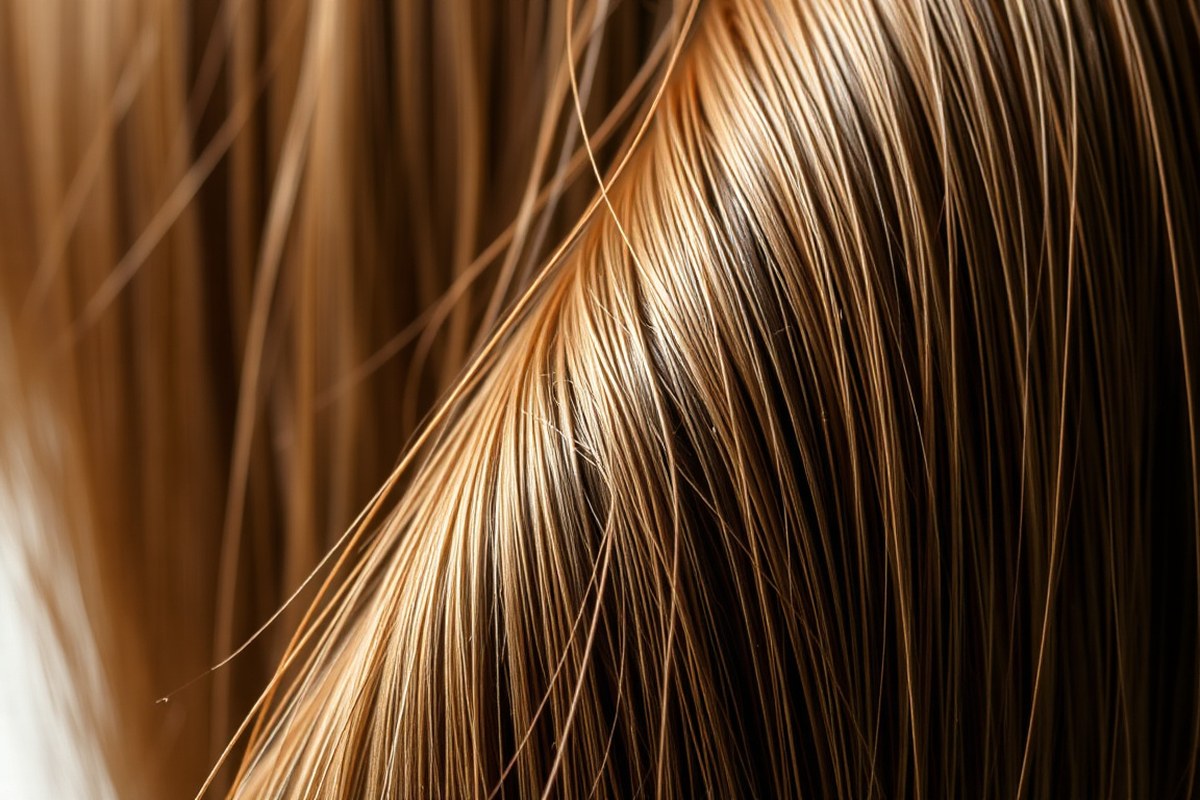
Dead hair means strands that feel dry, brittle, and rough. Hair is technically dead keratin once it grows out of the scalp.
You can’t bring those strands back to life. But you can fix how they look and feel by treating the damage.
Real repair for dead hair improves texture and prevents further breakage. Moisture from deep conditioners softens dry strands, while protein treatments rebuild some strength.
These treatments work while you grow out the damage. But they don’t fuse split ends or broken strands back together.
When hair splits or breaks far enough, trimming is the only way to remove dead ends. Split ends won’t heal because the cuticle is physically separated.
Cutting above splits every 6 to 8 weeks stops breakage from moving up. This keeps hair healthier as new, stronger growth replaces damaged strands.
You can’t fix truly dead hair with products alone. Use repair treatments to make hair smoother and shinier while trimming ends regularly.
This combination helps your hair look better without cutting it all off. Avoid brushing wet hair too hard since water can swell and stretch strands, causing more breakage.
Trimming is necessary when you see split ends, straw-like texture, or constant breakage. Consistent trims cost about $20 to $50 depending on place and stylist. The payoff is less breakage and faster growth in the long run.
Repair products like bond-repair treatments add extra protection to hair. They can improve damaged hair texture by over 70%. This happens after just a few uses.
2. Common Causes That Lead to Dead or Severely Damaged Hair

Repeated heat styling is one of the main causes of dead or severely damaged hair. Tools such as hair dryers and curling wands use high heat. This heat can dry out your hair strands quickly.
Flat irons work the same way. Heat above 350°F breaks down proteins in the hair.
This makes hair brittle and easy to break. Avoid using very high heat settings often.
Chemical treatments such as coloring, bleaching, and chemical relaxers weaken the hair’s natural structure. Chemical processes take moisture out of your hair. They also break bonds inside the hair shaft.
This loss makes hair weak and dull. Using heat without protection ups the damage risk.
You might see dry, dull, or straw-like hair. Protective products help keep hair healthier.
Mechanical damage happens when hair experiences physical stress. Tight hairstyles and rough towel drying harm hair strands. Brushing hair when it’s wet can also cause breakage.
These habits make hair snap and split. Hair ends usually suffer the worst since they are the oldest and most fragile parts.
Lifestyle factors also contribute to damaged hair. Pollution and hard water coat your hair strands. Product buildup does the same thing.
This coating makes hair look dull and feel rough. Waxy residue mimics damage but is sometimes reversible by clarifying treatments. So ruling it out helps you know if true repair is needed.
The outer hair layer, called the cuticle, wears down from these common factors. Once the cuticle is damaged, moisture escapes easily, leaving hair dry and weak. With dry strands, tangles and split ends become more frequent, increasing the chance of breakage.
Avoid heat styling more than twice a week and always use a heat protectant spray. This reduces protein loss and slows damage build-up.
Damage severity varies by hair type and care routine. Fine hair suffers damage faster because it’s thinner.
Thick hair might resist a bit longer but breaks easily if neglected. Recognizing what causes your hair damage helps you pick the right treatments and avoid worsening it.
3. Identifying Dead Hair: Key Signs to Watch For
You notice your hair feels dry or brittle when it needs repair. Dead hair usually shows dry, frayed ends with no bounce. Damaged hair might still have some shine but starts to thin or break more easily.
To check your hair’s health, test its elasticity by gently stretching a strand. Hold one end and pull it slowly.
Healthy hair stretches up to 20% without breaking. Hair that snaps quickly or feels limp is damaged or dead.
Texture also reveals damage. Run your fingers through your hair and feel for roughness or straw-like strands.
Smooth hair reflects light and feels soft. Rough, coarse strands mean the cuticle is damaged.
- Dry hair: rough, easily tangled, straw-like texture
- Damaged hair: dull, thinning, split ends forming
- Dead hair: very dry, fraying at ends, no elasticity
- Elasticity test: stretch a hair strand gently to check
- Texture check: feel for smoothness versus rough or coarse strands
Hair that is dry or shows mild damage may improve with deep conditioners and oils. Dead hair, however, can’t regenerate because hair cells don’t repair. You’ll need to trim off the dead parts to stop breakage spreading.
Feel for softness after using moisturizing treatments and watch if breakage slows down. Pay attention over weeks because real repair takes 3 to 6 months. Hair that stays stiff or breaks easily is likely dead there.
4. How to Repair Dead Hair: Moisture and Protein Treatment Balance
Fixing dead hair takes both moisture and protein treatments used in balance. Moisture softens and hydrates dry hair, while protein rebuilds broken strands. You need a schedule combining both to see real repair without stiffness or breakage.
Understanding Protein Treatments and When to Use Them
Protein treatments rebuild hair’s internal structure by repairing broken bonds. They add strength and reduce frizz by holding strands together. Use protein treatments once or twice a week, especially if your hair feels weak or limp.
Too much protein makes hair brittle and can cause breakage. Watch for stiffness or dryness after using protein products. Then switch to more moisturizing care to balance your hair’s needs.
Top Moisturizing Ingredients for Restoring Hair Hydration
Look for shea butter, coconut oil, and avocado oil in moisturizing products. These ingredients deeply hydrate and soften dry, damaged hair. Panthenol is another key ingredient that goes inside hair strands to repair damage.
Deep conditioners or hair masks usually hold more moisturizing ingredients than daily conditioners. Use these 1 to 2 times per week for intense hydration. Leave-in conditioners help keep hair soft longer and reduce frizz.
Creating a Weekly Repair Schedule
A simple routine mixing protein and moisture brings the best results. Start with a clarifying shampoo to remove buildup.
Then apply protein treatments to strengthen, followed by moisturizing masks to hydrate. Finish with a leave-in conditioner and hair oil on the ends.
Use trims every 6 to 8 weeks to cut off split ends. Regular trims help your repair efforts last longer. Here’s a step-by-step routine to try at home:
- Wash hair with a gentle clarifying shampoo to clean all residues.
- Apply a protein treatment and leave it on for 5 to 10 minutes.
- Rinse out protein treatment thoroughly with cool water.
- Use a deep moisturizing conditioner or hair mask on damp hair.
- Leave conditioner on for 10 to 20 minutes, then rinse with cool water.
- Dry hair gently with a towel and apply a leave-in conditioner.
- Apply hair oil sparingly to the ends to seal in moisture and add shine.
- Repeat protein treatment once a week and moisturizing treatment once or twice weekly.
5. Practical Tips for Protecting Dead Hair from Further Damage
Heat styling tools can dry out your hair quickly. So always use a heat protectant spray.
Spray a light mist on damp hair before you blow-dry, straighten, or curl it. Keep tools below 350°F to avoid frying your strands, which makes split ends and breakage worse.
Be gentle when styling to reduce pulling and breakage. Avoid tight ponytails and rough brushing, especially when hair is wet and fragile. Use wide-tooth combs to detangle softly without ripping out strands.
- Mist damp hair with heat protectant before any hot tool use
- Set styling tools at 300°F to 350°F
- Limit use of heat tools to two or three times per week
- Comb hair with a wide-tooth comb when wet
- Avoid tight hairstyles that strain your roots
- Use leave-in conditioners to shield hair from sun and pollution
- Wash hair every 2-3 days with lukewarm water
Washing hair correctly also helps reduce damage. Use lukewarm water to avoid drying out your hair and scalp. Shampoo your scalp only.
This stops moisture from washing away. Ends are oldest and weakest, so keep them safe.
Use a conditioner that fits your hair type, focusing on mid-lengths and ends. Leave-in conditioners add a protective layer that fights damage from styling and the environment. Avoid washing daily, which can rob hair of its natural oils, leaving it brittle and dull.
Skipping heat protectant spray before styling can cause heat damage you can’t reverse later.
6. When and How to Trim Dead Hair to Maximize Repair
How to Identify Split Ends for Trimming
Split ends look like tiny forks at the tips of your hair strands. They often appear jagged, frayed, or thinner than the rest of the hair.
Your ends feel rough or break easily. Trim to stop more breakage.
Dead ends cannot be fixed by conditioner or oils, no matter how much you use. These ends keep splitting higher up the strand and look dull or tangled. Treat those areas as finished and trim them to help your hair look healthier overall.
Step-by-Step Guide to a Safe At-Home Trim
Trimming split ends at home needs care to avoid removing more length than necessary. Use sharp hair scissors for clean cuts instead of household scissors that can cause further damage. Trim your hair dry or slightly damp for better control and to see split ends clearly.
Follow these steps to trim only the damaged ends:
- Gather your hair into sections to work in manageable parts.
- Pick up a small strand and hold it between your fingers at the split end.
- Carefully trim just above the splits, removing about ¼ to ½ inch.
- Repeat on all sections, focusing on the ends that look frayed or uneven.
- Comb through to check for missed splits and trim them as needed.
- Finish by gently rinsing and conditioning your hair to soothe it.
Recommended Trimming Schedule to Maintain Hair Health
Trim your hair every 6 to 8 weeks. This stops split ends. It keeps damage from spreading.
You don’t need a full cut each time but removing dead ends keeps hair strong. Dry or damaged hair needs trimming every 4 to 6 weeks.
This helps avoid breakage. Keep ahead of damage.
Skipping trims allows split ends to worsen and your hair to look unhealthy. Trimming too often can slow your hair’s length growth. It also wastes hair you could keep.
Follow a trim schedule based on your hair type and damage. This keeps a good balance of health and length.
7. Choosing the Right Products: Oils, Conditioners, and Bond Repairers
To fix dead hair, pick the right products based on your hair’s needs. Oils help moisturize and smooth strands. Deep conditioners hydrate and restore the outer layer.
Bond repairers rebuild broken links inside the hair. Use each where it fits best for healthy hair.
Benefits of Different Hair Oils
Hair oils like avocado and shea are great for dry, dead hair. They add moisture and smooth rough cuticles. This makes hair feel softer and less frizzy.
Apply oils to damp hair after washing for better absorption. Use a small amount to avoid greasiness. Oils also help protect hair from heat and environmental damage.
How to Choose a Deep Conditioner
Deep conditioners provide intense hydration to revive dead hair. Pick one suited for your hair type since needs differ widely. For example, curly hair needs more moisture than straight hair.
Apply the deep conditioner after shampooing and leave it on for 3 to 5 minutes. Rinse it out fully but gently. Use these products 1 to 2 times per week to keep hair soft and healthy.
After swimming, rinse hair right away and shampoo before deep conditioning. This helps remove chlorine and salt that can dry out your strands.
| Best For | Repair Strength | Application Time | Hair Types | Vegan Formula | Fragrance | Usage Frequency | Additional Features |
|---|---|---|---|---|---|---|---|
| People with low-porosity, type 3C, 4C curly hair | N/A | 3, 5 minutes | 3C to 4C | N/A | May irritate | 1, 2 times weekly | Avocado and shea oils soothe curls, making 93% softer hair for 3C and 4C types |
Using the right deep conditioner keeps dead hair from feeling brittle. Stick to the times suggested on the label for best results. Overdoing it can cause buildup, making hair limp and dull.
Overview of Bond Repair Products
Bond repair products work inside the hair shaft to fix broken connections. They strengthen hair and reduce breakage significantly. Some bond repairers mix right into coloring formulas to help protect hair during dyeing.
Use bond repair treatments mainly on severely damaged or chemically treated hair. These products often come as serums or treatments applied before or after shampooing. Follow the instructions closely because overuse can stiffen hair.
Keep in mind, bond repairers don’t replace moisture. It’s best to use them alongside conditioners or oils in your routine. This combination gives stronger, smoother hair.
8. When to Seek Professional Treatments or Hair Specialist Advice
Professional treatments can fix damaged hair better than home care when breakage continues despite your efforts. Salon bond builders like Olaplex or K18 fix weakened hair bonds. DIY methods can’t fully reach some damaged areas.
These products help rebuild those bonds better. These treatments often cost $50 to $150 per session, depending on your salon and hair length.
See a hair specialist if your scalp burns or itches a lot. Also get help if you notice patchy hair loss. These signs need professional care.
These signs might mean you need medical care, not just a styling fix. Specialists can find underlying problems that cause hair damage.
They help you avoid treatments that might make your hair worse. This protects your hair health.
Chemical damage from bleach is tough to reverse completely. Professionals can reduce breakage and dryness with deep conditioning and bond rebuilding. But they can’t grow back hair or restore it to its original state.
They often suggest spacing color treatments 10 to 12 weeks apart. They also recommend only dyeing the new growth. This limits damage to your hair length.
Get professional help if you see more breakage after good home care. Also if dry hair feels rough and straw-like even after deep moisturizing. These signs mean you need extra help.
Professionals apply salon-grade products that work deeper than store-bought ones. They also trim only the dead parts while preserving healthy hair, which can prevent drastic cuts.
Always avoid over-processing hair with frequent chemical treatments. Give it time to recover, or damage will worsen beyond repair.
Step-by-Step Action Plan to Fix Your Dead Hair
Follow these steps to start reviving your dead hair without immediate cutting. Watch your hair improve as you go.
- Day 1: Use a gentle, sulfate-free shampoo to cleanse your hair. Your scalp should feel clean but not dry after washing.
- Day 2: Apply a deep moisturizing conditioner. Leave it on for 10-15 minutes, then rinse. Your hair should feel softer and less brittle.
- Week 1: Introduce a protein treatment once this week. Follow the package instructions carefully. You’ll notice improved strength without stiffness.
- Week 2: Add lightweight oils like argan or jojoba to your routine. Use a small amount on damp hair to lock in moisture. Hair should look shiny but not greasy.
- Week 3: Limit heat styling and always apply a heat protectant spray when you do. Your hair will break less and feel smoother.
- Week 4: Evaluate your hair’s condition and trim only the visibly dead or split ends. Healthy hair will appear fuller and softer.
- After 1 Month: Keep using bond repair products once or twice a week to maintain strength. Your hair will be more resilient and less prone to damage.
Frequently Asked Questions
How Can I Moisturize Dead Hair at Home?
Use deep conditioners regularly to add moisture back. Leave them on longer for best results.
Are Protein Treatments Safe for All Hair Types?
Protein treatments suit most hair but balance moisture too. Overuse risks dryness or stiffness.
Will Heat Styling Worsen Dead Hair Damage?
Yes, heat tools can break fragile hair further. Use low heat and a heat protectant spray.
Can Natural Oils Really Help Repair Dead Hair?
Oils improve shine and reduce breakage but don’t fix dead ends. Apply to damp hair ends only.
Is It Okay to Skip Trimming If I Use Repairing Products?
Skipping trims can worsen split ends. Trimming removes damaged ends and helps hair grow healthier.
How Often Should I Deep Condition Dead Hair?
Aim for deep conditioning once or twice a week. It restores moisture and rebuilds hair strength.
The Bottom Line
Fixing dead hair takes patient care and the right steps. Start by improving moisture and protein balance. Try the treatments today and watch your hair get healthier without just cutting it off.