

Which Hair Iron Is the Best: Complete Guide to Top Picks and Expert Tips
Which hair iron is the best depends on your hair type and styling goals. A good flat iron lets you adjust heat settings to protect your hair. For most people, a 1-inch plate size offers the best balance between control and speed.
Choosing an iron with ceramic or titanium plates can help you avoid damage and frizz. Start with a lower temperature around 250°F for fine or damaged hair. Raise heat gradually only if your hair doesn’t straighten easily.
Look for irons that heat up fast and have steady temperature control. They save time and reduce the risk of overheating your strands. You want a tool that feels comfortable in your hand and makes styling easy.
Key Takeaways
- Pick a flat iron with adjustable temperature for the safest styling.
- 1-inch plate sizes work well for most hair types and styles.
- Ceramic plates spread heat evenly and reduce frizz.
- Titanium irons heat faster but use lower temperatures on fine hair.
- Start at 250°F if your hair is fine or damaged.
- Choose a lightweight iron to reduce arm fatigue during use.
Which Hair Iron Is the Best Overall for Every Hair Type?

The best hair iron for every hair type combines adjustable heat, quality plates, and consistent performance. Models like the T3 Lucea and FHI Platform offer several heat options. They range from about 280°F to 455°F. This variety helps fit different hair needs.
This heat range helps you match your hair’s needs perfectly. It prevents damage while styling your hair effectively.
Ceramic or ceramic-coated plates with about a 1-inch width work well for most hair types. Ceramic spreads heat evenly and reduces hot spots that can burn hair.
Titanium plates heat quickly and reach temperatures up to 450°F. They’re best for thick, coarse, or curly hair. But they may be too hot for thin hair, causing extra damage.
Professionals rate irons highest when they provide easy temperature control and steady heat. The T3 Lucea has nine heat settings to choose from. You can set the exact temperature your hair needs.
A flat iron that keeps steady heat protects your hair well. Avoid large swings to prevent damage from extra passes. Floating plates also add versatility, helping the iron glide smoothly through all textures without snagging.
To find the best one for you, consider your hair thickness, texture, and damage level. Choose a flat iron with low heat settings near 280°F for fine or damaged hair. Avoid titanium plates in this case.
For thick or curly hair, pick an iron that reaches 450°F. Look for titanium or tourmaline plates for tough styling. Picking the right heat, plate type, and size gives you more options. This makes your tool flexible for all styles.
Good results mean your hair looks shiny and smooth after one or two passes. Overheating or needing many passes can cause hair frizz and breakage.
A well-designed iron feels light and easy to hold, with a swiveling cord that doesn’t tangle. These small details matter when you use the iron daily.
Types of Hair Irons and How They Work
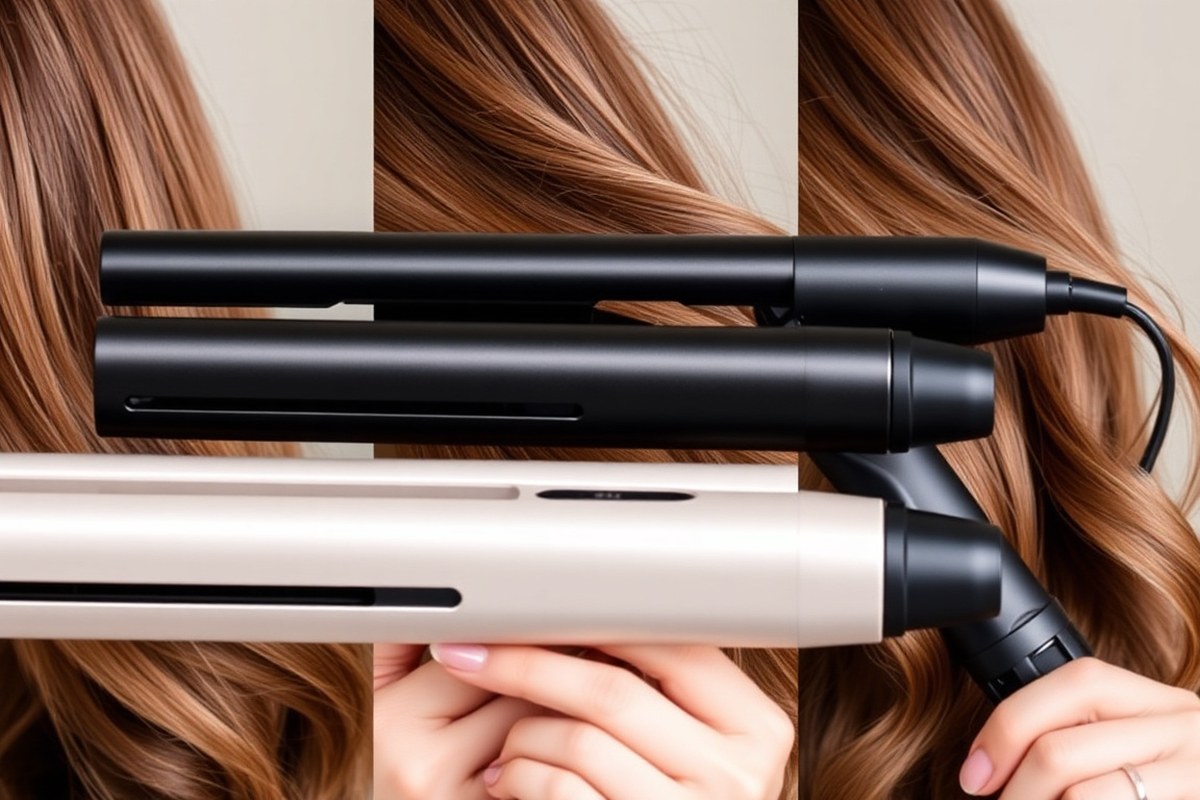
Hair irons mainly use ceramic, titanium, or tourmaline plates to heat and style hair. Each type heats differently and suits certain hair textures better. Knowing how they work helps you choose the right iron for your hair and styling goals.
Ceramic Plates and Their Benefits
Ceramic plates heat up with infrared technology, which helps straighten hair from the inside out. They heat evenly but slower than titanium, protecting hair moisture and reducing frizz.
Ceramic irons heat between 250°F and 410°F. They are gentle on fine or damaged hair. This range suits delicate hair types well.
They take more time to reach top temperature. So you move the iron slower or take extra passes. The slow heat preserves hair health, especially if your hair is thin or prone to breakage.
Floating ceramic plates adjust to your hair’s thickness. The LANDOT 2-in-1 Twist Iron uses this feature. It helps make styling smooth and easy.
Titanium Plates for Fast, High Heat Styling
Titanium plates heat very fast and keep a consistent temperature between 280°F and 450°F or higher. They hold heat better than ceramic and recover quickly after each pass. Titanium irons work well for thick or curly hair.
The L’ange Hair Le Duo Grande is a good example. They provide higher heat to straighten tough hair.
The smooth titanium surface glides easily, reducing snags and damage. These irons are available in sizes from 0.5 to 1.75 inches wide to fit your styling needs. Titanium irons can be too harsh for fine hair.
They may cause heat damage if not used carefully. Controlling temperature is very important with these irons.
Tourmaline Technology and Ionic Effects
Tourmaline plates are often combined with ceramic to boost heat distribution and add ionic benefits. They emit negative ions that help seal hair cuticles and reduce static and frizz. Tourmaline works best on medium hair with some waves.
It reduces frizz and adds smoothness and shine. This material suits normal textured hair well.
Tourmaline irons heat evenly and gently on hair. They reach higher temps faster than pure ceramic irons. This means quicker styling without harsh heat.
Many premium irons contain tourmaline for better results. The TYMO AirQ Dual-Size Styler blends 24K gold and nano titanium.
It delivers steady heat and smooth gliding. This blend works well on various hair types, balancing care with styling speed.
| Product | Key Styling Technology | Temperature Range (°F) |
|---|---|---|
| TYMO Airflow 2.0 Styler | 360 Airflow with 88 cool air vents | 5 precise settings (varies) |
| L’ange Hair Le Duo Grande | 360 Airflow with titanium plates | 280-430 |
| TYMO AirQ Dual-Size Styler | 360 Cooling airflow with 24K gold/titanium | 280-430 (9 settings) |
| LANDOT 2-in-1 Twist Iron | Twisted ceramic floating plates | Varies |
Never use titanium plates over 400°F on fine hair to avoid damage and breakage.
How to Match Hair Irons to Your Hair Type
To pick the right hair iron, consider your hair’s thickness, length, and damage level. Match the tool’s heat, plate size, and features to those factors. This gives you better, safer styling results without extra damage.
Temperature Recommendations by Hair Type
Fine or fragile hair works best with low heat, around 250°F to 300°F. Using a temperature this low avoids burning or breaking delicate strands. You may need temperatures up to 400°F for thick or coarse hair. That heat helps straighten it effectively.
Start at the lowest setting that smooths your hair. Only raise the temperature if you hold the iron longer than 10 seconds. Less contact time with heat helps protect your hair.
Flat irons that go up to 480°F fit all hair types. They let you customize heat for texture and condition.
Choosing Plate Size for Hair Length and Volume
Plate size matters based on your hair length and how thick it is. A 1-inch plate works best for short hair because it handles smaller sections easily. For medium to long hair, choose plates between 1.25 and 2 inches to cover more hair quicker.
Larger plates saves time on thick or long hair but avoid going bigger than 2 inches. Oversized plates can miss curls near the scalp or cause uneven heating. For finer hair, smaller plates give better control and reduce the risk of damage.
Irons for Fragile or Chemically Treated Hair
Damaged or chemically treated hair needs gentle care with temperatures under 300°F. Ceramics plates infused with tourmaline or magnesium help distribute heat evenly. This reduces hot spots and prevents further damage.
Choose irons with automatic heat controls that adjust for hair texture and length. Some models feature technology that pairs heat settings with your hair type to avoid overheating. Hold the iron for just a few seconds per section to style without harming fragile strands.
What Features Matter Most in a Hair Iron?
Adjustable heat settings make a big difference in how safe and effective your hair iron is. You can set the temperature as low as 140°F for fine hair. Use a higher temperature, up to 450°F, for thick, coarse hair.
Adjust the heat based on your hair type to avoid damage. Technology like microchips helps keep the iron at the right temperature. Heat sensors stop hot spots from forming on the plates.
These features protect your hair from getting burned. Some irons check the temperature 250 times every second. This keeps the heat steady near 365°F. It prevents sudden temperature spikes during styling.
Ergonomics matter a lot for comfort, especially if you style your hair often. Look for a balanced weight, around 2.5 pounds feels sturdy but not tiring. A nonslip matte finish on the handle helps you grip the iron.
Using a heat glove can also stop it from slipping. Both make styling safer and easier. An 8- to 9-foot swivel cord lets you move freely while styling.
The swivel prevents the cord from tangling or twisting. This gives you more room to work. These design details keep styling safe and less stressful on your wrist.
- Variable heat settings from 140°F to 450°F for all hair types
- Microchip or heat sensor technology for consistent temperatures
- Auto shutoff feature after 30 to 60 minutes for safety
- Swivel cord 8 to 9 feet long to prevent tangles
- Comfortable, nonslip handle or added heat glove for better grip
- Even heat distribution using ceramic, titanium, or tourmaline plates
Plate technology shapes how well heat spreads across the hair. Ceramic plates distribute heat evenly and are gentle for delicate or fine hair. Titanium plates warm up fast and hold heat well.
They’re good for thick hair types that need high heat. But watch out, they can cause overheating if not used carefully. Choose irons that adjust heat evenly along the plates.
This keeps temperature steady from your hair’s root to tip. It helps avoid hot spots and uneven styling. That means less damage and better styling results with fewer passes.
The cord and how it moves also make a difference. A swivel cord keeps the iron turning as you style without creating kinks. A longer cord usually feels less restricting when you’re near a mirror or plug.
Pair these features with good heat control and plate material. You’ll get easier, safer styling that suits your daily routine.
The Role of Heat Settings and Temperature Control
Start with the lowest temperature setting for your hair type. Fine or damaged hair needs around 250°F to 300°F. Medium hair does well between 300°F and 350°F. Thick, coarse, or curly hair usually requires 350°F to 400°F to straighten effectively.
Flat irons heat up quickly, often reaching their set temperature in under 30 seconds. Cooling takes longer.
Expect at least 10 minutes for the iron to cool to a safe temperature. Keep the iron away from skin or surfaces while cooling to avoid burns or damage.
Too much heat can cause hair to dry out, break, and lose its natural shine. Some irons heat above 450°F. But this high range is unnecessary and risky for daily use. Using an iron with accurate temperature control helps you avoid overheating and damage.
Look for irons with multiple heat settings, ideally 9 to 11 levels. So you can pick the right temperature for your hair.
Some models have smart sensors or microchips that keep the heat steady during styling. This prevents sudden temperature spikes that could harm your hair.
Adjust heat gradually if you don’t get the results you want at lower settings. Raise the temperature in small steps, no more than 25°F at a time. Always apply a heat protectant spray before styling to reduce damage from heat exposure.
For example, start at 275°F on fine hair and try styling a small section. Try increasing the temperature to 300°F if your hair won’t straighten. Stop raising the heat once your hair feels smooth.
It should hold the style. Avoid heat that makes your hair dry or frizzy.
Use heat protectant spray every time to protect strands from high temperatures and prevent breakage.
How Plate Size and Shape Affect Styling Results
Plate size makes a big difference in styling results. Narrow plates around 1 inch wide work best for curls, waves, and detailed styles like bangs. They let you get close to the roots and handle small sections easier.
Wider plates, about 1.2 to 1.25 inches, suit long or thick hair better. They cover more surface area, so you straighten hair faster in fewer passes.
For example, the SHRATE iron uses 1.2-inch wide plates to speed up styling thick hair. The Hot Tools Black Gold has 1 1/4-inch plates that also help with curls.
Rounded edges on the plates make a big difference when curling. Flat irons with rounded or beveled edges let you wrap hair around the plates smoothly. This avoids tugging or snagging and helps create bouncy curls or beach waves naturally.
A plate without curved edges mainly straightens hair, so it’s less versatile for curls. The Hot Tools iron and Conair Infiniti Pro both feature rounded ceramic plates. These plates heat evenly.
They have a gentle curve. When you clamp hair and twist, they act like a curling iron.
Here’s how plate shape and size match hair length and style needs:
| Plate Size | Hair Type & Length | Styling Use |
|---|---|---|
| ~1 inch (narrow) | Short, fine, or detailed styling | Curls, waves, flatiron bending, close roots |
| 1.2, 1.25 inches (wide) | Long, thick, coarse hair | Fast straightening, some curling with rounded edges |
| Rounded/Beveled edges | All hair lengths suitable | Easy curling, smooth bends, less snagging |
| Straight edges | All hair lengths suitable | Mainly straightening, less curl versatility |
To curl with a flat iron, pick a tool with rounded plates. Clamp a small hair section near the roots.
Twist the iron away from your face while slowly sliding downward. This method needs less time and avoids pulling hair.
The tradeoff is that wider plates can be less precise for curls or short hair. Narrow plates take longer on thick hair.
Rounded edges may add some cost but expand your styling options. Choose plate size based on your hair length and how you like to style most.
Specialty Hair Irons: Multi-Function and Innovation
Specialty hair irons come with extra features for styling your hair. They offer airflow cooling and wet-to-dry options. Some also work as curling irons in one tool.
These tools save time and reduce heat damage. They suit people who want more styling options with less hassle.
Airflow Cooling Technology Explained
Some irons use airflow cooling to lower heat damage. They combine hot plates with a flow of air to dry hair gently. This reduces the risk of frying strands compared to regular flat irons.
These irons work by blowing air around ceramic plates while straightening. It dries and smooths hair at the same time. You can usually style damp hair safely with this technology.
Models like the T3 Lucea use this tech and cost around $200. They help cut styling time and keep hair healthier. But using a heat protectant spray first still matters to protect your strands.
Wet-to-Dry Styling Hair Irons
Wet-to-dry irons let you style hair that’s damp, not fully dry. They use hot air and flat plates together to dry and smooth in one step. This saves time, especially if you’re in a rush.
Styling damp hair with regular irons often causes damage and breakage. Wet-to-dry tools lower this risk by controlling heat better. Still, make sure hair is not dripping wet to avoid frying your strands.
Expect to spend around $100 to $250 on a good wet-to-dry iron. Using it daily can speed up your routine but always apply heat protectant for best results.
2-in-1 Curling and Straightening Tools
Some irons offer curling and straightening in one device. They have rounded plates or rotating barrels, acting like curling irons and flat irons combined. This cuts down on the number of tools needed.
The T3 Curling Straightener 2-in-1 is a popular choice. It shapes soft waves and straightens hair quickly while minimizing damage. Users report it cuts styling time in half.
These tools range from $120 to $200 and are great if you want versatility without clutter. Practice is key to mastering curling with them, as results can vary between waves and curls.
Common Mistakes When Using Hair Irons and How to Fix Them
Hair gets fried or frizzy when heat is too high or applied too long. Using temperatures above 390 to 400ºF can break down hair fibers and cause damage. Thin or fine hair can get damaged by titanium plates.
These plates heat up fast and very hot. That can hurt delicate hair easily.
Skipping heat protectants or applying them unevenly lets your hair take direct heat. A good heat protectant forms a thin shield that cuts damage and reduces flyaways. Apply it on dry hair before using your iron, making sure to cover all sections evenly.
Using a flat iron on wet or damp hair causes steam damage and frizz. Hair needs to be totally dry before you use a flat iron. Some irons, like the Dyson Airstrait, work on towel-dried hair.
Only those irons can handle wet hair safely. Let your flat iron heat completely before using it.
Most irons take about 20 seconds to get hot. Using it too soon can harm your hair or not style right.
- Set the iron temperature based on your hair type, lower for fine or damaged hair.
- Always apply a heat protectant spray or serum before styling.
- Dry hair completely before using the iron unless your device says otherwise.
- Don’t hold the iron on one spot longer than 5 to 10 seconds.
- Use a fast-heating iron to reduce the time hair is exposed to heat.
- Limit styling frequency to reduce cumulative damage.
Hot irons with rapid heaters, like the ANNLARY flat iron, help you finish styling faster. That limits how long your hair faces heat. Keep temperatures below 400ºF to prevent weakening the hair’s structure.
Never style dry hair over 400ºF or skip a heat protectant. It causes permanent damage.
Proper heat settings and protectants make your style last longer without frying or frizz. Using the right approach keeps hair smooth and healthy looking. Avoid daily high-heat styling to protect your hair for the long haul.
Step-by-Step Guide to Safe and Effective Hair Ironing
Prepping your hair properly helps avoid damage while giving the best styling results. Start with dry or towel-dried hair, never wet, to prevent frying your strands. Spritz on a heat-protectant spray evenly to shield hair from heat stress during straightening.
Sectioning your hair methodically allows the iron to style every strand without missing spots. Dividing it into manageable parts helps you move quickly and avoid overexposing any sections to heat. Use clips to hold each section out of the way as you work.
Adjust the temperature setting based on your hair type for safer, more effective styling. Lower settings suit fine or damaged hair. Thicker or coarse hair needs higher heat, starting at about 365°F. Check the digital display to match temp precisely and avoid unnecessary damage.
- Start with clean, dry hair. Wash and towel-dry, then apply a heat-protectant spray evenly from roots to ends.
- Divide your hair into four large sections. Part down the middle and then ear to ear, clip up the top layers.
- Set your iron temperature.Choose 365°F for fine hair. For thick or frizzy hair, use 375-410°F. Use the digital display to pick the exact temperature.
- Take a 1-inch subsection from the bottom layers. Using a 1-inch flat iron makes wrapping hair easier and styling smoother.
- Clamp the iron near the root, avoiding scalp contact. Glide slowly and steadily down the hair shaft without pausing to prevent burns.
- Repeat for all subsections in one section before unclipping next. This order keeps your workflow steady and heat exposure minimal.
- Adjust temperature if needed.Hair isn’t straightening after one pass? Increase the temperature a little. But never exceed your hair type’s limit.
- Finish styling and apply a light serum or spray. This adds shine and helps maintain smoothness without weighing hair down.
Ergonomics, Weight, and Cord: What Impacts Ease of Use?
Flat irons that are too heavy can tire your hand quickly. Aim for irons that feel light enough to hold comfortably for 10 to 15 minutes. A tool weighing about 10 ounces gives you steady control.
It helps prevent your wrist from aching. Your flat iron near a pound might cause more strain. It can reduce your styling precision.
Swivel cords make a big difference when you’re styling. A 9-foot cord stops tangles and lets you move freely. The swivel base keeps the cord from twisting.
It avoids twisting the cord and limits interruptions. This helps a lot if you curl or wave your hair. You get full motion without any resistance.
Ergonomic grips really help during longer styling sessions. Look for designs with floating plates that adjust to your hair, which reduce snagging and creasing. Tools with padded or textured handles improve grip and comfort.
These features might bump the price up, often by $20 to $50. But reduce hand fatigue and give better control. You’ll notice smoother strokes and less fiddling, which keeps your style cleaner and quicker to finish.
Price, Warranty, and Brand Reliability to Consider
More expensive hair irons usually have extra features like digital controls or better plates. But price alone doesn’t guarantee quality. Some flat irons from top brands cost over $200.
Reliable models can be found for $50 to $100. You should think about plate material, heat limits, and ease of use.
Consider these features carefully before you choose a flat iron. Match them to your budget for the best value.
Warranties for hair irons typically last between one and two years. This coverage usually includes repair or replacement for defects, not damage from dropping or misuse. Check the warranty details clearly before buying your flat iron.
Find out if you need to register the product within 30 days. See if the warranty covers the cord and heating parts.
Top-rated brands for durability include GHD, BaBylissPRO, and CHI. These companies have long histories and good customer reviews. GHD irons often last years and hold steady heat.
BaBylissPRO offers models with titanium plates, ideal for thick, curly hair. CHI irons feature ceramic plates that spread heat evenly to reduce damage over time.
Use this rule to compare price and warranty before buying. Spend about 20% of your budget on important features. Make sure the warranty lasts at least one year.
For example, with a $100 budget, pick a flat iron with ceramic or titanium plates. It should have heat control that you can adjust.
Also, get one with a warranty of 12 months or more. Skip models with minimal warranties or plastic plates for that price.
The right investment depends on how you style. When you use a flat iron every day, invest in a more durable model. Choose one that heats up quickly to save time.
Spending more can pay off with better performance. For occasional use, lightweight irons under $80 with a 1-year warranty may suffice. Check reviews for user experience on longevity before choosing any model.
Check if the warranty covers plate damage and heating failure, it can save you money later.
Step-by-Step Action Plan to Choose Your Best Hair Iron
Follow this plan to pick the right hair iron and style safely from day one.
- Before You Buy: Know your hair type: fine, thick, curly, or straight. Use this to pick iron features that fit your hair.
- Day 1: Pick a hair iron with adjustable heat settings. Use ceramic plates for gentle, even styling.
- Week 1: Test the iron on a small hair section. Start with the lowest heat to avoid damage.
- After 2 Weeks: Change heat settings as needed. Use the lowest temperature that still styles well.
- Month 1: Check how easy the iron is to use. Notice its weight, grip, and cord length.
- Ongoing: Protect your hair by always using a heat protectant spray before styling.
- Every 6 Months: Clean the plates carefully. Inspect the cord for wear to stay safe and effective.
Frequently Asked Questions
What Is the Best Flat Iron for Thick, Curly Hair?
A flat iron with wide plates and high heat, up to 450°F, works best. It smooths thick curls faster without extra passes that can cause damage.
Can I Use a Single Flat Iron for Both Straightening and Curling?
Yes, many flat irons have rounded edges for curling as well as straightening. Just adjust your technique and temperature accordingly.
How Often Should I Replace My Hair Iron?
Replace your flat iron every 2 to 3 years or sooner if plates chip. Old irons can damage hair or lose heat control.
Does Plate Material Affect Hair Health When Flat Ironing?
Yes, ceramic and titanium plates distribute heat evenly and reduce damage. Titanium heats faster but can be hotter, so be cautious.
What Is the Safest Temperature to Use on Fine or Damaged Hair?
Set your iron to around 250°F for fine or damaged hair. Lower heat prevents breakage and maintains hair moisture.
Are More Heat Settings Always Better in a Hair Iron?
More settings offer better control for different hair textures. But simple irons with reliable temperature control work fine for most users.
Final Thoughts
The best hair iron matches your hair type and your styling needs precisely. Start by learning your hair’s needs and testing irons gently.
Choose a model with adjustable heat and a good grip now. It suits your daily routine better.


