How to Clean Makeup Brushes: Simple Steps for Fast, Deep Cleaning
Knowing how to clean makeup brushes is key to keeping them fresh and working well. The fastest way to get them clean involves a gentle cleanser and warm water. Start with removing leftover makeup, then swirl the brush carefully in your cleaning solution.
Use a textured surface like a cleansing mat to help break down makeup buildup. Avoid soaking handles too long; this can loosen the glue holding the bristles. Rinse thoroughly and squeeze out excess water without twisting the bristles.
Dry your brushes flat or with the bristle side hanging over the edge of a surface. This keeps them from losing their shape or growing mold. Give yourself a day without makeup to wash and dry your brushes properly.
Key Takeaways
- Clean brushes every 7 to 10 days to prevent bacteria buildup.
- Use an alcohol-based spray for a quick clean between full washes.
- Choose a textured cleansing mat to help loosen makeup from bristles.
- Wash brushes with liquid foundation residue after each use for best results.
- Allow brushes to dry fully, usually 6 to 8 hours, before using them again.
- Use gentle shampoo or a solid brush cleaner designed for makeup brushes.
How to Clean Makeup Brushes: Step-by-Step Process
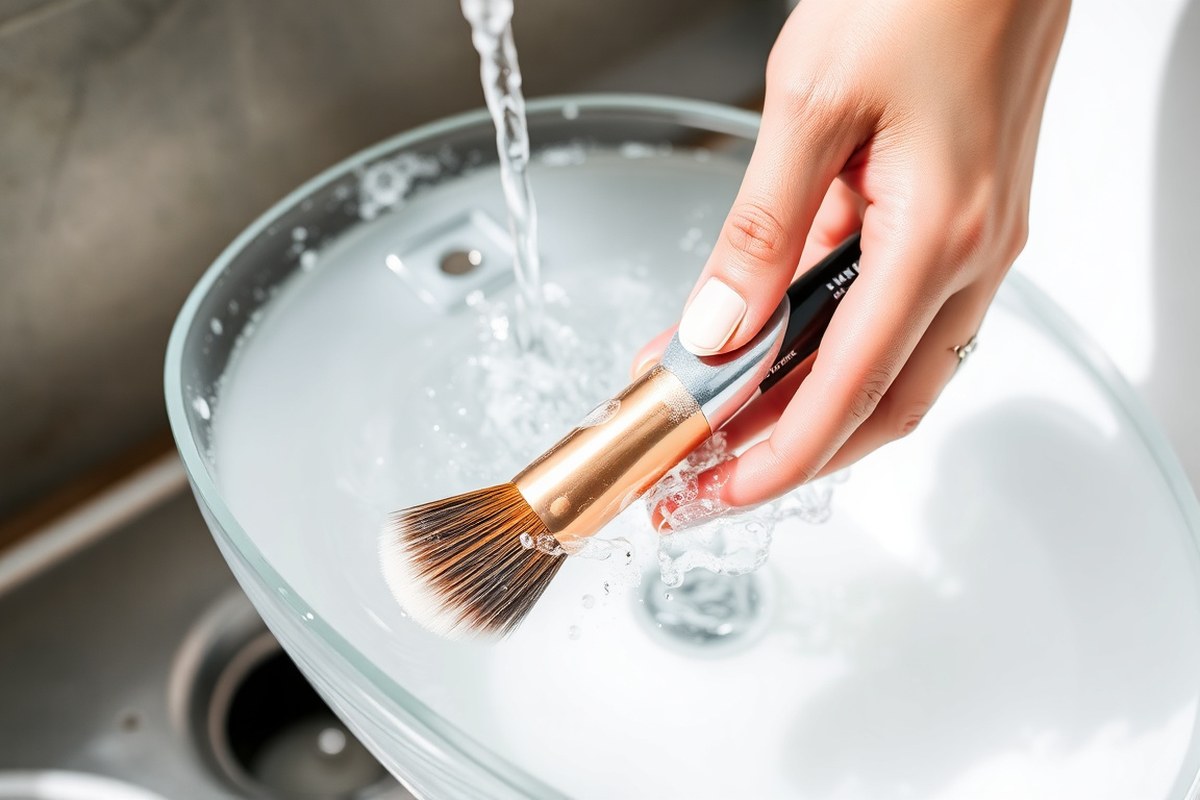
Cleaning your makeup brushes well makes your skin healthier and your makeup look smoother. Use lukewarm water because hot water loosens the glue inside the brush. Gently wash the brush tips to avoid damaging the bristles or handle.
Choose a gentle cleanser like baby shampoo or a specialized brush cleaner. Apply just enough cleanser for a good lather, not a heavy soak. Rinse thoroughly to remove all residue before drying your brushes flat.
- Rinse the brush tips under lukewarm, running water. Avoid wetting the handle to protect the glue.
- Apply a small amount of gentle cleanser or baby shampoo to the bristles.
- Work the cleanser into a lather using your fingers or a silicone brush cleaning mat. Move the brush in gentle circles to loosen makeup.
- Rinse thoroughly under lukewarm water until the water runs clear. Reapply cleanser if needed for stubborn stains.
- Squeeze out excess water with a clean towel. Be gentle to keep the bristles in shape.
- Lay the brushes flat on a clean towel, with bristles hanging off the edge. This helps them dry faster and keep their shape.
Cleaning takes about 5 to 10 minutes depending on how many brushes you have. Avoid soaking your brushes for too long or using harsh cleaners. They break down the glue and damage bristles.
For a quick refresh, use an alcohol-based spray after cleaning days. It kills bacteria without water, keeping your brushes fresh between deep cleans. Always let brushes dry completely before using them again to prevent mold.
Which Cleanser Is Best for Your Makeup Brushes?

Choosing the right cleanser depends on your brush type and how often you clean. Commercial brush cleaners offer easy and effective options.
Household items work in a pinch. Some sprays disinfect quickly; others need rinsing and drying.
Commercial Brush Cleaning Products
Commercial brush cleansers are made specifically to clean and care for makeup brushes. They come in liquid, solid, or spray forms for different needs. For example, e.l.f.
It offers a liquid version for a deep clean. It also has a solid cleanser made for sponges and brushes.
Spray cleansers like Clinique’s Makeup Brush Cleanser dry quickly and remove makeup without rinsing. They are perfect if you clean your brushes often and want them ready fast. However, sprays may not clean very dirty brushes thoroughly.
Household Alternatives Like Dish Soap and Micellar Water
Dish soap like Dawn works great to break down oil-based makeup on brushes and sponges. It’s affordable and widely available but can be harsh if used often. Be sure to rinse brushes well to avoid residue that stiffens bristles.
Micellar water can clean brushes gently without water or heavy rinsing. It’s useful for quick cleaning or if you don’t have a brush cleanser at hand. This method won’t disinfect but helps remove surface makeup and dirt.
Alcohol-Based and Quick-Use Spray Cleansers
Cleaning sprays with 70% isopropyl alcohol disinfect brushes while removing stubborn stains. Use them when you want to kill bacteria on especially dirty brushes. These sprays dry fast and help keep brushes hygienic between washes.
Instant cleaning sprays, like Cinema Secrets, leave brushes dry to the touch almost immediately. They suit busy routines but may not replace deep cleaning with soap and water. Use sprays most between serious washes for fast freshening.
The following table compares common brush cleansers and alternatives by type, use, cost, and cleaning method:
| Cleanser Type | Best For | Cleaning Method | Drying Time | Approx. Cost |
|---|---|---|---|---|
| Liquid Brush Cleanser (e.l.f.) | Deep cleaning soft brushes | Wash under warm water, lather, rinse | 1, 2 hours air dry | $6, $10 per bottle |
| Solid Brush Cleanser (Beautyblender) | Sponges, general brush use | Rub brushes on soap with water, rinse out | 1, 2 hours air dry | $10, $15 per bar |
| Instant Cleaning Spray (Clinique) | Quick cleaning between uses | Spray on brush, wipe on towel, no rinse | Seconds to dry | $15 per bottle |
| Dish Soap (Dawn) | Deep oil makeup on brushes & sponges | Wash under warm water, lather, rinse | 1, 2 hours air dry | Under $5 per bottle |
| Micellar Water (Garnier) | Light surface cleaning, gentle on bristles | Swab brush with soaked cotton pad, no rinse | Minutes to dry | $7, $10 per bottle |
| Isopropyl Alcohol (70%) | Disinfecting & stain removal | Spray brush, wipe or let air dry | Minutes to dry | Under $5 per bottle |
Tradeoffs depend on your routine and brush type. Liquids and solids clean deeper but take longer to dry.
Sprays and alternatives like micellar water dry fast but don’t cleanse deeply or disinfect fully. Match your choice to how often you clean and your brush’s material.
Wipe brushes dry gently after cleaning and keep them angled downward to avoid water loosening bristles.
How Often Should You Clean Your Makeup Brushes?
Brushes you use with liquid makeup like foundation and concealer need cleaning often. Aim to wash them after one or two uses to avoid bacteria buildup. Liquids make the bristles sticky.
This traps dirt and oil. That can cause breakouts or skin irritation.
Powder makeup brushes don’t need washing as frequently. You can clean those about once a week or every 7 to 10 days.
Powder products don’t soak into brushes like creams. So they don’t become as breeding grounds for bacteria quickly.
Your skin type and how often you wear makeup also matters. Your skin needs cleaning more if it’s sensitive or acne-prone.
This helps prevent flare-ups. Using brushes daily means you’ll need to clean them more often than using them occasionally.
- Clean liquid makeup brushes after 1 to 2 uses to avoid buildup.
- Wash powder brushes once every 7 to 10 days to keep them fresh.
- Clean brushes more often if your skin is sensitive or acne-prone.
- Daily users should clean all brushes weekly at minimum.
- Less frequent makeup wearers can extend powder brush cleaning up to two weeks.
- Never share brushes to reduce infection risk.
Washing brushes regularly means rinsing under lukewarm water and using a gentle brush cleanser. Avoid hot water as it may damage the bristles. Let brushes dry flat.
Make sure bristles hang off the edge. This keeps their shape intact.
Cleaning your makeup brushes on this schedule helps keep your skin healthy and your makeup flawless. Ignoring this can lead to clogged pores, dull makeup looks, and shorter brush life. Regular care is a small step with big benefits on your skin and wallet.
Drying Makeup Brushes Properly to Preserve Shape
After washing your makeup brushes, drying them properly stops damage and mildew. Drying takes about three to six hours but can vary by brush size and material.
Larger brushes or those with dense bristles need more time. So plan ahead to avoid using damp ones.
Place brushes flat on a clean towel with bristles hanging off the edge. This stops water from reaching the ferrule and loosening glue. Gently reshape bristles with your fingers to keep the brush’s form.
You can also hang brushes bristles-down on a drying rack made for makeup tools. This position encourages water to drip away completely. Don’t stand brushes on handles to dry.
Water can get inside and cause mildew. This also damages the bristles over time.
To speed drying, you might use a device that spins brushes dry quickly after cleaning. These tools minimize dampness without heat, protecting bristles from heat damage or warping. Avoid hair dryers or heaters as heat can distort brushes and make glue fail.
Using a lint-free paper towel to blot excess moisture can help before air-drying. Choose towels that don’t leave fibers on your brushes. Blot carefully to prevent messing up the shape or pushing water deeper into the brush base.
For best results, clean and dry your brushes in a well-ventilated space to avoid trapped humidity. Avoid damp or enclosed spaces where mildew could form. Checking brushes after drying ensures they feel firm and look fresh, not floppy or stiff.
Caring for Different Types of Makeup Brushes
Different makeup brushes need different care based on their use and product type. Brushes for liquid makeup require more frequent cleaning than those for powders. Some small brushes need extra attention to keep their shape and performance.
Cleaning Foundation and Concealer Brushes
Brushes for liquid or cream products get buildup quickly. They breed bacteria faster because these products carry moisture. Clean these brushes after every use to avoid skin irritation and clogged pores.
Use gentle soap or brush cleanser that breaks down oils without harming bristles. Avoid soaking handles to prevent loosening the glue. Rinse with lukewarm water gently to protect the brush shape.
- Pour a small amount of cleanser into your palm or mixing palette.
- Swirl the brush tips in the cleanser carefully to loosen makeup.
- Rinse the brush under lukewarm water, pointing bristles downward.
- Repeat cleansing if the water doesn’t run clear.
- Gently squeeze out excess water with a clean towel.
- Reshape the bristles with your fingers.
- Lay the brush flat to dry overnight at room temperature.
Never dip brushes straight into liquid product containers to avoid contamination.
Maintaining Powder and Blush Brushes
Powder brushes get less frequent washing because powders don’t saturate bristles. Clean them every one to two weeks to remove product dust and oils. This helps keep colors true and brushes soft.
Use a gentle soap or dry brush cleaner spray. Dry cleaning methods work well to avoid drying out the bristles. Avoid washing in a machine; agitation bends the bristles and damages the brush.
- Brush off loose powder with a soft towel or tissue.
- Apply a small amount of cleanser and swirl gently in palms.
- Rinse only bristles under lukewarm water, avoiding wetting handles.
- Squeeze water gently and reshape the brush head carefully.
- Air dry flat or with bristles hanging over an edge to keep shape.
Machine washing powder brushes risks breaking or bending bristles permanently.
Special Care for Eyeliner and Lip Brushes
Because eyeliner and lip brushes are small and used near sensitive areas, clean after every use. These brushes often tap into creamy or liquid products that mix with bacteria easily. Clean gently to keep the bristles firm and tip sharp.
Use a mild soap with moisturizing ingredients to keep bristles soft. Avoid harsh scrubbing as it bends the thin bristles and ruins precision. After washing, reshape the brush tip with your fingers.
- Dab a small drop of gentle cleanser in the palm or on a clean cloth.
- Lightly stroke the bristles in the cleanser to remove product residue.
- Rinse thoroughly under cool water, letting bristles point down.
- Press out excess moisture with a lint-free cloth carefully.
- Reshape the brush shape, especially the fine tip.
- Let it dry flat on a clean surface away from heat sources.
Small brushes can dry faster but handle them gently to avoid tip damage.
Common Mistakes When Cleaning Makeup Brushes and How to Fix Them
Using hot water or harsh cleansers can ruin your makeup brushes. Hot water loosens the glue that holds bristles, causing shedding and warping. Harsh cleansers dry out bristles and damage their softness.
Use lukewarm water to clean your makeup brushes. Pick a mild cleanser made for brushes or gentle baby shampoo. This helps avoid damaging your brushes.
Tilt the brush downward while rinsing. This stops water from soaking into the ferrule and loosening glue.
Washing your brushes too often might sound like good hygiene. But it can cause damage too.
Frequent cleaning wears out natural bristles faster and breaks down synthetic fibers over time. Stick to washing brushes weekly unless you’ve used them with heavy or liquid products.
- Use lukewarm water, never hot, during washing
- Choose mild, gentle cleansers to protect bristles
- Hold brushes angled downward to prevent water pooling
- Gently massage cleanser into bristles, avoiding the handle
- Pat brushes dry with a towel, reshape bristles before drying
- Limit cleaning frequency to about once a week for daily brushes
- Check for shedding and handle damage regularly to catch problems early
Brush shedding happens when glue fails or bristles are brittle. Avoid pulling on the bristles and never soak handles in water.
Use only mild pressure when cleaning to keep bristles intact. Regular checks let you catch damage early and save your brushes.
Warping makes brushes lose their shape and work poorly. This happens if they dry standing straight up or if water gets trapped inside.
Dry brushes flat or with bristles hanging off the edge of a counter. This keeps their shape and helps them dry faster.
How to Sanitize and Disinfect Brushes to Kill Bacteria
Sanitizing your makeup brushes kills bacteria that cause breakouts and infections. Use safe, effective methods like isopropyl alcohol or commercial brush disinfectants. Avoid bleach as it can damage bristles and weaken brush glue.
Using Isopropyl Alcohol Safely
Isopropyl alcohol at 70% concentration kills most bacteria and viruses fast. Dab or spray it on the brush tips after cleaning, then air dry. Avoid soaking brushes since alcohol may dry out natural bristles and loosen glue over time.
Keep it away from the brush handle and ferrule to protect wood and glue. Use alcohol once a week or after applying eye makeup to prevent infections. Rubbing alcohol costs about $2 to $5 for a small bottle.
It is affordable and lasts a long time. You can use it for many cleaning sessions.
Disinfecting with Commercial Solutions
Commercial brush sanitizers are designed to kill germs without harming brush fibers. These sprays or foams often contain gentle antimicrobials safe for synthetic and natural hair. One example is a solid cleansing bar that costs about $20.
It is made for regular use on brushes and sponges. You can clean your makeup tools often with it.
Use the product after washing your brushes but before drying to kill lingering bacteria. Some sanitizers require a few minutes of contact time, so follow label directions exactly. They help maintain brush integrity and are a good choice for sensitive skin.
Frequency and Situations for Sanitizing
Sanitize your brushes deeply after every 1 to 2 weeks of regular cleaning. Brushes used on eyes or lips need more frequent attention to prevent infections. Also sanitize after illness, when sharing brushes, or after using on acne-prone skin.
Sanitizing right after washing saves time and protects your skin. Avoid daily sanitizer use on natural brushes to extend their lifespan. Use it as an extra step, not a substitute for washing with soap or cleanser.
Follow this checklist as you sanitize makeup brushes:
- Wash brushes thoroughly with a gentle cleanser and rinse fully.
- Gently squeeze out water and reshape the bristles.
- Spray or dab isopropyl alcohol (70%) lightly on the brush heads.
- Alternatively, apply a commercial brush sanitizer following label instructions.
- Let brushes air dry horizontally or bristles down to preserve shape.
- Store brushes in a clean holder to avoid contamination.
- Use sanitizer after every one to two weeks of washing or when needed.
When to Replace Makeup Brushes and Sponges
Watch for bristles that shed, lose shape, or stay stained. These signs mean your brush is past cleaning and should be replaced. Toss the brush if washing doesn’t bring back softness or it smells.
Natural and synthetic brushes usually last about one to three years with proper care. Cheaper brushes tend to break down faster, especially if they soak too long. Avoid soaking the brush handle or ferrule to help them last longer.
Makeup sponges face a faster expiry, often one to three months of regular use. Sponges soaked in water can harbor bacteria even after cleaning.
Replace brushes when you see tearing or permanent staining. Replace them too if edges crumble or they start to smell bad.
Check tools after cleaning and drying by pressing the bristles or sponge gently. Toss the brush if the shape won’t bounce back or bristles feel brittle.
Your brush or sponge might be worn out if makeup applies patchy. It can look clean but still not work well.
Watch for shedding bristles, stiff feel, stains that don’t wash off, or sponge breaking apart. Keep these in mind.
Replace your brush or sponge right away if any of those problems occur. Regular replacement helps avoid skin irritation and prevents bacteria buildup that cleaning can’t fix.
The cost of good brushes varies from $10 to $50 or more. So careful care is worth it.
Yet, replacing a brush slightly early is better than risking skin problems or uneven makeup. Good brushes keep your routine smooth and your skin clear.
Don’t soak your brushes; water weakens the glue holding bristles. For sponges, soak briefly then rinse well to avoid trapped bacteria.
Step-by-Step Action Plan for Clean Makeup Brushes
Follow this plan to clean and care for your brushes properly. It helps you keep brushes safe and your skin healthy.
- Before Your First Use: Wash new brushes with gentle cleanser. Make sure no factory dust or residue remains.
- Weekly Cleaning: Clean your brushes with a mild soap or brush cleanser. Check if makeup and oils come off completely.
- After Heavy Use: Sanitize brushes with rubbing alcohol or a disinfectant spray. Brush should smell fresh and feel dry before reuse.
- Drying Time: Let brushes air dry flat or with bristles pointed down. Avoid heat or upright drying to keep bristles’ shape intact.
- Monthly Deep Care: Inspect for brush damage and clean handles. Replace any shedding or misshapen brushes at this time.
- After Illness: Dispose of or thoroughly sanitize brushes and sponges. Prevent spreading germs to your skin.
- Regular Storage: Keep brushes in a clean, dry container to avoid dust and bacteria buildup.
Frequently Asked Questions
How to Clean Makeup Brushes Reddit?
On Reddit, users recommend using gentle soap or brush cleanser with lukewarm water. Many suggest swirling brushes on a textured surface to remove residue well. It’s best to rinse until water runs clear and reshape brushes before drying.
What Kills Bacteria on Makeup Brushes?
Alcohol-based brush cleansers or diluted disinfectants kill bacteria effectively on brushes. Proper washing with soap and water removes dirt, then sanitizing stops bacteria growth. Cleaning weekly helps keep brushes safe for your skin.
Can I Use Fairy Liquid to Wash My Makeup Brushes?
Yes, you can use fairy liquid as a mild soap for cleaning makeup brushes safely. Choose the gentle, fragrance-free type to avoid drying out bristles. Rinse brushes well to remove any soap residue that might irritate skin.
Can I Clean My Brushes with Micellar Water?
Micellar water can remove surface makeup and oils but won’t deep-clean brushes fully. Use it for quick touch-ups or travel.
But wash brushes with soap regularly for thorough cleaning. A proper cleanser removes buildup better.
How Do I Avoid Shedding When Washing Makeup Brushes?
To reduce shedding, avoid hot water and rough scrubbing on the bristles. Use gentle circular motions with a brush cleanser and rinse carefully. Pat dry the brushes without pulling the bristles to keep them intact.
Can I Wash Synthetic and Natural Hair Brushes the Same Way?
Synthetic and natural hair brushes can be washed with the same gentle cleansers. However, clean natural hair brushes less often to preserve their shape and softness. Always dry them flat or horizontally to avoid damage.
Before You Go
Keeping your makeup brushes clean protects your skin and improves your makeup look. Start by washing a few brushes today. You’ll see the difference in feel and finish right away.