How Much Does Shampoo Cost? A Complete Guide to Prices and Savings
How much does shampoo cost varies a lot depending on the brand and type. On average, drugstore shampoos range from $3 to $10 per bottle, which covers most day-to-day needs. If you want something gently made or with special ingredients, prices can go up to $30.
Luxury shampoo brands often cost between $40 and $80 or more for one bottle. These usually promise salon-quality results and use high-end ingredients. But paying more doesn’t always mean better for your hair type or budget.
Some shampoos under $15 can feel like luxury ones with lighter formulas that don’t strip hair. Checking ingredient labels for sulfates and chemicals helps you avoid damage while saving money. Start by figuring out what your hair really needs before picking the most expensive bottle.
Key Takeaways
- Drugstore shampoos typically cost between $3 and $10 per bottle.
- Mid-range shampoos with special ingredients cost from $10 to $30.
- Luxury brand shampoos usually range between $40 and $80 or higher.
- Expensive shampoos don’t always mean better quality for your hair.
- Look for sulfate-free formulas to protect dyed or dry hair.
- Compare the price per fluid ounce to judge value fairly.
How Much Does Shampoo Cost on Average?

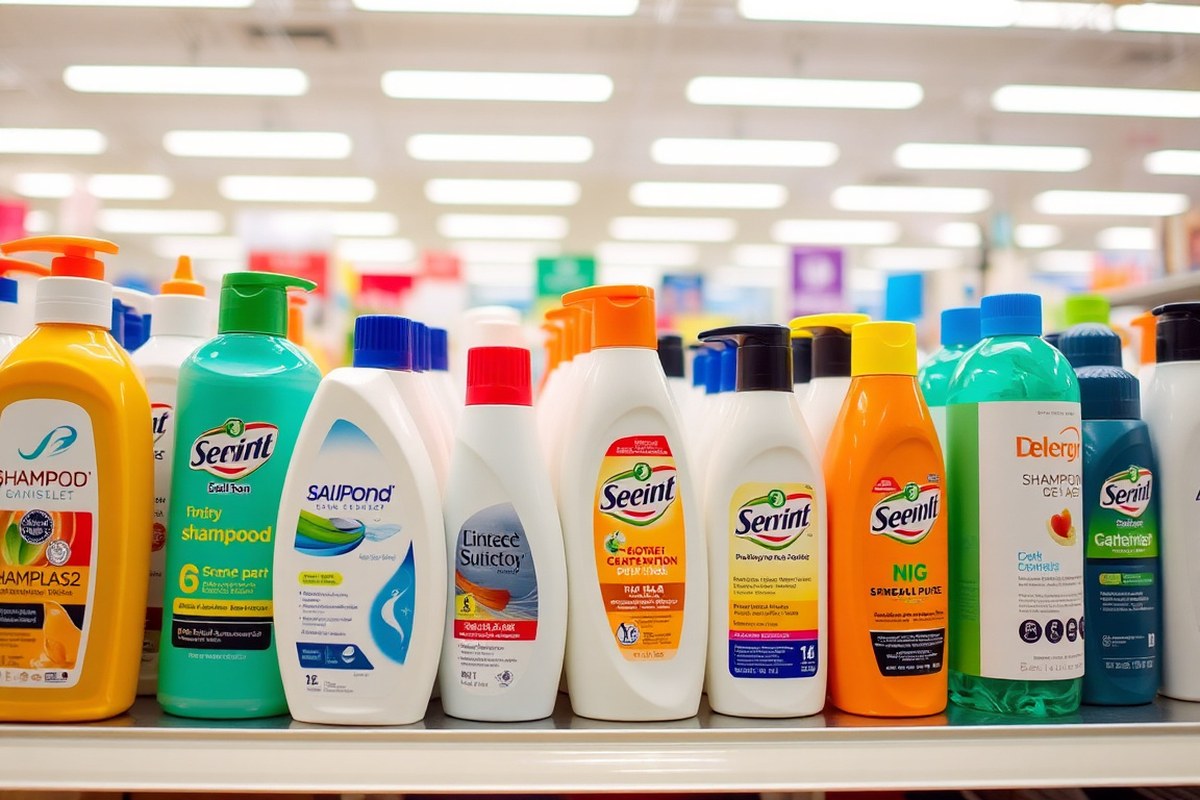
Shampoo prices vary a lot depending on the category you choose. Drugstore shampoos typically cost between $3 and $10 for an 8 to 16-ounce bottle. These basic formulas are easy to find and have common scents.
Professional shampoos cost about $15 to $40 for an 8 to 12 oz bottle. These are often sold in salons or specialty stores. They usually have higher-quality ingredients than drugstore brands.
They usually target specific hair concerns and use higher-quality ingredients recommended by stylists. Natural shampoos generally cost $10 to $30 for an 8 to 12 oz bottle.
They use plant-based ingredients and avoid harmful chemicals. Many people choose them for a gentler, eco-friendly option.
| Shampoo Category | Price Range | Typical Bottle Size | Key Characteristics |
|---|---|---|---|
| Drugstore / Mass Market | $3, $10 | 8, 16 oz. | Basic formulas, widely available, scented |
| Salon / Professional | $15, $40 | 8, 12 oz. | High-quality ingredients, targeted concerns |
| Luxury / Premium | $40, $80+ | 6, 12 oz. | Exclusive ingredients, designer brands |
| Natural / Organic | $10, $30 | 8, 12 oz. | Plant-based, free from harmful chemicals |
Luxury shampoos cost more, often $40 and up, with smaller bottles from 6 to 12 ounces. They focus on unique ingredients and special packaging. Prices reflect brand exclusivity and quality.
Bottle size affects cost. Professional and natural shampoos usually range from $10 to $40 for an 8 oz bottle.
Prices vary by brand and ingredients. This range covers most quality options outside basic drugstore shampoos.
Mass market shampoos come in bigger bottles, like 16 ounces, and cost less per ounce. Buying 32-ounce shampoo bottles lowers the cost per fluid ounce. Most bulk options come from drugstore or some salon brands.
It’s a good choice if you use shampoo often. This price spread helps you pick a shampoo that fits your budget and needs without surprises.
What Factors Influence Shampoo Prices?

Shampoo prices change because of several factors. Ingredients, brand name, bottle size, formula, and marketing all affect what you pay. Knowing these details helps you spot fair prices and avoid overpaying.
Ingredients and Sourcing Impact
Ingredients directly shape shampoo cost and quality. Luxury shampoos often use rare oils or plant extracts that cost more to grow and harvest. For example, sustainably sourced shea butter or argan oil can raise prices.
These ingredients may add up to $30 more per bottle. This increase depends on the quality and source.
Cheaper shampoos tend to rely on common detergents and fillers. These may clean hair but could strip oils or dry out scalp.
Avoid harsh sulfates if your hair is colored or sensitive. Sulfate-free shampoos usually cost more but protect your hair better.
Brand Reputation and Positioning
Big-name brands or salon lines charge premium prices due to trust and prestige. A shampoo from a celebrity hairstylist can cost $40 or more per bottle. You can pay mostly for the name and fancy packaging, not always better ingredients.
Drugstore brands focus on value and wide reach, pricing bottles between $3 and $10. They often compete by improving formulas while keeping prices low. This is why some budget shampoos now feature natural or vegan labels without huge price jumps.
Bottle Size and Packaging Choices
The size of the shampoo bottle changes the price per ounce. Smaller bottles, like 8 or 10 ounces, often cost more per ounce than larger 25-ounce bottles. Premium shampoos also use eco-friendly packaging or unique bottle shapes that raise production costs.
Buying larger or value-size bottles usually saves money if you use shampoo regularly. Some people pick smaller bottles to try a new formula risk-free. Just watch for fancy packaging that adds cost but not function.
Formula Complexity and Added Benefits
Shampoos with extra features cost more to develop. These shampoos offer color protection with UV filters. Others help control dandruff using antifungal agents.
Some include moisturizers like oils and glycerin. These ingredients boost efficiency but add to the price.
A simple clarifying shampoo with citrus and strong detergents costs less, usually $5 to $15. Specialized shampoos like volumizing or keratin treatments cost more.
Their prices usually range from $10 to $35 per bottle. The extra ingredients explain the higher cost.
Marketing and Retail Channels
Where you buy shampoo also impacts the price. Salons charge more than drugstores or online shops because of service costs and exclusivity. Some brands spend heavily on advertising or celebrity endorsements, raising retail prices.
Shopping at mass retailers or using subscriptions can cut costs. Price alerts online help catch sales. Marketing efforts sometimes add hundreds of dollars to yearly shampoo budgets without improving product quality.
Check price per ounce after matching formula and bottle size to avoid paying too much.
Price Differences by Shampoo Type and Brand
Shampoo prices vary depending on the type and brand you choose. Drugstore shampoos cost less but may have basic formulas. Professional and luxury shampoos cost more because of ingredients and where they are sold.
Drugstore Shampoos Pricing
Drugstore shampoos usually range from $4 to $10 per 10 to 12-ounce bottle. These shampoos focus on affordability and wide availability in many stores. They often feature simple formulas that work well for everyday cleaning.
Popular drugstore brands include Pantene, Head & Shoulders, and Garnier Fructis. Some are praised by hairstylists for thinning hair or scalp care. A $6 bottle can smell and perform better than some luxury shampoos.
Professional and Salon Shampoo Costs
Shampoos sold in salons or specialty stores cost $15 to $30. The bottle size is usually 8 to 12 ounces. These shampoos often have special ingredients or scents.
These brands focus on quality ingredients for specific hair needs, like color protection or volume. Salons may add a markup, which raises the final price.
Examples are Redken, Paul Mitchell, and Matrix. Most customers choose these shampoos for their performance rather than just scent or packaging. These brands sometimes include professional formulas unavailable in regular stores.
Luxury and Natural Shampoo Price Ranges
Luxury and natural shampoos usually cost between $20 and $40. This price is for 7 to 12 ounces per bottle. Some may cost even more than $40.
They highlight premium ingredients like botanical extracts and fewer chemicals. Luxury bottles often come from high-end brands like Oribe or Aesop.
You can buy natural shampoos at health stores or online. They attract people who avoid synthetic additives. Natural options often use plant-based ingredients.
Prices vary widely depending on the source and ingredient quality. Many consumers pick these for skin sensitivity and environmental concerns.
Here is a table comparing shampoo types, price ranges, and examples to help you choose:
| Shampoo Type | Price Range | Average Bottle Size (oz) | Popular Brands |
|---|---|---|---|
| Drugstore | $4 – $10 | 10 – 12 | Pantene, Head & Shoulders, Garnier |
| Professional/Salon | $15 – $30 | 8 – 12 | Redken, Paul Mitchell, Matrix |
| Luxury/Natural | $20 – $40+ | 7 – 12 | Oribe, Aesop, Authentic Natural Brands |
Your choice depends on budget and hair needs. Drugstore shampoos offer good value for basic use. Professional and luxury options cost more but may improve hair health noticeably or meet specific concerns.
How Bottle Size and Volume Impact Shampoo Cost
Buying bigger shampoo bottles often lowers the cost per ounce, but not always. Larger shampoo bottles usually cost less per ounce. Packaging and shipping take less per volume.
So bigger sizes offer better value overall. If you’re not sure the shampoo fits your hair, avoid big bottles.
Buying large bottles can waste your money quickly. Try smaller sizes first.
Most common shampoo bottles range from travel size to large family size. Small travel bottles hold around 1 to 3 ounces and cost about $1 to $3 each. Medium bottles usually hold 10 to 16 ounces and range from $5 to $15.
Large bottles hold 28 to 34 ounces. Prices range from $10 to $25. The brand and formula affect cost.
| Bottle Size (oz.) | Average Price Range ($) | Typical Cost Per Ounce ($) |
|---|---|---|
| 1 to 3 | 1 – 3 | 0.33 – 1.00 |
| 10 to 16 | 5 – 15 | 0.31 – 1.50 |
| 28 to 34 | 10 – 25 | 0.29 – 0.74 |
To compare prices, divide the bottle price by its size in ounces. This shows the cost for each ounce of shampoo. For example, a 16-ounce bottle priced at $10 costs about $0.63 per ounce.
A 34-ounce bottle costing $15 charges about $0.44 per ounce. The larger bottle is cheaper per ounce but requires a bigger upfront payment.
Buying in bulk or via subscriptions can also cut the shampoo’s overall price. Some stores offer discounts when you subscribe or buy multi-packs.
But don’t buy big unless you’re sure about the shampoo’s scent and effects. Otherwise, you might end up with a large bottle you don’t use.
How to Compare Shampoo Prices Fairly
Price alone doesn’t tell the full story when choosing shampoo. You need to check how much shampoo you get. Also, see if the ingredients fit your hair type.
This helps you make a good choice. This helps you avoid paying for stuff you don’t need.
For example, a densifying shampoo is not right for thick, curly hair. You save money by picking the right shampoo.
Use a step-by-step method to compare shampoo costs fairly. It lets you see the real value instead of just the tag price. This process works when shopping in stores or online.
It helps you choose shampoo that fits your budget. It also matches your hair goals well.
- Calculate price per ounce. Divide the total price by the number of fluid ounces. For example, a 16-ounce bottle at $12 costs 75 cents per ounce. This number helps you compare different bottle sizes and prices easily.
- Check ingredients for your hair needs. Look for shampoo ingredients that match your hair type. For instance, if you want hydration, find products with lipids or moisturizing oils. Avoid heavy oils if your hair is oily. They can weigh down your hair badly. Choose lighter options instead.
- Read product benefits on the label. Match claims with your hair goals, like “frizz control” or “volume boost.A shampoo promising 72-hour hydration costs more. It adds real value if frizz is a big problem. Think about paying extra if you need that benefit.
- Consider user reviews and ratings. Check how others with similar hair types liked the product. Reviews show if a shampoo really works or not. They reveal if it causes dryness or buildup. Use reviews to avoid bad products.
- Compare retailer prices. Look at prices from drugstores, online shops, and big-box stores. Prices may vary by a few dollars. Some places offer discounts or subscription savings.
- Factor in special deals or coupons. Using coupon codes or sales can drop the per-ounce cost significantly. Keep in mind some high-end shampoos go on sale just like budget ones.
- Decide based on value, not just price. A cheap shampoo that doesn’t work well costs more later. You use more product or need to replace it often. Spending more upfront can sometimes save money. Choose one that fits both your budget and your hair needs.
Don’t choose shampoo by bottle size alone. Sometimes paying a bit more per ounce means getting the right ingredients for your hair.
Where to Buy Shampoo for the Best Prices
Drugstores and big-box retailers usually offer the best prices on shampoo. They sell large volumes, so prices tend to be lower, especially for mass-market brands. You can find deals regularly, especially during sales or with store coupons.
Salons charge more because they sell premium brands and smaller bottles. Buying shampoo at a salon might be worth it if you want specialized formulas.
But expect to pay about 2 to 3 times the drugstore price. This is not the cheapest option for everyday shampoo.
Online marketplaces expand your options and sometimes offer discounts or subscription services. These subscriptions save you 10% to 20% on costs. You may also get free shipping with regular deliveries.
Signing up helps you save on shipping and product prices. Still, prices vary widely. So check for shipping fees and compare total costs before buying.
- Drugstores and supermarkets: low prices, frequent coupons, easy returns
- Big-box stores: bulk options, low per-ounce cost, limited premium brands
- Salons: premium quality, professional advice, higher price per bottle
- Online marketplaces: wide selection, subscription savings, check shipping costs
- Subscription services: automatic deliveries, discounts, may require commitments
- Warehouse clubs: bulk purchases, savings on large bottles, membership needed
- Discount stores: clearance deals, closer out products, limited brands
To spot deals, look for store apps or websites that offer digital coupons and weekly sales. Download retailer apps like CVS or Target, and sign up for their loyalty programs.
Also, stack coupons with store sales and manufacturer offers. This often brings prices below standard retail cost.
Buying shampoo online is usually cheaper but watch for extra shipping or handling fees. Some online sites offer free shipping after spending a certain amount.
So add a favorite conditioner or hair treatment to reach that free shipping limit. Always read the full price before checkout to avoid surprises.
Common Shampoo Buying Mistakes and Cost-Saving Fixes
Many people pick shampoos without checking ingredients or hair type. This can lead to spending on products that don’t work for your hair. For example, buying a shampoo labeled for dandruff won’t help if you just want color protection.
Samples or travel-size bottles give a chance to test new shampoos. Trying a small size costs less and avoids wasting a full bottle. If a shampoo strips your hair or leaves residue, you stop using it early.
- Check the ingredient list to match your hair needs.
- Pick shampoos made for your specific hair type or issues.
- Avoid comparing prices between different shampoo categories.
- Test a small size before buying the full bottle.
- Use a small, quarter-sized amount per wash to stretch the bottle.
- Look for coupons or card savings to lower the price.
Consumers often overuse shampoo, which means you run out faster. A quarter-sized amount usually works, especially for concentrated formulas.
Concentrated shampoos can cost more upfront but last twice as long. For example, a 9.25 oz bottle of sulfate-free shampoo can last over two months with proper use.
Choosing shampoos from the same category helps you compare prices fairly. Don’t mix kids’ shampoos with salon brands or sulfate-free versus dandruff shampoos.
The results differ, and you can’t judge cost savings properly this way. Checking expiration dates and storage advice keeps your shampoo effective, too.
Can You Get High-Quality Shampoo Without Paying Salon Prices?
You can find high-quality shampoos without paying salon prices. Some drugstore brands offer products with good ingredients and performance. Knowing what to look for helps you get the best shampoo for your money.
Affordable Drugstore Quality Shampoos
Drugstore shampoos can clean well and improve your hair’s look. Many cost between $5 and $12 for a 12 to 16-ounce bottle. Some brands include well-known options like OGX, Garnier Fructis, and L’Oréal Paris.
These shampoos may not have all the extra ingredients of salon brands. Still, they often include nourishing oils and vitamins that strengthen hair. Look for positive reviews and check labels for claims like “for dry hair” or “color-safe.”
Sulfate-Free and Specialty Options Under $20
Sulfate-free shampoos are gentler on hair and scalp. You can find quality sulfate-free options at drugstores for about $10 to $18. These work well for color-treated or sensitive scalps without stripping natural oils.
Specialty shampoos like dandruff or moisture-boosting versions sometimes cost more but stay under $20. These usually include active ingredients such as zinc pyrithione or natural extracts. They target specific hair problems without the salon price tag.
How to Identify Good Value Shampoos
Compare shampoo prices by checking ingredients, bottle size, and claims. A shampoo with fewer harmful chemicals but nourishing ingredients usually offers better value over time. Also, remember bigger bottles tend to lower the cost per ounce.
Salon shampoos often add costly fragrances and branding that raise prices without better results. Look for trusted ingredients like argan oil, keratin, or biotin in affordable formulas. Avoid shampoos overloaded with sulfates or artificial additives that may cause dryness.
| Shampoo Type | Approximate Price | Common Benefits |
|---|---|---|
| Drugstore Regular Shampoo | $5, $12 per 12, 16 oz | Good cleaning, vitamins, oils |
| Sulfate-Free Shampoo | $10, $18 per 12 oz | Gentle, color-safe, scalp-friendly |
| Specialty Shampoo (dandruff, moisture) | $12, $20 per 12 oz | Targets specific scalp/hair issues |
| Salon Premium Shampoo | $20, $50 per 8, 12 oz | Premium ingredients, brand prestige |
You don’t always get better results by spending more on shampoo. Sensitive or damaged hair may benefit from premium brands.
But many affordable products work well. Focus on your hair’s needs and ingredient quality to make the best choice.
A higher price tag doesn’t always mean better shampoo, check ingredients first.
Step-by-Step Action Plan to Find the Best Shampoo Deals
Follow these steps to pick the right shampoo and save money on every bottle you buy.
- Before you shop: Check your hair type and needs. This helps you avoid buying the wrong shampoo.
- Day 1: Compare prices per fluid ounce at different stores and online. Choose the best value, not just the lowest total price.
- Day 2: Look for sales, coupons, or subscription deals. Use them to lower your price without changing your shampoo choice.
- Week 1: Try smaller bottles if you want to test a new brand. Avoid large bottles that waste money if it doesn’t work.
- Week 2: Read product reviews focused on hair type like yours. This saves money by helping you find quality without salon prices.
- Month 1: Only buy shampoo in bulk if it meets your needs. Use it regularly before buying in bulk. That way, you avoid wasting shampoo. This step cuts cost per use.
- Month 2: Track how long your shampoo lasts. The most cost-effective shampoos last longer and need less product per wash.
Frequently Asked Questions
How Much Do Travel-Sized Shampoos Usually Cost?
Travel-sized shampoos often cost between $1 and $5. They are convenient for trips or trying new brands without a big commitment.
Does Shampoo Price Reflect Its Scent Quality?
Price doesn’t always match scent quality in shampoos. Some affordable shampoos smell great while some expensive ones may not. Scent preference is personal, so sampling can help you decide.
Are Organic Shampoos More Expensive Than Regular Ones?
Organic shampoos usually cost more due to natural ingredients and production methods. The price difference can be $5 to $20 higher per bottle. They appeal to buyers avoiding chemicals.
How Does Shampoo Packaging Affect Its Price?
Unique or fancy packaging typically raises shampoo prices. Brands spend more on design to stand out on shelves. This cost may not improve shampoo quality.
Do Professional Salon Shampoos Cost More If Bought Online?
Salon shampoos often cost about the same online or in salons. Online prices might be slightly lower due to sales or discounts. Shipping fees can add to the total cost though.
Can Bulk Buying Shampoo Save Money?
Buying shampoo in bulk can lower the cost per ounce. This works well if you use the product regularly. Check the expiry date to avoid waste.
Wrapping Up
Shampoo costs vary a lot, but you can get good quality for less. Focus on your hair needs and shop smart. Start watching prices per ounce and use deals to save on your next bottle.