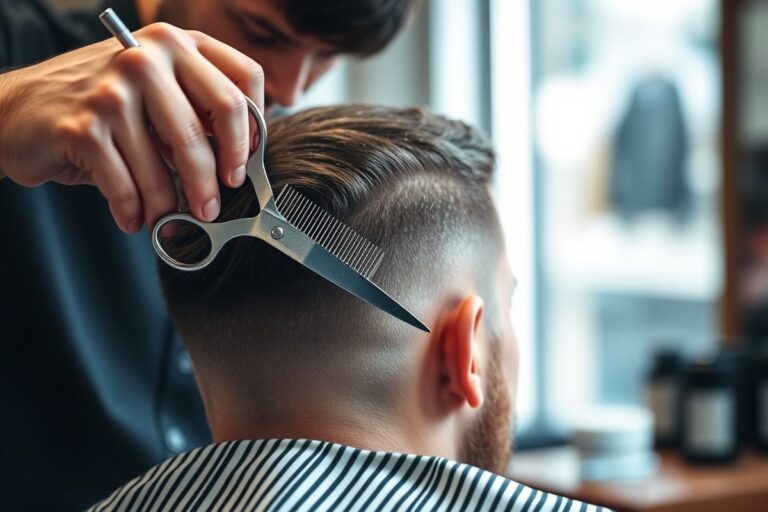
Can You Flat Iron Wet Hair? What Actually Works Without Damage
You should never flat iron wet hair. Hair needs to be fully dry before using a flat iron. Straightening wet hair risks serious damage to your strands.
Heat from the iron boils water inside wet hair strands. This damages the hair’s inner layer, causing breakage and brittleness. Always aim for 90 to 100 percent dry before flat ironing.
Some irons say “wet-to-dry,” but they work on only slightly damp hair. This means your hair should be about 80 percent dry, not dripping wet. Using these irons on very wet hair still causes damage and frizz.
Dry your hair naturally or with a blow dryer first. This protects your hair while helping you get the smooth look you want.
Key Takeaways
- Always wait until your hair is fully dry before straightening.
- Use wet-to-dry irons only on hair that’s about 80 percent dry.
- Set your flat iron heat according to your hair type.
- Blow-dry hair pointing the dryer downward to reduce damage.
- Use wider plates on thick or long hair for better results.
- Don’t hold the iron too long on one spot to avoid ridges.
Is It Safe to Flat Iron Wet Hair?

It is not safe to use a regular flat iron on wet hair. When your hair is wet, it is fragile and more likely to get damaged by heat. The heat from the flat iron makes water inside hair turn to steam.
This steam builds pressure and harms hair from the inside out. It can cause serious damage if you use too much heat.
This rapid heating, sometimes called the “boiling effect,” can make strands brittle and prone to breakage. Using a heat protectant spray does not stop this damage when the hair is still damp. Even lower heat settings can still harm your hair.
The water inside the hair faces high temperatures. Heat can damage hair no matter the setting.
Special wet-to-dry flat irons are designed to handle damp hair safely. These tools dry and straighten hair at the same time. They control heat carefully and release steam just right.
This technology helps protect your hair while styling. Always wait for your hair to be fully dry.
Using a flat iron on wet hair causes more damage. Dry hair is safer to straighten and looks better.
How Does Flat Ironing Wet Hair Damage Your Strands?

Flat ironing wet hair risks serious damage because water inside the strands heats quickly. The plates reach high temperatures, often between 350°F and 450°F. Water inside your hair changes to steam and expands quickly.
This quick expansion pushes the hair cuticle open. This breaks the hair’s outer layer and weakens the shaft.
Steam acts like a mini explosion inside your hair. That causes micro-tears and splits along the strand. These tears lead to split ends and breakage over time.
The immediate heat and steam also disrupt hydrogen bonds that keep hair strong and flexible. When these bonds break, the hair becomes brittle and more prone to snapping.
Using a flat iron on wet hair also wastes steam’s heat energy, making styling less efficient. The steam overheats certain spots, causing uneven heat distribution.
Your hair might feel dry on the outside but stay fragile underneath. Plus, any leftover water quickly boils, frying your strands and leaving them rough.
Because hair is softer when wet, the flat iron’s pressure adds to the damage. Pressing down on wet strands stretches and strains the weaker hair.
This causes tiny breaks inside the cortex, which weakens the whole hair fiber. Continually doing this leads to visible damage like frizz, thinning, and rough texture.
Never use a flat iron on damp hair. Wet hair can create steam that breaks your strands. Dry hair fully before straightening.
Some wet-to-dry irons try to avoid this steam damage by drying hair as they straighten. But regular flat irons with hot plates are not made to handle wet hair safely. Even low heat settings can cause harm if the hair stays damp.
Dry your hair completely before using the flat iron. Pick the right heat setting for your hair type. Using the correct temperature keeps hair safe.
The steam effect and physical pressure together cause irreversible damage to hair structure. Split ends, breakage, and hair weakening happen fastest when you flat iron wet strands.
Protect your hair by drying thoroughly and keeping your flat iron clean and properly calibrated. That way, you reduce heat damage and keep your hair strong and shiny over time.
What Are Wet-to-Dry Flat Irons and How Do They Work?
Wet-to-dry flat irons are designed to style hair that is damp but not dripping wet. They use special technology that lets you straighten hair while it dries. These irons handle hair that’s still moist more safely than regular flat irons.
They reduce the risk of damage when hair is damp. You can start straightening sooner without fully drying your hair.
Technology Behind Wet-to-Dry Irons
Wet-to-dry irons use lower heat and steam to style hair. They dry and straighten hair in one step. This saves time compared to drying first and then straightening.
Some models, like the Dyson Airstraight, use air through the plates. This gently dries hair without intense direct heat.
It helps protect hair from heat damage while straightening. This approach prevents the hair from overheating and reduces damage risks compared to traditional irons.
These irons have plates made from ceramic or tourmaline. These materials spread heat evenly across the hair. Even heat helps prevent hot spots that can damage strands.
That stops hot spots and protects hair from burns or breakage. The steam or airflow helps turn damp hair into straight, smooth strands efficiently.
Recommended Usage Conditions for Wet-to-Dry Irons
Use wet-to-dry irons only on hair that’s about 80% dry. Hair should be damp but with no visible water. Too wet hair can cause uneven heat and damage.
Avoid using them on soaking wet hair because that can still lead to damage. Make sure your hair is towel-dried or air-dried for a few minutes before using the tool.
Follow these steps to style your damp hair safely with a wet-to-dry iron:
- Towel dry your hair until it feels mostly dry, holding about 20% moisture.
- Apply a heat protectant spray to guard against heat damage.
- Divide your hair into small, manageable sections.
- Set your iron’s heat based on your hair type. Use 250-300°F for fine hair and up to 400°F for thick hair. Adjusting heat helps protect your hair while straightening.
- Slowly run the iron down each section, letting steam or airflow dry and straighten simultaneously.
- Repeat on all sections until your hair is straight and dry.
- Finish with a light serum or spray to add shine and reduce frizz.
Pros and Cons Compared to Regular Flat Irons
Wet-to-dry irons offer a big advantage: you save time by drying and straightening at once. Wet-to-dry irons are gentler on damp hair than regular flat irons. They reduce the chance of hair strands becoming brittle.
This helps keep your hair healthier over time. These tools work well if you often style hair in a rush.
Still, wet-to-dry irons are not completely risk-free. Using them on hair that’s too wet can cause damage similar to regular irons. Wet-to-dry irons usually cost between $100 and $300 upfront.
Basic flat irons often cost less than $50. The higher price reflects their extra features and gentler heat technology. Finally, it takes some practice to get the technique right without overheating hair.
How Dry Should Hair Be Before Using a Flat Iron?
Hair should be nearly dry before using a traditional flat iron. Around 90 to 100 percent dry is best. Wet or damp hair can sizzle and damage from the high heat.
For best results, towel dry first to remove excess water. Then use a blow dryer to finish drying your hair. Aim for no moist spots before heating.
| Iron Type | Required Dryness Level | Typical Time to Prepare | Notes |
|---|---|---|---|
| Traditional Flat Iron | 90-100% dry | 5-15 minutes blow drying after towel drying | Avoid heat on damp hair to prevent damage |
| Wet-to-Dry Flat Iron | Can handle wet to damp hair | Directly usable on wet hair, drying and styling simultaneously | Less blow-drying needed but use heat protectant |
| Low Porosity Hair | Fully dry or mostly dry preferred | Longer drying time, up to 20 minutes | Heat on wet hair causes more damage due to water retention |
On low-porosity hair, it takes longer to reach the right dryness. Use a cool blow dryer setting first to avoid excessive heat. That reduces damage from high heat on trapped moisture.
Do not rush to flat iron hair that feels damp anywhere. It might take 10 to 15 extra minutes of blow drying. Applying heat protection before drying and again before straightening helps limit damage.
Preparing Hair Safely Before Flat Ironing
Prepare your hair by drying it fully before using a flat iron. Use a heat protectant to shield your strands from high temperatures. Section your hair to make straightening easier and more even.
Choosing the Right Heat Protectant
A heat protectant shields your hair from flat iron heat damage. It cuts down moisture loss and stops breakage while styling. Choose one made for your hair type to protect best.
Apply the protectant evenly on damp hair before drying. Look for ingredients like silicones or natural oils for smooth results. Avoid using too much product, or your hair may feel heavy or greasy.
Blow-Drying Techniques to Avoid Damage
Blow-dry your hair completely before flat ironing to avoid harmful steam damage. Use a nozzle attachment and keep the dryer moving to prevent overheating any section. Dry hair faster by working in sections rather than all at once.
Set your dryer to medium heat or cool settings for fine or damaged hair. Thicker or coarse hair can tolerate higher heat but still avoid the hottest setting. Always keep the dryer at least 6 inches from your scalp to protect your skin.
Proper Sectioning and Brushing Before Ironing
Divide dry hair into small, manageable sections for even heat distribution. Use clips to hold sections out of the way. This way you avoid skipping any hair sections.
It also cuts the passes needed with your flat iron. You’ll save time and get better results.
Brush each section gently before ironing to remove tangles. Start brushing with a wide-tooth comb or heat-safe brush. Then, use a fine-tooth comb while straightening.
This keeps your hair smooth and neat. Avoid tugging hair to protect your strands from breakage.
Here’s a step-by-step guide to prepare your hair safely before flat ironing:
- Wash hair with a gentle shampoo and conditioner suitable for your hair type.
- Towel-dry hair by gently squeezing out excess water, avoiding rough rubbing.
- Apply a heat protectant spray or serum evenly on damp hair.
- Use a wide-tooth comb to distribute the product and detangle hair.
- Blow-dry hair fully using medium heat and a nozzle attachment.
- Section hair into small parts and secure with clips.
- Brush each section gently before straightening with the flat iron.
Blow-drying completely before flat ironing is the safest way to protect your hair from heat damage.
Common Mistakes When Flat Ironing Damp or Wet Hair
Many people try to flat iron their hair while it’s still damp. This often leads to serious damage like breakage, dryness, and rough texture. Hair is more fragile when wet, so applying high heat can burn the strands.
Holding the flat iron on your hair for too long causes heat stress. Experts recommend sliding the iron through your hair in about 2 to 3 seconds. Holding it longer doesn’t straighten better; it just heats the hair too much.
- Don’t flat iron hair that’s dripping wet or very damp
- Always dry your hair completely or mostly before using heat
- Use a heat protectant spray to minimize damage
- Move the flat iron quickly down each hair section (2-3 seconds)
- Avoid re-passing the same section multiple times without drying first
- Choose an iron with adjustable temperature settings under 400°F for fine hair
- Keep flat irons clean to avoid steam burns and uneven heat
Steam burns happen when water in the hair vaporizes quickly under the iron. This can cause bumps or ridges in your hair shaft. It may also burn your scalp or fingers.
To avoid this, never put heat on wet spots. Keep your hands away from the hot plates.
Those ridges are signs the hair cuticle is damaged from sudden steam bursts. This damage makes hair look frizzy and rough.
Let your hair dry almost completely before flat ironing. You can use a quick blow-dry to help.
Comparing Styling Alternatives to Flat Ironing Wet Hair
Wet-to-dry flat irons let you style damp hair by drying and straightening at once. They use steam and lower heat but still clamp your hair tight. These irons cost about $50 to $150.
They take less time than using a blow dryer and flat iron separately. You save time with one tool instead of two.
Hot air brushes combine a round brush and a blow dryer in one tool. They style damp hair with warm air and gentle tension from brushing. Prices range from $40 to $100.
They add volume but don’t create a super sleek finish. Hot air brushes take longer but reduce heat damage compared to flat irons.
Blow dryers with attachments like concentrators or diffusers use warm air to dry hair safely. This method does not clamp hair, so it causes less damage. It takes 10 to 20 minutes to dry damp hair on low to medium heat.
You can do this before styling or just air dry. The time depends on hair thickness and length. Blow drying is the gentlest way to prepare hair without extra damage.
| Aspect | Wet-to-Dry Flat Iron | Hot Air Brush | Blow Dryer with Attachments |
|---|---|---|---|
| Heat Type | Direct, clamping heat plus steam | Warm air and brushing tension | Warm air, no clamping |
| Damage Risk | High due to intense heat on damp strands | Moderate, gentler heat and motion | Low with proper heat settings |
| Styling Speed | Medium, combines drying and straightening | Slow, styles and dries together | Variable; drying first then style |
| Finish Quality | Sleek and straight | Voluminous, less sleek | Depends on follow-up styling |
| Price Range | $50-$150 | $40-$100 | $30-$200+ |
Wet-to-dry irons can save time but increase damage risk on damp hair. Their heat clamps down while the hair still holds moisture.
Hot air brushes gently style while drying, which protects strands better. Blow dryers with attachments dry hair safely without clamping heat, lowering damage risk the most.
To avoid heat damage, fully dry your hair first with a blow dryer. Use low heat to protect your hair. Then style with the flat iron.
Use a heat protectant on damp hair first. Then style with a flat iron on dry hair for best results and less breakage.
How to Care for Your Hair After Flat Ironing
Protecting your hair after flat ironing keeps it smooth and strong. Use the right products and get regular trims to avoid damage. Also, style your hair gently and guard it while you sleep.
Using Nourishing and Anti-Frizz Serums
Apply a hydrating serum or oil after flat ironing to lock in moisture. Choose serums with silicone to fight frizz and keep your hair sleek longer. These help smooth the hair cuticle and protect your strands from humidity.
Spread a small amount evenly on dry hair, focusing on the ends and mid-lengths. Too much product can make hair look greasy or heavy. Using a serum daily can reduce breakage and add shine.
Scheduling Regular Hair Trims
Get a trim every 6 to 8 weeks. This helps cut off split ends. It also stops damage from moving up your hair shaft.
Keeping up with trims prevents fraying and makes your hair look healthier. Plan ahead to fit appointments into your schedule.
Unsure about the damage? A hairstylist can check your hair.
They will suggest the best cut or treatment. Avoid DIY trims after straightening since uneven cutting can worsen damage or dryness.
Protective Styling and Nighttime Care
Protect your hair at night by loosely tying it up or using a silk bonnet. Friction from cotton pillowcases causes frizz and breakage. Changing your sleeping habits helps maintain straightened hair longer.
Avoid tight hairstyles that pull too hard on your strands and cause snapping. Protective styling keeps your hair smooth and stops split ends from forming. Use styles like loose braids or buns when resting.
- Use silicone-based anti-frizz serum on dry hair daily
- Trim hair every 6 to 8 weeks for no split ends
- Sleep on silk or satin pillowcases to reduce friction
- Wear loose braids or buns to avoid pulling
- Avoid excessive heat styling between straightening sessions
Always let your hair fully dry before flat ironing to reduce damage risk.
Step-by-Step Action Plan for Flat Ironing Hair Safely
Follow these steps to protect your hair while using a flat iron. They will help reduce damage and improve your results.
- Before you start: Wash and towel-dry your hair gently. Your hair should be mostly dry but still slightly damp.
- After drying: Apply a heat protectant spray or serum evenly. This helps shield your strands from heat damage.
- Right before styling: Use a blow dryer to remove most moisture if hair feels too wet. Aim for 80% dryness.
- During styling: Set the flat iron temperature to 300-350°F for fine or damaged hair. Up to 400°F for thick hair. Adjust if you see smoke or smell burning.
- While ironing: Work in small sections. Pass the iron slowly and steadily once. Repeat once if needed.
- After ironing: Avoid washing your hair immediately so the style lasts longer. Use a light serum for shine and control.
- Next day: Use a mild leave-in conditioner again. This keeps hair hydrated. It helps prevent dryness from heat.
- Weekly care: Avoid heat styling one day each week. Deep condition your hair then. It helps repair heat damage.
Frequently Asked Questions
Can You Use a Regular Flat Iron on Wet Hair Safely?
No, regular flat irons can seriously damage wet hair. Wet hair is fragile. Heat causes steam bubbles inside strands, leading to breakage and dryness.
Does Using a Flat Iron on Wet Hair Cause Steam Burns?
Yes, steam burns are a common risk when flat ironing wet hair. The water turns to steam instantly. This hot steam can burn your scalp or fingers.
Is It True That Using a Heat Protectant Spray Makes Flat Ironing Wet Hair Safe?
No, heat protectant sprays don’t make it safe. They lower some heat damage but don’t stop steam damage.
Flat ironing wet hair can still cause breakage. Extreme heat makes this worse.
Can Wet-To-Dry Flat Irons Dry Hair Fast Without Damage?
They dry hair faster than regular irons but can still cause damage. Using them frequently on damp hair weakens strands over time.
Why Shouldn’t You Flat Iron Your Hair Until It’s Completely Dry?
Hair is most fragile when wet, and heat traps water inside strands. This causes bubbles that break hair, making it brittle and frizzy.
How Often Can You Safely Use a Flat Iron on Dry Hair?
Limit use to once or twice a week. Overheating dries hair out and causes split ends, so less heat means healthier strands.
Final Thoughts
Flat ironing wet hair can be risky. Use low heat and a careful routine. This lowers the chance of damage.
Taking time to dry and protect your hair prevents breakage. Start using a heat protectant spray today before your next styling session.