Does Purple Shampoo Work: What Actually Works for Blonde & Grey Hair
Does purple shampoo work to remove brassiness from blonde or grey hair? Yes, it does. The purple pigment in the shampoo cancels out yellow tones.
It works by neutralizing brassy colors on the color wheel. This keeps your hair looking cooler and less dull.
Massage the shampoo into your wet hair. Let it sit for 3 to 5 minutes. Rinse it out well to avoid leftover residue that can cause a slight tint.
Hair porosity affects how often you should use it. More porous hair soaks up pigment faster, so use less often. Less porous hair might need regular use to maintain cool tones.
Overusing purple shampoo can darken your hair or cause purple stains. Watching the time it stays on helps prevent these problems. Adjust your routine based on your hair’s texture and condition.
Key Takeaways
- Use purple shampoo once every 1, 2 weeks for damaged or porous hair.
- Let the shampoo sit 1, 3 minutes for platinum and grey shades.
- Natural blondes can leave it in for 2, 5 minutes without over-toning.
- Rinse thoroughly to prevent purple stains or dullness.
- Choose SLS-free formulas to keep hair soft and hydrated.
- Blue shampoo suits brunettes better than purple does.
Does Purple Shampoo Really Work to Remove Brassiness?
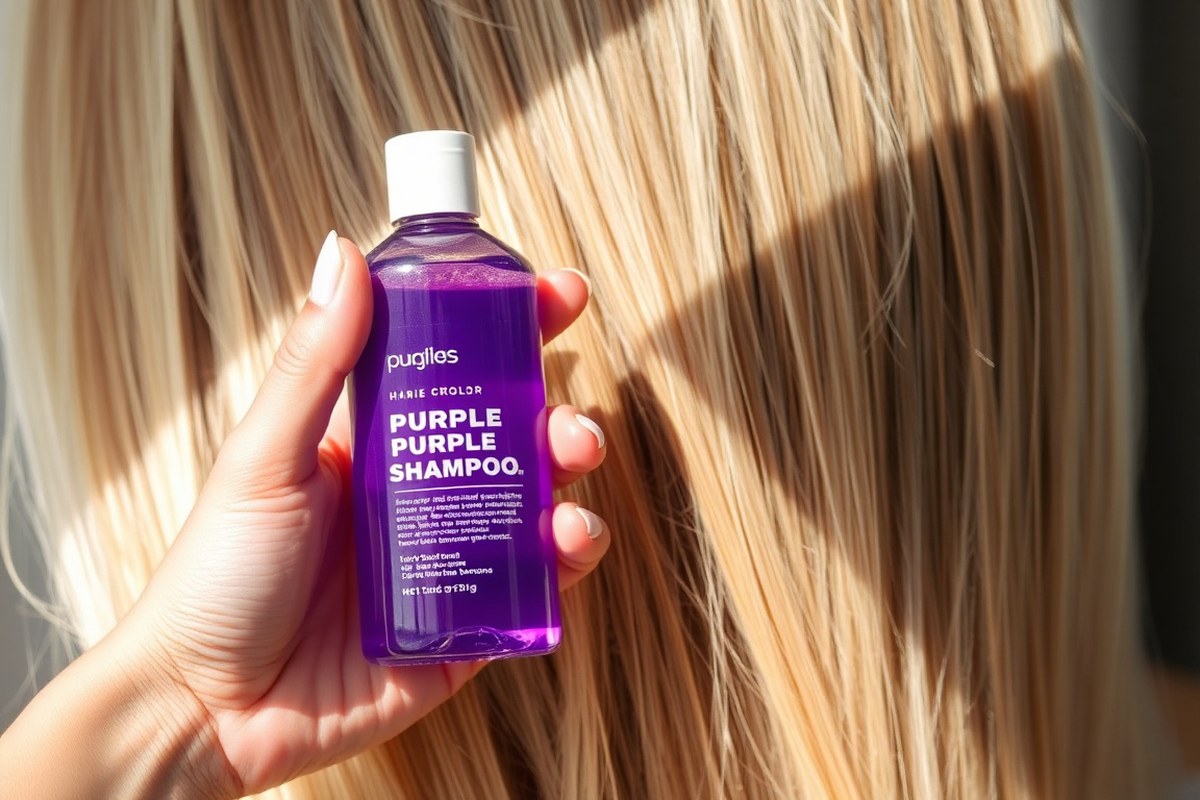
Purple shampoo works well to remove yellow and brassy tones from blonde, silver, or gray hair. It deposits violet pigments that cancel out the unwanted warmth in your hair color. This helps your hair look cooler and more balanced rather than yellowish or brassy.
You wash hair with regular shampoo first to clear oils and buildup. Then, apply purple shampoo and leave it on for up to five minutes.
This timing lets the pigments work to reduce yellow tones well. Using it once a week usually stops brassiness without too much pigment build-up.
Keep in mind that purple shampoo doesn’t remove your natural hair color or dye. It only works on yellow and light orange tones. So it won’t help if your hair has more orange-based brassiness.
Purple shampoo doesn’t work well on dark brown hair. Sometimes, it makes the hair look orange instead of yellow. Heavy lightening also changes how the shampoo works.
Good results show less yellow in your hair. The color looks cooler and softer. Your blonde or silver tones appear more natural.
Your hair might turn purple if you leave the shampoo too long. Use clarifying shampoo to wash it out.
This helps remove the purple color. This flips the unwanted purple tone back toward neutral.
Using purple shampoo is a simple and relatively inexpensive way to manage brassiness. Shampoos like Nº.4P Blonde Enhancer™ costs about $25 to $30. It lasts many washes with weekly use.
This makes it a good value for regular care. Too frequent use might dry your hair or add too much pigment. So stick to the recommended routine for your hair type.
How Purple Shampoo Neutralizes Yellow and Brassy Tones

The Science of Purple and Yellow Tones
Purple shampoo works because purple and yellow are opposite on the color wheel. When they mix, they cancel each other out.
Purple pigment reduces yellow hair brightness. It makes hair look more neutral.
This neutralizing effect stops yellow and brassiness from standing out. You won’t bleach or lighten hair with purple shampoo. Instead, it tones yellow down, making your hair look cooler and less warm.
How Purple Pigments Neutralize Brassiness
Purple shampoos contain violet dyes like Acid Violet 43 or Violet 2. These pigments coat your hair slightly to counteract yellow and gold tones. The violet tint blends with yellow undertones, making hair appear less brassy.
The pigment strength varies among shampoos. Stronger violet colors neutralize more yellow.
For example, Silver Steel Hair Bath uses Violet 2, known for strong toning power. Use deeper purple shampoo when yellow doesn’t fade.
Applying Purple Shampoo for Best Neutralization
To get the best effect, massage purple shampoo into wet hair evenly. Leaving it on 3 to 5 minutes gives the violet pigments time to tone yellow. Rinse thoroughly, but don’t overdo it as purple shampoo can dry hair if used too often.
Applying purple shampoo on towel-dried hair helps the pigments absorb better. Very porous hair absorbs pigment more quickly than normal hair.
So check frequently to avoid a purple tint. Balancing timing and frequency keeps your hair from looking dull or purple.
Factors Influencing How Well Purple Shampoo Works
The hair’s initial color, porosity, and product choice affect purple shampoo’s results. Blonde, gray, and highlighted hair respond best because of their yellow tones. Darker hair might shift warm tones slightly but usually needs blue shampoo for copper shades.
Build-up of styling products or uneven porosity can block the pigments from absorbing evenly. Clarifying hair before applying purple shampoo gives a smoother, more consistent tone. Sulfate-free formulas help avoid dryness and damage from frequent use.
What Good Neutralized Hair Looks Like
Neutralized hair appears softer, cooler, and less brassy. Yellow tones fade into subtle, natural blondes or silvers. Your hair looks less harsh, with no orange or gold highlights standing out too much.
Brassiness that stays after purple shampoo may mean you need a stronger toner or professional help. Don’t leave shampoo on too long.
Avoid using it too often. This stops dryness and purple stains.
Timing matters: keep purple shampoo on 3-5 minutes. Pause if your hair feels dry.
How to Use Purple Shampoo for Best Results by Hair Type
The best way to use purple shampoo depends on your hair’s porosity and shade. Timing and frequency matter to avoid unwanted purple or gray hues. Follow these steps to get the best results for your hair type.
Determining Your Hair Porosity and Shade
Hair porosity affects how well your hair absorbs the purple pigments. Highly porous hair soaks up color faster and might need less frequent use.
Hair shade also impacts how long you should leave purple shampoo on. Bleached or platinum blondes tolerate longer times than natural blondes.
Applying Purple Shampoo: Timing by Hair Condition
Use lukewarm water to wet your hair before shampooing. It opens the hair cuticles, helping the purple pigment settle in.
Leave purple shampoo on your hair for 3 to 5 minutes. This works best for lightened or gray hair. For natural blondes, 1 to 2 minutes is safer to avoid lilac staining.
Rinse thoroughly after the recommended time to prevent color buildup or dryness. Dry or damaged hair needs less time to avoid over-drying.
Recommended Frequency of Purple Shampoo Use
Highly porous or gray hair should get purple shampoo once every 1 to 2 weeks. This avoids over-toning and dryness.
Low porosity hair can handle once a week, especially if it’s natural or lightly colored blondes. Avoid daily use to keep hair healthy.
Use purple shampoo only sometimes on sun-warmed natural blonde hair. This helps reduce brassiness when needed. Follow these steps to apply purple shampoo correctly:
- Wet your hair with lukewarm water to open cuticles.
- Pour several capfuls of purple shampoo based on your hair length and thickness.
- Massage the shampoo evenly from roots to tips for full coverage.
- Leave the shampoo on for 1 to 5 minutes depending on your shade and porosity.
- Rinse thoroughly with cool water to close the cuticles and lock in shine.
- Repeat only if necessary, but avoid daily overuse to prevent dryness or purple tints.
- Follow with a conditioner or treatment to restore moisture.
Purple vs Blue Shampoo: Which Is Right for Your Hair?
Purple and blue shampoos are color toners, but they target different hair tones. Purple shampoo cancels out yellow and brassy hues in blonde, gray, and silver hair. Blue shampoo fights orange and brassy tones, mostly in brunettes and darker blondes.
Use purple shampoo if your hair is a medium blonde or lighter. Blue shampoo suits darker blondes and brunettes better because it neutralizes warmer, reddish hues.
Both work best if the hair is dull, dry, or damaged. But purple shampoo is more common for bleached or very light blonde hair.
Here’s a simple table to help you decide which shampoo matches your hair needs:
| Feature | Purple Shampoo | Blue Shampoo |
|---|---|---|
| Target Hair Colors | Blonde, gray, silver, white | Darker blonde, light brown, brunettes |
| Neutralizes | Yellow and brassy tones | Orange and brassy tones |
| Best Hair Condition | Dry, dull, bleached, high porosity | Normal to dark, less porous hair |
| Frequency of Use | Once every 1, 2 weeks (for porous hair) | Depends on color intensity, usually weekly |
| Common Brands | Olaplex No.4P, Bust Your Brass Blade | Few specialized options, check label |
| Potential Risks | May leave purple or pink tint if overused | May leave blue tint if left too long |
Checking your hair color on a scale can help. Hair at level 8 and above benefits most from purple shampoo.
Using it too often can cause a slight purple or blue tint. Blue shampoo may leave a blue cast on some hair tones if used excessively.
Both shampoos don’t lighten your hair color; they only tone it. Applying for about 2 to 5 minutes is typical, but follow the product directions.
Overusing either can cause unwanted colour casts. So adjust timing based on your hair’s reaction.
Common Mistakes with Purple Shampoo and How to Fix Them
Purple shampoo can leave your hair looking patchy or purple if you leave it too long. Most people make the mistake of applying it like regular shampoo and rinsing quickly. Let the shampoo sit for one to three minutes.
Time depends on your hair’s brassiness and thickness. Adjust it to get the best result.
Another mistake is using purple shampoo too often, which can lead to over-toning. Using it two or three times a week is enough for most blondes or grey-haired people. Daily use can dull your hair’s natural shine and cause that unwanted violet tint.
Sometimes, uneven application causes streaks or purple patches. Make sure to saturate all your hair evenly. Section your hair and apply the shampoo from roots to tips for balanced coverage.
- Don’t leave purple shampoo on for more than 5 minutes.
- Use it 2, 3 times per week, not every day.
- Apply on damp hair for better distribution.
- Saturate all sections evenly from roots to ends.
- Follow up with a good conditioner to prevent dryness.
- Rinse thoroughly with cool water to seal the cuticle.
- Stop use immediately if you notice irritation or rash.
Over-toned hair with a purple tint can look harsh or unnatural. To fix this, wash your hair with a gentle clarifying shampoo. This step helps remove excess purple pigment without stripping your hair.
Adding a small amount of deep conditioner after clarifying will restore softness. You can try a colour-depositing conditioner with warm tones.
This helps balance out the cool purple shade. It keeps your hair looking natural and soft.
Always monitor the timer when using purple shampoo to avoid purple tinges or stains.
Remember, purple shampoo won’t damage hair because pigment sits on the surface. Rinse quickly and follow the directions carefully.
This keeps your hair healthy and bright. Avoid leaving the shampoo on too long.
Risks and Safety Considerations When Using Purple Shampoo
Purple shampoo can clean your hair well while toning. Still, it may irritate your scalp if you have sensitive skin. This happens because purple shampoos often contain strong pigments and cleansing agents.
You should test purple shampoo on a small scalp patch first. Apply a tiny bit and wait 24 hours to check for redness or itching. Stop using the shampoo if you notice any irritation or burning.
Overusing purple shampoo can dry out your hair and cause dullness. Try limiting use to once or twice a week. Leave the shampoo on for just 3 to 5 minutes to avoid buildup or damage.
Avoid purple shampoo if your hair feels brittle or already damaged. It can make hair breakage worse in these cases. If your scalp is very dry or flaky, switch to a gentle, moisturizing shampoo.
Pregnant or breastfeeding people should consult their doctor before using purple shampoo. Some ingredients may not be safe during those times. Also, skip purple shampoo if you have any scalp infections or open wounds.
Color results may not always match your expectations. Purple shampoo can sometimes leave a slight violet tint or uneven tone. Start with a short application to see how your hair reacts before longer treatments.
Buying a quality purple shampoo usually costs between $8 and $25. Cheaper products may have harsher chemicals that increase risks. Read labels for ingredients like sulfates and parabens if your scalp is sensitive.
To keep your hair and scalp safe, rinse thoroughly after using purple shampoo. Follow up with a conditioner to lock in moisture. The right routine helps you avoid dryness and irritation over time.
Does Purple Shampoo Work on All Hair Types and Colors?
Purple shampoo works best on natural or dyed blonde and grey hair. The purple pigment cancels out yellow or brassy tones.
So your hair looks brighter and fresher. It helps both bleached and naturally light hair stay vibrant without harsh chemicals.
People with grey, white, or silver hair can also use purple shampoo to prevent yellowing. It leaves the hair looking shimmery and clean instead of dull or stained. Gentle formulas, like Ethique’s plastic-free purple shampoo bar, suit grey hair well and avoid damage.
Purple shampoo is safe for natural or non-blonde hair but may not show clear results. On brown or darker hair, brassiness looks more orange or red. Purple shampoo doesn’t neutralize these warm tones well.
It works best on yellow tones found in lighter hair. Blue shampoos work better on these tones because blue cancels out orange hues.
Dark brown or black hair benefits from color treatments instead. Try Pureology Color Fanatic Top Coat + Tone Hair Gloss. These help adjust tones purple shampoo can miss.
It’s designed for level 1 or 2 hair and tackles warmth more effectively than purple shampoo. Using purple shampoo on dark hair may only add subtle violet tones without fixing brassiness.
To use purple shampoo right, apply it to damp hair about once a week. Leave it on for 2 to 5 minutes depending on your hair’s porosity and color. Using purple shampoo too long or too often may cause dryness.
It can also leave a slight purple tint on light hair. Use it just as your hair needs it.
Always read product instructions and match purple shampoo to your hair’s shade and type. For blonde and grey hair, it keeps brassiness away and boosts shine. Brown and dark hair need color products made for their warm tones.
This helps avoid unwanted hues or orange tones. Matching product tone is important for best results.
How to Incorporate Purple Shampoo into Your Haircare Routine
Use purple shampoo alongside conditioner to keep your hair healthy and hydrated. Don’t rely on purple shampoo every day.
Mix it with your regular shampoo to avoid dryness. Salon treatments can improve toning and help maintain your cooler hair shade longer.
Pairing Purple Shampoo with Conditioners and Masks
Purple shampoo can dry out hair, so always follow it with conditioner. Use a purple conditioner for gentle toning and extra hydration. Regular deep conditioning masks help maintain softness and shine, especially if you use purple shampoo often.
Some brands offer matching purple shampoo and conditioner sets. For example, OLAPLEX® Nº.4P Blonde Enhancer™ Shampoo pairs with Nº.5P Conditioner. The conditioner contains less pigment but keeps your hair nourished and tones subtly.
Starting with purple shampoo alone is fine. Add conditioner once you know how your hair reacts. Conditioner balances dryness and keeps hair smooth without dulling the toner’s effect.
Scheduling Purple Shampoo with Regular Cleansing Routines
Use purple shampoo instead of your regular shampoo during toning washes.
Most people use purple shampoo 1 to 3 times per week. On other days, cleanse with your usual shampoo or a gentle formula like Olaplex Nº.4 Bond Maintenance® Shampoo. This routine avoids over-drying and keeps your hair healthy.
Purple shampoo is not for daily use. Its pigments build up over time.
Overuse can leave your hair purple or gray. Stick to the recommended frequency to maintain a natural tone.
- Wet your hair thoroughly with lukewarm water.
- Apply purple shampoo to the roots and tips.
- Massage gently for 2 to 3 minutes to spread pigment evenly.
- Rinse well with cool water to seal cuticles.
- Apply a matching purple or regular conditioner from mid-length to ends.
- Leave conditioner on for 2 to 5 minutes, then rinse.
- Use deep conditioning masks once a week for extra moisture.
- Alternate purple shampoo days with your normal shampoo to avoid dryness.
Don’t leave purple shampoo on too long. It can tint your hair unnaturally.
Maintaining Toning Results with Salon Options
Salon toning treatments refresh your hair color professionally. They remove brassiness more deeply than purple shampoo alone.
Visit the salon every 6 to 8 weeks. This keeps blonde or gray hair vibrant.
Salons often use stronger toners that don’t dry hair like purple shampoos sometimes do. Combining salon visits with at-home purple shampoo extends your cool tone longer. This cuts down on how often you need professional touch-ups.
Consider asking your stylist for toner recommendations that complement your purple shampoo routine. Some salons sell professional purple shampoos and conditioners. These are often gentler and work better than drugstore brands.
Step-by-Step Action Plan for Using Purple Shampoo
Follow these steps to make purple shampoo work best for you. Watch how your hair changes over time to see the effects.
- Before You Start: Read the shampoo label carefully. Do a patch test on a small hair strand first. This helps avoid unwanted reactions. Look for any irritation or unwanted color.
- Day 1: Use purple shampoo on damp hair. Leave it on for 2 to 3 minutes. Rinse well and check if yellow tones feel less bright.
- Week 1: Use purple shampoo twice a week if your hair is very brassy. Adjust time up to 5 minutes if needed.
- After 2 Weeks: Evaluate your hair color. When brassiness fades, cut shampoo use to once a week to prevent dryness.
- Week 3: Add a good conditioner after purple shampoo each time. It keeps your hair soft and balanced.
- Month 1: Switch to blue shampoo if your hair turns too purple or cool-toned. Blue works better on darker hair shades.
- Ongoing: Adjust your routine by season or sun exposure. More sun might mean using purple shampoo a bit more often.
- When Hair Feels Dry: Take a break or use a deep conditioner. Overuse can dry out some hair types.
Frequently Asked Questions
Why Do Hairdressers Say Not to Use Purple Shampoo?
Hairdressers say not to use purple shampoo too often because it can dry out your hair. Overuse can cause buildup and dull your color. Use it only as often as your hair type allows for best results.
What Are the Cons of Purple Shampoo?
Purple shampoo can dry or irritate sensitive scalps and damage very porous hair. It might leave a purple tint if left on too long. Use the product carefully and follow instructions to avoid these issues.
How Long Will It Take for Purple Shampoo to Work?
Purple shampoo usually works within 3 to 5 minutes on wet hair. You’ll see brassiness reduce and cool tones emerge after rinsing. Adjust timing based on your hair’s shade and porosity for best results.
When Should You Not Use Purple Shampoo?
Avoid purple shampoo on very dark hair or unbleached hair. It won’t show effects on these hair types.
It may also cause staining. Also skip it if your hair feels dry or damaged and use sparingly on sensitive scalps.
Does Purple Shampoo Work on Natural Blonde Hair?
Yes, purple shampoo works on natural blonde hair by neutralizing yellow tones. Using it once a week can keep your blonde looking bright without drying your hair.
Can Purple Shampoo Remove Yellow Tones in Grey Hair Quickly?
Purple shampoo can tone yellow brassy hues in grey hair in just 3 to 5 minutes. Regular use keeps grey shades bright but avoid overuse to prevent dryness.
The Bottom Line
Purple shampoo does work to fight brassiness when you use it right. Watch how your hair responds and adjust your routine as needed. Start by finding the right timing and conditioner to keep your hair healthy and bright.