How Does Dry Shampoo Work? A Complete Guide for Fast, Fresh Hair
How does dry shampoo work? It quickly soaks up oil and sweat without water.
It uses powders or absorbent ingredients to grab grease at your scalp. This leaves your hair looking fresher and less greasy in minutes.
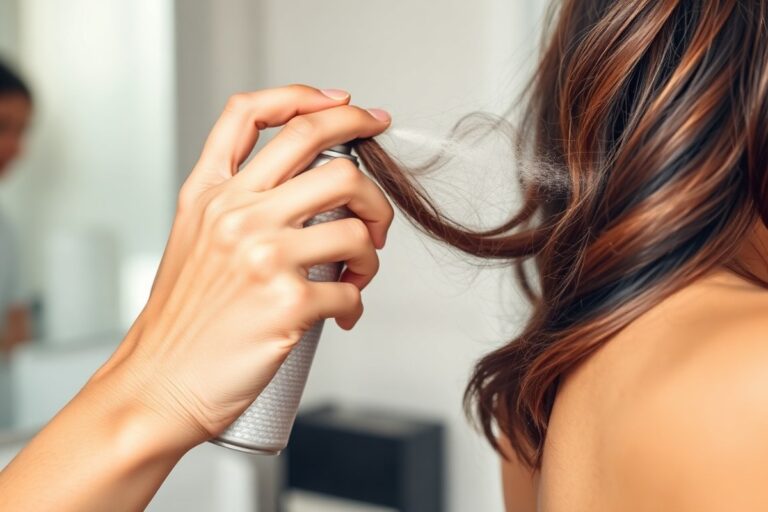
To get it right, hold the can about 6 inches from your scalp. Spray directly onto oily roots, not your ends, to soak up excess oil where it builds. Shake the can well before use to mix the ingredients evenly.
Dry shampoo works best when you use just enough to cover oily spots. Avoid spraying too close or you’ll get white residue on your hair. Let it sit a minute, then rub or brush lightly to blend away powder.
Key Takeaways
- Hold the dry shampoo about 6 inches away from your scalp before spraying.
- Always spray dry shampoo directly on oily roots, not on dry hair ends.
- Shake the can well to mix the absorbent powders evenly before use.
- Use just enough dry shampoo to cover oily spots to avoid residue.
- Let the product sit on your scalp for a minute before brushing out.
- Do not spray too close to the scalp to prevent white powder buildup.
How Dry Shampoo Absorbs Oil Without Water

Dry shampoo works by trapping oil on the scalp without water. It has starch or powder that soaks up grease and sweat. This stops hair from looking shiny and oily.
The powder helps your hair appear cleaner quickly. These ingredients stick to oily spots on your scalp.
They pull extra oil away from hair strands. This makes your hair look less greasy.
The main ingredients in dry shampoo usually include rice starch, corn starch, or talc. These powders act like tiny sponges, absorbing oil and sweat quickly. Alcohol is added to dry the product quickly.
This helps leave less residue on your hair. It makes your hair feel lighter after use.
This product does not need water because it doesn’t wash away oil like regular shampoo. Instead, it masks oil by absorbing it, so your hair looks fresher. Spray or sprinkle the product on your hair.
Wait about a minute for it to work. Then brush out the white powder for less grease.
Types of Dry Shampoo and Their Differences

Dry shampoos come in three main types: aerosol sprays, powder forms, and non-aerosol versions. Each uses different ingredients and delivery methods that suit various hair needs and preferences.
Choosing the right type depends on your hair texture and lifestyle. You should also consider concerns about ingredients or environmental impact.
Aerosol Sprays
Aerosol dry shampoos use a spray nozzle. They release fine particles of starch or alcohol-based formulas on roots.
They usually work well for quick application and can cover large areas evenly. Spraying from about 6 inches away helps spread the product without clumping or white residue.
Aerosol sprays can sometimes leave a powdery buildup. They may also dry out the scalp due to alcohol content.
People concerned about spray particles in the air or environmental issues might prefer other types. Many brands add scalp-nourishing ingredients to reduce dryness, but it varies by product.
Powder Dry Shampoos
Powder forms contain absorbent ingredients like talc, rice, or cornstarch. You typically apply powder dry shampoo by sprinkling it on. Then use a brush to work it into the roots.
This type can be less messy. It gives you more control over how much product you use.
Powders are great if you want to avoid aerosols and prefer a natural option without propellants. They sometimes create a visible residue, especially on dark hair. So tinted powders tuned to your color are available.
They absorb oil by acting like a dry sponge. This soaks up your scalp’s excess moisture.
Non-Aerosol Alternatives
Non-aerosol dry shampoos come as creams, foams, or pastes that you apply by hand. These often contain starch combined with moisturizing or scalp-friendly ingredients.
They don’t aerosolize powder or alcohol. So they tend to be gentler on sensitive scalps.
These alternatives suit people avoiding sprays or powders. They prefer a product that nourishes while cleaning. You need to massage this product into your roots.
Do this for a minute or two to absorb oil fully. They usually cost a bit more but can reduce residue and dryness.
Below is a table that compares dry shampoo types. It covers formulation, use, and common pros and cons. This overview helps match the dry shampoo form to your hair care needs and preferences.
| Type | Main Ingredients | Application | Pros | Cons |
|---|---|---|---|---|
| Aerosol Sprays | Alcohol, starch powders with propellants | Spray from 6 inches onto roots | Quick, even coverage; easy to use | Can dry scalp; spray particles; residue |
| Powder Dry Shampoos | Talc, rice starch, cornstarch | Sprinkle or brush into roots | No aerosols; natural feel; good for control | Visible residue on dark hair; less quick |
| Non-Aerosol Alternatives | Starch, moisturizing ingredients, creams or foams | Massage cream or foam into scalp | Gentle on scalp; nourishes hair; no spray | Requires massage time; usually higher cost |
Test a small area first to avoid buildup or irritation. This helps prevent visible buildup and scalp issues.
The choice between spray, powder, or cream depends on your hair type and routine. Sprays suit fast fixes and larger hair volumes.
Powders offer natural options that let you control amounts and avoid propellants. Non-aerosol forms treat sensitive scalps and add moisture while absorbing oils.
Step-by-Step Guide to Applying Dry Shampoo Correctly
To apply dry shampoo right, section your hair first. Spray from 6 to 10 inches away from the scalp. This keeps the product spread evenly.
Wait 1 to 2 minutes before massaging it in. Brush to spread the product evenly and remove any white residue for a natural look.
Preparing Your Hair
Start with completely dry hair because dry shampoo won’t work well on damp hair. Divide your hair into four parts to reach the scalp easily. This helps you spray the product exactly where you need it most.
Focus on areas that feel greasy or oily, typically the roots near the crown and hairline. Avoid spraying all over unless you have very oily hair. Shaking the dry shampoo can before use mixes the ingredients evenly.
Applying the Product
Hold the spray bottle 6 to 10 inches from your scalp. This helps avoid clumping or white patches. Spray lightly for best results.
Spray briefly, a few short bursts per section, instead of a long stream. Applying a little at a time makes it easier to control coverage.
After spraying, wait about 1 to 2 minutes to let the product absorb oil. Use your fingertips to massage your scalp thoroughly. This breaks down residue and distributes the powder evenly.
Finishing and Styling Tips
Brush through your hair gently to remove leftover powder and smooth the hair. Use a boar bristle brush for fine hair or a wide-tooth comb for curls. This step blends the product so no white streaks show.
Style as usual. But avoid applying dry shampoo on damp hair or right before heat styling tools. For thick or curly hair, use lighter sprays.
Focus on spraying the scalp only. This stops your hair from drying out.
Limit dry shampoo to 1 or 2 days between washes. Overusing it may dry out your scalp and cause itching or residue buildup.
- Shake the can well to mix the ingredients.
- Section your hair into four parts for better reach.
- Hold the spray bottle 6 to 10 inches away from the scalp.
- Spray a few short bursts to each oily area, focusing on roots.
- Wait 1 to 2 minutes to let it absorb oil fully.
- Massage your scalp with fingertips to spread the powder evenly.
- Brush through hair to remove visible residue and blend product.
- Style hair as usual, avoiding damp hair and heat tools right after.
How Long Dry Shampoo Takes to Refresh Hair
Dry shampoo usually takes around 5 to 10 minutes to start soaking up oil. This wait time lets the product absorb moisture and refresh your hair. For best results, give it a few minutes before styling or touching your hair.
Some dry shampoos use powders that soak oil faster. Others rely on alcohol-based formulas that evaporate quickly. Powder types might need more time to settle, sometimes up to 10 minutes.
Alcohol-based sprays can feel dry in 2 to 3 minutes. They may not soak in deeply, though.
Your hair type changes how quickly dry shampoo works. Oily hair tends to absorb the product faster because there’s more oil to grab. People with dry or textured hair sometimes use dry shampoos made just for them.
These might take a bit longer and provide a gentler finish. Dark hair might show residue faster.
Wait until the product fully blends before going out. You can also choose a formula made for dark colors.
Waiting longer than 10 minutes usually doesn’t improve how well dry shampoo works. After the initial absorption, the product has done its job. Leaving it on for hours can cause buildup, making hair feel heavy or look dull.
Lightly massage your scalp after the product dries for extra volume. This helps spread the product evenly.
Is Dry Shampoo Safe? Risks and Scalp Health
Dry shampoo itself doesn’t cause hair loss. But if you use it too much, residue can build up on your scalp. This buildup might clog hair follicles and cause inflammation, which can lead to temporary hair shedding.
Washing your hair as needed supports a healthy scalp. Avoid wearing dry shampoo on your scalp longer than two days. Cleaning with regular shampoo washes away buildup and keeps your scalp fresh.
Scalp irritation is a common sign of overusing dry shampoo. You might notice itchiness, dryness, or flaky skin.
These symptoms mean your scalp is reacting to too much product. So stop using dry shampoo and wash your hair thoroughly.
Experts recommend using dry shampoo sparingly. It’s fine to use between washes.
But don’t skip washing hair for weeks by relying on dry shampoo alone. Overuse can dry out your scalp, cause dandruff, and even weaken hair follicles over time.
There’s no direct evidence that dry shampoo is unsafe during pregnancy. However, you should use it gently and follow the instructions. You might want to check with your healthcare provider before using it often, especially if your scalp is sensitive or you have concerns.
Do not use dry shampoo every day. Give your scalp time to breathe by washing hair regularly.
People with dry, curly, or sensitive scalps may need to use dry shampoo more carefully. These hair types tend to get dehydrated or develop buildup faster. Start with small amounts and see how your scalp reacts before regular use.
Dry shampoo makes hair look cleaner by absorbing oils but does not actually clean the scalp. It’s a temporary fix, not a replacement for washing. Using only dry shampoo without water and cleansing can cause scalp issues and dull hair.
Choosing the Right Dry Shampoo for Your Hair Type
Picking the right dry shampoo depends on your hair type. Think about texture, color, and scalp sensitivity. Also, consider what you need it to do.
Match the formula to your oily or dry roots. Choose one for curly or straight hair.
Pick tinted versions if your hair is colored. The right product can add volume, freshen your scalp, and keep your style looking good longer.
Hair Texture Considerations
Look for dry shampoos that soak up oil quickly for oily hair. They often contain ingredients like charcoal to trap oil and refresh your roots.
For dry hair, choose a gentle shampoo with aloe. This stops extra dryness and scalp irritation.
Curly hair needs a dry shampoo that won’t weigh curls down or cause buildup. Choose lighter sprays or powders designed for curly or coarse hair. These keep curls bouncy and can add just enough texture without stiffness or residue.
Color-Treated and Sensitive Scalps
Colored hair benefits from tinted dry shampoos matched to your hair shade. These dry shampoos avoid white powder on hair.
They cut down on washes that fade hair color. Applying a small amount first helps prevent any temporary discoloration or buildup.
Look for dry shampoos without talc or harsh chemicals for sensitive scalps. Ingredients like bamboo and aloe soothe irritation while absorbing oil gently. Avoid formulas with strong fragrances to prevent itching or redness.
Special Formulations and Ingredients
Some dry shampoos add volume and texture, which works well for fine or limp hair. Using them in the morning can create grip for styling updos or braids. Volumizing sprays can cost $10 to $20 and last weeks with regular use.
Natural ingredients like bhringaraj or charcoal offer extra scalp care benefits beyond oil absorption. They can improve scalp health and reduce buildup over time. Read the ingredient list to find products that fit your hair and likes.
Common Dry Shampoo Mistakes and How to Fix Them
White flakes appear from using too much dry shampoo. Spraying too close to your scalp also causes flakes. Keep some distance and use less product.
Powder like rice starch may sit on hair strands if not spread well. For dark hair, tinted dry shampoos prevent chalky residue from showing.
Greasy buildup forms when you use too much dry shampoo. Not washing your scalp regularly makes it worse. Use water and shampoo to clean your scalp often.
The dry shampoo mixes with oil and dirt, causing flakes or a dull look. To fix this, shampoo your hair fully every few days to reset and remove buildup.
Dull or flat hair usually means uneven application or too much product on one spot. Fix buildup by gently brushing your scalp. You can also massage the powder in to spread it.
This helps the dry shampoo blend better. Then blow dry your roots on a cool setting to lift hair and remove leftover powder.
- Spray dry shampoo 6 to 8 inches from your scalp to avoid clumps.
- Use only a few quick sprays on each area; don’t soak your roots.
- Wait 5 minutes before styling to let the powder absorb oil.
- Brush gently or massage the scalp to distribute powder evenly.
- Blow dry with cool air to remove excess powder and lift roots.
- Use tinted dry shampoo for dark hair to avoid visible residue.
- Wash hair with shampoo and water every 2 or 3 days to clear buildup.
Applying dry shampoo correctly keeps your hair fresh without looking powdery or weighed down. The powder’s job is to soak up oil, not coat the hair. Watch how much dry shampoo you apply each time.
Blend the powder well into your hair and scalp. This prevents white dust or greasy feeling.
Your hair looks grainy or sandy after dry shampoo use. You probably put on too much product. Try using less next time.
Brushing out excess powder or blow drying on cool air helps remove it. For curly hair, avoid brushing dry shampoo after application to keep curls from getting frizzy.
When to Use Dry Shampoo and When to Wash Hair Instead
Use dry shampoo when your hair isn’t dirty but looks oily. It’s best for people washing their hair every two to three days. Apply it on day two to soak up oil and refresh your style without water.
Dry shampoo helps after workouts or on busy days when washing takes too long. It can preserve hairstyles and soak up excess sweat or oil quickly. However, it doesn’t clean your scalp, so you can’t rely on it daily.
When your scalp starts to itch, flake, or smell, wash your hair right away. These signs mean buildup from oil, dead skin, and product has started to cause irritation. Regular shampoo and water remove this buildup and keep your scalp healthy.
A simple rule: use dry shampoo no more than once or twice between washes. Going too long without washing causes dry shampoo to lose its power. Skip washing for more than three days only if your scalp stays comfortable and fresh.
Remember, dry shampoo doesn’t replace washing. Your scalp needs a proper cleanse to avoid dandruff or irritation. Heavy roots or dull hair after dry shampoo means it’s time to wash.
Rinse your scalp with water and shampoo every two or three days. This keeps your scalp healthy and stops dry shampoo and oil buildup.
Step-by-Step Action Plan to Master Dry Shampoo Use
Follow these simple steps to refresh your hair with dry shampoo effectively. You’ll see oil absorption and a cleaner feel without shampooing.
- Before you start: Choose a dry shampoo that fits your hair type. Check for oil-absorbing ingredients and avoid powders if you have a dry scalp.
- Day 1: Shake the bottle well. Spray or sprinkle it about 6-8 inches from your roots to cover oily spots evenly.
- Within 2 minutes: Let the dry shampoo sit to absorb oil. You should notice a matte finish as it works.
- After 3 minutes: Massage your scalp gently with fingers or a brush. This helps distribute the product and remove residue.
- After 5 minutes: Style your hair as usual. It should feel lighter and fresher without that oily or heavy look.
- Use daily or every other day: Wash your hair with water and shampoo every 2-3 days. Overusing dry shampoo can cause buildup, so avoid it unless your scalp needs less.
- Weekly: Use regular shampoo once a week to deep cleanse your scalp. This helps remove buildup from dry shampoo and keeps your scalp healthy.
- Adjust if needed: If your scalp itches or feels dry, cut back on dry shampoo. Try switching to a gentler formula to avoid irritation.
Frequently Asked Questions
How Does Dry Shampoo Work to Reduce Oiliness?
Dry shampoo absorbs excess oil from your hair without water. It refreshes hair by soaking up grease mostly at the roots.
Can Dry Shampoo Damage Hair with Frequent Use?
Frequent use may cause buildup and scalp irritation over time. It’s best to wash your hair regularly to avoid issues.
Why Should I Hold the Dry Shampoo Can About 6 Inches Away?
Holding it 6 inches away sprays a fine mist evenly on your roots. This distance avoids clumping and white residue on hair strands.
How Often Should I Use Dry Shampoo Before Washing My Hair?
Use dry shampoo to extend days between washes, but not daily. A clarifying wash is needed weekly to remove buildup.
What’s the Difference Between Spray and Powder Dry Shampoo?
Spray dry shampoo offers easy, quick application with minimal mess. Powder allows targeted use, ideal if you want less airborne particles.
Can Dry Shampoo Refresh Curly Hair Effectively?
Yes, but application differs; you might need more careful spraying. Use less product and distribute evenly to avoid stiffness.
Wrapping Up
Dry shampoo works by soaking up oil, giving your hair a cleaner look without water. Use it carefully to avoid buildup and scalp issues. Try it today on your next oily hair day and feel the difference.