
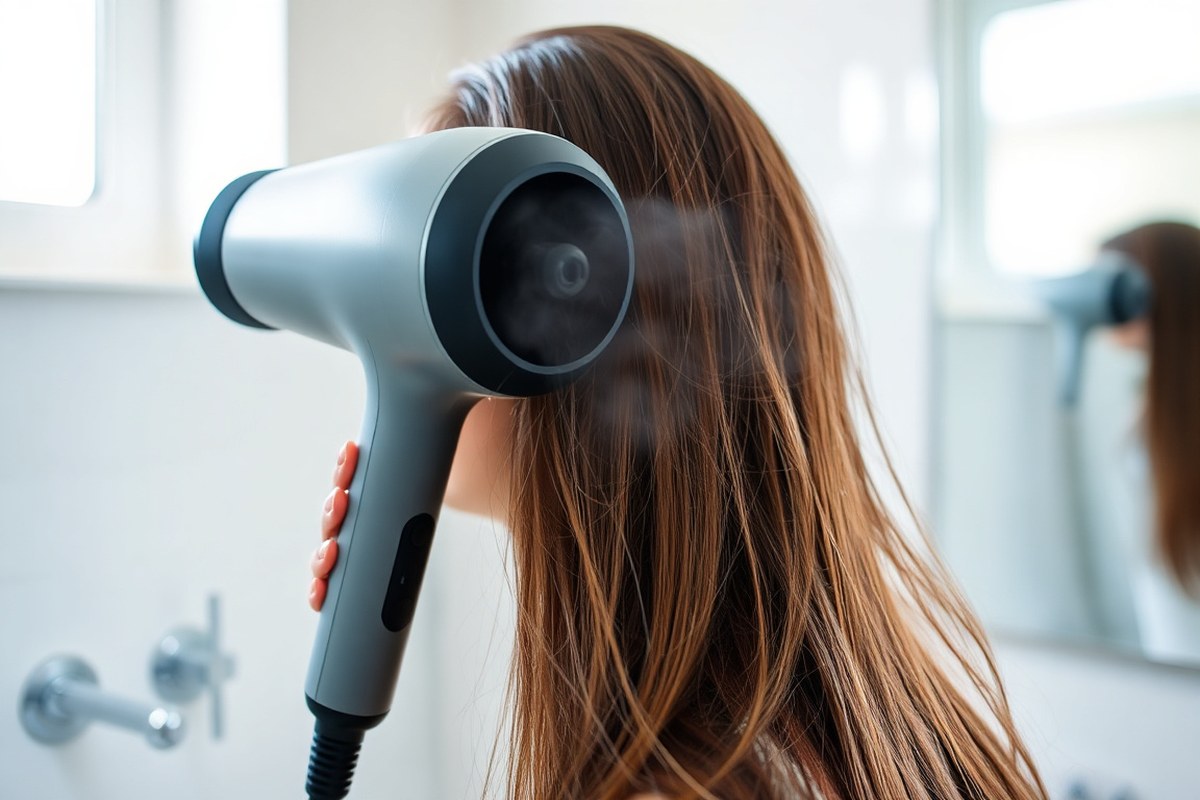
How Does a Blow Dryer Work? A Complete Guide to Hair Drying Power
How does a blow dryer work? It uses electricity to power a small motor and a heating element.
The motor blows air across the element, which warms the air before it hits your hair. This warm air evaporates water from your hair, speeding up drying.
The heating element usually is a nichrome wire, made of nickel and chromium. Air passing over it heats to around 60°C to 160°C. But cools before touching your hair. This mix prevents burning while still drying efficiently.
Most hair dryers include a safety cut-off that stops overheating beyond 60°C. This helps protect your scalp and the device. Starting your dryer on low heat saves your hair from damage and uses less energy.
Key Takeaways
- A blow dryer converts electricity into warm air via a motor and heating wire.
- Air temperature ranges from 60°C to 160°C but cools slightly when drying hair.
- The nichrome wire element heats efficiently without exposing hair to extreme heat.
- Safety switches prevent the dryer from overheating past 60°C to avoid burns.
- Starting with low heat settings reduces hair damage and prolongs styling time.
- Regular cleaning prevents lint buildup, which can cause overheating and failure.
How a Blow Dryer Turns Electricity into Warm Air
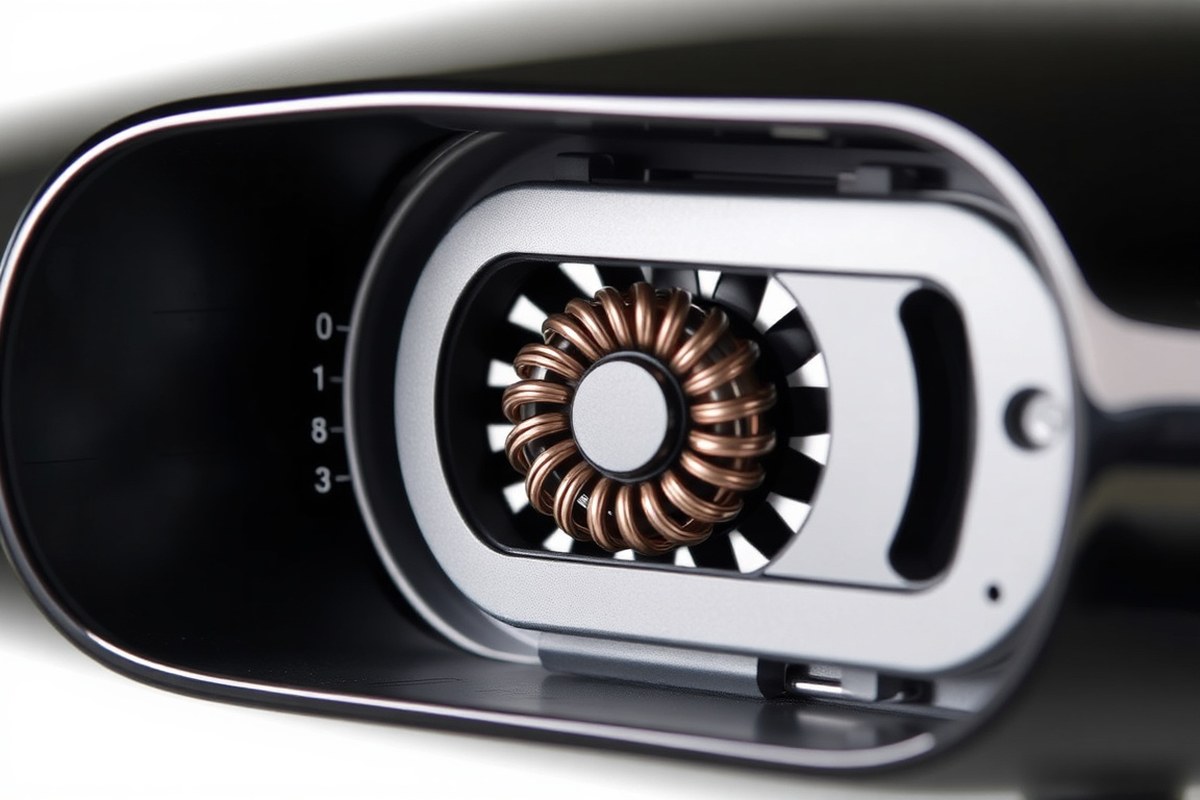
A blow dryer changes electricity into warm air using a simple system. It has a motor with a fan and a heating element inside. These parts work together to pull in air, heat it, and blow it out fast.
The motor spins the fan to draw in air from outside. Air flows over a heating element to warm up. This element is usually a thin wire coil.
It heats up when electricity passes through it. This warms the air before the fan pushes it through the nozzle and into your hair.
This process heats the air to around 140°F to 160°F (60°C to 70°C) in many dryers. The warm air evaporates the water in your hair quickly. Using electricity to power both fan and heat makes a blow dryer efficient and portable.
- Turn on the blow dryer to start electrical flow.
- Power reaches the electric motor, spinning the fan blades.
- The fan pulls air through the air intake and filter.
- The air blows over the heating element that converts power into heat.
- Heated air moves through the dryer’s nozzle, focusing the stream.
- Air exits, warming your hair and evaporating moisture.
- Settings adjust motor speed and element heat for hair types.
- Thermostats monitor temperature, preventing overheating and protecting parts.
| Component | Job | Why It Matters |
|---|---|---|
| Motor | Spins the fan | Drives airflow and other functions |
| Fan | Draws in and pushes air | Creates airflow to dry hair |
| Heating Element | Warms the air | Raises air temperature to evaporate water |
| Air Intake / Filter | Pulls ambient air in | Keeps airflow clear and steady |
| Nozzle | Directs airflow | Focuses heat to style efficiently |
| Switches / Settings | Control heat and speed | Adjusts for hair type and style needs |
| Thermostat / Safety Parts | Prevent overheating | Protect the dryer and user |
Good airflow keeps the hair dryer from overheating. A clogged filter blocks the air and slows the fan. This causes less airflow.
The heating element then gets hotter than it should. Proper maintenance includes cleaning the air intake to keep air moving freely.
Why Airflow and Heat Together Dry Hair Fast

Hair dryers speed up drying by pushing warm air across wet hair. The motor-driven fan forces air to flow at rates well over 10 mph through the device. The airflow moves moisture away from your scalp and hair.
It stops water from just sitting on your hair strands. This keeps your hair from feeling heavy or wet for long.
Heat is key but not everything. The heating coil warms the air to 140°F to 160°F. This heat raises the surface temperature of your hair. It helps dry your hair faster and more evenly.
This promotes evaporation by giving water molecules enough energy to change into steam. The warm air carries this steam away, letting more moisture escape.
Air movement combined with heat works like forced convection. Airflow replaces the humid air next to wet hair with drier, warmer air constantly. This never lets moisture build up close to your hair.
So evaporation keeps going at a fast pace. Without strong airflow, heated air would saturate with water vapor and slow drying down.
Keep the dryer 15 to 20 centimeters away from your hair. This distance stops your hair from getting too hot. It also keeps the airflow strong enough to dry well.
Keeping the dryer moving as you work spreads the heat evenly over all your hair. This stops hot spots that can cause damage or uneven drying.
Start by towel-drying to remove extra water, then use moderate heat and steady airflow.
Warm air evaporates water faster than room temperature air. At 100°C, steam occupies about 1,500 times more space than liquid water. This expansion helps carry moisture off your hair quickly.
A good dryer has a nozzle to focus the air. This directs airflow exactly where you need it.
It helps style your hair more easily and quickly. This concentrates drying power and reduces time spent.
Some dryers have sensors that adjust heat and airflow during drying. They measure moisture and hair type.
So they don’t overheat fine strands or underdry thick hair. These smarter systems help you dry faster while protecting your hair’s health.
Comparing Blow Dryer Technologies: Ionic, Ceramic, and Tourmaline
Blow dryers use different technologies for heating air and managing hair frizz. Standard coil heating is common.
Ionic, ceramic, and tourmaline technologies improve drying and hair smoothness. Each works best for different hair types and styles.
Standard Resistive Coil Dryer’s Characteristics
Most hair dryers use a resistive coil to produce heat. Electricity passes through the coil, which heats up to about 300°C to 600°C. A fan pushes air over this coil, blowing warm air to dry your hair efficiently.
This method heats air quickly but can create uneven temperature spots. It suits normal hair if you adjust the heat properly. Overuse or too-high settings can cause damage or dryness.
Ionic Technology and Its Effects
Ionic blow dryers emit negative ions to counteract static electricity in wet hair. These ions break down water molecules faster, reducing drying time by up to 50%. They lower frizz and leave hair smoother, especially for thick or coarse hair.
Negative ions neutralize the positive charge in hair strands, helping them stay flat and shiny. Ionic dryers need less heat, which minimizes damage risk. They’re a good choice if your hair frizzes easily or takes long to dry.
Benefits of Ceramic and Tourmaline
Ceramic dryers heat the air evenly by coating the heating element with ceramic material. This helps avoid hot spots and protects hair from intense heat spikes. Ceramic is gentle, so it suits fine or damaged hair well.
Tourmaline is a crystal that emits even more negative ions than other technologies. It combines with ceramic to speed drying and reduce frizz. Tourmaline dryers usually cost more but give better shine and softness for all hair types.
Here’s an easy way to compare these dryer types. It helps you choose the best one. Use this to find the right dryer for your hair.
| Technology | Main Function | Best Hair Type | Drying Speed | Frizz Control | Typical Price Range |
|---|---|---|---|---|---|
| Standard Resistive Coil | Heats air by electricity resistance | Normal hair | Moderate | Low | $15 – $40 |
| Ionic | Emits negative ions to reduce positive static | Thick, coarse, frizzy hair | Faster (up to 50% quicker) | High | $30 – $100+ |
| Ceramic | Even heat distribution through ceramic coating | Fine or damaged hair | Moderate to fast | Moderate | $30 – $90 |
| Tourmaline | Releases ions from crystal combined with ceramic heat | All hair types | Fast | Very high | $50 – $150+ |
Choosing the right dryer depends on your hair type and budget. Ionic and tourmaline dryers save drying time and fight frizz best.
Ceramic dryers help protect delicate hair with gentle heat. Regular coil dryers work fine but don’t offer ionic benefits.
What Determines Drying Time and Efficiency?
The time it takes to dry your hair depends on several factors. Wattage plays a role, but it’s not the only thing to consider. A blow dryer with 1,800 watts can dry hair fast.
It may dry quicker than a 2,000-watt dryer. Better airflow and motor strength make the difference.
Motor strength moves air through the dryer. A strong motor means higher airflow, which carries wet air away faster. Heat and airflow work together to evaporate water from your hair efficiently.
Weak airflow stops hair from drying fast. High heat alone won’t help.
Hair type also affects drying time. Fine hair dries faster and needs less heat.
Thick or curly hair takes longer and benefits from a higher temperature and more airflow. Adjust your dryer’s speed and heat settings based on your hair’s texture to avoid damage.
- Higher wattage usually means more heat but needs strong airflow to be effective.
- Motor power controls how much air flows through the dryer.
- Good airflow design includes well-shaped fan blades and vents for smooth air movement.
- Fine hair dries faster; use lower heat to avoid damage.
- Thick or curly hair dries slower and may need higher heat and airflow.
- Switch settings control airspeed and temperature, letting you customize drying.
The design of the airflow path inside the dryer affects efficiency, too. Better airflow design pushes more air directly over your hair.
This keeps moisture away so fresh, warm air keeps speeding up drying. Poor design wastes power and takes more time.
Thick or long hair needs more power from a dryer. Strong airflow helps too. Choosing these features is a smart move.
It cuts drying time and reduces heat exposure risks. Fine or straight hair dries well with moderate power.
A dryer with good airflow offers better control. It uses less energy too.
How to Use a Blow Dryer Without Damaging Your Hair
Blow dryers can damage your hair if used incorrectly, mainly due to excessive heat. You can avoid damage by using heat protectants on your hair. Keep the dryer at a safe distance from your head.
Choose the right temperature for your specific hair type. Simple steps help keep hair healthy and shiny.
Pre-Dry Hair with a Towel for Less Heat Exposure
Wet hair is fragile, so start by gently removing excess water with a towel. This reduces the time you need to expose hair to heat from the dryer. Avoid rough rubbing since that can cause breakage and frizz.
Pat your hair dry or wrap it in a soft microfiber towel for better water absorption. This step lowers drying time and prevents over-drying your strands.
Use Moderate Heat and Keep the Dryer Moving
Set the blow dryer to moderate heat, especially if you have fine or damaged hair. Hold the dryer about 6 to 8 inches from your head. This distance helps prevent burning your hair cuticles.
Keep it far enough to stay safe. Holding the dryer closer can cause heat damage.
Don’t keep the heat focused on one spot. Move the dryer around constantly to spread heat evenly and reduce risk of hot spots. Thick or curly hair might need higher heat but still benefit from this method.
Apply Heat Protectant Sprays and Finish with Cool Shots
Before blow drying, spray a heat protectant evenly through damp hair. These sprays create a shield that helps prevent heat penetration and cuticle damage. They usually cost between $10 and $20 and last many uses.
After drying, switch the dryer to cool air and blast your hair for 30 seconds. This cool shot helps seal the hair cuticle and adds shine. It reduces the chance of frizz and helps your style last longer.
Follow these steps to dry your hair safely and effectively:
- Gently pat your hair with a towel to remove extra water.
- Apply a heat protectant spray evenly throughout your damp hair.
- Set the blow dryer to moderate heat; lower the heat for fragile hair.
- Hold the dryer 6 to 8 inches away from your hair.
- Keep the dryer moving across your hair; avoid staying on one spot.
- Focus on drying roots first, then move to ends for even drying.
- Use the cool shot setting at the end to seal the hair cuticle.
Always keep your blow dryer moving to prevent heat buildup and hair damage.
Essential Safety Features Built into Modern Hair Dryers
Hair dryers have built-in safety features to avoid burns, fires, and electric shocks. A bimetallic strip cuts power if the internal temperature goes above about 60°C (140°F). This switch bends when hot, breaking the electrical circuit to cool the device down.
A thermal fuse acts as backup when the bimetallic strip fails. This fuse cuts power permanently if the temperature reaches unsafe levels. These features protect the motor and heating element from damage and reduce fire risk.
Using a hair dryer near water raises shock risks. Since 1991, U.S. Law requires all portable blow dryers to include Ground-Fault Circuit Interrupter (GFCI) protection.
GFCI detects tiny electrical leaks caused if water enters the dryer or outlet. It shuts off power within milliseconds, reducing shock danger.
Still, never use a hair dryer inside or close to water. Even with built-in protections, shocks can happen if water and electricity mix.
- Bimetallic strip shuts off power above 60°C (140°F)
- Thermal fuse disables power permanently at high temperatures
- GFCI cuts power instantly on electrical leakage near water
- Plastic casing and insulated wiring prevent electric shocks
- Double wiring protects internal parts from wear and shorts
- Automatic shutoff if airflow clogs or motor overheats
Watch for signs your dryer is overheating. A burning smell is one sign. Excess heat outside the nozzle is another warning.
Unplug it immediately when you notice these signs. Overheating suggests internal breakers might have failed or dust is blocking airflow.
Proper design and quality parts also help keep you safe. Manufacturers use heat-resistant plastic and cover wiring with insulation to prevent shocks. Many blow dryers include automatic shutoffs if the motor gets too hot or airflow is blocked.
Cleaning and Maintaining Your Blow Dryer for Long Life
Your blow dryer needs regular cleaning to work well and last a long time. Clean it every 2 to 4 weeks, depending on how often you use it. Dust and hair can block the air intake screen, which slows airflow and overheats parts.
Start by unplugging your dryer. Remove the rear filter or the removable screen if your model has one. Use a soft brush or a vacuum cleaner to clear away dust and lint.
Wiping the outside with a damp cloth keeps the dryer looking new. But never let water inside the motor area.
- Unplug before cleaning to avoid shock
- Remove and clean the air intake screen or filter
- Brush or vacuum dust and hair from vents
- Wipe the casing with a damp cloth, not wet
- Check the cord for damage or loose connections
- Keep the dryer dry when storing to prevent rust or mold
- Store in a cool, dry place without wrapping the cord tightly
Look over the power cord for cracks or frays each time you clean. Damage to the cord is common and can cause shorts or electric shocks.
Wrap the cord loosely around the dryer or use a strap to keep it tidy. Avoid placing heavy objects on it during storage.
Regular maintenance might cost nothing but a few minutes every few weeks. It stops the dryer from overheating or shutting down early due to blocked airflow.
If your dryer feels hotter than usual or makes strange noises, a clogged filter or dust buildup is often the cause. Proper care keeps it drying your hair efficiently without extra wear on internal parts.
Using Attachments and Settings to Optimize Drying and Styling
Blow dryer attachments help shape airflow for better drying and styling. Speed and heat settings let you pick the right power for your hair. The cool shot button locks in styles with a blast of cool air.
Purpose and Use of Concentrator Nozzles
Concentrator nozzles focus airflow to a smaller area. That directs hot air exactly where you want it, cutting down drying time. They also help smooth hair by controlling frizz and flyaways.
The nozzle fits on the dryer’s barrel and narrows the air stream. It’s handy when you’re using a round brush to style and straighten hair. It keeps sections dry without touching the rest of your hair.
Benefits of Diffuser for Curly Hair
Diffuser attachments spread air gently over wide areas. They reduce frizz and preserve natural curls by lowering airflow speed. Diffusers keep curls bouncy and defined without roughing them up.
They fit on the barrel with prongs or holes to disperse air evenly. Use a diffuser with low heat and speed to dry curls slowly. This helps curls keep their shape and avoids puffiness.
Adjusting Speed and Temperature for Hair Types
Choose heat and speed based on hair thickness, damage, and style. Fine or damaged hair needs low heat and low speed to avoid dry, brittle locks. Thick or coarse hair can handle medium to high heat and speed for faster drying.
Use high speed and heat for quick drying, but limit time to prevent damage. Switch to low heat for styling or gentle drying. The cool shot button blasts cool air to seal the hair cuticle and set your style.
Try using the cool shot after finishing your style. It locks in shine and holds your hair’s shape longer. Follow these steps to optimize drying and styling with your blow dryer:
- Attach the concentrator nozzle for precise airflow on straight styles.
- Use the diffuser on curly or wavy hair to reduce frizz.
- Select heat: low for fine or wet hair, medium/high for thick hair.
- Pick speed: low for delicate styling, high for faster drying.
- Dry hair in sections for even airflow distribution.
- Finish with the cool shot button to lock in your style.
- Turn off and unplug the dryer when done to protect it and your home.
Don’t use high heat on wet or fragile hair. This can cause breakage and dryness.
How to Start Using Your Blow Dryer Today
Follow these steps to dry your hair quickly and safely while protecting it from damage.
- Before you start: Check your hair is towel-dried and not dripping wet. Your hair should feel damp, not wet.
- First use: Choose a low heat and medium airflow setting. This helps avoid burning your hair or scalp.
- Week 1: Use the diffuser attachment for curly or wavy hair to reduce frizz. You’ll notice fewer flyaways after drying.
- Week 2: Try the concentrator nozzle for straight looks. Aim the airflow down the hair shaft for a smooth finish.
- After each use: Clean the air intake filter on the back of the dryer. This keeps airflow strong and prevents overheating.
- Every month: Inspect the cord and plug for damage before you use the dryer. Replace the dryer if you see frayed wires or sparks.
- Ongoing: Let your hair cool down by switching to the cool shot button at the end. This helps lock in your style and adds shine.
- Regular check: Unplug your dryer if it smells hot or airflow drops. Then, have a pro check it. Proper maintenance keeps you safe and your dryer running well.
Frequently Asked Questions
How Does the Heating Element in a Blow Dryer Work?
The heating element heats up when electricity passes through it. This warm air then dries your hair by evaporating the water.
Why Does a Blow Dryer Have a Fan Inside It?
The fan pushes air over the heating element. This airflow carries the hot air out to dry hair faster.
What Materials Are Used for the Heating Coil?
Heating coils are often made from nichrome wire. This metal resists electricity and heats evenly without burning out fast.
How Does a Blow Dryer Avoid Overheating?
It has a thermal cut-off switch that shuts off power if it gets too hot. This protects both the dryer and your scalp.
Can Blow Dryers Cause Damage Through Static Electricity?
Ionic blow dryers reduce static and frizz by releasing charged ions. This makes drying smoother with less flyaways.
Why Do Different Blow Dryers Have Various Heat and Speed Settings?
Different settings let you control heat and airflow for your hair type. It helps prevent damage by adjusting heat intensity and drying speed.
The Bottom Line
A blow dryer turns electricity into warm air that dries your hair faster. Using heat and airflow correctly protects your hair from damage and keeps styling easy. Start by drying gently and cleaning your dryer often for the best results.


