Does Heat Protectant Work? What Science Says and How to Use It Right
Does heat protectant work to actually stop hair damage? Yes, it does help reduce heat damage by forming a shield over your hair strands.
This layer manages the heat flow and protects against direct temperature rise. It can lower the risk of split ends and dryness from frequent styling.
Heat protectants also add moisture and smooth your hair, reducing breakage and frizz. For best results, apply the product evenly before using hot tools.
Avoid using too much since it can leave residue or weigh hair down. Spraying or combing through helps spread it without overloading.
Just remember, heat protectants don’t let you crank the heat to the max every day. Use moderate temperatures and fewer passes on your hair.
That way you get the best shield without extra damage. Also, give your hair breaks from heat styling to keep it healthy longer.
Key Takeaways
- Heat protectants form a protective layer that reduces heat damage to hair.
- Apply a light, even coating before styling with hot tools.
- Using too much protectant can cause buildup and weigh hair down.
- These products help lock in moisture and smooth hair cuticles.
- Don’t rely on protectants to safely withstand daily tools at max heat.
- Lower your styling tool’s temperature to 150, 180°C for safer use.
Does Heat Protectant Actually Work to Reduce Hair Damage?

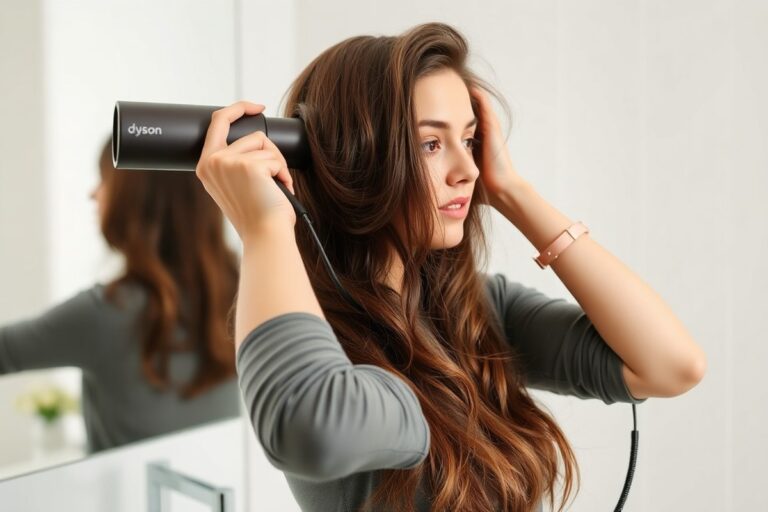
Heat protectants do work to reduce damage from styling tools like curling irons and blow dryers. They create a barrier on your hair that helps resist high temperatures, often up to 450°F. This barrier slows down heat transfer and reduces water loss from the hair strands.
The key is to know they don’t make your hair immune to heat damage. Even with protectants, very high temperatures or long exposure can still cause harm. Straighteners at 450°F can break down hair proteins.
This happens even if you use a protectant. Repeated passes cause most damage.
Ingredients like dimethicone and PVP/VA copolymer coat hair evenly. They help spread heat across strands. This protects hair from hot spots.
This coating lowers the intensity of the heat on any single spot. Silicone-based protectants, such as Pantene’s Pro-V Heat Primer, also smooth the hair, reducing friction and breakage.
Using heat protectant spray with a 140°F blow dryer helps reduce dryness. It also lowers the chance of breakage. This protects hair better.
However, you still need to avoid overheating or using styling tools too often. The protectant reduces damage, it doesn’t stop it completely.
Damage control depends on how you use heat and protectants. Apply spray before styling for best results. Don’t spray directly on wet hair unless it says so.
This keeps hair safe. Refreshing hair between styles with a spray also helps but won’t fix damage already done.
Some heat protectants say they protect up to 450°F. Their formulas get lab tested at high heat. That’s why they make this claim. That means the product can reduce damage at these temperatures when used as recommended.
Using lower heat settings helps keep hair healthy. Limit how often you style with heat. This reduces damage the most.
Applying heat protectant isn’t expensive, it usually costs between $10 and $30. The key factor is consistent use every time before heat styling. Heat protectants leave hair smoother and reduce breakage.
They don’t stop split ends from forming. They also don’t fix very damaged hair.
How Does Heat Damage Hair and What Happens Without Protectant?

Heat damages hair by changing its proteins and structure. At 300°F (150°C), water inside the hair evaporates, causing temporary changes in shape. When the heat hits 300 to 356°F (150 to 180°C), the cuticle lifts.
It then starts to crack. The proteins begin to break down.
Higher heat, around 356, 410°F (180, 210°C), causes significant protein damage. This breaks keratin bonds inside the hair, making it weaker and more fragile.
Beyond 410°F (210°C), damage becomes severe. The hair turns brittle, loses elasticity, and becomes prone to breakage.
Without heat protectant, these changes happen faster with repeated styling. Cuticles weaken, leading to rough, frizzy hair that looks dull and feels dry. Bleached or colored hair may shift tones, like blonde hair turning brassy after heat exposure.
Some heat protectants guard hair up to 450°F (232°C). They work by preserving keratin and sealing the cuticle.
For example, silicones can slow heat transfer and prevent moisture loss. This reduces damage but doesn’t completely block it.
Your hair might still be damaged even with protectants. It feels dry, catches on brushes, or has split ends. These signs show damage.
Heat protectants lower damage but don’t fix existing splits or stops damage entirely. Frequent heat use still breaks down hair, no matter the product.
Trimming damaged ends remains necessary. Protectants don’t remove splits, they only reduce new damage. Regular trims keep your hair healthy by removing brittle parts before damage spreads upward.
Always apply heat protectant before styling. Don’t hold heat tools on hair too long. This helps prevent damage buildup.
Key Ingredients in Heat Protectants and How They Work
Heat protectants work mainly by forming a thin, heat-resistant film on your hair. This film slows heat transfer and reduces damage from styling tools. Different ingredients achieve this in unique ways, some also help to repair or strengthen hair.
Silicones and Their Heat-Resistant Film
Silicones are common in heat protectants because they create a smooth, flexible layer on hair strands. This layer reduces friction between your hair and hot tools, helping prevent breakage and frizz. Silicones also have low thermal conductivity, meaning they slow down heat transfer to your hair.
When you spray on a heat protectant containing silicones, it coats each strand evenly. This coating makes your hair feel slippery and easier to style.
The protection remains as long as the product stays on. So reapplying before heat is key.
Proteins and Peptides Boosting Hair Strength
Proteins and peptides go beyond protection by working inside the hair shaft. They can fill cracks and rebuild damaged bonds in the keratin structure. This strengthens hair to reduce breakage from heat styling.
Some treatments combine peptides with heat protectants for a dual effect. For example, bond repair masks restore hair’s internal health while a heat protectant shields the surface. This helps hair stay stronger over time.
Film-Forming Polymers and Their Benefits
Heat protectants often include polymers that form a protective film when sprayed on hair. This film makes heat spread evenly, preventing hot spots that cause damage. It also locks in moisture and smooths your hair’s surface.
These polymers work with silicones and oils to create a balanced barrier. The result is hair that resists heat shorter and stays shiny. Many commercial sprays use polymer blends tailored for this effect.
Why Natural Oils Alone Are Insufficient
Natural oils can coat hair strands and add shine. But they don’t block heat well.
Some oils may even heat up too much and cause damage if used alone. Oils lack the film-forming ability that specialized protectants have.
DIY options like plain coconut or olive oil don’t provide tested thermal protection. For best results, use a commercial heat protectant with proven ingredients. You can apply oils after styling for moisture but not before heat.
Here is a simple table. It shows the roles of different products. Heat protectants are made just to shield hair from heat.
| Product | What It Does | Thermal Protection? |
|---|---|---|
| Heat Protectant | Forms a film reducing friction and managing heat flow | Formulated and tested for heat defense |
| Hair Oil | Lubricates and coats the strand for shine | Depends on formula; not always protective |
| Leave-in Conditioner | Improves moisture, softness, and manageability | Only if built to protect from heat |
This shows that using a dedicated heat protectant reliably delivers heat defense. Oils and conditioners don’t replace true protectants unless they include tested heat-shield ingredients. Combining a heat protectant with good styling habits helps keep your hair strong and healthy.
How to Apply Heat Protectant Correctly for Maximum Protection
Preparing Hair Before Applying Protectant
Start with clean, damp hair for the best protectant results. Damp hair absorbs product evenly and helps protect from heat better. Avoid applying protectant to soaking wet hair; lightly towel-dry first to remove excess moisture.
Comb your hair to remove tangles before applying the product. This spreads the protectant evenly and makes styling easier. Clean, detangled hair lets the protectant coat all strands well.
Spray vs. Cream vs. Serum Application Techniques
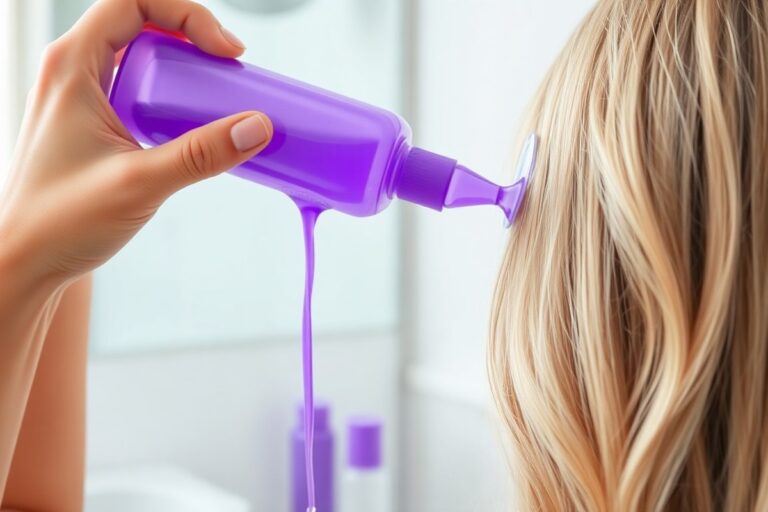
For sprays, hold the bottle 6 to 8 inches away and mist evenly. Use a light layer that covers your hair without soaking it. Avoid spraying too close; it can weigh hair down or create uneven spots.
For creams or lotions, scoop a pea-sized amount onto your palms first. Rub your hands together and apply from mid-lengths to ends with gentle, downward strokes. Add a little more if your hair is thick or dry.
Using too much can make hair look greasy. Stick to small amounts to avoid oily hair.
Serums work well on frizz or high-porosity hair. Use a small drop and focus on the ends or areas prone to damage. Serums can double as finishing products, adding shine after styling.
Drying Hair Before Using Hot Tools
Always dry your hair before using flat irons or curling irons. Wet hair under direct heat risks steam damage and breaks strands. For blow-drying, apply protectant first and style right after.
When blow-drying, apply heat protectant to damp hair for best protection. Let your hair dry fully or nearly dry before using other hot tools. This helps minimize heat damage and keeps styling smooth.
Reapplication Guidelines for Multiple Styling
Reapply heat protectant if you restyle with heat during the day. Each new heat exposure needs a fresh layer for continued protection. Lightly mist or smooth some cream on to avoid build-up.
Don’t overdo it when reapplying, too much product can weigh your hair down. Use just enough to cover the areas you’ll style. Give your hair a moment to absorb the product before applying heat tools again.
- Start with clean, damp hair that’s towel-dried.
- Comb out tangles to help spread product evenly.
- Select your protectant type based on hair texture and needs.
- For sprays, mist lightly from 6-8 inches away.
- For creams/serums, use a pea-sized amount and apply from mid-lengths to ends.
- Allow protectant to dry or absorb before using hot tools.
- Use heat tools on dry hair, not dripping wet.
- Reapply protectant if you restyle with heat again.
Heat Protectant Types and Which One Fits Your Hair Best
Heat protectants come in sprays, creams, serums, oils, and leave-in conditioners. Each type suits different hair textures and styling habits. Choosing the right one means matching product form to your hair needs and tools.
Sprays: Lightweight and Versatile
Spray heat protectants work well if you have fine or thin hair. They spread easily without weighing your hair down or leaving residue. Use sprays when you want quick coverage before blow-drying or flat ironing.
Sprays usually contain light silicones and conditioning agents to shield hair strands. They also help keep your hair soft and manageable during styling. When your hair gets greasy fast, sprays help prevent buildup.
- Best for fine or thin hair
- Easy and quick to apply
- Lightweight feel, no heaviness
- Works well with blow dryers and flat irons
- Some sprays offer extra shine and frizz control
Don’t spray too much; excess product can make hair look oily or crunchy.
Creams and Lotions: Best for Dry or Thick Hair
Cream heat protectants add moisture while offering heat defense. They suit dry, coarse, or thick hair that needs extra hydration. Creams often help control frizz and smooth rough strands during heat styling.
Apply creams evenly on damp hair before using hot tools. They usually take longer to work through your hair than sprays but leave a softer texture. Dry or rough hair after styling can get softer with creams.
- Ideal for thick, dry, or frizzy hair
- Add moisture and soften hair texture
- Control frizz and roughness
- Apply to damp hair before blow-drying
- May weigh down fine hair if overused
Serums and Oils: Adding Shine and Smoothness
Serums and oils deeply hydrate hair and boost shine. They work best for coarse, curly, or frizzy hair types. You can use them on damp or dry hair to smooth the surface before heat styling.
These products often form a protective layer that reduces moisture loss. Apply a small amount to avoid greasy buildup, focusing on mid-lengths to ends. Serums can also help seal the hair cuticle for a polished finish.
- Best for coarse, frizzy, or curly hair
- Provides deep hydration and shine
- Smooths hair and seals cuticle
- Use sparingly to prevent greasiness
- Works for blow dryers, curling irons, and flat irons
Leave-In Conditioners with Heat Protection
Leave-in conditioners offer light heat protection while detangling and conditioning. They suit all hair types and improve manageability before styling. Leave-ins combine convenience with gentle protection and added moisture.
Use them on damp hair after washing and before heat styling. They help reduce the risk of heat damage without heavy buildup. This option is good if you prefer fewer products in your hair routine.
- Suitable for all hair types
- Detangles plus adds heat protection
- Provides extra moisture without heaviness
- Apply after washing, before styling
- Works well combined with other styling products
Check the maximum heat temperature your product supports and stay below it with your tools.
Common Mistakes People Make Using Heat Protectants and How to Fix Them
Applying heat protectant on wet hair before straightening is a common mistake. Wet hair combined with heat creates steam, damaging hair even if you use protectant. Heat protectants work best on towel-dried hair, not dripping wet strands.
Skipping the drying step before applying heat can cause breakage. Blow-dry or air-dry your hair until mostly dry before using your heat tool. Applying heat protectant on damp hair helps but waiting until hair is dry reduces steam damage.
Overusing heat protectant can leave hair sticky or greasy. Using too much doesn’t mean better protection.
A light mist or a small amount spread evenly works well. The goal is even coverage without buildup.
- Don’t apply heat protectant to soaking wet hair; towel dry first.
- Let hair dry at least 80-90% before using flat irons or curling wands.
- Use a small amount focused on mid-lengths and ends, not the scalp.
- Comb protectant through hair to distribute it evenly.
- Avoid skipping heat protectant altogether to reduce serious damage.
- Do not rely on protectant alone, use the lowest heat needed for your style.
Applying heat protectant to fully dry hair helps seal moisture and creates a barrier. This reduces water evaporation and heat damage during styling. Paying attention to how you use it can save your hair from dryness and breakage.
Using a 400°F flat iron on wet protectant creates steam that damages your hair cuticle. Heat protectant isn’t a green light for high heat on wet hair. Always dry your hair first and apply the protectant just before styling for the best results.
Understanding ‘Protects Up to 450°F’ and Safe Heat Styling Temperatures
Heating tools often show “protects up to 450°F” on their labels. This means the heat protectant can help reduce damage at temperatures up to 450 degrees Fahrenheit. It doesn’t mean your hair can handle that heat without some damage.
Hair proteins start to break down and weaken at high temperatures. Heat protectants create a thin shield around the hair’s cuticle. This barrier cuts down moisture loss and protein damage but doesn’t stop it completely.
Using maximum heat every time isn’t a good idea, even with a protector. Damage builds up when you style hair at very high heat often. Lower temperatures, around 300°F to 375°F, are usually safer and still style well.
Spacing out heat styling sessions gives your hair a chance to recover. Applying heat protectant before every session adds a protective layer each time. This routine helps keep your hair softer and less brittle over weeks and months.
Heat protectants mainly guard against heat damage, not UV damage. If you need sun protection, look for products that also have UV filters. Heat protectant alone won’t block the sun’s harmful rays on your hair.
People often think the high temperature rating means zero damage. In reality, hair still suffers some harm at 450°F, even with protectant. Protectants reduce damage but do not make high-heat styling perfectly safe.
For daily styling, set your tools to the lowest heat that works for your hair type. Fine hair usually needs less heat than thick or coarse hair. Experiment with settings between 300°F and 375°F before trying higher heat.
Consistent protectant use combined with smart heat settings results in healthier hair. Your strands will stay smoother, shinier, and less prone to breakage over time. Avoid cranking up the temperature just because the bottle says 450°F protection.
How Combining Heat Protectant with Styling Habits Maximizes Hair Health
Using heat protectant helps, but your styling habits matter just as much. Lower your tool temperature to between 150 and 180°C for most hair types. This reduces stress on your hair and cuts down damage.
Skip heating wet hair. Heat protectants work best on dry, clean hair.
Wet hair plus heat causes more breakage and frizz, even with protectant. Spray a heat protectant liberally on each section before styling to shield your strands effectively.
Limit passes. Running your tool over the same hair spot repeatedly raises damage risk. One or two passes per section helps avoid that.
Let your hair rest for several hours or a day before reapplying heat. This helps protect your style if you need extra touch-ups.
- Always start with clean, fully dry hair before applying heat
- Spray heat protectant generously on each section of hair
- Set your flat iron or curling wand between 150°C and 180°C
- Make only one or two passes per hair section
- Rest your hair between styling sessions to prevent buildup
- Match protectant type to your hair texture and styling routine
Heat protectants do more than prevent damage; they can boost your style hold too. Some formulas have firm hold properties to keep curls or sleek looks longer. Combining them with other styling products can give you a polished finish.
Don’t use heat on damaged or very dry hair, even with protectant. Your hair needs a break to heal and recover. Give it time before styling again.
Applying heat protectant on dry hair leads to better protection and styling results. Apply heat protectant only when hair is dry. Putting it on wet hair causes uneven coverage.
This can make your hair look greasy or heavy. Following these steps keeps your hair feeling healthier.
Your style will last longer with less breakage. You’ll enjoy better hair over time.
Step-by-Step Action Plan to Protect Your Hair from Heat Damage
Follow these steps to use heat protectant correctly and keep your hair healthy. You’ll see less breakage and smoother, stronger hair over time.
- Before styling: Spray or apply heat protectant to dry or towel-dried hair. Make sure every strand is covered.
- Before using heat tools: Wait 2 to 3 minutes after applying protectant. This helps it absorb well into your hair.
- During styling: Use the lowest effective heat setting on your tool to reduce damage risk.
- After styling: Avoid touching your hair too much. Let it cool naturally to set styling and lock in protection.
- Weekly: Deep condition your hair 1 to 2 times. It helps repair any heat damage and adds moisture.
- Monthly: Check your hair’s condition. Feeling dry or breaking often? Cut back on heat or try a different protectant.
Frequently Asked Questions
Does Heat Protectant Prevent All Heat Damage to Hair?
No, heat protectants reduce but do not fully prevent heat damage. They work by forming a protective film that lowers heat stress on hair strands.
Can Heat Protectant Protect Hair from Sun Damage, Too?
Yes, some heat protectants also shield hair from UV sun rays. This helps prevent breakage and color fading throughout the day.
Is Heat Protectant Necessary for Every Type of Heat Styling?
Yes, applying heat protectant benefits all heat styling tools. It lessens damage from flat irons, curling irons, and blow dryers.
How Often Should I Reapply Heat Protectant When Styling Multiple Times?
Reapply heat protectant before each new heat application. This keeps the protective layer effective during repeated styling.
Does Heat Protectant Make Hair Feel Heavier or Greasy?
Some formulas can weigh hair down if overused or not suited for your hair type. Choose a light spray for fine hair to avoid this.
Can I Use Heat Protectant on Damp Hair or Only Dry Hair?
Apply heat protectant to damp, towel-dried hair before styling. Wait until it’s dry or blow-dry on low heat for best results.
Before You Go
Heat protectants do reduce hair damage when used right. Start by applying protectant before every heat styling session. Your hair will handle styling better and stay healthier longer.