How to Get Silky Hair: 8 Proven Steps for Soft, Shiny Results
How to get silky hair starts with good daily care habits. You want to keep your hair clean but not stripped of natural oils. Washing with lukewarm water and using gentle products helps your hair stay soft and smooth.
Another key step is to avoid rough towel drying. Blot dry your hair instead, which prevents frizz and breakage.
Using a wide-tooth comb on damp hair reduces tangles. It also helps keep your strands silky.
Keeping hair moisturized is also important. A weekly nourishing mask will add softness and shine. Leave the mask on for about 30 minutes to let the ingredients deeply penetrate your hair.
Protect your hair from heat damage by setting styling tools to medium or low heat. Heat protectant sprays create a shield, preserving your hair’s smooth texture. Regular trims every 6 to 8 weeks prevent split ends from ruining the silky look.
Key Takeaways
- Wash hair every 2-3 days with a gentle, sulfate-free shampoo.
- Use lukewarm water to prevent drying out your hair.
- Blot hair dry instead of rubbing with a towel.
- Comb wet hair carefully with a wide-tooth comb to avoid breakage.
- Apply a deep conditioning mask once a week for 30 minutes.
- Skip harsh chemicals to protect the hair’s natural oils.
1. How to Get Silky Hair with Daily Care Habits

Daily habits play a big role in how silky your hair feels. Start with gentle cleansing using lukewarm water.
Hot water can lift the hair cuticle, which dries hair and causes frizz. After shampooing, conditioner helps smooth the cuticle and locks in moisture, making hair soft and shiny.
The cuticle is the outer layer of your hair strand. It looks like tiny overlapping scales. When these scales lie flat, they reflect light better and feel smooth.
Damaged or raised cuticles cause roughness and dullness. Conditioning coats the cuticle with moisture and oils to keep it closed and strong.
Condition your hair every time you wash it. Most people wash their hair two or three times a week. So, condition two or three times weekly.
Your hair is very dry or coarse. Condition it more often or try a leave-in treatment.
Detangle hair gently using a wide-tooth comb or brush with soft bristles. Always start detangling from the ends and work your way up to avoid breakage.
Scalp care matters too. Massage your scalp a few minutes every day. This boosts blood flow.
Better blood flow helps hair grow thicker. It also distributes natural oils that keep scalp and strands healthy. Keep your routine steady.
Softness usually takes 4 to 6 weeks to appear. Be patient to see real changes.
2. Choosing the Right Shampoo and Conditioner for Silky Hair

Choose shampoos with hydrating ingredients like glycerin, panthenol, and seed oils. These help smooth the hair cuticle and lock in moisture. Avoid shampoos that have sulfates or drying alcohols.
They take away your hair’s natural oils. This leaves hair feeling rough and dry.
Conditioners should match your hair’s needs. Dry or damaged hair benefits from rich, creamy formulas with shea butter or natural oils. Fine or oily hair needs lighter conditioners that won’t weigh hair down or cause greasiness.
Put conditioner mainly on your hair’s middle and ends. These parts are often the driest.
Use conditioner every time you wash or at least twice weekly. Fine hair can get limp or greasy if you use too much.
| Hair Type | Main Problem | Best Conditioner Type |
|---|---|---|
| Dry or Damaged | Rough, brittle ends | Rich conditioner, leave-in, weekly masks |
| Curly or Coily | Frizz, dryness | Deep moisturizing conditioner, minimal brushing |
| Colored or Bleached | Dull, porous strands | Mild conditioners, bond-repair treatments |
| Chemically Straightened | Dryness, breakage | Conditioning masks, protein-moisture balance |
| Fine or Oily | Greasy, limp hair | Lightweight conditioner, less frequent use |
Choose gentle shampoos with squalane or omega-9 added. These ingredients keep your hair shiny and smooth.
They work well after each wash. Using a conditioner with protein helps rebuild hair strength, especially after chemical treatments or heat styling.
Try not to shampoo with hot water. Lukewarm water reduces dryness and helps keep hair cuticles closed, making hair look shinier.
Also, don’t skip conditioner on your ends, even fine hair needs some moisture. But less is often better.
Choose sulfate-free shampoos and avoid daily washing to prevent drying your hair out.
3. Using Oils and Natural Masks to Boost Hair Silkiness
Natural oils like coconut, argan, and jojoba are top choices for silky hair. They lock in moisture and smooth hair cuticles, making hair softer and shinier. Using these oils regularly helps restore natural oils that shampooing removes.
Homemade hair masks blend these oils with nourishing ingredients for deeper conditioning. Masks with honey, yogurt, or avocado add hydration and protein, improving hair texture. Applying them correctly boosts softness without greasiness or buildup.
| Oil / Mask | Main Benefit | How to Use | Frequency |
|---|---|---|---|
| Coconut Oil | Deep moisture, reduces protein loss | Warm 1-2 tbsp, apply root to tip, leave 1 hour | Once a week for dry hair, biweekly for normal |
| Argan Oil | Softens, adds shine without heaviness | Use 3-4 drops on damp hair, no rinse | Every 2-3 days as a leave-in treatment |
| Jojoba Oil | Balances scalp oil, smooths cuticles | Massage 1 tbsp into scalp, leave overnight | Once every two weeks |
| Honey & Yogurt Mask | Hydrates and strengthens hair strands | Mix 2 tbsp honey + 3 tbsp yogurt, apply, 20 min | Once a week for dry or damaged hair |
| Avocado & Olive Oil Mask | Deep conditioning, improve silkiness | Mash 1 ripe avocado + 1 tbsp olive oil, apply 30 min | Every 1-2 weeks, especially for coarse hair |
For applying oils, warm 1-2 tablespoons slightly for easy spread. Start at the scalp if dry or balance scalp oil, then move to ends. Cover your hair with a shower cap and wait 30 minutes to an hour.
Rinse oils with a mild shampoo and cool water to close cuticles. Masks go on clean hair; apply evenly and cover with plastic wrap or cap.
Overdoing oils or masks can weigh hair down or cause buildup. Adjust frequency based on your hair type and how oily your scalp feels.
Oiling once a week suits dry, thick hair. Fine hair benefits from biweekly or less.
4. Heat Styling Smartly Without Damaging Hair
Choosing the Right Heat Settings for Your Hair Type
Using the right heat temperature helps keep your hair silky without damage. Fine or thin hair should stay below 300°F (150°C). Thick or coarse hair can usually handle up to 400°F (204°C) safely.
Raise the heat only if your hair won’t style well at lower temperatures. High heat over 450°F (230°C) risks drying and breaking your strands.
How to Apply Heat Protectants Effectively
Heat protectants shield hair from damage during styling. Apply them evenly on damp hair before any heat styling tool touches it. Avoid using too little since it won’t protect well.
Focus on mid-lengths to ends; roots can become oily if over-applied. Let the protectant dry slightly before using a blow dryer or flat iron.
Steps to Use Heat Protectants and Style Safely
Follow these steps to protect and style your hair without losing silkiness. These apply for blow drying, straightening, or curling.
- Wash and condition your hair as usual to start clean.
- Towel-dry hair gently, leaving it damp but not dripping wet.
- Spray or apply a heat protectant to mid-lengths and ends.
- Comb through to spread the product evenly.
- Let hair air dry until about 80% dry to reduce heat exposure.
- Choose the lowest heat setting effective for your hair type.
- Style hair in small sections for consistent heat and less damage.
- Finish with a cool air blast to set the style and add shine.
Air-Drying Versus Blow-Drying for Silky Hair
Air-drying puts less stress on your hair and often keeps it smoother. It works best if you have time and naturally silky hair. Pat your hair gently with a towel.
Remove excess water carefully. Let your hair dry naturally.
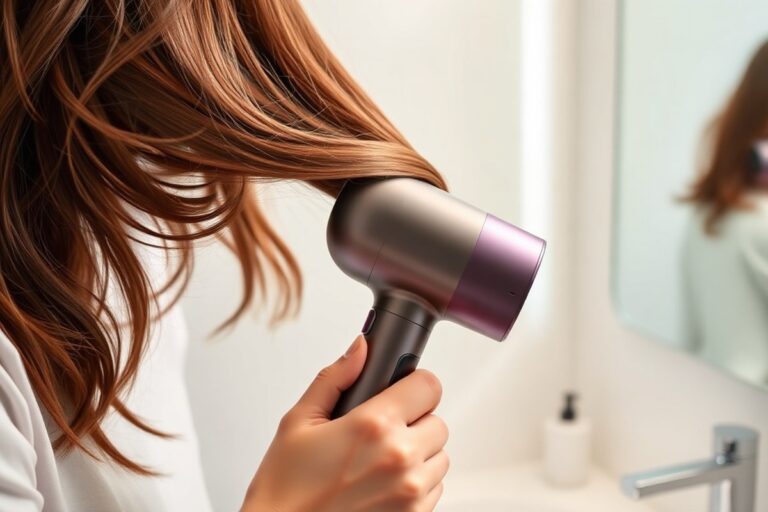
Blow-drying is faster but risks drying out hair if used carelessly. Dry hair about 80% first, then finish with a blow dryer on low or medium heat. This hybrid method keeps hair looking silky while cutting dry time.
5. Trimming, Brushing, and Using the Right Tools for Silky Hair
Regular trims help keep your hair smooth and silky. Brush gently every day. Use the right comb to prevent damage.
Trimming removes split ends that cause roughness. The right tools keep the hair cuticle intact. Brushing carefully avoids breakage and promotes a soft finish.
Ideal Trim Schedule by Hair Type
Trimming every 6 to 8 weeks works well for most hair types to remove split ends. You can wait up to 10 weeks between trims. This works if your hair is thick.
Thick hair is less prone to damage. Fine or curly hair needs trims every 6 weeks.
This helps keep the ends neat. It also keeps hair looking smooth.
Skipping trims lets split ends travel up the strand, causing frizz and rough texture. Cutting damaged ends regularly reduces breakage. It also makes your hair shinier.
Trims stop damage from getting worse. You don’t have to chop inches each time. Trimming just the damaged tips is enough.
Best Brushes and Combs for Hair Health
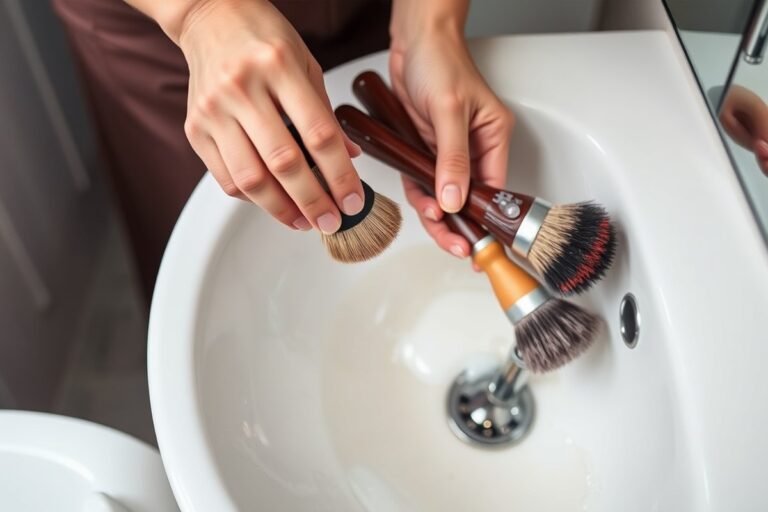
Wide-tooth combs are your best choice right after washing hair because they untangle without pulling. For dry hair, boar bristle brushes smooth the cuticle and distribute natural oils evenly. Avoid metal or fine-tooth combs when hair is wet, they increase breakage risk.
| Tool | Use | Protects Cuticle? |
|---|---|---|
| Wide-Tooth Comb | Wet hair detangling | Yes, reduces breakage |
| Boar Bristle Brush | Dry hair smoothing and oil distribution | Yes, smooths and shines |
| Metal Comb | Styling on dry hair | No, can roughen cuticle |
| Fine-Tooth Comb | Precision parting | No, avoid on wet hair |
Picking the wrong tools can fray hair layers and cause dullness. A boar bristle brush feels soft and glides through dry hair, leaving a smooth finish. Save finer combs for dry hair only when needed and never force them through knots.
Proper Brushing Techniques to Avoid Damage
Start brushing from the ends and work your way up to avoid pulling. Use slow, gentle strokes instead of harsh, fast sweeps.
Stop if you hit a knot. Gently work it out with fingers or a wide-tooth comb.
Brushing too much or with too much force breaks strands and roughens cuticles. Avoid brushing wet hair with a normal brush. Use a wide-tooth comb instead.
Hair is weakest when it is wet. Finish with a boar bristle brush on dry hair to close cuticles for a silky feel.
Always detangle gently starting at the ends to prevent breakage and keep hair smooth.
6. Tailoring Your Hair Care Routine to Your Hair Type
Adjusting your hair care routine based on your hair type makes your hair softer and silkier. Fine, curly, dry, and color-treated hair need different products and habits. This helps you avoid damage and get the best results for smooth texture.
Silky Hair Routine for Fine Hair
Fine hair can get weighed down by heavy products, making it look flat instead of silky. Use light conditioners focused on the mid-lengths and ends to avoid scalp buildup.
Try washing fine hair every other day. You can also wash it every two days.
This keeps your hair fresh without drying it out. Avoid too much heat styling because fine hair can break easily.
Care Tips for Curly and Coily Hair
Curly and coily hair is naturally drier and needs more moisture to stay soft and silky. Use rich conditioners and deep conditioning masks at least once a week to nourish curls.
Detangle gently when hair is wet with a wide-tooth comb to prevent breakage. Skip daily washing. Instead, wash once or twice a week with a mild shampoo designed for curls.
Color-Treated Hair: Special Considerations
Color-treated hair is more prone to dryness and damage, so it needs gentle care. Use shampoos and conditioners made for color-treated hair that protect color and add softness.
Trim color-treated hair every 6 to 8 weeks to stop split ends. Limit heat styling or always use a heat protectant spray to avoid fading and breakage.
Below is a table with dos and don’ts for each hair type. These tips help keep your hair silky and healthy.
| Hair Type | Do | Don’t | Maintenance Frequency |
|---|---|---|---|
| Fine | Use light conditioner on ends only | Overuse heavy products or daily wash | Wash every 1-2 days; trim every 8-12 weeks |
| Curly/Coily | Deep condition weekly; detangle wet gently | Wash daily; use hard brushes | Wash 1-2 times a week; trim every 8-12 weeks |
| Color-Treated | Use color-safe products; trim every 6-8 weeks | Heat style without protection; skip trims | Wash every 2-3 days; deep condition weekly |
Following these tailored steps protects your hair’s texture and boosts silkiness. Ignoring your hair type often causes dryness or damage, making hair look dull.
Keeping up with proper care routines takes time. But your hair will feel softer and look healthier.
7. Diet, Scalp Health, and Environmental Factors Affecting Soft Hair
Nourishing your hair starts from the inside. Key nutrients help keep hair strands strong and silky, supporting growth and shine. Eat foods high in protein and iron.
Include omega-3 fatty acids and zinc. Add vitamins A, C, D, and B-complex to your diet.
Proteins like eggs and chicken repair hair fibers. Leafy greens, beans, and nuts provide iron and zinc for scalp health.
Salmon and flaxseed offer omega-3s, which hydrate the scalp and hair. Vitamin C from citrus fruits helps collagen production, essential for hair structure.
- Eggs and chicken for protein
- Spinach and beans for iron and zinc
- Salmon and flaxseed for omega-3 fatty acids
- Oranges and strawberries for vitamin C
- Yogurt or curd for vitamins B5 and D
Scalp health directly affects your hair’s texture. A clean, well-moisturized scalp encourages stronger hair growth and prevents issues like dandruff or dryness. Massaging your scalp with fingertips daily helps increase blood flow, stimulating hair follicles.
Keep your scalp free from buildup by gently cleansing it once or twice a week. Avoid harsh scrubs or overwashing, which can strip natural oils. Use natural oils like coconut or jojoba on your scalp.
These oils nourish and soothe skin. They don’t clog your pores.
Environmental factors take a toll on your hair over time. Sun exposure fades and dries out strands.
Chlorine and hard water can make hair brittle. Pollution adds dirt and toxins, causing roughness and dullness.
Shield your hair by wearing hats or scarves outside. Rinse your hair after swimming in pools. Use a clarifying shampoo once a week.
This helps remove buildup. Applying a leave-in conditioner with UV protection also helps maintain moisture and softness.
8. Professional Treatments and When to Seek Expert Help
Professional treatments like keratin, smoothing, and gloss treatments help make hair silky fast. Keratin treatments coat your hair with a protein layer, filling in gaps and smoothing cuticles.
Smoothing treatments use chemicals or heat to relax curls or frizz, making hair sleeker. Gloss treatments add shine and seal the surface for silky feel without changing texture much.
These treatments last 4 to 6 weeks. It depends on your hair type. Also, your care after the treatment matters.
Heat and sulfur-based shampoos can shorten the lifespan. Most salons recommend waiting about 3 months between treatments to avoid damage. Prices range from $100 to $300, depending on your hair length and salon quality.
Sign up for a treatment if you want quick results. It helps if you have frizz or dry hair despite care at home. Talk to a dermatologist or hair expert if your hair breaks easily.
Also, visit if your scalp is itchy or flaky. Experts can check for scalp infections or damage. They find problems home care or salon visits may miss.
Professional advice also helps if you have color-treated or chemically processed hair. They can tailor treatments to protect your hair and reduce damage. Avoid frequent heat or chemical treatments without consulting a pro, as this can cause breakage.
Deep condition dry or damaged hair every 3 to 5 days. It helps keep hair healthier longer between salon visits.
Do not overdo professional smoothing treatments. Waiting at least 3 months between sessions helps protect your hair from excessive damage.
Step-by-Step Action Plan for Silkier Hair
Follow these simple steps to get silky hair and keep it that way. Each step builds on the last for the best results.
- Day 1: Switch to a gentle shampoo and conditioner made for your hair type. Notice how your hair feels after washing. It should feel clean but not tight or dry.
- Week 1: Add a natural hair oil or mask once a week. Your hair should start feeling softer and smoother after each treatment.
- Week 2: Use a wide-tooth comb or a brush with soft bristles to detangle daily. Your hair will break less and look shinier.
- Week 3: Limit heat styling to 2-3 times per week and always use a heat protectant. Check that your hair isn’t dry or brittle after styling.
- Week 4: Trim split ends or damaged tips. Hair feels and looks healthier and silkier right after cutting.
- Month 2: Eat more foods rich in vitamins and omega-3s for scalp and hair health. You might notice less hair breakage and more shine over time.
- Ongoing: Keep an eye on your scalp’s condition. If you have itching or scaling, see a professional for advice.
Frequently Asked Questions
What Ingredients Should I Avoid to Keep My Hair Silky?
Avoid shampoos with sulfates and alcohols since they dry hair out. These ingredients strip natural oils, making hair rough and frizzy over time.
How Often Should I Switch My Hair Care Products for Best Results?
Try switching every 6 to 8 weeks to avoid product buildup and dullness. This keeps your hair responding well and looking fresh.
Can Scalp Massages Help Make Hair Silkier?
Yes, scalp massages increase blood flow and promote scalp health. Massage your scalp 2 to 3 times a week to encourage softness and shine.
Is It Okay to Rinse Hair with Cold Water for Silky Hair?
Rinsing with cold water helps close the hair cuticles, making them smoother. Do this after conditioner to lock in moisture and shine.
Should I Avoid Washing My Hair Daily to Keep It Silky?
Yes, daily washing can strip natural oils that keep hair soft. Washing 2 to 3 times a week helps maintain for silky hair.
Does Sun Exposure Damage the Silkiness of Hair?
Yes, UV rays dry out hair and cause roughness. Wear a hat or apply UV protection spray when spending long times outdoors.
Final Thoughts
Silky hair starts with consistent, gentle care and good habits. Choose products and routines that match your hair’s needs. Start with a nourishing shampoo today and enjoy the softer, smoother hair you want.